Full Article
about Órgiva
Capital of La Alpujarra and a melting pot of cultures; bohemian vibe and famous weekly market in a fertile valley.
Ocultar artículo Leer artículo completo
The Thursday market spills across the football pitch like a mismatched jumble sale. One row flogs knobbly cucumbers grown three terraces up; the next offers reiki sessions and gluten-free brownies. A gypsy family haggles over a second-hand drill while a Kentish voice asks, in perfect Andalusian Spanish, for dos kilos de tomates—then switches to Estuary English to check WhatsApp. Welcome to Orgiva, the Alpujarra's functional heart, where Sierra Nevada's melt-water meets the Med and nobody can decide if the place is ugly, enlightened, or simply useful.
At 450 m above sea level, the town sits low enough for orange trees to survive winter yet high enough for the air to feel rinsed clean. That altitude matters: on the same July afternoon Granada city swelters at 38 °C, Orgiva tops out at 34 °C, then drops to 22 °C once the sun slips behind the ridge. Pack a fleece even in August; midnight bus-stop conversations happen in visible breath.
A Town That Forgot to Be Photogenic
Forget the postcard façades of nearby Bubión—Orgiva's high street is a hotchpotch of 1960s brick, half-finished apartment blocks and the occasional surviving cortijo whose white walls have turned the colour of weak tea. The central church, Nuestra Señora de la Expectación, keeps its sixteenth-century tower but the interior was repainted in municipal cream circa 1987. Locals like it that way: the building works, the bells ring, and the bar next door serves coffee at €1.20, cheaper than anywhere on the coast.
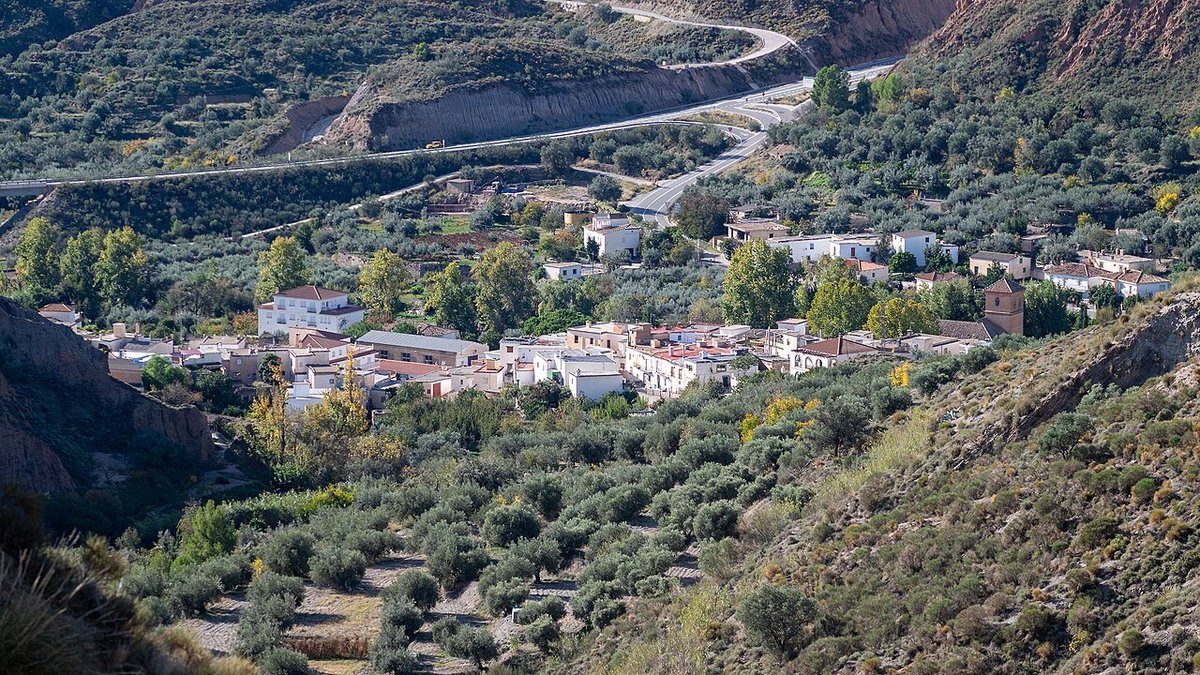
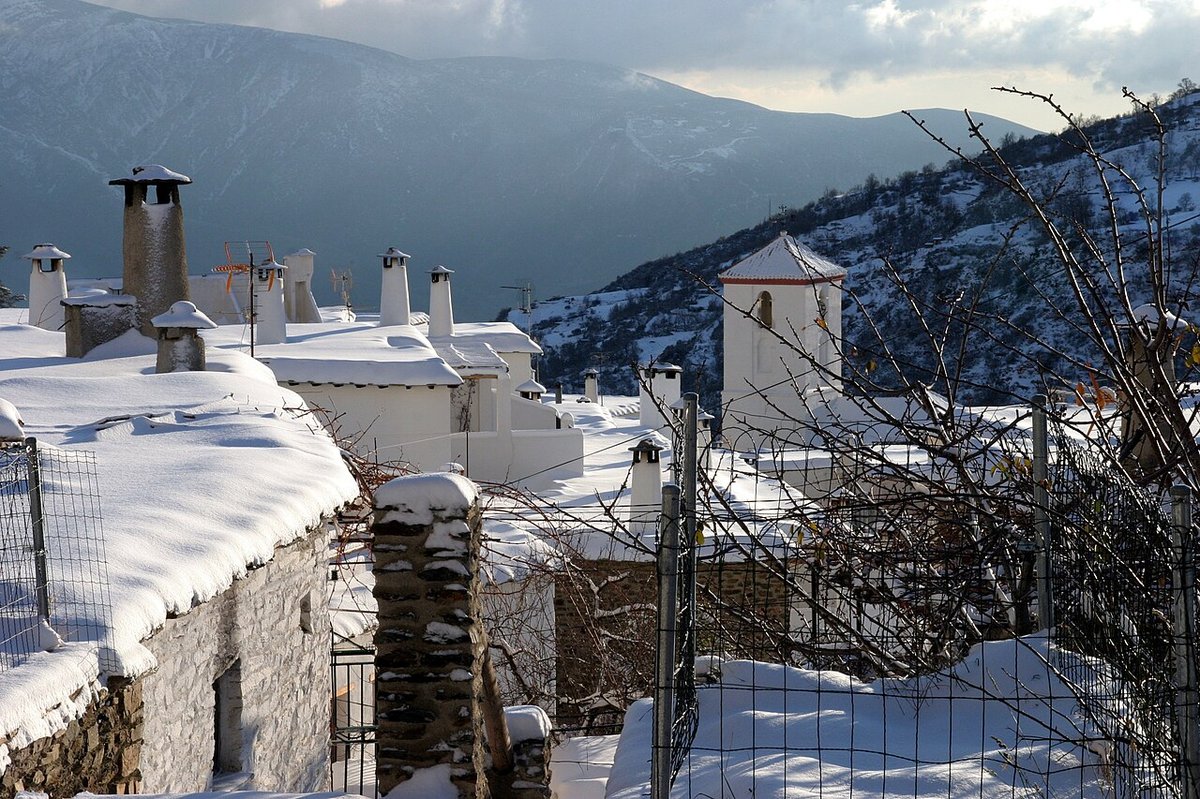
Wander uphill into the Barrio Alto and the town finally remembers its Alpujarra DNA—flat roofs, cobbled lanes, chimney pots like miniature castles. From the top you can track the Guadalfeo valley westwards and watch irrigation channels (still governed by medieval water-rights timetables) glitter between vegetable plots. The view is dramatic, but the neighbourhood laundry hanging from every balcony reminds you people live here year-round; this isn't a set.
Hippies, Farmers and the Search for a Parking Space
British visitors divide sharply. Some arrive clutching Chris Stewart's Driving Over Lemons, expect rural solitude, and recoil at litter bins overflowing after market day. Others relish the cosmopolitan mish-mash: German therapists, Dutch carpenters, retired Scousers learning flamenco guitar, plus families who left Granada city for cheaper rent. English buzzes around the health-food shop; Spanish dominates the butcher's. You can spend a week speaking only English and convince yourself the town has been ruined—or order a caña in the Plaza de la Alpujarra at 09:30 and discover the barman still refuses to understand anything but Andalusian.
The weekly market (Thu 09:00–14:00) is Orgiva in miniature. Fruit stalls weigh custard apples on antique scales; a Moroccan trader sells vintage carpets from a van; someone offers tarot beside a crate of avocados. Parking is free but savage—arrive before 10:00 or abandon the car on the GR-420 ring road and walk ten minutes. Bring canvas bags; plastic costs 5 cents and invites a lecture.
Walking Without the Postcard Crowds
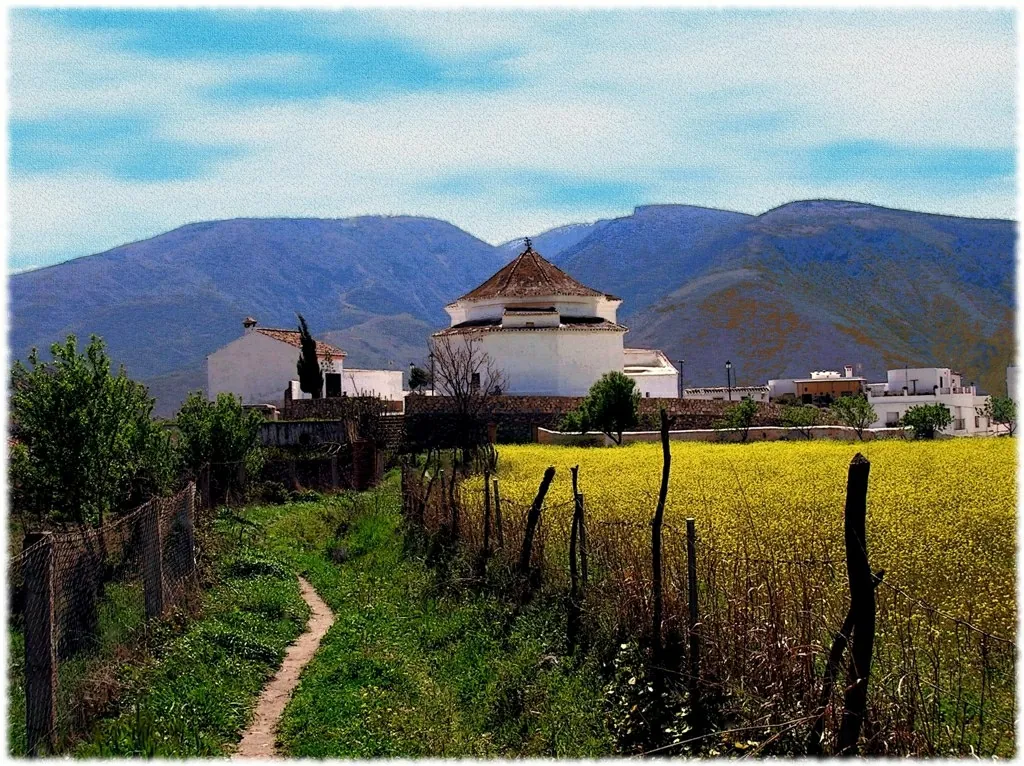
Orgiva works as a walking base precisely because it isn't pretty. Trails start behind the petrol station, climb through olive groves and within 45 minutes you're alone on a stone mule track, Sierra Nevada gleaming snow to the east, the Mediterranean a silver stripe westwards. The Ruta de las Acequias is flat, 7 km there-and-back, and explains why every drop counts—channels the width of a British gutter irrigate entire hillsides. Spring blossoms line the path; autumn brings the smell of crushed grapes.
Feeling ambitious? Follow the signed Sendero de los Cortijos south-east. It zig-zags to 900 m, passes ruined farmhouses whose roofs collapsed during the 1956 earthquake, and descends to Carataunas (bar open weekends, water tap in square). Total 12 km, 450 m ascent—moderate if you're used to Peak District terrain. In summer start at 07:00; by 11:00 the sun is punitive and shade non-existent.
Winter hiking is glorious—25 °C by day, almond blossom in January—but check the weather. A front crossing the ridge can turn a dusty track into slick mud and strand hire cars without winter tyres. If snow blocks the high road to Trevélez (common above 1.200 m) Orgiva stays reachable; the town is the region's evacuation centre for good reason.
Food, Drink and the Gluten-Free Pilgrim
Local gastronomy is built for labourers: migas (fried breadcrumbs laced with garlic and pancetta), Plato Alpujarreño (eggs, black pudding, ham, potatoes—think full English with paprika). Vegetarians survive on berenjenas con miel (aubergine chips dribbled with cane honey) and the region's excellent olives. Wine comes from the Contraviesa, the range of hills you can see across the valley; alcohol content punches above price (€4–6 a bottle) but consistency swings from decent Rioja substitute to something that tastes like liquid compost.
Most restaurants cluster around Plaza de la Alpujarra. Baraka serves couscous and vegan tagine—nod to the new-age settlers—while across the square Casa Porras sticks to jamón and fried fish. Both charge under €12 for a main; bread and alioli arrive unbidden and add €1.50 to the bill unless you wave it away. Coeliacs note: several cafés stock gluten-free beer, but the bakery inside Mercadona (Motril, 35 min drive) remains the reliable source for sliced loaf.
When to Come, Where to Sleep, How to Leave
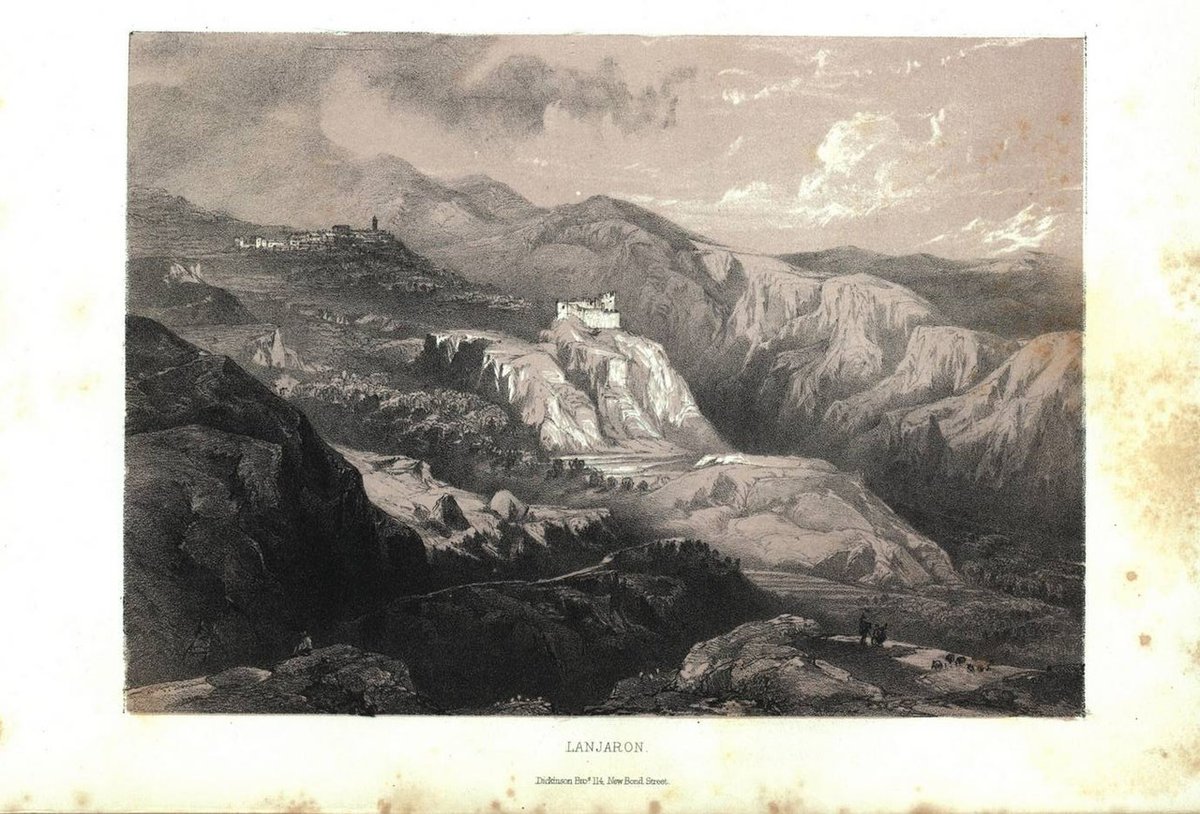
Spring (mid-March–May) and late-September–October give 24 °C days, 12 °C nights, empty trails and orchards perfumed with orange blossom. August is hot, noisy and fun if you enjoy feria: five days around the 25th when temporary bars blare reggaeton until 05:00. Accommodation triples in price; book early or stay up the hill in quiet (and prettier) Lanjarón.
Accommodation splits into two worlds. In town, simple hostals charge €40–55 for a double; expect thin walls and church bells on the hour. Out in the campo, rental cortijos and cave houses start at €90 for a two-bedroom finca with pool. They look idyllic on websites but remember the track may be 3 km of potholes and no streetlights—head-torch essential for post-tapas returns.
Public transport exists but moves to its own rhythm. The Alsa 370 links Granada (Estación de Autobuses) to Orgiva twice daily; journey 1 hr 45 min, €7. From Malaga you change at Granada, total 4 hrs—doable if you're backpacking, tiresome with luggage and groceries. A hire car from Granada airport (1 hr 15 min) costs around €30 a day in low season; parking in town is free but kerbs are high and wing-mirror casualties frequent.
Cash still rules the market. Two ATMs sit on the main drag; the private machine beside the tourist office levies €2. Walk 100 m to the Santander branch and UK cards withdraw fee-free. Supermarkets (SuperSol, Día) shut 14:00–17:30; stock up before lunch or you'll be drinking coffee until reopening at 18:00.
The Honest Verdict
Orgiva will never win Spain's prettiest-town contest. Parts look tired, the river carries plastic bottles after heavy rain, and the Thursday crowd can feel more Glastonbury than Granada. Yet the setting—snow line above, banana palms below—delivers every time you lift your eyes from the pavement. It functions: buses arrive, banks open, doctors speak English, and a 15-minute walk can leave you alone among almond terraces with lammergeiers circling overhead. Come for the logistics, stay for the valley light, and depart arguing whether you have just discovered the Alpujarra's most honest base camp or simply Barnsley with better weather. Either way, you'll remember the place long after tidier white villages have blurred together.