Full Article
about Pampaneira
One of the most visited and attractive villages in the Alpujarra; textile crafts and Berber architecture in the Poqueira ravine.
Ocultar artículo Leer artículo completo
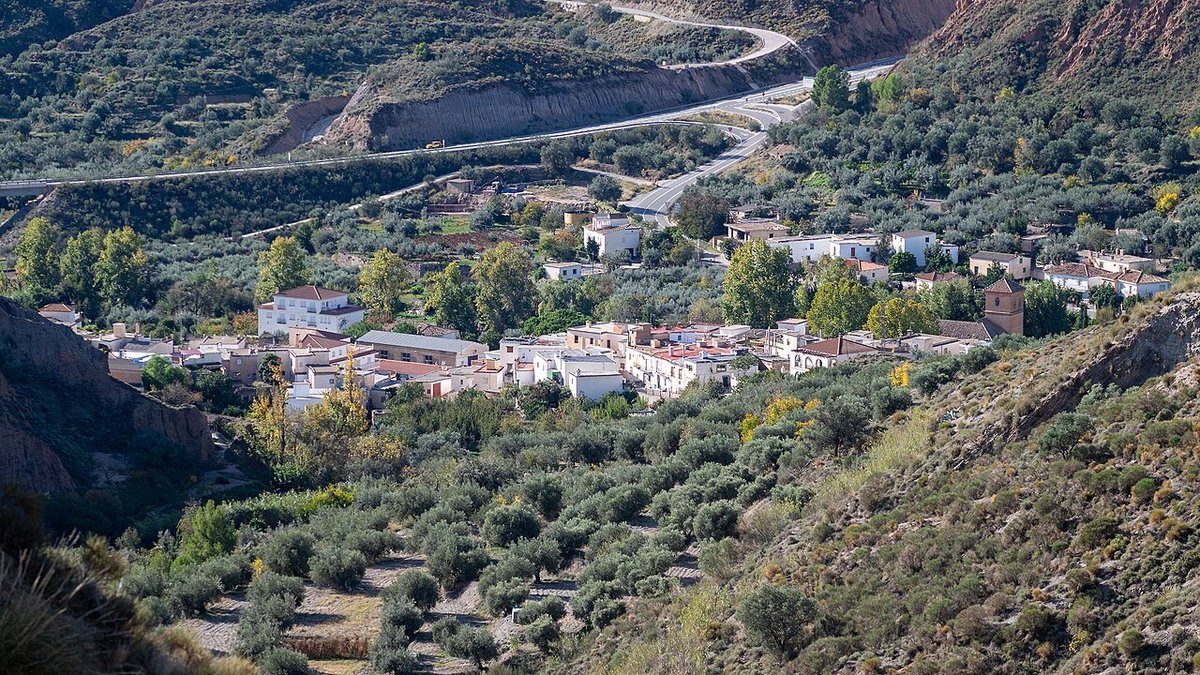
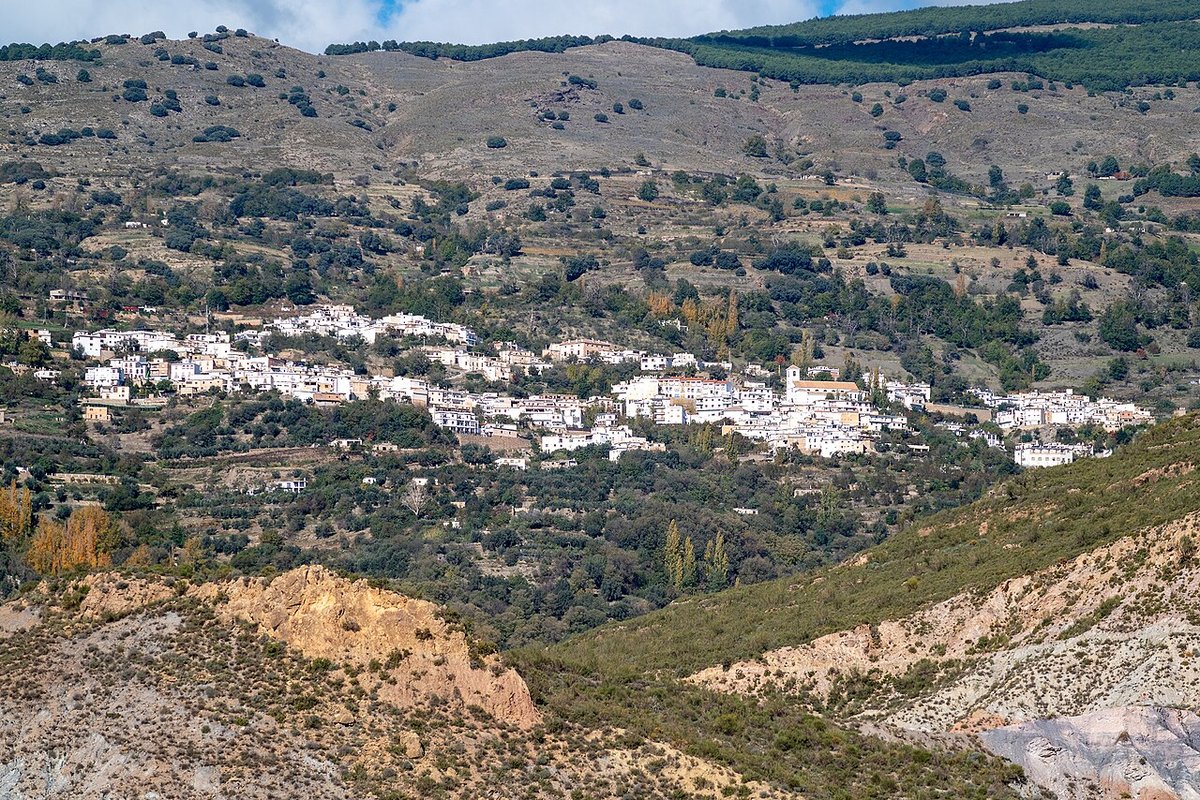
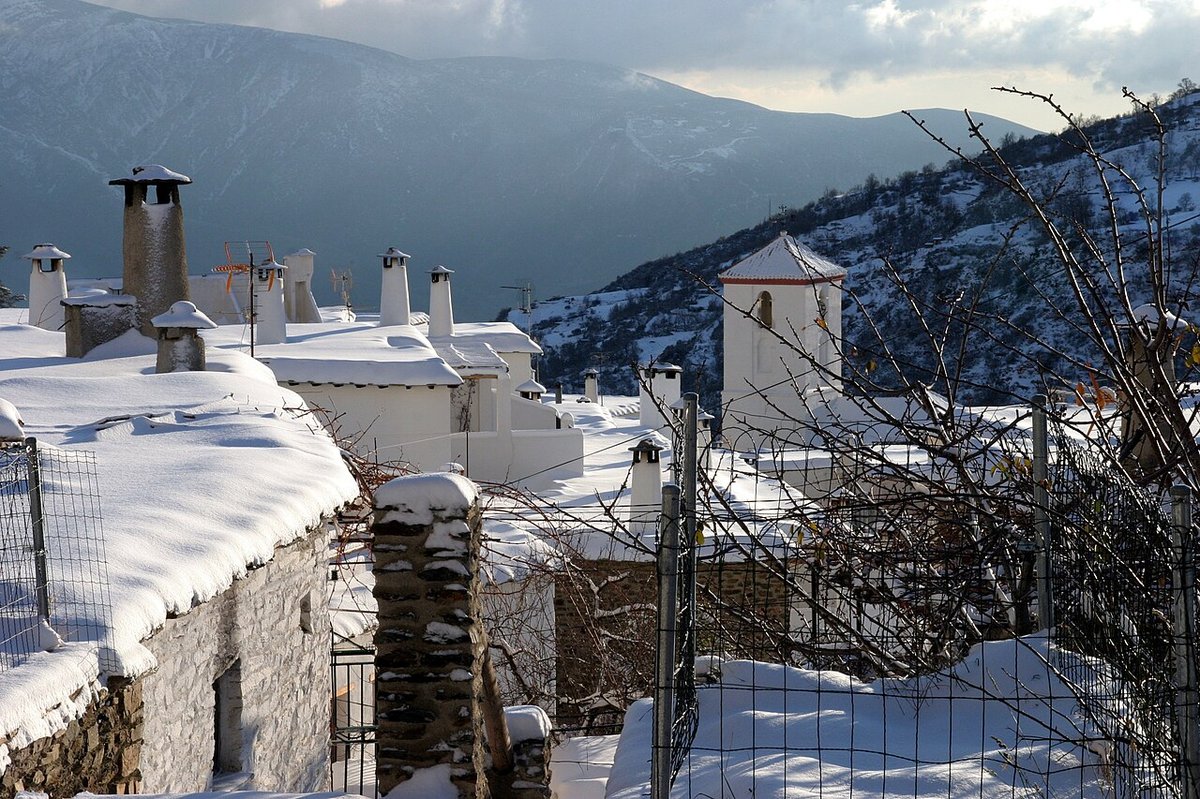
The chimney pots look like miniature mosques. Dozens of them, cylindrical and topped with conical caps, rise from flat white roofs that cascade down the mountainside. It's the first thing you notice about Pampaneira, this architectural fingerprint of North Africa planted 1,060 metres above sea level in southern Spain. The second thing is the sound of water—constant, trickling through narrow channels that run beside every cobbled street, keeping the village cool even when Granada's plains swelter below.
A Village That Refuses to Become a Museum
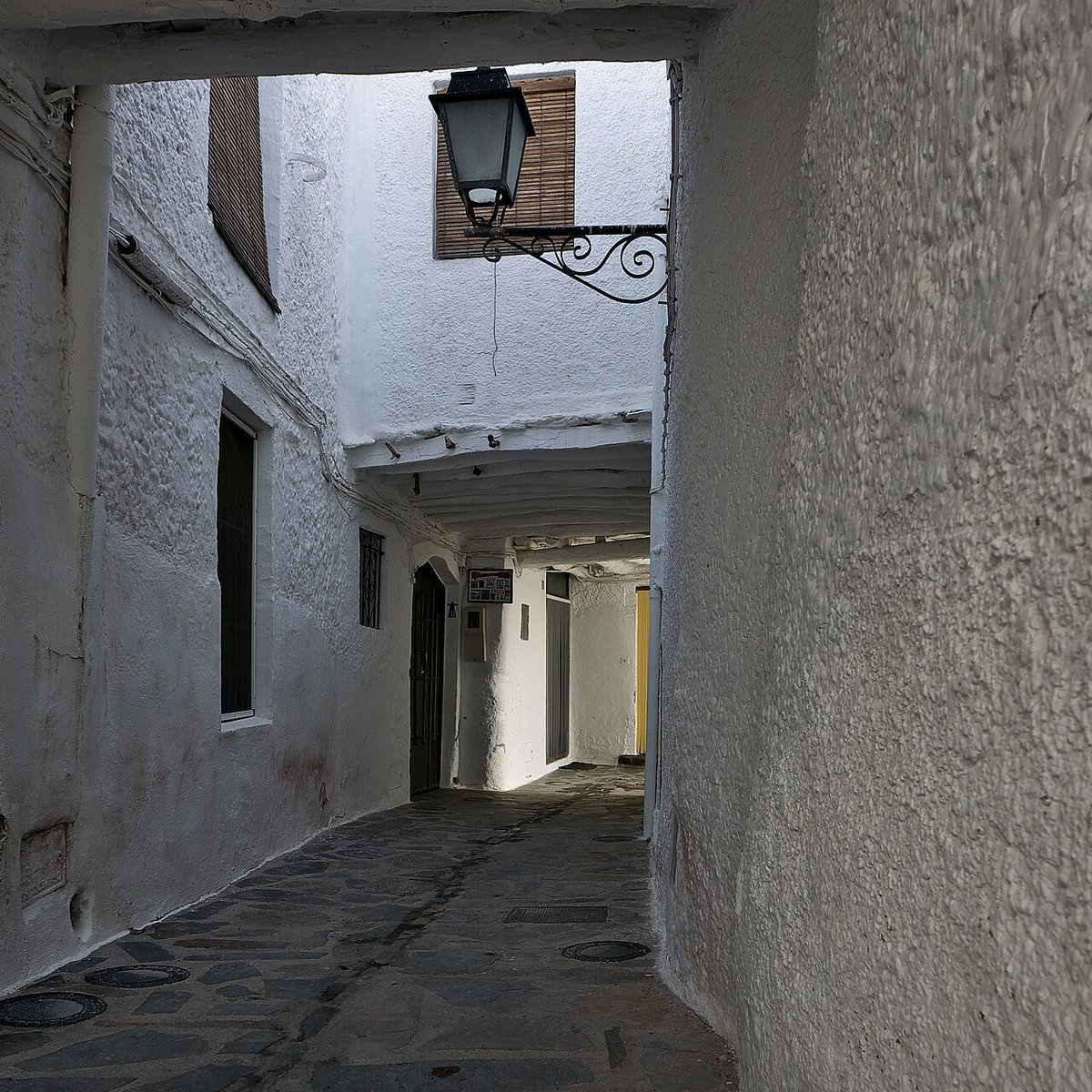
Pampaneira isn't playing at being authentic. Washing hangs between wrought-iron balconies. Old women in black still climb the steep lanes to church, stopping to gossip beside fountains that have flowed since Moorish times. The population hovers around 315 permanent residents, though you'll struggle to spot them during high summer when day-trippers from the Costa Tropical flood in seeking relief from coastal heat. The village handles these invasions with typical Alpujarran pragmatism—shops sell ice creams alongside handmade rugs, but the barber still cuts local farmers' hair for eight euros.
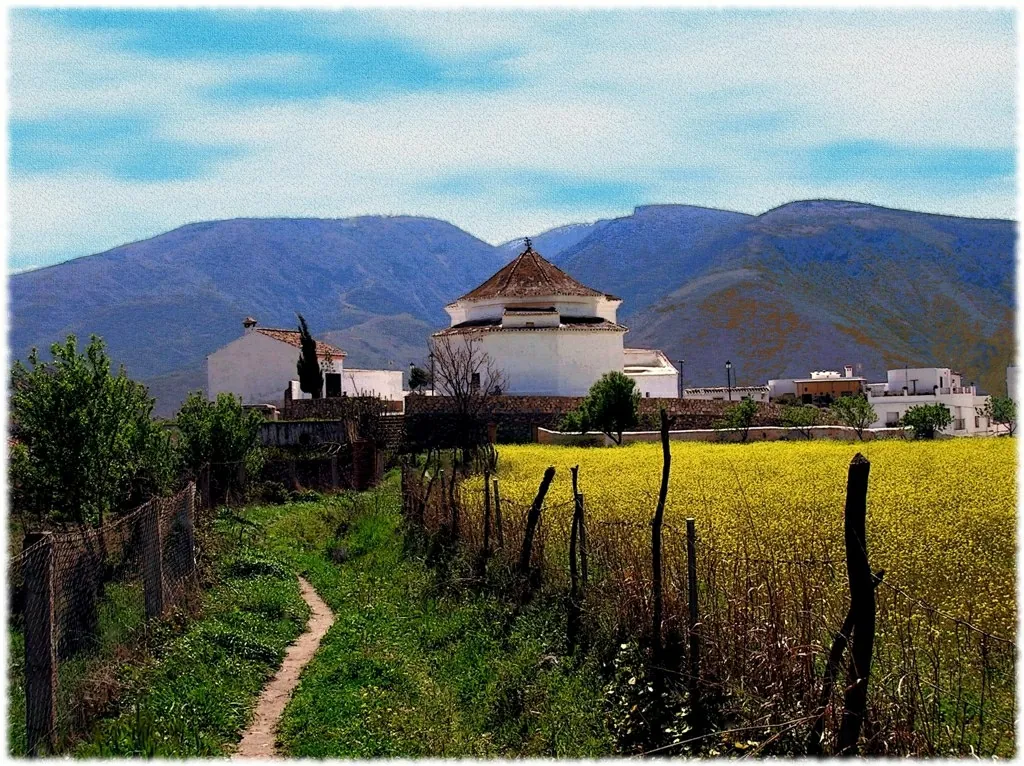
The relationship between village and mountain is practical, not picturesque. Terraces hacked into the slopes grow walnuts, apples and the hardy grape varieties that produce the region's rough but honest wine. Chestnut trees provide both timber for building and the base for hearty winter stews. Even the famous Alpujarran rugs evolved from necessity—thick wool weavings that insulated stone floors during winters when snow could cut the village off for days.
Three Villages, One Gorge
Pampaneira sits lowest in the Poqueira Gorge, with Bubión two kilometres uphill and Capileira another three beyond that. Walking between them on the old mule tracks takes about ninety minutes, though you'll want longer for the detours. The path climbs through ancient chestnut woods, past abandoned threshing circles and watermills that once ground the valley's grain. Each village has its own character: Pampaneira for crafts, Bubión for views, Capileira for serious hiking into the Sierra Nevada.
The GR7 long-distance path passes through all three, connecting eventually to the GR240 Alpujarras route that circles the entire range. Serious walkers use Pampaneira as a base for multi-day treks, but casual visitors can manage the five-kilometre loop to the abandoned village of La Cebadilla. Built to house workers at a hydroelectric plant during Franco's era, it's now a collection of roofless houses being slowly reclaimed by brambles and wild fig trees.
What to Eat When the Altitude Hits
Mountain hunger is different from seaside hunger. The altitude sharpens appetites, which explains why Alpujarran portions could feed a small army. The plato alpujarreño arrives as a challenge—fried potatoes topped with chorizo, blood pudding, a fried egg and strips of jamón. Vegetarians aren't an afterthought here: migas, essentially garlicky fried breadcrumbs with peppers and grapes, provides the same carb-heavy satisfaction without the meat.
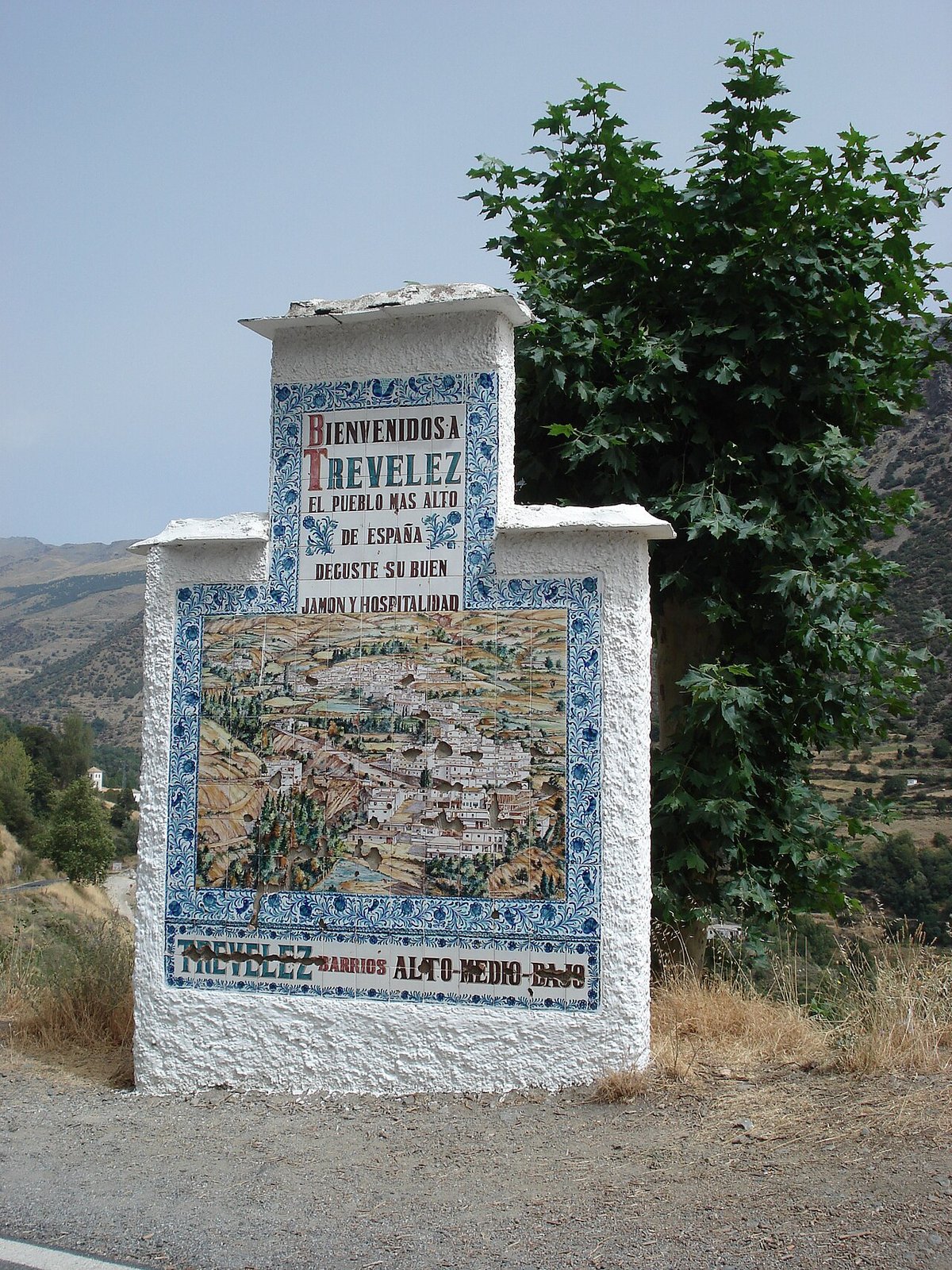
Local goat cheese comes mild rather than pungent, often served with local honey that carries the wild thyme and rosemary flavours of the surrounding hills. Trevélez ham, air-dried in the village of the same name at 1,500 metres, costs half what you'd pay in London and arrives properly sliced, almost melting at room temperature. The region's wine won't win awards but washes down mountain food perfectly—rough reds from vineyards that cling to impossible slopes, white wines that taste of the minerality in the soil.
For sweet relief, the Abuela Ili chocolate factory on the edge of village produces drinking chocolate thick enough to stand a spoon in. British visitors compare it to the Spanish equivalent of Cadbury's Bournville—familiar enough to comfort, different enough to remind you you're travelling.
Practicalities for the Unprepared
Getting here requires commitment. From Granada, the A-44 motorway spits you out at Órgiva, after which the A-4132 twists upward for eighteen kilometres of hairpin bends. Guard rails are intermittent, drops are substantial, and local drivers treat the narrow road as their personal racetrack. Hire the smallest car you can manage—Pampaneira's streets were designed for mules, not SUVs. Parking costs two euros per day at the municipal carpark; street spaces require the spatial awareness of a London cabbie.
Winter visits bring their own challenges. Snow can close the road entirely, though when it does the village transforms into something approaching a ski resort without lifts. Accommodation ranges from forty-euro hostals to hundred-euro boutique hotels carved from ancient houses. Booking ahead matters during Easter week and August, when half of Granada seems to migrate uphill seeking cooler air.
Cash remains king. Many craft shops, particularly those selling genuine hand-woven rugs rather than imported imitations, don't accept cards. The nearest cash machine stands in Bubión—a twenty-minute uphill walk that feels longer after lunch. Speaking Spanish helps but isn't essential; enough British expats have settled here that someone will usually translate. They've come seeking the same thing that drew the Moors—temperate summers, fertile soil and a pace of life measured in seasons rather than seconds.
When to Come, When to Stay Away
May delivers the best compromise—warm days, cool nights, wildflowers covering the lower slopes and the Santa Cruz fiesta providing genuine local colour rather than tourist spectacle. September works too, when the chestnut harvest begins and the summer crowds have thinned. August means fighting for restaurant tables and paying premium prices for accommodation that's basic at best. January and February can be magical or miserable depending on whether the snow arrives; check weather forecasts obsessively and carry chains even if hire companies insist you won't need them.
The village doesn't do nightlife. One bar stays open past midnight, serving decent tapas and local wine to whoever's still vertical. Evenings centre around the plaza, where old men play dominoes and teenagers flirt across generations. It's entertainment of a sort, though anyone seeking clubs or cinemas faces a forty-minute drive back to Granada.
Pampaneira works best as a base rather than a destination. Stay three nights, walk to the other villages, tackle a proper mountain path if you're equipped, then retreat to the coast or Granada before the altitude and the endless cobblestones start feeling normal. The village will continue its centuries-old conversation with the mountains long after you've gone, water still running through those Moorish channels, chimney pots still puncturing the sky like exclamation marks on a landscape that refuses to be ordinary.