Full Article
about Trevélez
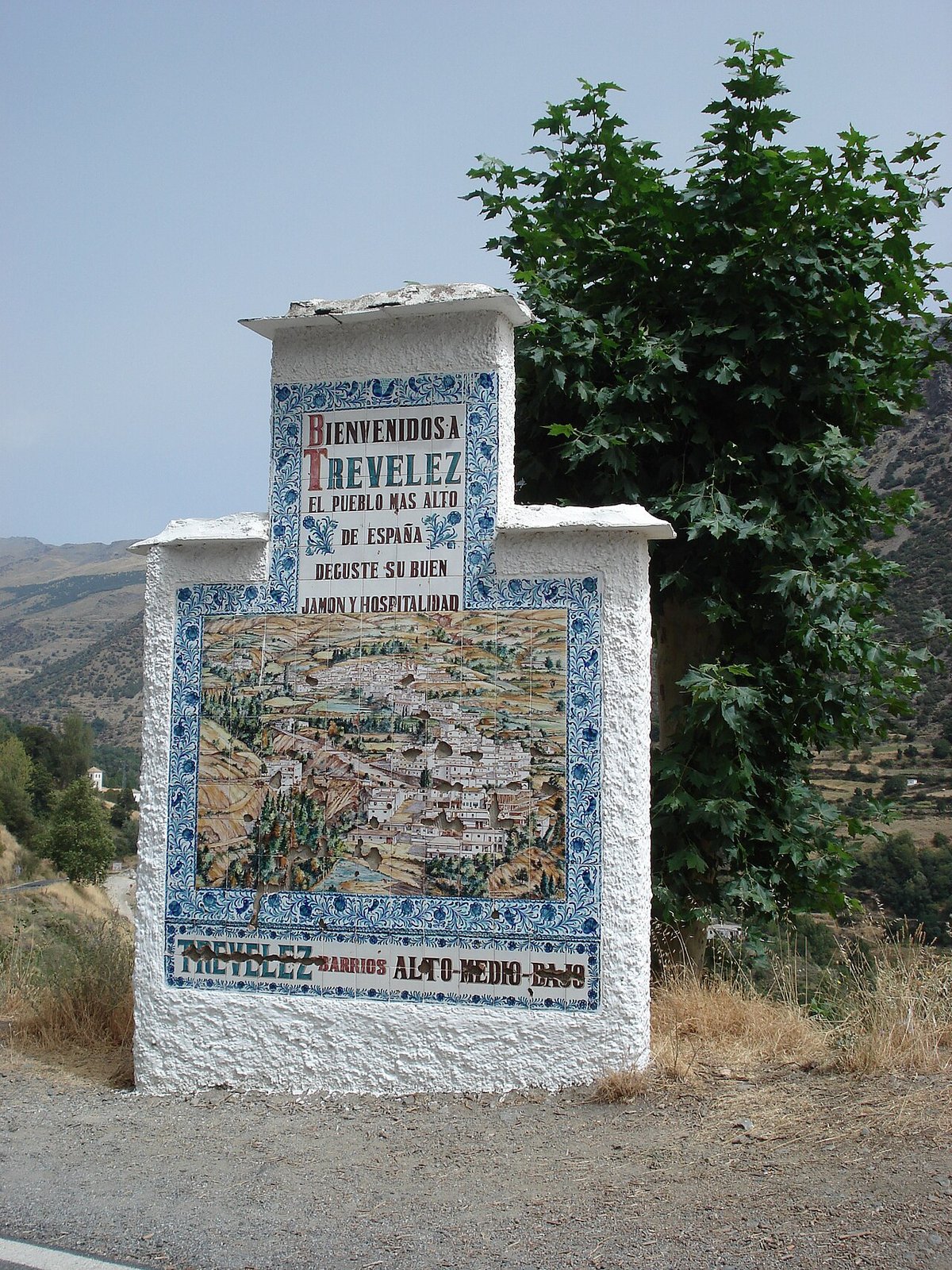
One of Spain’s highest villages; world-famous for its ham cured in the mountain air.
Hide article Read full article
A Village Shaped by Height and Air
First impressions of Trevélez tend to arrive mid-morning, when the sun has begun to warm the slopes and light slips at an angle through the cobbled streets. The air carries a mix of wood smoke, mountain damp and the dry, unmistakable scent of hams hanging in curing houses. Tourism in Trevélez revolves around that combination: altitude, harsh climate and a way of life still closely tied to the rhythm of the sierra.
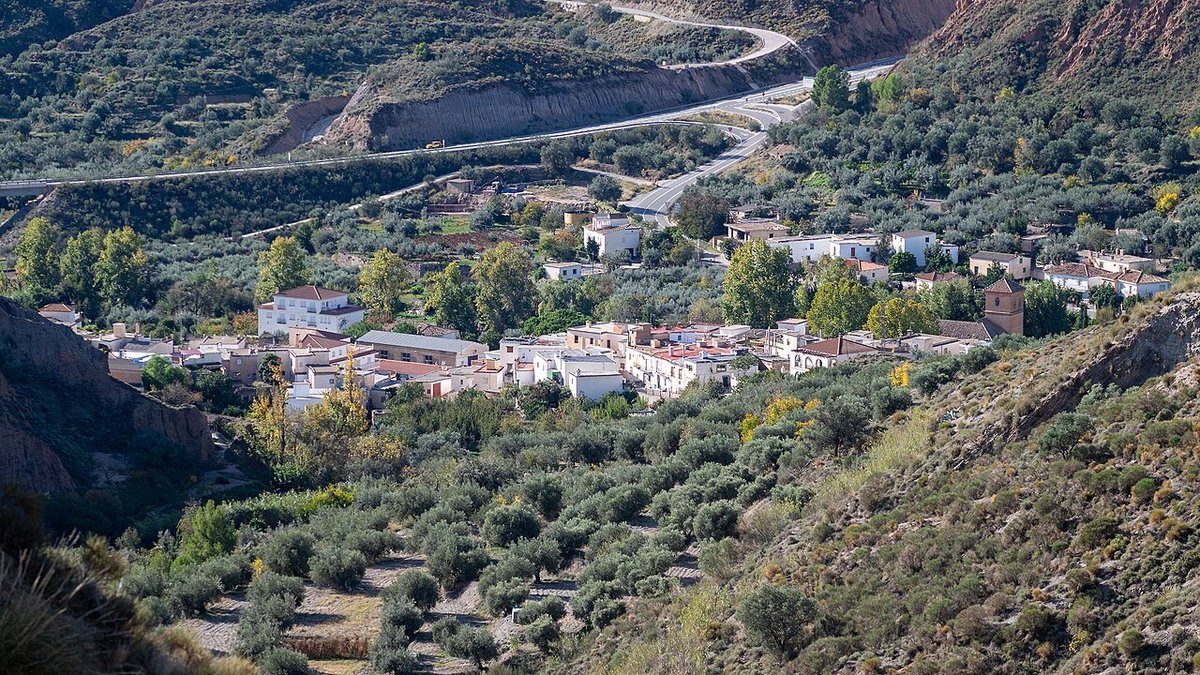
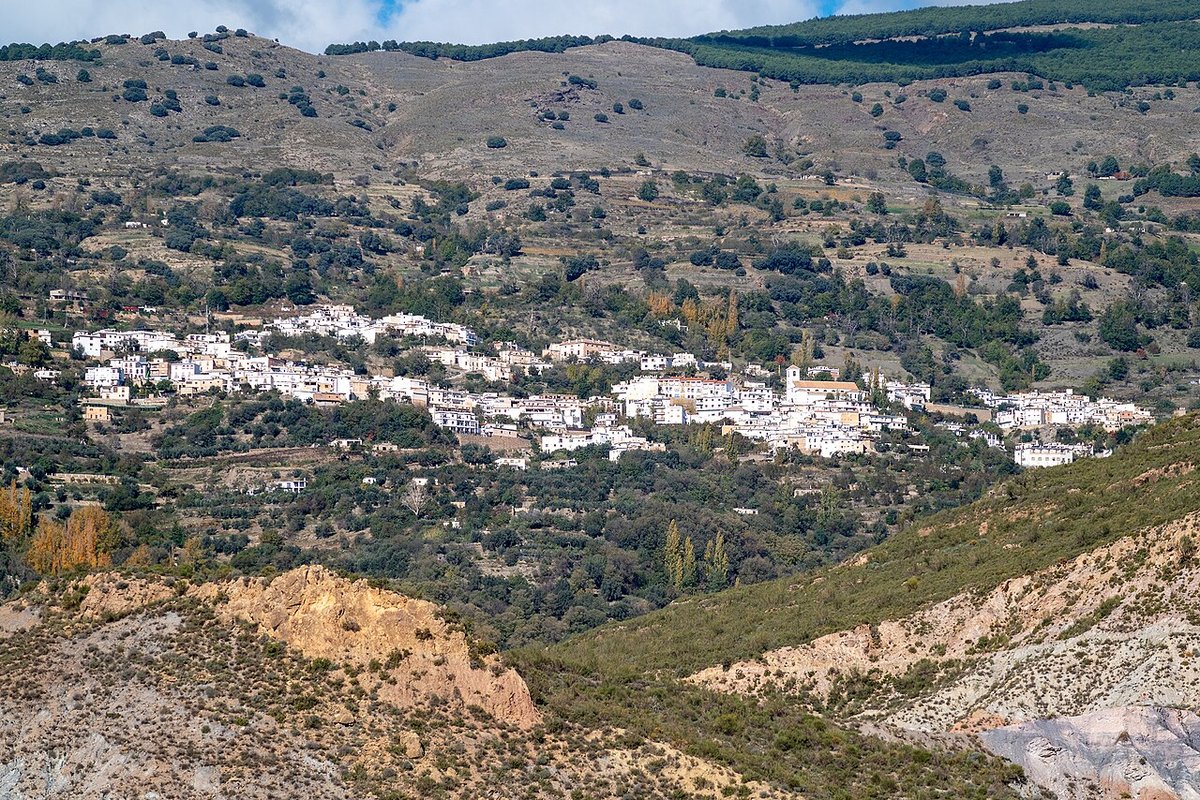
The village sits at over 1,400 metres above sea level, one of the highest settlements on the Iberian Peninsula inhabited all year round. The elevation is more than a statistic. It is there in the thin morning air and in the long winters that shape daily routines. Trevélez unfolds across three neighbourhoods stepped up the hillside, so walking here always means climbing or descending. Comfortable shoes are less a suggestion than a necessity.
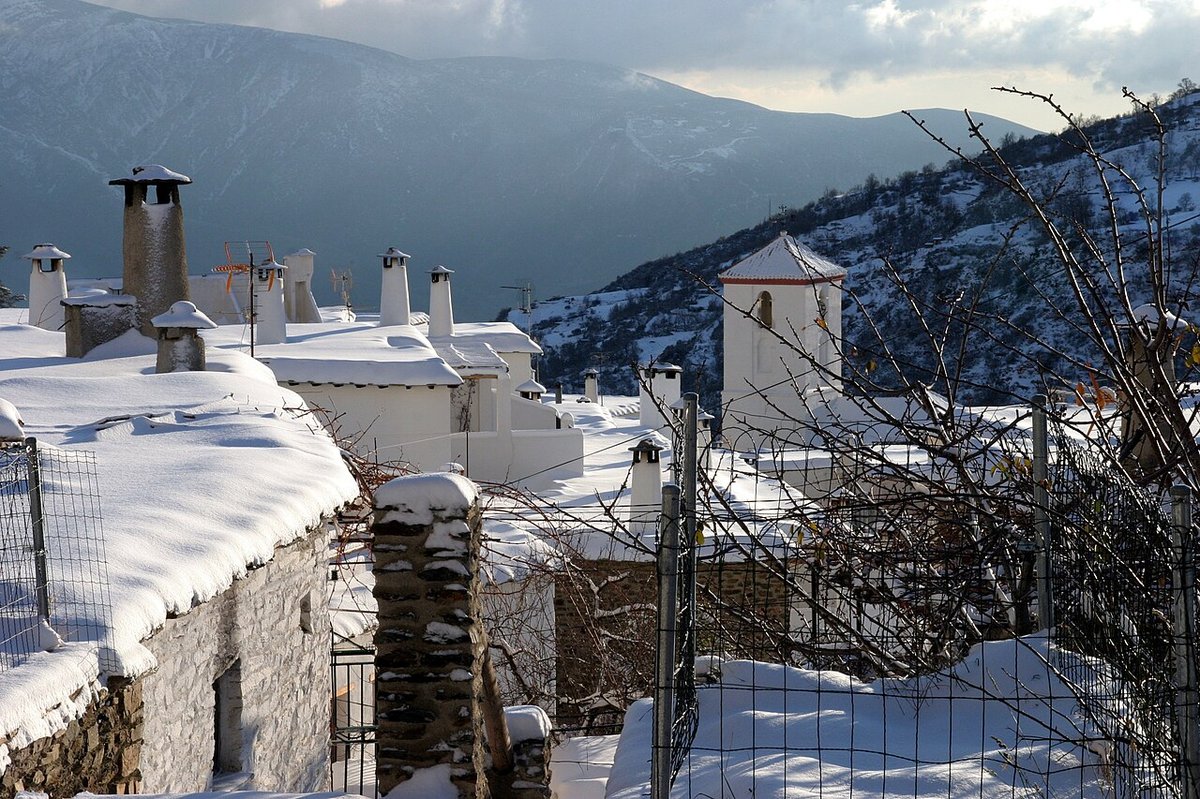
Whitewashed façades, largely plain, define much of the architecture. Conical chimneys rise above the rooftops, especially in the Barrio Alto, where the wind moves more freely. From this upper quarter the valley opens southwards and, on very clear days, the view stretches far, with the peaks of Sierra Nevada cut sharply against the sky. The sense of height is constant, both in the views and in the way the streets tilt underfoot.
Small details reveal how people have lived here for centuries. Tucked into corners are little animal pens, terraces pressed up against houses and wood stores beneath tinaos, the covered galleries that link one home to another. These features speak of small kitchen gardens and animals kept close, of self-sufficiency shaped by mountain conditions rather than by passing trends.
In the middle of the village stands the 16th-century church of San Benito. Its tower, sober in style, shows a clear Mudéjar influence, a reminder of the blending of Christian and Islamic artistic traditions in southern Spain. Inside there is a Baroque altarpiece and an image of the Virgen de las Nieves, a figure closely connected to local devotion. The church is not always open, so anyone keen to step inside may need to try at different times of day.
Neighbourhoods and the Water That Sustains Them
Each of Trevélez’s three barrios has its own feel. The Barrio Alto is often the quietest. In the early afternoon, when sunlight falls sideways across the flat roofs, everyday sounds carry easily: a door closing, a dog barking, logs being stacked for winter. Many terraces hold pots of geraniums, adding colour to the white walls, and piles of firewood ready for the colder months.
Further down, in the central area, the Fuente de los Pilares remains a constant meeting point. The water runs cold even in summer. It is common to see someone filling large bottles or leaning for a moment against the stone edge. Fountains like this are not decorative extras but part of the village’s daily rhythm, places where practical needs and casual conversation meet.
Water has always mattered in the Alpujarra, the wider region to which Trevélez belongs. Old paths around the village cross acequias, traditional irrigation channels, as well as small streams and terraced fields. These channels, introduced centuries ago, continue to guide meltwater from higher ground to plots and gardens below. They are modest in scale but essential to understanding how agriculture has survived at this altitude.
Ham in the Mountain Air
In Trevélez, ham is as much a feature of the landscape as the mountains themselves. The secaderos, or curing houses, are mainly found in the middle and lower neighbourhoods. They are tall, ventilated buildings designed to make the most of the dry air descending from the sierra. Climate is key here. The cold winters and relatively dry conditions create the environment needed to cure jamón slowly.
At certain times of day there is visible activity around these buildings: lorries arriving, pallets being moved, hams covered in salt. This is not a display arranged for visitors but part of everyday work. The production of jamón in Trevélez remains a living industry rather than a staged attraction.
Some facilities organise visits or small tastings at certain times of year, although this is not guaranteed. Anyone interested is best advised to ask locally or check with the tourist office before making plans. The experience, when available, offers a closer look at processes that are usually hidden behind high walls and wooden shutters.
The presence of ham goes beyond the curing houses. Its aroma drifts through the streets, and its reputation draws visitors from across Spain and beyond. Yet in Trevélez it is still rooted in practical knowledge: how to salt, how to hang, how to wait.
Paths Towards Sierra Nevada
Several walking routes begin in Trevélez and lead into the higher reaches of the Alpujarra and up towards Sierra Nevada. One of the best known heads in the direction of Mulhacén, the highest peak on the Iberian Peninsula. This is not a minor outing. The ascent involves significant changes in altitude, and mountain weather can shift quickly. Proper preparation and checking the forecast are essential before setting off.
For those looking for shorter walks, there are gentler options around the village itself. Old routes once linked cortijos, the traditional rural farmsteads, with neighbouring settlements. These paths cross irrigation channels, small streams and terraced fields carved into the slopes. In spring and early summer, some hillsides retain a surprising green, with chestnut trees and meadows where goats graze.
Trevélez also lies on the European long-distance path E4, which passes through the Alpujarra and connects several villages in the region. For walkers planning a multi-day journey, the E4 provides a clear reference line through a landscape that can otherwise feel folded and complex.
The mountain is never far away here. It sets the scale of any walk and determines how quickly conditions can change. Even a short stroll can involve steady climbs and wide views, reminders of how high the village stands.
Food, Fire and Winter Evenings
Local cooking in Trevélez reflects the climate. When the cold tightens its grip, hearty dishes come to the fore: spoon-based stews, cured sausages and sweets made from long-established recipes. Autumn brings roasted chestnuts and freshly gathered walnuts, simple foods that suit the season.
During certain points in the local calendar, food and music spill out into the street. In January, the bonfires of the San Antonio festivities light up the village after dark. Smoke mingles with the cold air descending from the sierra, and flames become gathering points against the winter night. These celebrations are part of the annual cycle that structures life in a place where seasons are felt sharply.
Trevélez moves at a steady, unhurried pace. The mountain dictates much of it: the climate, the work, even how people navigate the steep streets. Time here seems tied to daylight and weather rather than to strict schedules. Those who arrive willing to walk slowly up its slopes and pause in the quiet of the afternoon are more likely to grasp what sets this high village apart.