Full Article
about Ugíjar
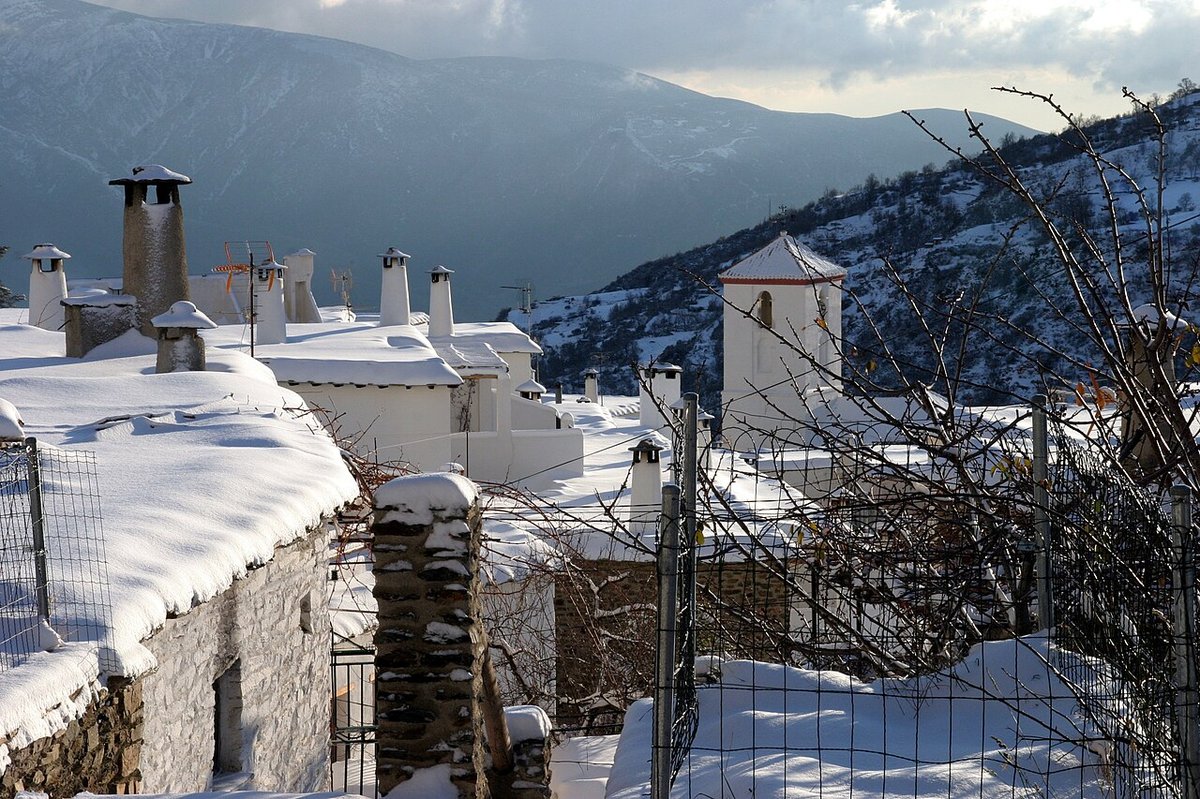
Historic and commercial center of the Eastern Alpujarra; it has an important Marian shrine and museum.
Hide article Read full article
First Impressions in a Living Town
If you are coming to Ugíjar, start with the practical matter of the car. Park at the entrance to the town, near the cemetery, and walk down. The centre is made up of two main streets marked with plenty of yellow lines, and circling around rarely pays off.
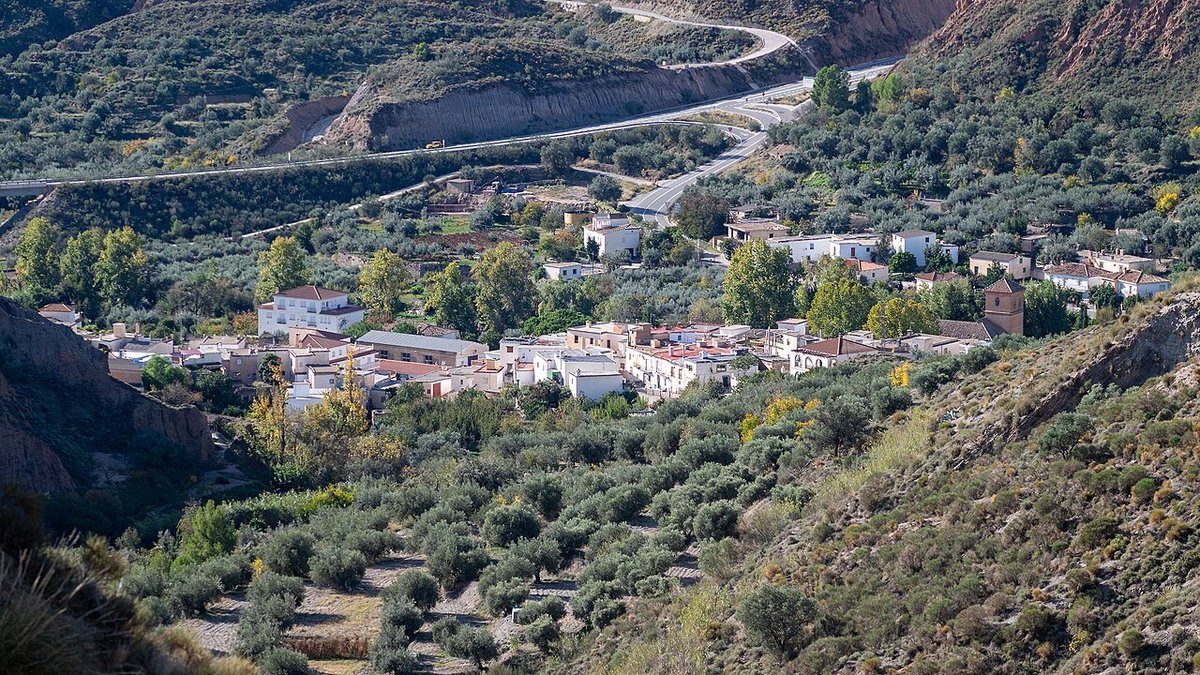
Ugíjar is one of the larger towns in the Alpujarra granadina, with just over two thousand residents. It has a district court, a secondary school and a health centre. This is not a postcard setting created for visitors. It is a place where people live, sort out paperwork and do their shopping.
You come across the Colegiata almost before you think to look for it. It stands on the main square, right next to the town hall. The tower does not face the square but a narrow side street. Enter through the door at the foot of the church. It is usually free to go in, and there is often someone sitting beside a small table with candles.
Inside, the air smells of wax and damp stone. On the right stands the Virgen del Martirio, wearing a green mantle and a fairly simple crown. She is the town’s patron saint. Each August she is taken in procession to the so called Pozo de la Virgen. According to local tradition, she was hidden there during the Morisco rebellion of the sixteenth century, when Muslims who had been forced to convert to Christianity rose up against the Crown.
The Castle That Is No Longer There
Leave Ugíjar along the road towards Trevélez. After a while a turning appears with an old sign reading “Castillejo”. Park without blocking the way and continue on foot.
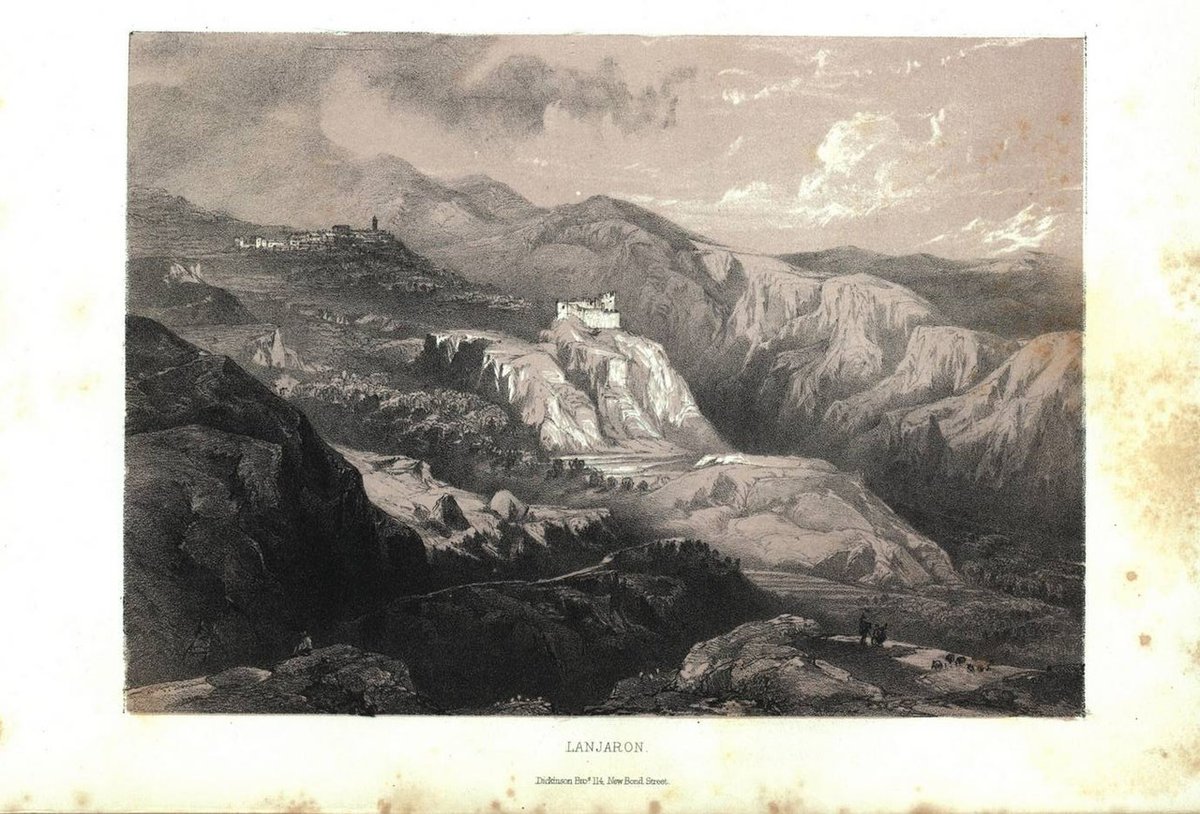
The path begins as concrete and then becomes a dirt track. In about twenty minutes you reach the top. Very little remains of the castle of Escariantes, just fragments of wall and little else. The real reward is the view over Ugíjar and the surrounding valley.
Some chronicles mention this hill as the place where Ibn Hud declared himself in rebellion against Almohad rule at the start of the thirteenth century. Today there is a wooden bench and a litter bin. The hilltop feels more like a viewpoint than a historic site.
The Ruta de los Mártires starts behind the sports centre. It runs for around five kilometres along the slopes near the town. Along the way you pass wooden crosses bearing names linked to the so called martyrs of the Morisco rebellion. The route is signposted, although in certain stretches it cuts through olive groves.
Take water. In summer there is very little shade and the ground reflects the heat.
Eating at the Town’s Pace
At midday Ugíjar slows down. A few bars on the square stay open, and that is about it.
Ask around and you will likely hear about migas, a traditional dish made from breadcrumbs or flour fried with olive oil. Here they are usually served with longaniza sausage and local peppers. Sweet gachas tend to appear during festivals or family gatherings. They are made with flour, aniseed and cinnamon.
In winter, puchero with fennel and chickpeas is common. Choto al ajillo, kid goat cooked with garlic, also turns up in some kitchens, sometimes only on certain days or when there are enough diners.
It is worth asking before sitting down. Not everything is prepared every day, and menus can depend on what is available and how busy the place happens to be.
Stories That Circulate
One story says that Boabdil, the last Nasrid ruler of Granada, spent a period in Ugíjar after losing the city in 1492. He is sometimes referred to locally as “señor de la Alpujarra”. Of the supposed house where he lived, almost nothing remains. There is only a plaque on a street in the centre.
Another tale claims that Ulysses founded the town. This is not unique to Ugíjar. Much of the Mediterranean coast makes similar claims.
More tangible traces come from Roman times. It seems clearer that the Romans exploited minerals in the nearby hills. In the area there are scattered remains of old water channels and mining works.
Festivals shape the calendar. In January, San Sebastián is celebrated with a bonfire in the square. In September come the fiestas of Santa Rosa, when the square fills with temporary stalls and music. On Sundays there is a market: two rows of stands selling clothes, fruit and whatever happens to arrive that week.
When to Go and How to Round It Off
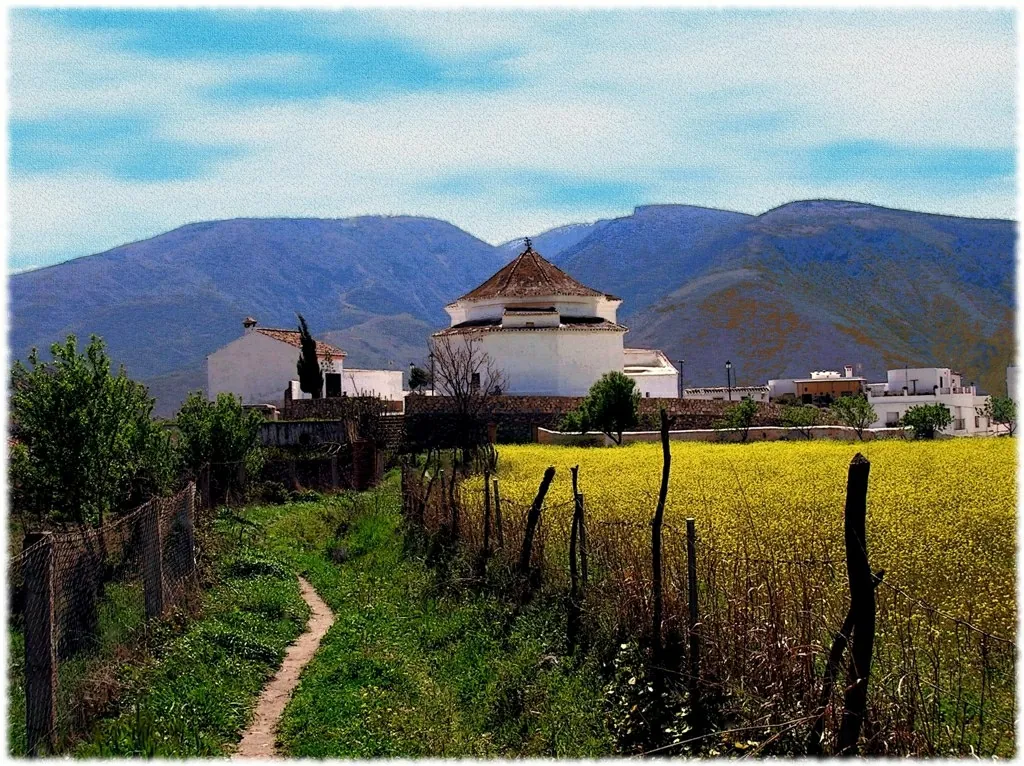
Spring works well. Almond trees flower early, and for a few weeks the slopes around the town turn green.
Summer brings intense heat and limited shade. The River Andarax, which passes through this area, usually carries very little water at that time of year. Autumn coincides with the grape harvest, and sometimes the smell of must drifts through certain streets.
Ugíjar can be explored in an unhurried afternoon.
Before leaving, walk up to the ermita de San Antón, above the cemetery. Several large trees provide shade and there are wide views over the valley. It is a quiet spot to sit for a while and bring the visit to a close.