Full Article
about Válor
Hometown of Aben Humeya and setting of the Morisco rebellion; a charming village with the Puente de la Tableta.
Hide article Read full article
A village that carries on as it is
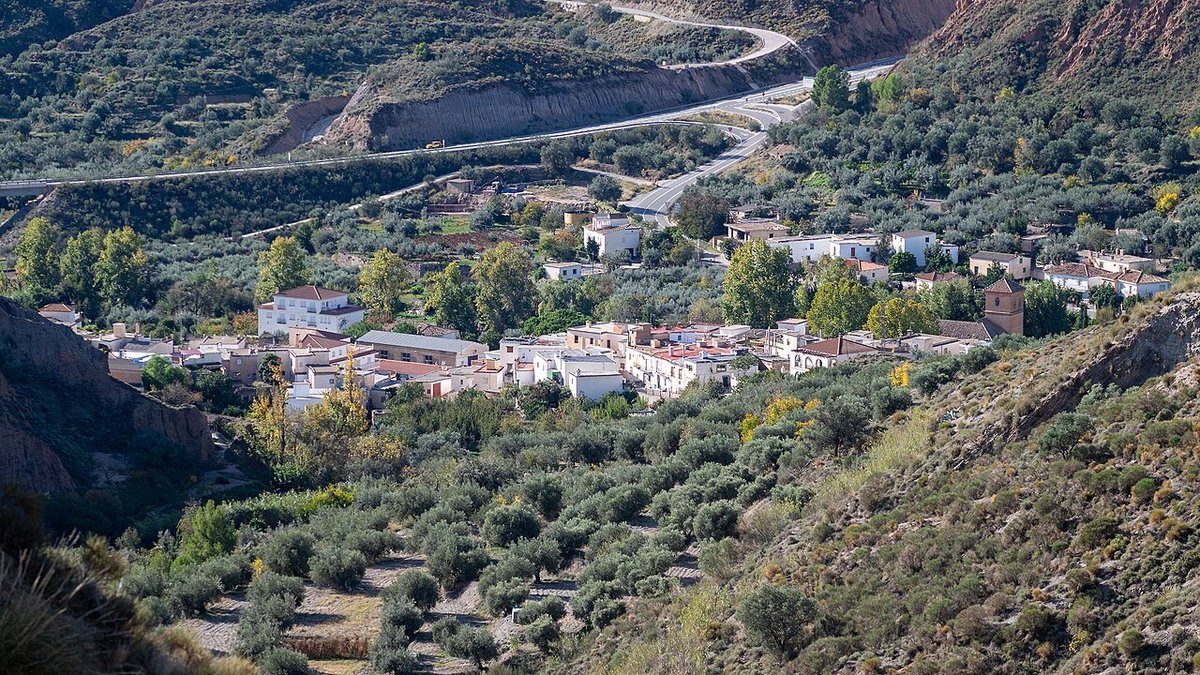
Some places seem designed for a postcard. Others simply carry on being a place to live. Tourism in Válor sits firmly in the second category. You arrive, park wherever there is space, hear water moving along an irrigation channel, and realise the quiet here is not staged. It comes from a slower pace of life. Just over six hundred people live on these slopes of Sierra Nevada, and there is a sense that many things still run much as they always have.
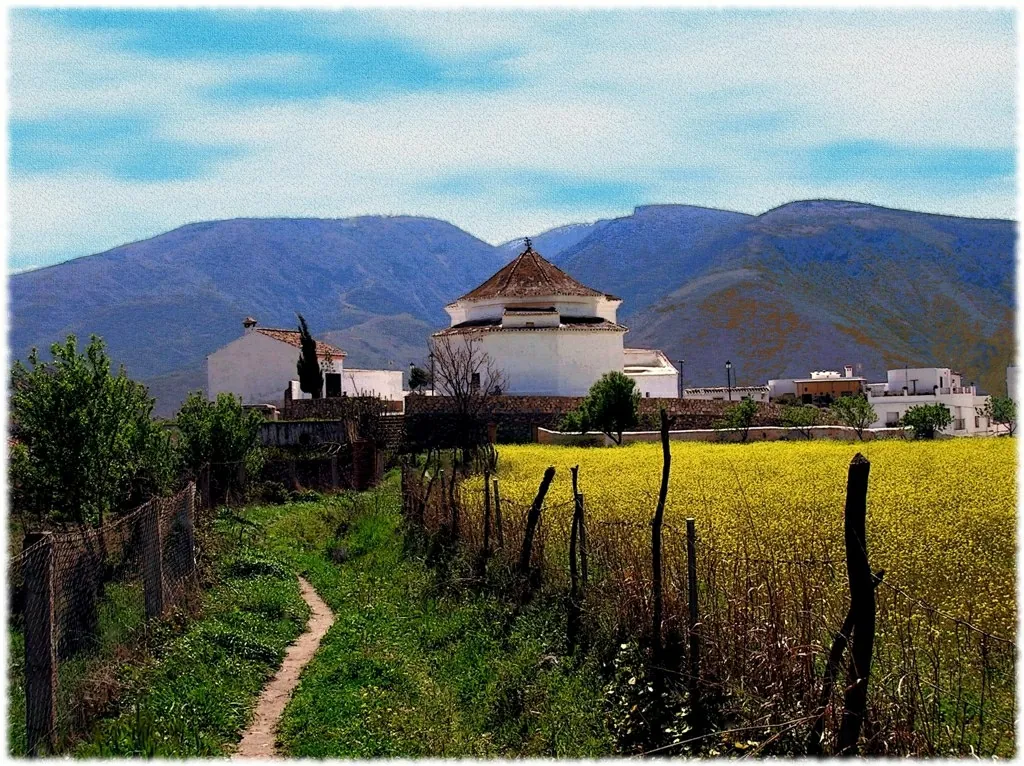
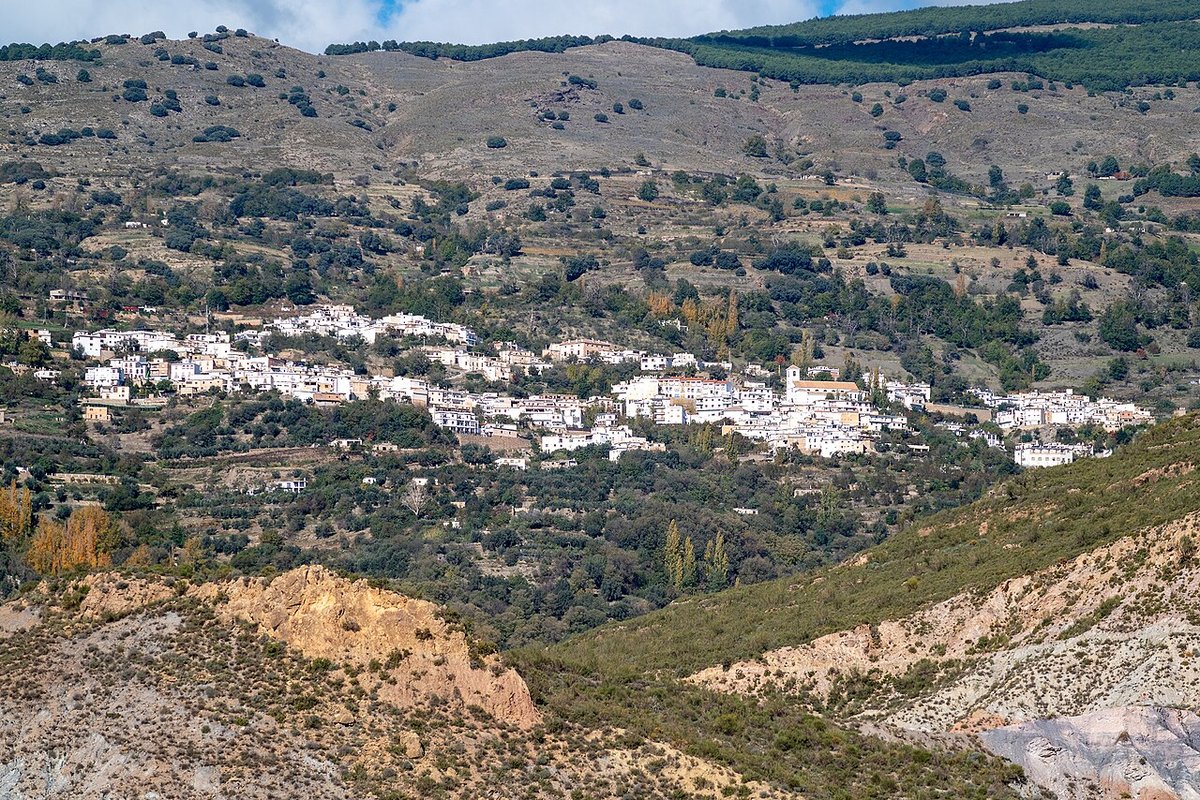
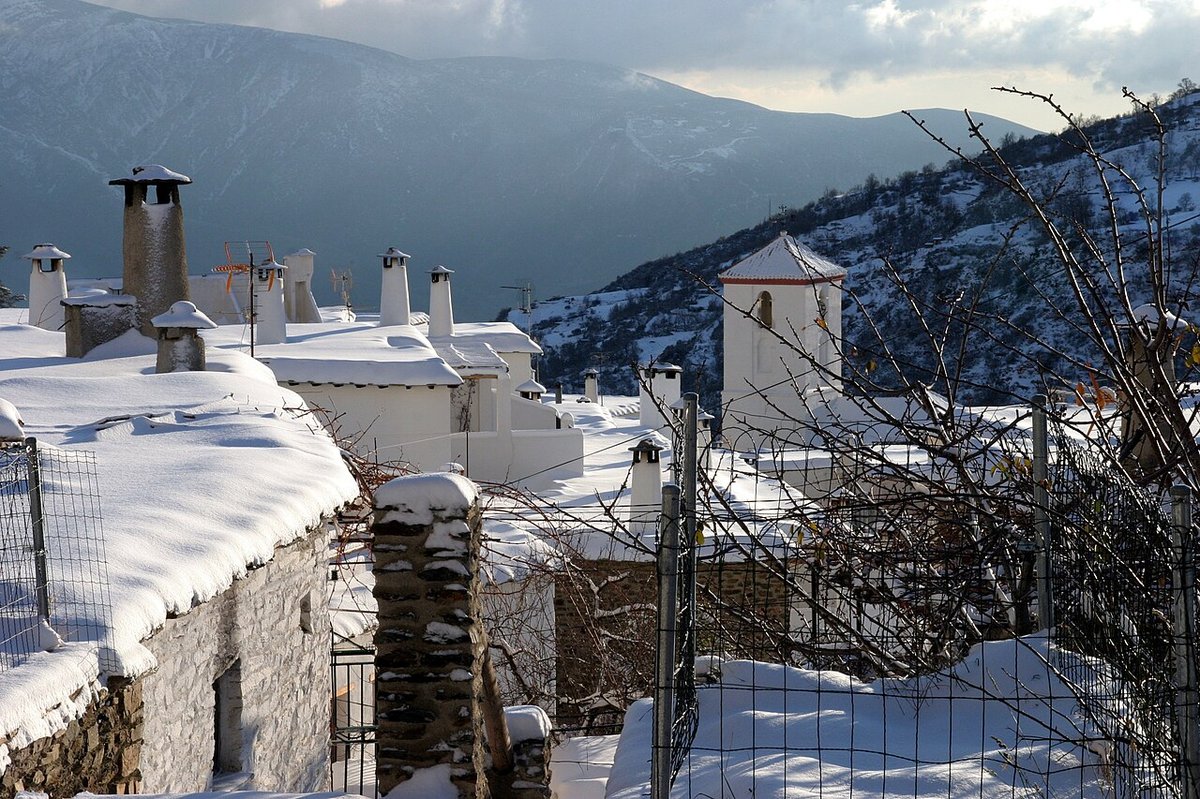
Válor looks like a typical Alpujarra village, though without the polished feel of more visited spots. White houses climb the hillside, flat roofs stack against each other, and the distinctive Alpujarran chimneys give the skyline an unusual silhouette. Walking through the streets feels like stepping into an older layout that never adapted to modern planning. Narrow alleys, steep inclines that make you pause, and corners that suddenly open towards the valley shape the experience.
Tracing history through the streets
The village’s past is closely tied to the Morisco history of the region and what followed afterwards. The Iglesia de la Encarnación is usually dated to the 16th century and stands on the site of a former mosque, something fairly common across the Alpujarra. From the outside it appears restrained, almost understated. Inside, the wooden coffered ceiling and Mudejar details stand out more clearly if you take the time to look.
The historic centre still preserves much of that legacy. Streets remain tight and irregular, houses feature wooden balconies, and interior courtyards are mostly hidden from view. It is the kind of place where wandering without a plan makes more sense than ticking off landmarks.
From different corners of the village, the landscape opens out towards the valley of the Válor river and, on clear days, towards the peaks of Sierra Nevada. There are no formal viewpoints or panoramic railings. Sometimes a bend in the road or a small gap between buildings is enough to watch how the light shifts across the slopes.
Around the village, terraced fields spread across the hillsides. Some are still cultivated, others have been partly left behind. Holm oaks, pine trees and chestnut trees grow among paths that have been used for decades, perhaps centuries, to reach orchards and rural houses. There are no frequent signposts or themed routes. These are simple tracks of earth and stone, shaped by long use rather than design.
A day shaped by the surroundings
Válor works well as a starting point for a walk in the surrounding area. Paths link it with other villages in the Alpujarra, while others climb towards old cortijos, the rural farmhouses scattered across the hills. If you pay attention, you can still spot acequias, the narrow water channels that have made farming possible in a landscape that does not make it easy.
Food here follows the same mountain logic: filling dishes built on local produce. Chestnuts and walnuts appear alongside olive oil and seasonal vegetables. Local cured meats are part of everyday cooking. Dishes such as gazpacho alpujarreño, migas, or choto al ajillo are not trying to reinvent anything. They reflect a way of cooking that aims to satisfy hunger and keep the day going.
Small workshops and traditional trades can still be found in the village from time to time. They do not always have fixed hours or visible signs. Things tend to work through direct contact and local connections between neighbours. Look up while walking and it is not unusual to see a bird of prey riding the air currents above the valley.
Traditions that follow the calendar
Local festivals remain closely tied to religious traditions and community life. In August, celebrations usually take place around the Virgen de la Cabeza, with simple processions and popular music. September brings the festivities dedicated to the Encarnación, where religious elements mix with gatherings among neighbours and long shared tables.
During Christmas and Epiphany, the atmosphere becomes more domestic than public. Families gather, carols are sung without much staging, and the streets stay quiet.
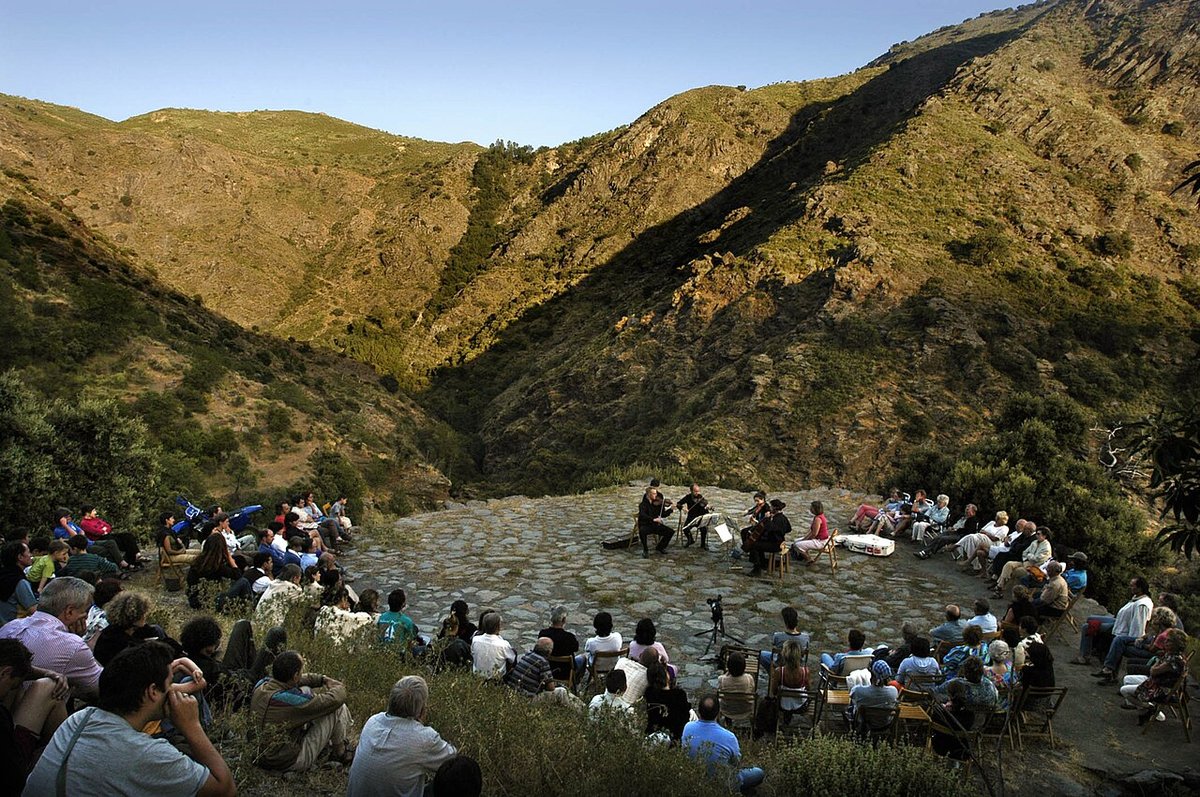
This is not a place that organises large events to draw crowds from elsewhere. The rhythm of the year follows seasons and customs rather than a tourist calendar.
Reaching Válor
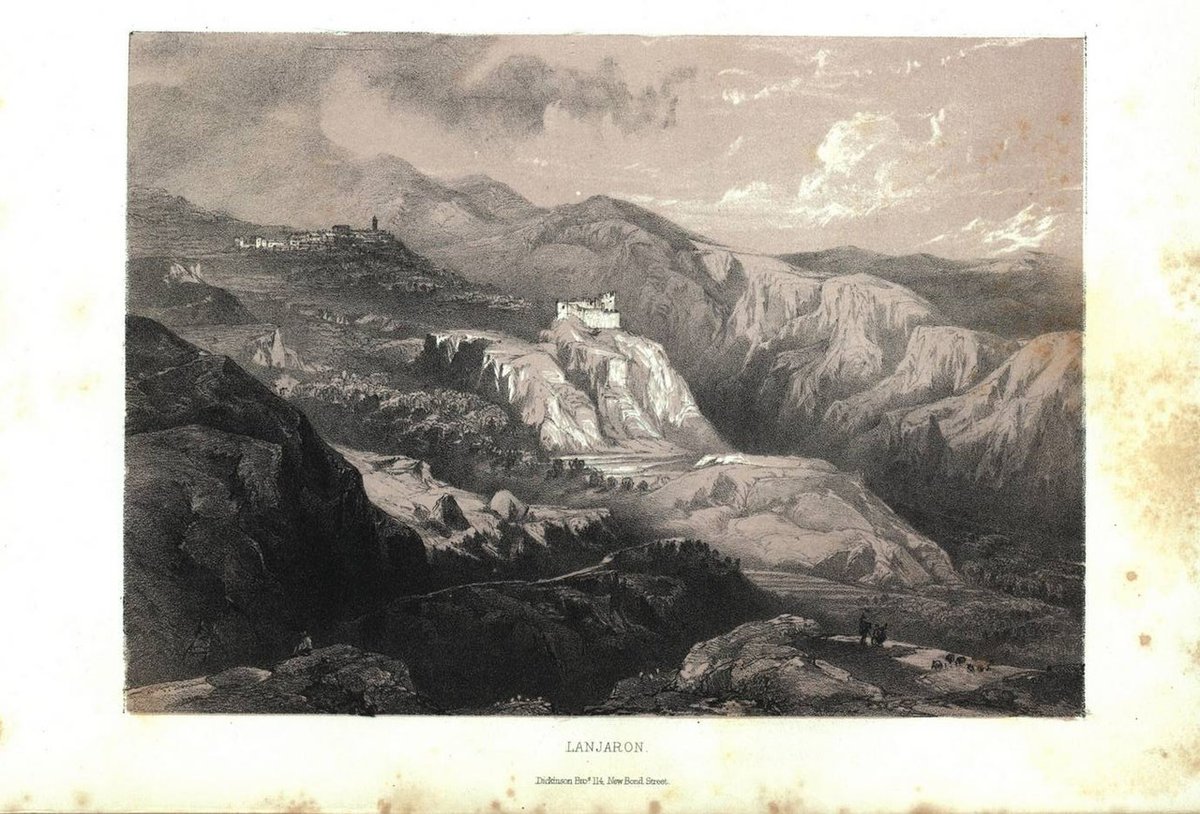
From Granada, the usual route heads down the A-44 towards the coast as far as the Lanjarón area, then continues along the A-348, which crosses much of the Alpujarra. The journey covers around 80 kilometres and generally takes a little over an hour. The final stretch takes on the character of a mountain road, with curves and changes in gradient.
Driving here feels like following a road that was shaped to fit the land rather than cut through it. The pace slows, the views widen, and before long Válor appears among hills and terraces.
That is more or less what to expect: a village that does not try to impress. If you arrive looking for spectacle, it may feel small. If you arrive with curiosity, it is easy to stay longer than planned.