Full Article
about Cañete de las Torres
A Córdoba countryside town with a medieval castle built into its center, known for its flower festival that fills the streets each spring.
Hide article Read full article
An Olive Landscape and an Ancient Hill
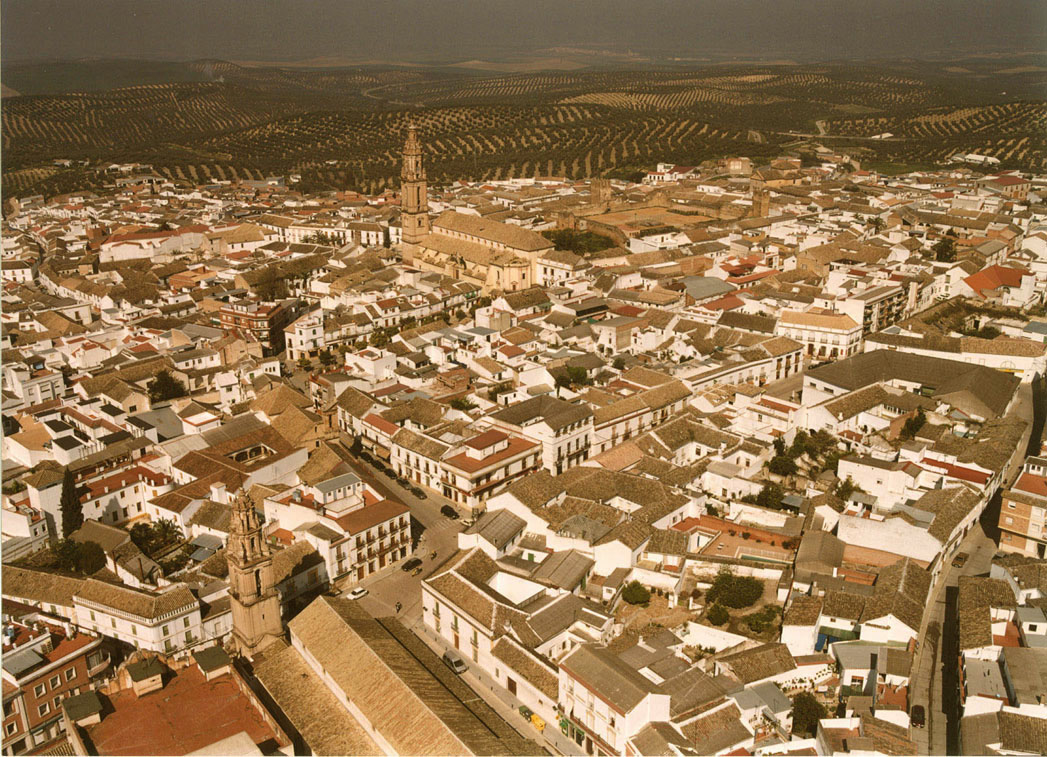
Olive trees dominate the view when approaching Cañete de las Torres from the A‑4 motorway. Before reaching the town itself, a turning leads towards Torreparedones. Across fields of cereal and olive groves rises a hill that once held a Roman city, later occupied during the Andalusí period of Islamic rule in the Iberian Peninsula.
During the 19th century, remains began to appear by chance. Farmers turning the soil would come across worked stones, fragments of pottery or coins. Over time, the site was recognised for its importance and eventually became an archaeological park. Today, Torreparedones is one of the most significant archaeological sites in the countryside of Córdoba province, though it remains relatively little known beyond the local area.
The wider landscape helps explain why people settled here so early. The countryside stretches towards the valley of the Guadalquivir, a river that has shaped much of southern Spain’s history. Even now, agriculture defines the rhythm of life, and the olive continues to set the tone.
The Castle Hill
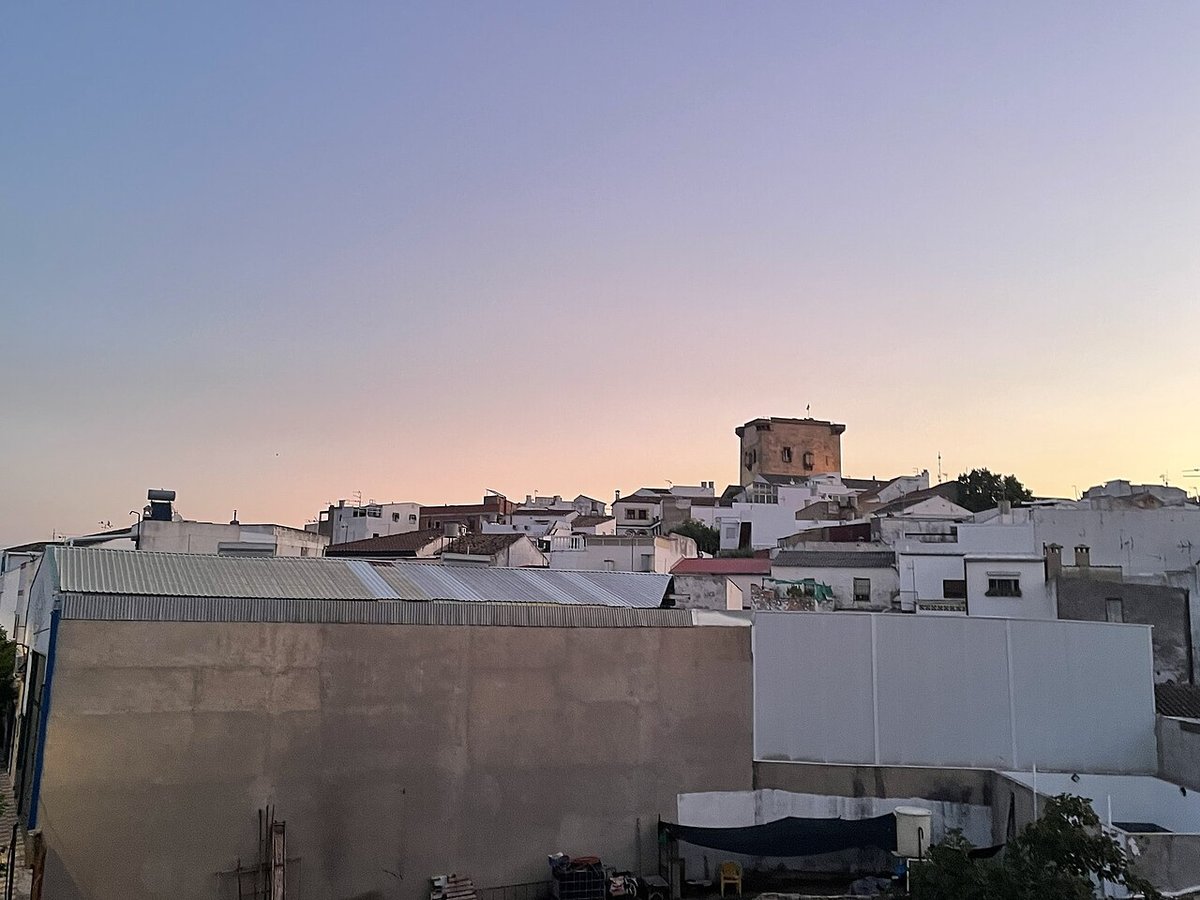
The name Cañete comes from the fortress that crowns the hill above the town. Its origins are usually placed in the Islamic period, probably between the 10th and 11th centuries, although much of what survives today reflects later alterations made after the Castilian conquest.
The main tower is a solid, imposing structure that still defines the town’s skyline. From the top, the reasons for choosing this spot become clear. The view opens out across the countryside surrounding the Guadalquivir valley and the routes that once connected Córdoba with the eastern part of the province. In the Late Middle Ages, this was frontier territory, and the castle served as a watchpoint in a contested landscape.
As the centuries passed, the fortress lost its military role. Like many strongholds in the Córdoba countryside, parts of it were dismantled and reused in other buildings within the town. Even so, the hilltop complex remains the most visible landmark in Cañete, a reminder of its strategic past.
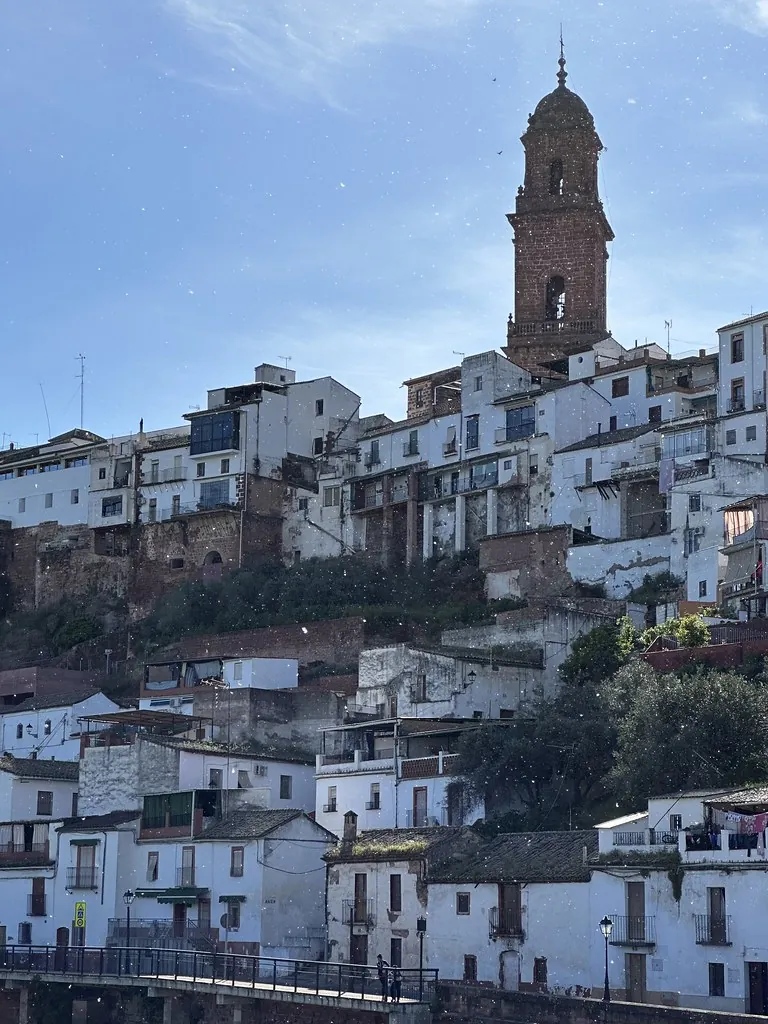
The streets below climb steadily towards the hill. Whitewashed houses and large doorways line the sloping lanes, typical of towns in this part of Andalusia. The layout reflects gradual growth around the fortified height, with everyday life unfolding beneath the old walls.
Nuestra Señora de la Asunción
On the main square stands the parish church of Nuestra Señora de la Asunción. The present building largely dates from alterations carried out in the 17th and 18th centuries, although certain features point to earlier origins. The brick bell tower preserves elements reminiscent of the Mudéjar tradition, a style shaped by Islamic artistic influence under Christian rule.
Inside, the decoration follows the Baroque language common in this area of Córdoba. The gilded main altarpiece draws the eye, with its Solomonic columns and rich ornamentation. The emphasis is devotional rather than monumental, designed to inspire religious feeling rather than architectural grandeur.
Near the entrance stands an old baptismal font, probably medieval. Its carving is simple, yet it offers tangible evidence of an earlier church on the same site. Details such as this connect the present building to layers of worship that stretch back centuries.
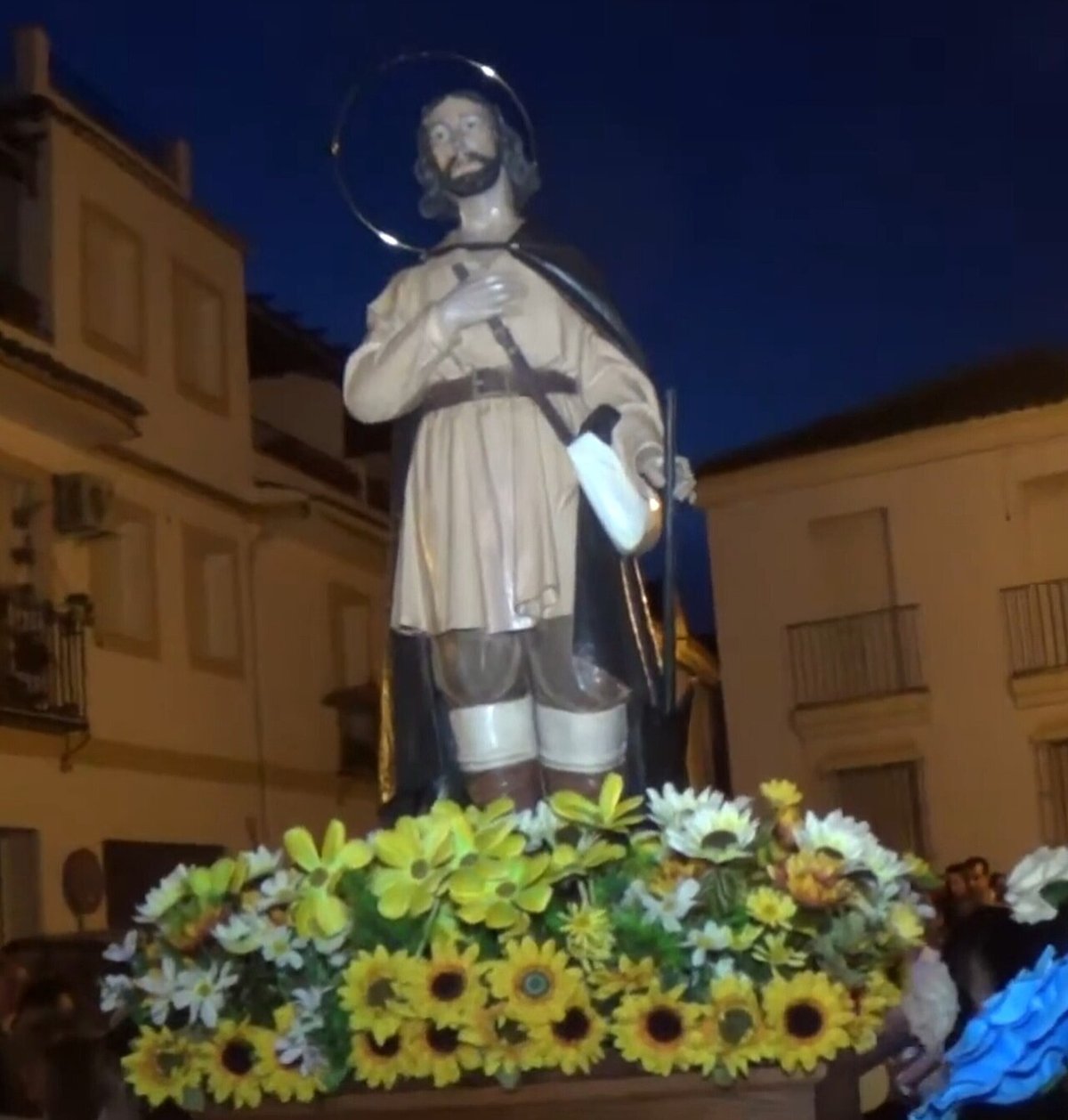
The parish is closely linked to one of the most important events in the local calendar, the celebration dedicated to the Virgen del Campo. Traditionally held at the beginning of September, this festivity brings together religious devotion and community gathering, reflecting the agricultural roots of the town.
A Small Museum with a Long Story
Since the 1980s, Cañete de las Torres has brought together many of the archaeological finds discovered within its municipal boundaries. These are housed in the Museo Histórico Municipal, located in a 19th‑century manor house.
The collection spans Roman pieces, Andalusí ceramics and prehistoric materials. Among them stands out a small bronze tablet bearing a Latin inscription. It is a legal document known as a pact of hospitium, a formal agreement between communities in Roman times. Such texts were used to establish alliances of hospitality and trade between cities, setting out mutual rights and obligations.
The museum is modest in scale, yet it provides essential context. Long before the present town existed, this area was already inhabited and connected to wider networks of exchange. The artefacts on display trace that continuity across different periods, from prehistory to Rome and into the Islamic era.
La Cueva del Yeso
Several kilometres from the town centre, among olive groves and agricultural tracks, lies the Cueva del Yeso. This cave was formed in gypsum rock by the action of underground water, a relatively uncommon phenomenon in the Guadalquivir valley.
Inside runs a small watercourse, and the cave is home to a protected colony of bats. For conservation reasons, access is restricted and the entrance is closed off with a gate. From outside, it is possible to see the mouth of the cavity and the stream that feeds it.
At dusk, when the bats emerge to feed, the area becomes more active. The setting remains rural and quiet, shaped by the same agricultural landscape that defines the rest of the municipality.
Practical Orientation
Cañete de las Torres is located in the comarca of Alto Guadalquivir, to the east of the city of Córdoba, with easy access from the A‑4 motorway. The town can be explored on foot without difficulty. Streets slope upwards towards the castle hill, following a layout typical of the Córdoba countryside, with whitewashed façades and large gateways.
Local cooking revolves around olive oil and traditional dishes from the area. During certain festivals and neighbourhood gatherings, recipes closely tied to the agricultural calendar still appear. Migas, made from fried breadcrumbs, and salads of salt cod and potato are among the preparations associated with these occasions.
In the space of a day it is possible to visit the castle, the parish church, the municipal museum and make a detour to Torreparedones. Beyond that, time in Cañete tends to pass at the unhurried pace of the surrounding countryside, where history and agriculture remain closely intertwined.