Full Article
about El Carpio
Historic town dominated by the Torre de Garci Méndez, tied to hydroelectric power and rich in industrial and monumental heritage along the river.
Hide article Read full article
A tower before a town
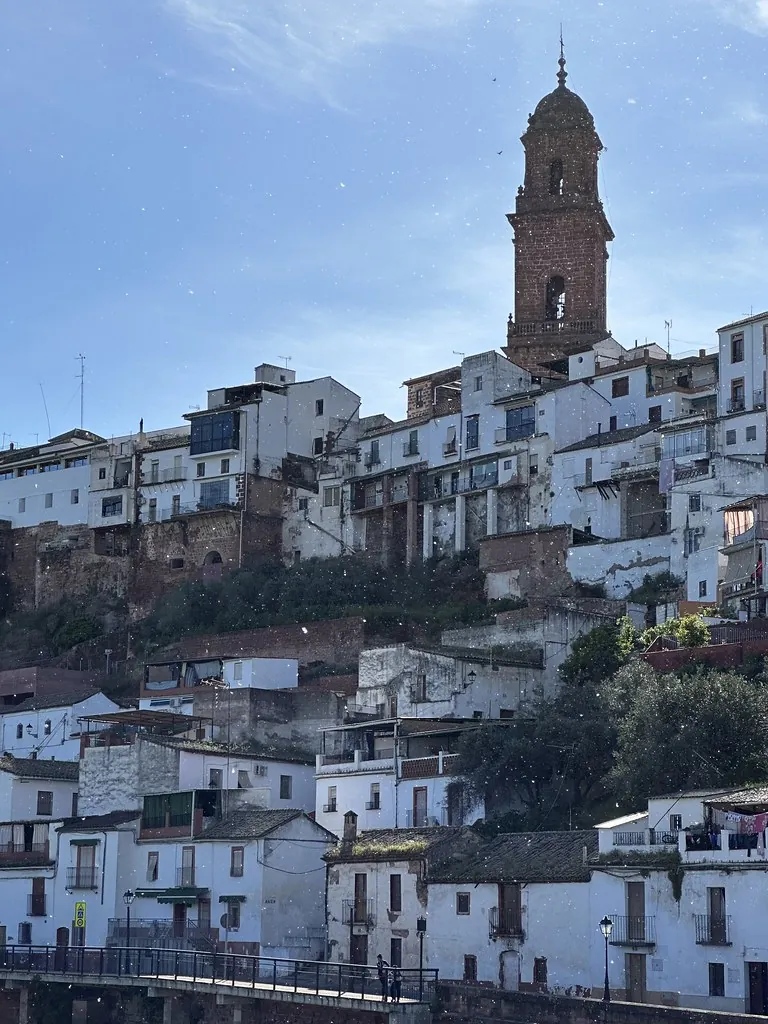
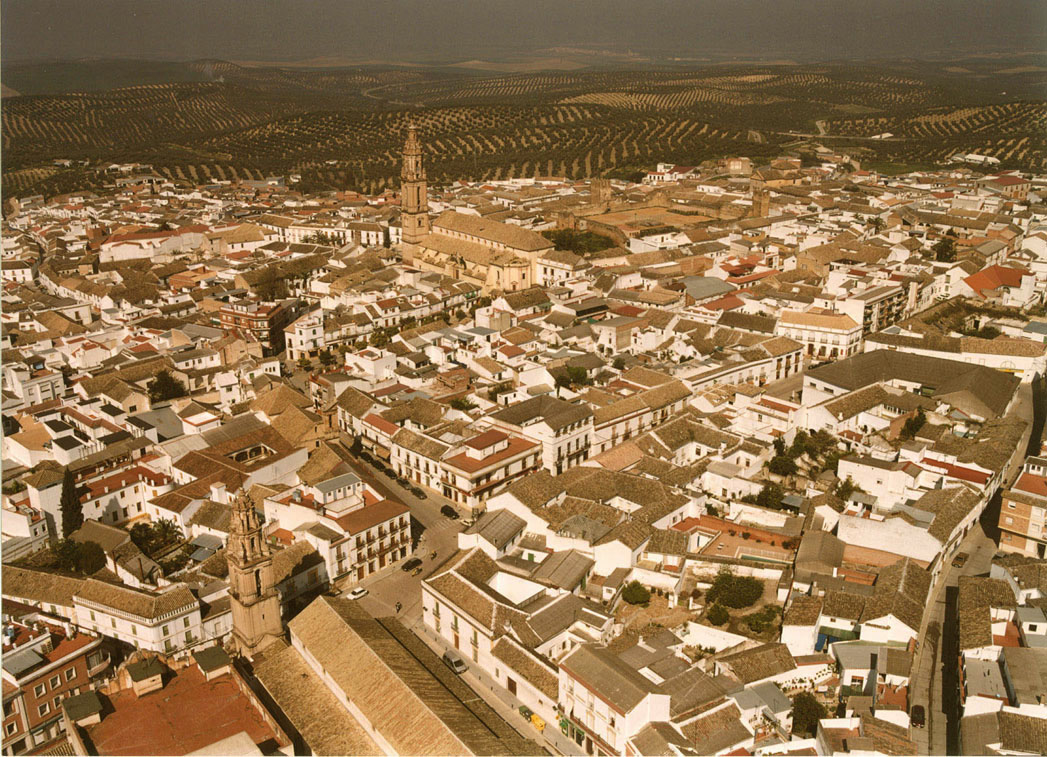
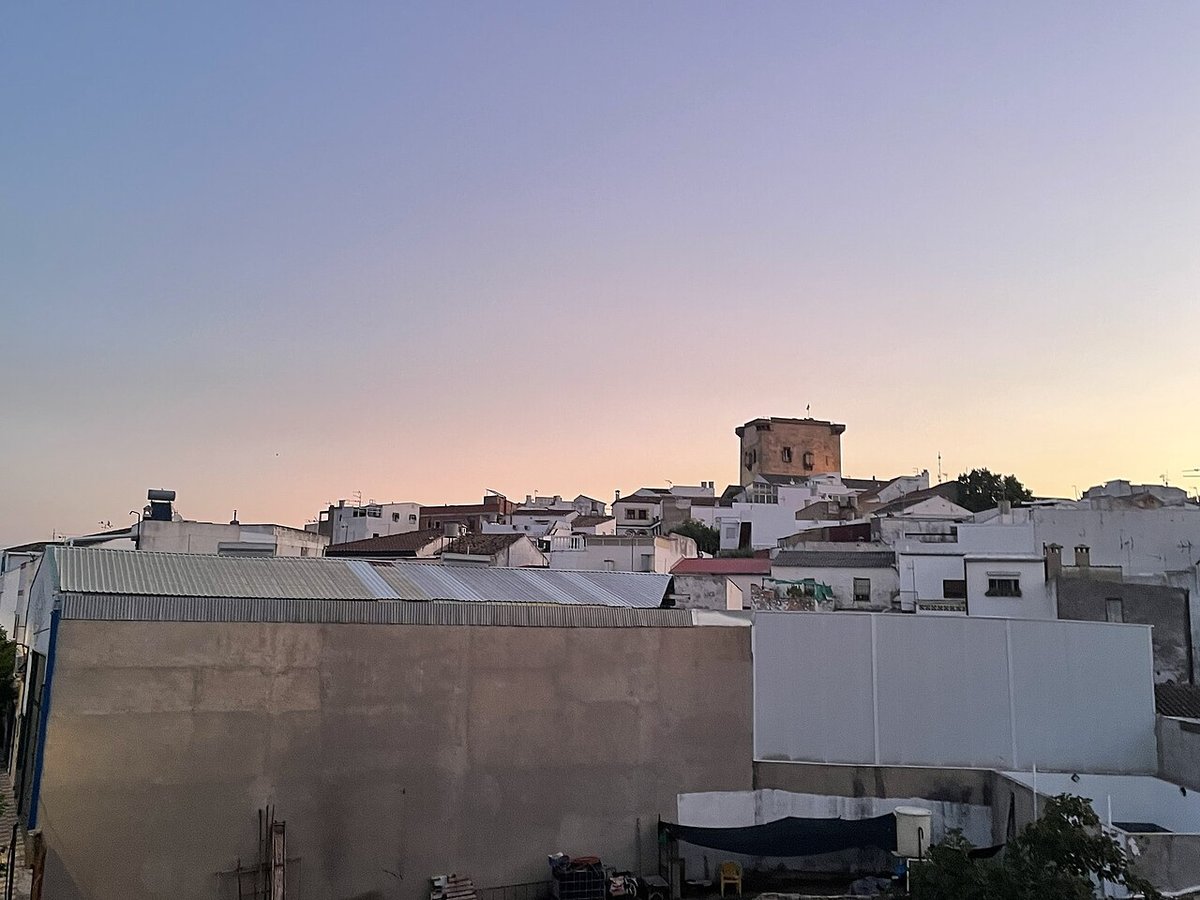
The tower appears before the town itself. On the road from Córdoba, the outline of the Torre de Garci Méndez rises above the flat countryside of the Alto Guadalquivir. Built in the Late Middle Ages, it explains much of why El Carpio exists at all. The site controlled one of the river crossings and, with it, the movement of goods between Córdoba and the eastern farmland. Around that strategic point, a settlement gradually took shape. Today it has just over four thousand residents.
This was no arbitrary foundation. The tower formed part of a defensive and fiscal system across the valley. Watching the river also meant charging for crossing it. For centuries, daily life here remained tied to that elevated position overlooking the cluster of houses below.
From lordship to marquisate
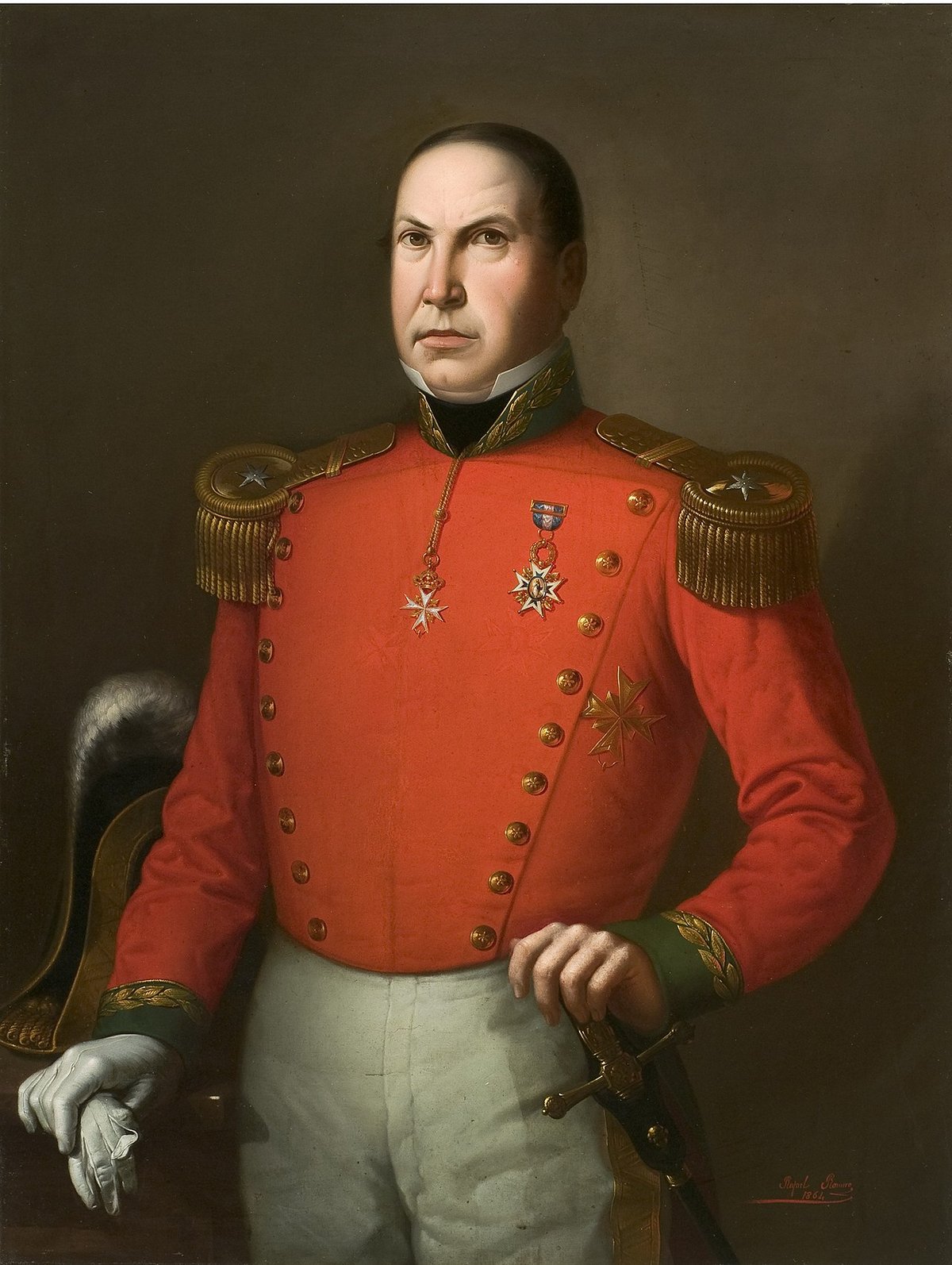
Local history is closely linked to the Sotomayor family. The lordship of El Carpio was raised to a marquisate in the 16th century, within the Habsburg monarchy’s policy of granting noble titles. From that point, the town functioned as the centre of a small seigneurial domain in the Alto Guadalquivir.
Older sources mention a large palace built by the marquises near the tower. Very little of that building survives today. Contemporary chroniclers described it with clear enthusiasm and referred to important painting collections. Surviving inventories list well-known artists from the European Baroque. As happened with many noble houses, much of that heritage was dispersed during the 19th century.
The iglesia de San Miguel dates from the 16th century, probably on the site of an earlier religious space. The current building reflects later alterations with a Baroque feel. Beneath it, older structures remain, used for a long time as burial places for the noble family. The complex is less about spectacle and more about reading the different phases of the town: its medieval origins, the period of noble control and the changes introduced in later centuries.
The Guadalquivir by the town
The Guadalquivir runs close to the built-up area and shapes much of the surrounding landscape. Here the river is already broad and slow, far removed from the narrower stretches that descend through the mountains of Jaén.
At the start of the 20th century, a hydroelectric plant was built here alongside a dam. The industrial building, in brick with restrained proportions, still forms part of the riverside scene. It is not the sort of architecture that usually features in postcards, yet it helps explain how modern infrastructure entered a valley that remained largely agricultural.
Lines of poplars grow along the banks, with riverside areas where locals head in summer to cool off. Facilities are limited. This is a stretch of river used informally, with notices warning about currents and changes in water level.
The same setting also recalls an episode from the Peninsular War in the early 19th century, when Spanish and French troops clashed at crossing points of the Guadalquivir near the town. Local accounts place one such skirmish here, tied to control of the ford.
A cuisine shaped by the matanza
Food in El Carpio follows the traditions of the Córdoba countryside. It relies heavily on produce from the matanza, the seasonal pig slaughter that historically supplied preserved meat for the year, along with pulses and dishes suited to winter.
The morcilla carpeña is the item most often associated with the town. It is made with blood, fat and onion, then stuffed and cured so it keeps for long periods. During the centuries when people emigrated to the Americas, it was common for those leaving to take cured meats from home, precisely because they travelled well.
At home, spoon dishes still appear where morcilla is fried or added to bean stews. The cooking is direct and shows few changes from what was prepared decades ago.
Festivals and special dates bring out sweets that are familiar across the province. Pestiños, fried in lard or oil, are typical, as are flores made using an iron mould, and torrijas during Semana Santa. Many of these recipes continue to pass through families and religious brotherhoods rather than formal kitchens.
Walking through El Carpio
El Carpio can be explored at an easy pace in a short time. A natural starting point is the plaza de España, where the town hall stands alongside several houses with noble coats of arms on their façades. From there, a slope leads up towards the tower.
The Torre de Garci Méndez offers the clearest sense of the town’s strategic position. From the top, the Guadalquivir valley and a wide stretch of surrounding farmland come into view. It is best to check locally for visiting conditions, as it is not always open.
A walk can then continue down Calle Real towards the river. From the area around the dam, the long relationship between the town and the Guadalquivir becomes easier to understand, shaped by control of crossings, by agriculture and by later interventions such as the hydroelectric plant.