Montoro - Flickr
sergei.gussev · Flickr 4
Andalucía · Passion & Soul

Montoro

The morning sun catches the white façades first, bouncing off walls that have seen Romans, Moors and Christian kings come and go. From the A-4 moto...

9,004 inhabitants · INE 2025
195m Altitude

Why Visit

Mountain Bridge of the Donadas Walk along the meander

Best Time to Visit

spring

Fair in honor of the Virgen del Rosario (October) octubre

Things to See & Do
in Montoro

Heritage

  • Bridge of the Donadas
  • Church of San Bartolomé
  • Olive Oil Museum

Activities

  • Walk along the meander
  • tour of the historic centre
  • hiking in the Sierra

Festivals
& & Traditions

Fecha octubre

Feria en honor a la Virgen del Rosario (octubre), Semana Santa (marzo-abril)

Las fiestas locales son el momento perfecto para vivir la autenticidad de Montoro.

Full Article
about Montoro

Historic-Artistic Site of great beauty set in a Guadalquivir meander, with steep streets and houses of red sandstone.

Ocultar artículo Leer artículo completo

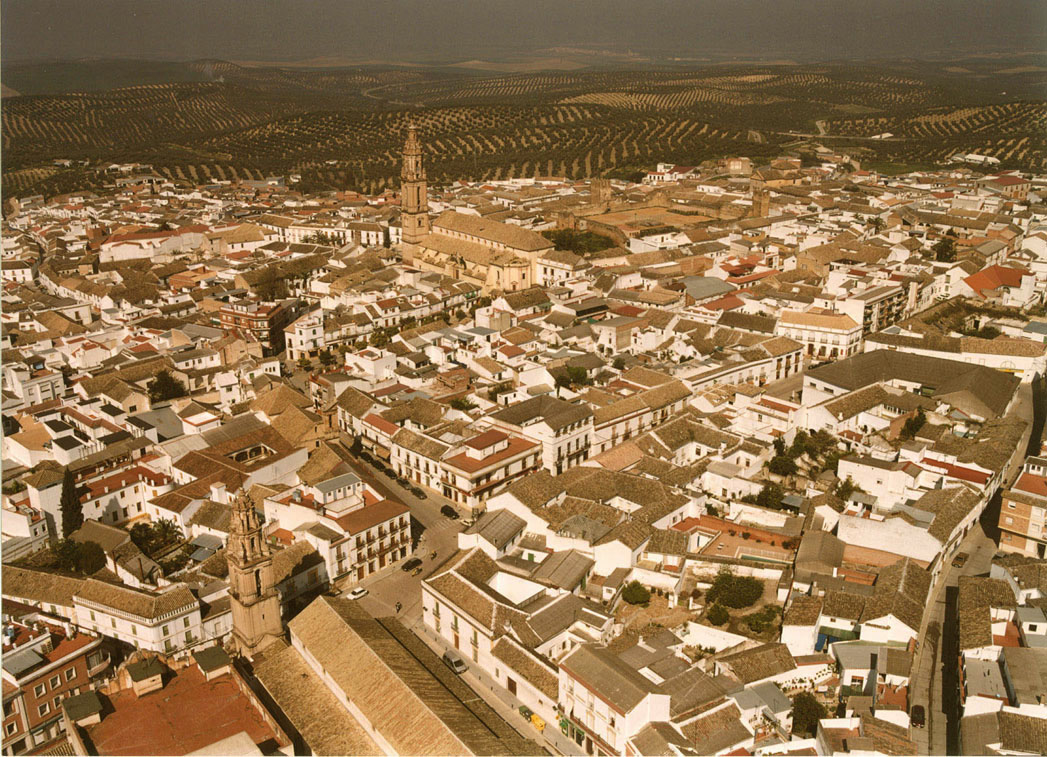
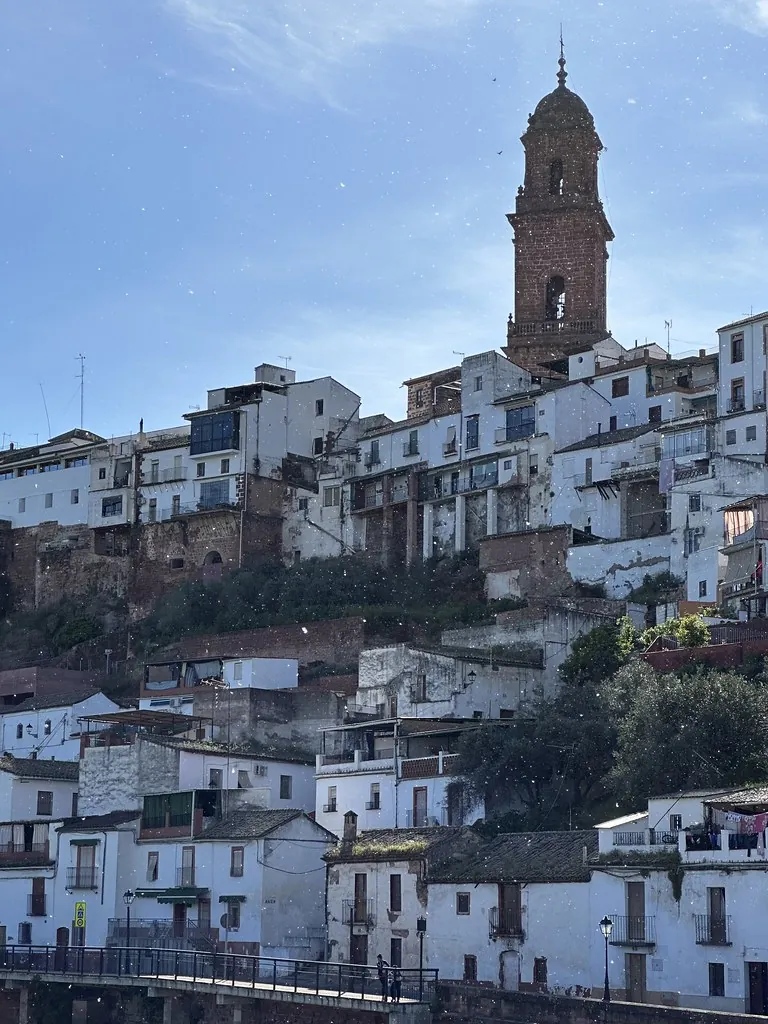
The morning sun catches the white façades first, bouncing off walls that have seen Romans, Moors and Christian kings come and go. From the A-4 motorway, 45 kilometres east of Córdoba, Montoro appears as a jagged silhouette against the olive-covered hills – not dramatic, not picture-postcard, just unmistakably there.

This is a working town of 9,125 souls where tourism feels incidental rather than essential. The stone streets still carry the daily traffic of delivery vans, schoolchildren and grandparents heading for the 10 o'clock coffee. Nobody's pretending to live in a museum, which makes wandering considerably more pleasant.

A town that grew upwards

Montoro's geography dictated its layout. The Guadalquivir loops beneath a 195-metre limestone ridge, so the town simply climbed the slope. What looks chaotic from below makes perfect sense on foot: every lane tilts towards the river views, every house terrace catches the evening breeze.

The Iglesia de San Bartolomé squats at the summit, its Renaissance bulk patched and repatched over centuries. Inside, the air smells of candle wax and floor-polish rather than disinfectant, suggesting services still outnumber sightseeing tours. The climb up from Plaza de España takes eight minutes if you're fit, twelve if you're honest about middle age, and the reward is a 180-degree sweep across olive groves that shimmer silver-green until the horizon blurs.

Come back down via Calle San Bartolomé, where 19th-century merchants built houses narrow but tall. Iron balconies project just far enough to gossip across; wooden doors still bear the scars of ancient knockers. One doorway retains a Roman columna embedded sideways into the wall – medieval recycling at its most pragmatic.

River crossing, wine tasting

The Puente de las Donadas carries traffic across the Guadalquivir much as it has since Roman engineers first spanned the gap. Subsequent rebuilds added Islamic arches and 20th-century concrete, creating a structure that works even if it offends purists. Stand midway at dusk and you'll see why photographers persist: the town's lights flicker on in no particular order, reflecting in water that moves too slowly to disturb the image.

Five minutes upstream, tucked beside the agricultural co-op, sits Montoro Wines. The tasting room measures perhaps four metres square, more garden shed than cathedral of viniculture, but that hasn't stopped word spreading among Antipodean travellers. Bob, the expat owner, pours a white Shiraz that shouldn't work yet does – all strawberry nose and peppery finish – plus a red blend called 'Wicked' that tastes like Ribena given a university education. Sunday afternoons find him happiest; ring ahead and he'll wax lyrical about soil pH while Bailey the border-collie leans against your shins.

What you'll actually eat

Forget Michelin aspirations. Montoro's kitchens cook what the valley produces: olive oil so fresh it makes your throat catch, eggs from hens that scratch among the irrigation ditches, pork from pigs that fatten on acorns upstream.

In Bar California, on Plaza de España, migas arrive as a mountain of fried breadcrumbs studded with chorizo and grapes. The gazpacho montoreño comes thick enough to stand a spoon in, closer to stew than soup, exactly what you want when the thermometer hits 38 °C. Pudding choices extend to whatever Maria made that morning – perhaps leche frita, perhaps arroz con leche, perhaps both if you smile nicely.

Prices hover around €10 for a three-course menú del día including wine that started life in a plastic bottle but tastes better than it has any right to. Service runs on Andalusian time; arrive hungry but not in a hurry.

Walking the silver sea

The real landscape begins where the tarmac ends. Olive groves surround Montoro like a silver sea, each tree planted precisely eight metres apart to maximise both yield and tractor access. Public footpaths cut straight lines between them, way-marked by faded green-and-white stripes on concrete posts.

Morning walks offer the best light and the coolest air. Follow the GR-48 south for three kilometres and you'll reach the river meander known locally as La Isla, a sandbank where youngsters leap from rocks into deep water every July weekend. Keep binoculars handy: kingfishers flash turquoise between tamarisk bushes, and the occasional imperial eagle circles overhead, scanning for unwary rabbits.

Evenings smell differently. As temperatures drop the blossoms of 1.2 million olive trees release a fragrance somewhere between honey and cut grass. It's subtle, pervasive, and entirely missing from souvenir shops – one reason visitors either fall hard for this corner of Andalucía or leave puzzled by the fuss.

When the town lets its hair down

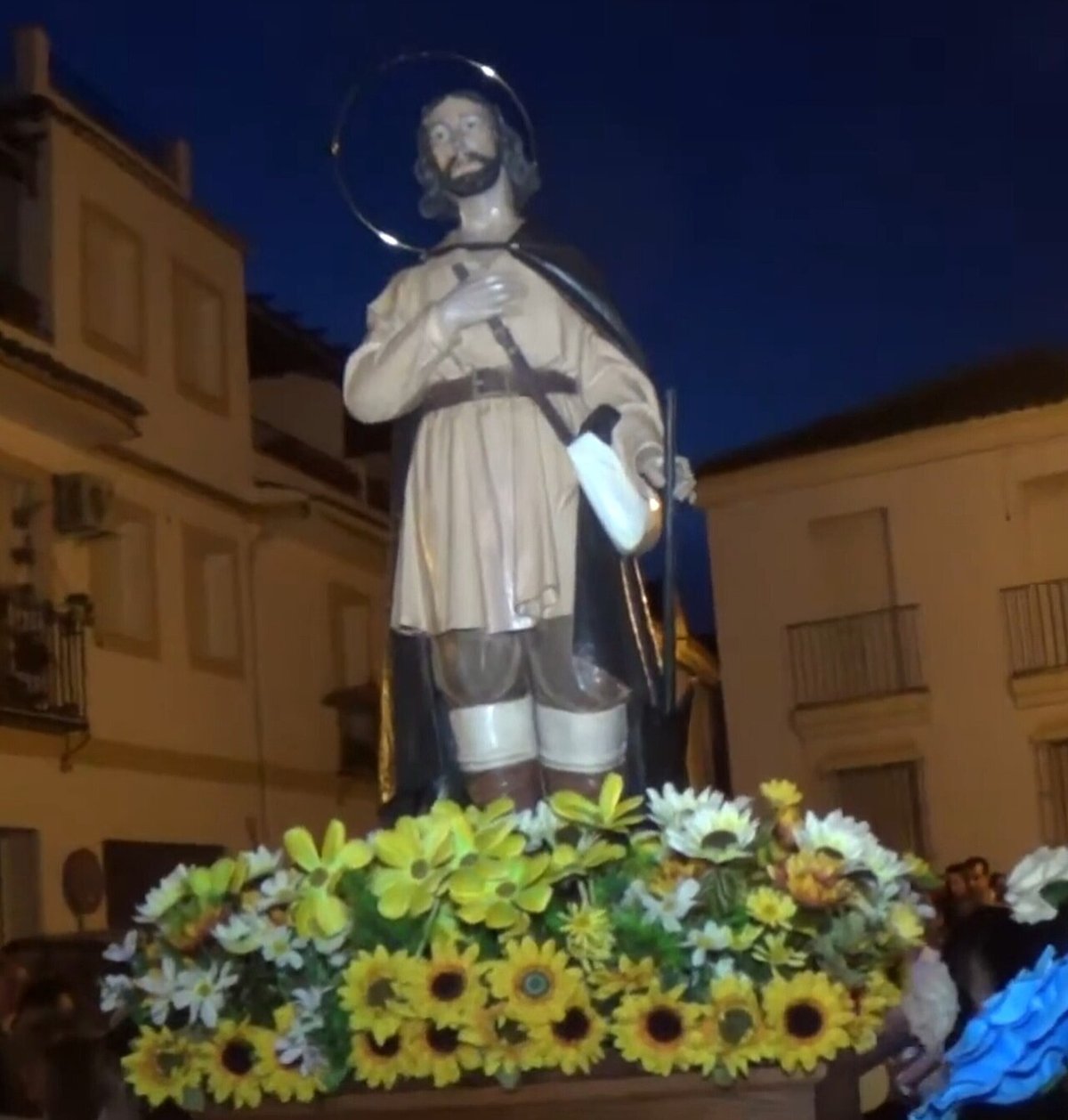
Festivals here remain stubbornly local. The Romería de la Virgen de Gracia, first Sunday in May, involves tractors decorated with crepe paper, families sharing cold chicken and beer, and a statue of the Virgin carried uphill to her hermitage while a brass band negotiates the ruts. Nobody minds if you tag along; bring something to share and you'll leave with new cousins.

August belongs to San Bartolomé. For four nights the main streets become open-air dance floors, with stages erected outside butchers' shops and children racing about long past midnight. British visitors sometimes flinch at the 2 a.m. fireworks; earplugs solve the problem cheaper than a hotel in the sticks.

Semana Santa packs the narrow lanes with processions that inch past balconies hung with antique lace. The atmosphere feels devout rather than touristic, though photographers jostle for position on corners where the hooded penitents silhouette against stone. Parking becomes impossible; arrive early or stay late, but don't expect to drive through town between Thursday and Sunday.

Practicalities without the brochure speak

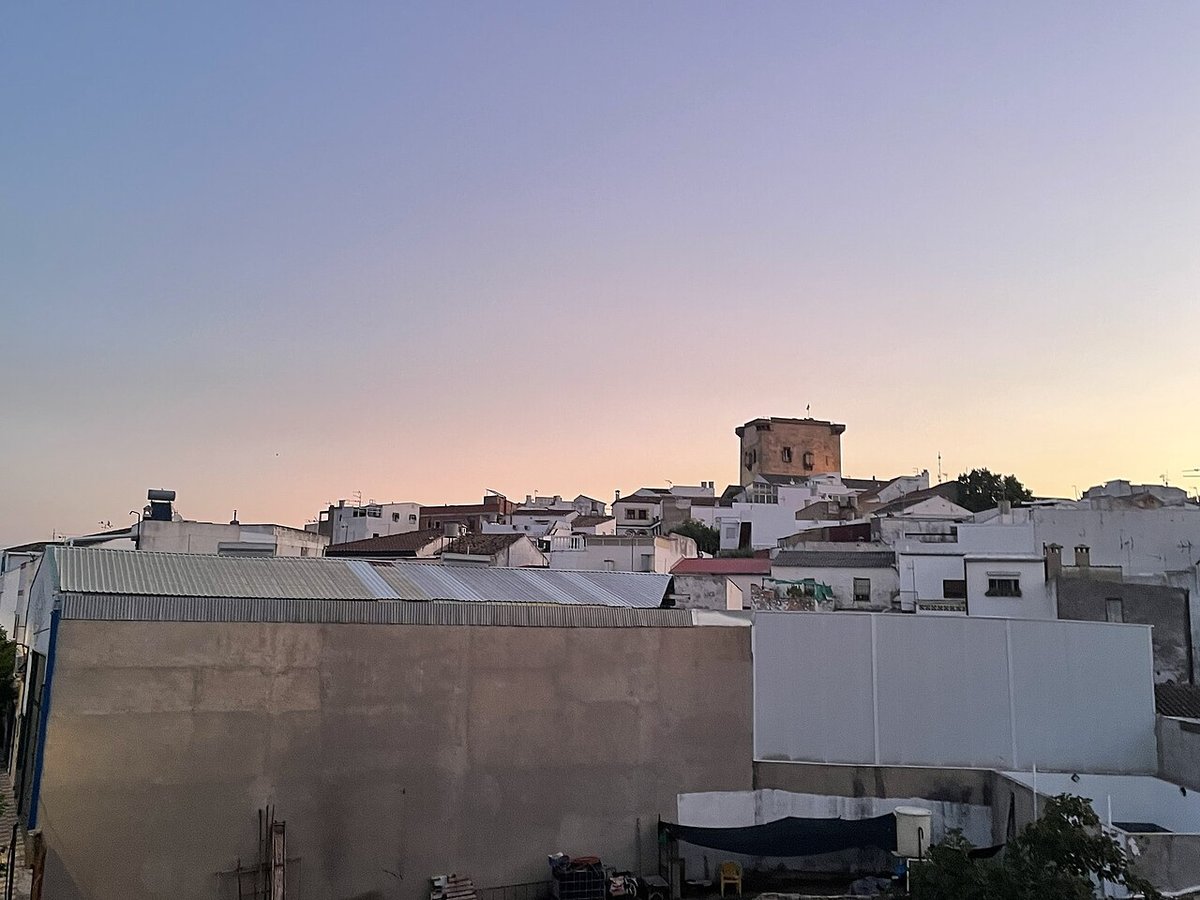
Accommodation is limited. The eight-room Hotel Rural La Llave de Montoro occupies a converted 17th-century house near the castle remains. Rooms start at €70 including breakfast on the tiny roof terrace; book direct and mention you're happy to practise Spanish – managers Ana and Paco appreciate the effort and often produce a second cup of coffee unbidden.

Alternative bases lie down in the valley: the roadside Hostal El Cazador offers clean rooms from €35, handy if you're touring by car and just need a bed before heading into the hills next morning.

Petrol stations close early. Fill up on the A-4 before turning off; the village Repsol shuts at 9 p.m. and doesn't reopen Sundays. Similarly, ATMs exist but carry cash for family-run bars that still prefer notes to cards.

Getting here without wheels means taking the ALSA coach from Córdoba's bus station. Services run roughly every two hours, cost €4.85, and drop you beside the bridge. The timetable favours commuters over day-trippers, so plan around the 7 a.m. outbound and 6 p.m. return if you want maximum exploring time.

The honest verdict

Montoro won't change your life. It offers no world-class art, no beach, no boutique shopping street. What it does provide is the increasingly rare sensation of stumbling across a place that functions perfectly well without international validation. The olive oil tastes of the valley, the wine flows generously, and strangers still greet you in passing. If that sounds like enough, come before everyone else realises what they've missed.

Key Facts

Region
Andalucía
District
Alto Guadalquivir
INE Code
14043
Coast
No
Mountain
Yes
Season
spring

Livability & Services

Key data for living or remote work

2024
ConnectivityFiber + 5G
TransportTrain nearby
HealthcareHealth center
EducationHigh school & elementary
Housing~5€/m² rent · Affordable
Sources: INE, CNMC, Ministry of Health, AEMET

Official Data

Institutional records and open data (when available).

  • Casa de Las Tercias
    bic Edificio Civil ~0.2 km
  • Puente sobre el Guadalquivir
    bic Puente ~0.6 km
  • Antigua Capilla de San Jacinto
    bic Monumento ~0 km
  • Asilo de Jesús
    bic Monumento ~0.2 km
  • Torre de Villaverde
    bic Fortificación ~3.5 km
  • Iglesia de Santa María de la Mota
    bic Edificio Religioso ~0.4 km
Ver más (2)
  • Iglesia del Carmen
    bic Edificio Religioso
  • Chinares Bajos y Altos
    bic Monumento

Planning Your Visit?

Discover more villages in the Alto Guadalquivir.

View full region →

More villages in Alto Guadalquivir

Traveler Reviews