Full Article
about Cabezas Rubias
Quiet town in western Andévalo, ringed by pastureland and windmills; noted for its top-grade Ibérico pork products.
Hide article Read full article
A village that barely announces itself
Some places feel like a message left on read. Days pass, then weeks, and nothing comes back. Cabezas Rubias has a touch of that mood. Fewer than 700 people live here, spread across a wide municipal area where you can drive for quite a while and still see open countryside in every direction. It can even feel as if the satnav has lost its bearings, telling you to turn and then carry on straight for what seems like forever.
The approach from Huelva gives little away. The road starts to wind through pine woods and scattered farmhouses, and then, almost without warning, the village appears. It sits around sixty-something kilometres from the provincial capital, yet it arrives quietly, without much announcement.
The name often raises questions. Locals say it has more to do with the colour of the land than anything else. Some of the surrounding hills carry a reddish tone that deepens in the late afternoon light. One neighbour summed it up neatly: not blonde, but red.
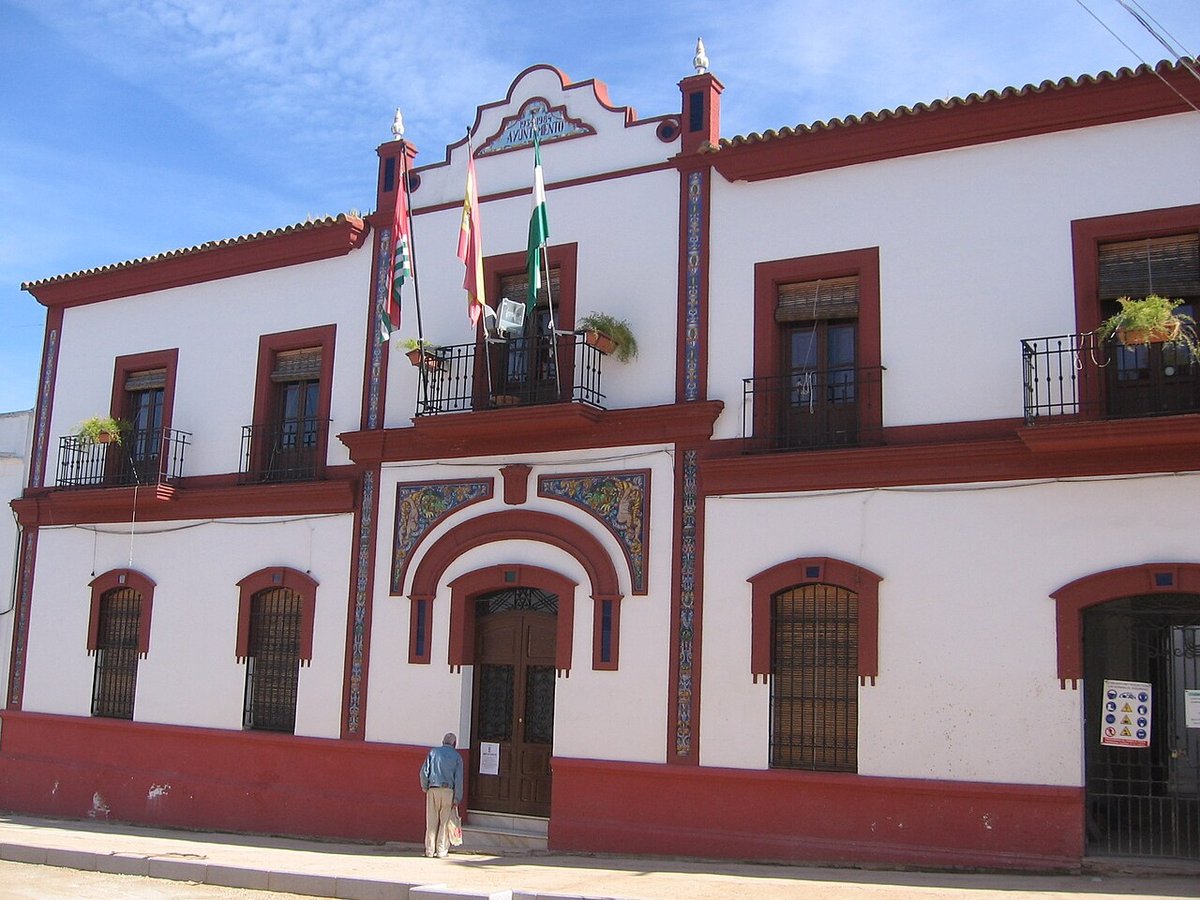
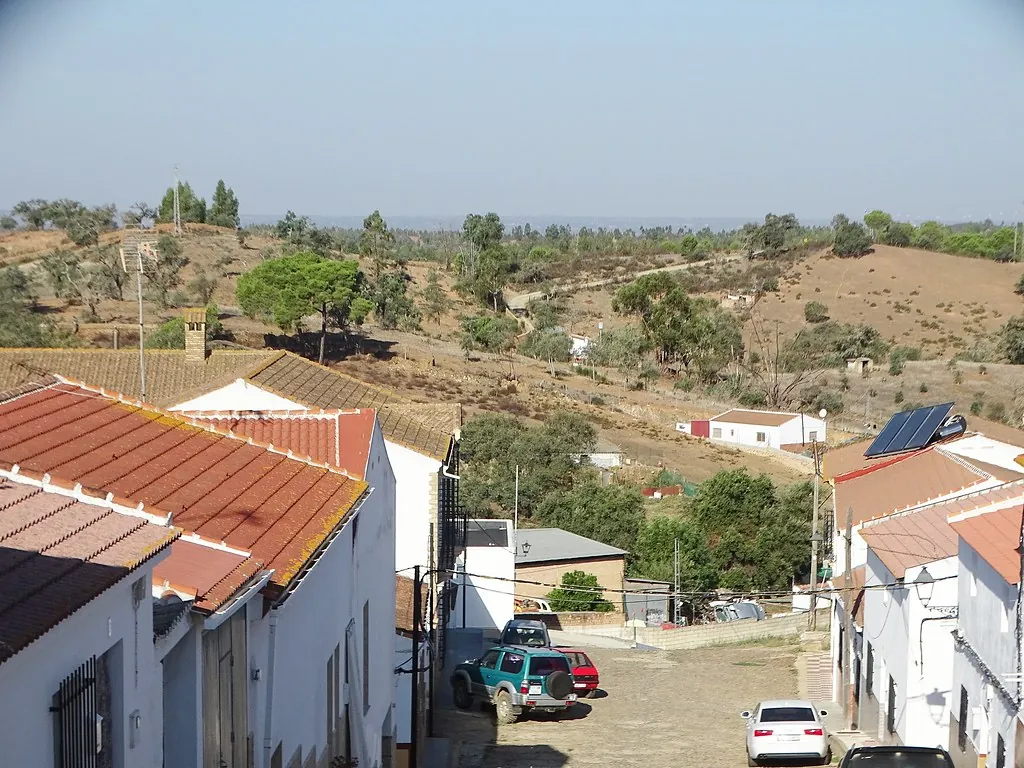
The layout follows a familiar pattern. Houses cluster around the church, as if drawn towards a shared centre. White streets, short slopes, a square that acts as a meeting point, and a level of quiet broken only by the occasional passing car or the sound of a window opening.
Music also has its place here, especially the fandango. It is heard across the Andévalo region, but in Cabezas Rubias it does not feel staged. It comes out naturally, from a house, a family gathering, or someone who simply feels like singing.
Food that keeps things simple
Eating here follows the same logic as daily life: straightforward and rooted in tradition. There is no sense of ceremony, just dishes that have been part of the local routine for generations.
Lamb stew, known as caldereta de cordero, comes up often when people talk about what to eat. During the right season, the gurumelo takes centre stage. This wild mushroom is highly sought after in the area and ends up in stews or scrambled dishes. Anyone trying it for the first time usually understands why people head out into the countryside to look for it.
Gazpacho in the Andévalo has its own character. It often includes coriander and carries a stronger, sharper flavour than many expect, the kind that wakes up the palate quickly.
Then there is the gañote, a rolled sweet that is crisp and finished with honey or sugar. It might look unassuming at first, yet it tends to disappear faster than expected.
When everything moves up the hill
For much of the year, the village keeps to its calm pace. That changes around the beginning of May, when the romería of San Sebastián takes place on a nearby hill.
On that day, Cabezas Rubias shifts almost entirely to higher ground. Families who live elsewhere return, cars arrive from across Spain, and the atmosphere transforms. People bring folding chairs, share food, and gather with guitars. Fandangos stretch out longer than planned, carried by the mood of the day.
Once it ends, the pattern seen in many small places returns. The celebration finishes, and the village settles back into its quieter rhythm.
Walking through the surroundings
The countryside around Cabezas Rubias suits those who prefer walking to sightseeing from a bench. Rural tracks and paths link farms, old mills and nearby villages. Some locals mention a route of the mills that heads towards El Cerro de Andévalo, following dirt tracks through low scrub and pine woodland.
This is not an urban stroll. Preparation matters. Water is essential, a hat helps when the sun is strong, and it is worth accepting that you may not encounter anyone for a while.
Other circular routes pass through areas of pine and eucalyptus within the municipality. The scent of eucalyptus hangs in the air, a smell that will feel familiar to many who have spent time in Andalucía.
A place that asks for patience
Cabezas Rubias is not for every type of visit. Expectations shape the experience.
Anyone looking for busy terraces, souvenir shops or constant activity may find it lacking. The appeal lies elsewhere. This is a place to see how a small community in the Andévalo moves through daily life at its own pace.
Time matters here. A slow walk through the streets, a pause in the square, a moment spent listening to local voices can be enough. Nothing much may seem to happen, and that is part of the point.
It is possible to leave and wonder if that was all there was. In a way, it is.
Yet after some time has passed, certain details can return unexpectedly. The reddish hills under the evening light, the stillness of the streets, or a stray fandango drifting out of a window. Places like this often linger longer in memory than they first suggest.