Full Article
about Calañas
A mining and farming town in the heart of Andévalo, known for its Calañés hat and devotion to the Virgen de España in a riverside setting.
Hide article Read full article
A morning that begins before the sun
Tourism in Calañas starts early, even before the sun fully rises over the Andévalo. By nine in the morning, the heat is already settling onto the stone slabs of the main square. A man drags chairs out from a bar, the metal scrape a familiar sound that cuts through the quiet. Lorries come down from the sierra loaded with logs, dogs stretch out along pavements still holding onto the night’s coolness, and the smell of fresh bread drifts from the town bakery.
This is how Calañas wakes up, unhurried yet steady, as it has done for generations. There is no rush, but there is always movement. People cross the square, exchange a few words, continue on. The rhythm is set early and carries through the day.
Light that reshapes the town
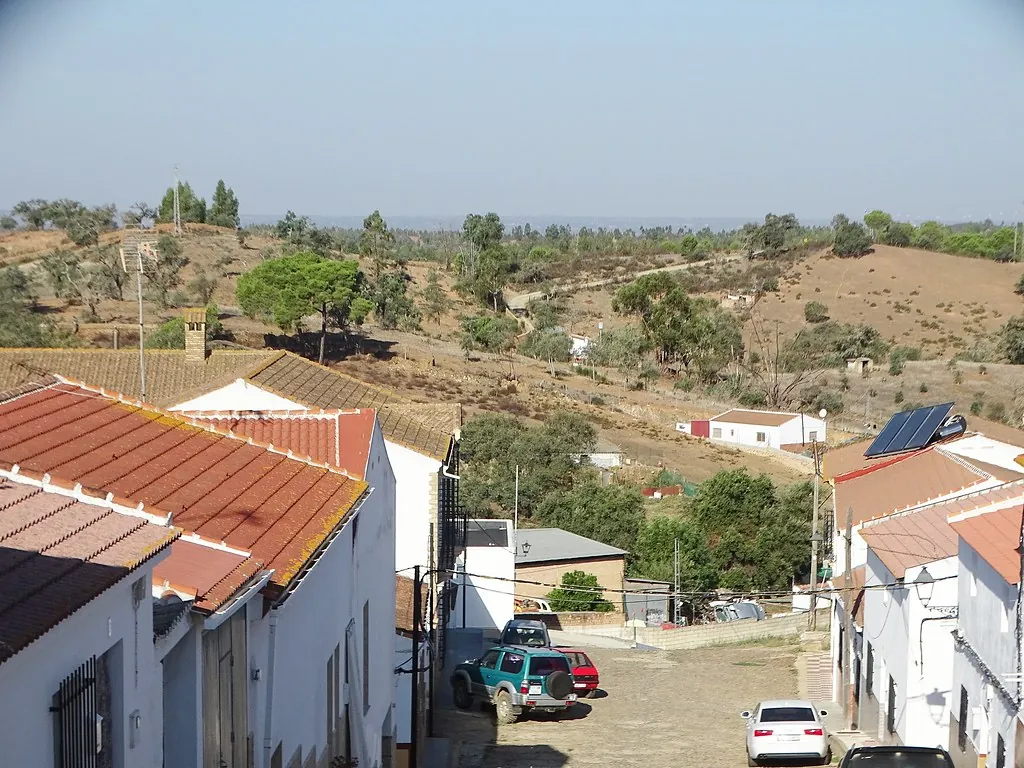
From the hill of San Cristóbal, Calañas appears as a white patch against the dark green of eucalyptus trees. Low houses, reddish roof tiles, and the bell tower rising above everything else define its outline. At midday, when the sun is high and direct, the whole scene seems almost flat, as if the light has pressed everything into a single plane.
By late afternoon, the town changes. The light of the Andévalo comes in at an angle, and the whitewashed walls take on a worn yellow tone, as though the colour is coming from within the surface itself. It is a dry, clean light that reveals even the finest cracks in the limewash.
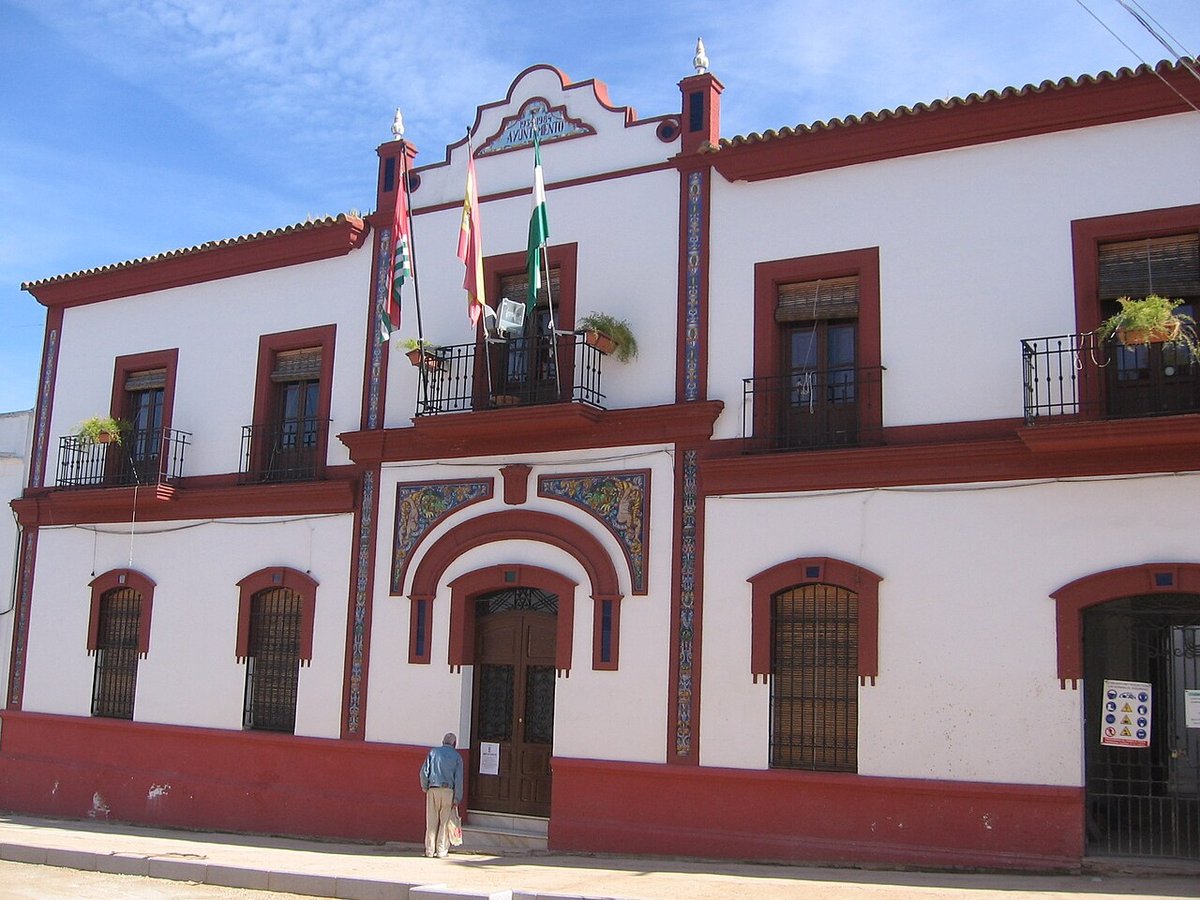
The church of Nuestra Señora de Gracia stands over the town centre with a simplicity often found in places shaped by mining. Built in the 16th century and altered later, it has kept an austere appearance. Around mid-morning, there is usually some activity on the benches nearby. People sit and talk, someone steps into the town hall for an errand, neighbours pass through the square without stopping. Nothing dramatic happens, but the space is never empty.
Food that lingers
Eating in Calañas is direct and filling, the kind of food that calls for a knife and a piece of bread close at hand. Riñones de cerdo a la andevaluense, pork kidneys cooked in the local style, arrive at the table very hot, covered in a spicy sauce that practically demands bread for dipping. The dish is linked to the mining years, when work started early and meals needed to be substantial.
Another local staple is the so-called vino de la Virgen. It is a blend of dry white wine with a sweeter one, served cold in small glasses. There is no ritual around it. People drink it while talking, often standing or leaning against a high table, as the afternoon gradually cools.
During Semana Santa, a traditional Easter period in Spain, many homes prepare a sweet called Enesita. It is a sponge cake soaked in syrup flavoured with cinnamon and cloves. Those who make it tend to say the same thing: it needs several days to rest so that the syrup settles and the flavour deepens.
Beneath the surface: a mining landscape
The mining past is visible throughout the land surrounding Calañas. Tracks and paths lead out towards former mining complexes such as Sotiel and La Zarza. These routes cross pine forests, patches of holm oak and open areas where the ground shifts in colour, sometimes reddish, sometimes almost grey.
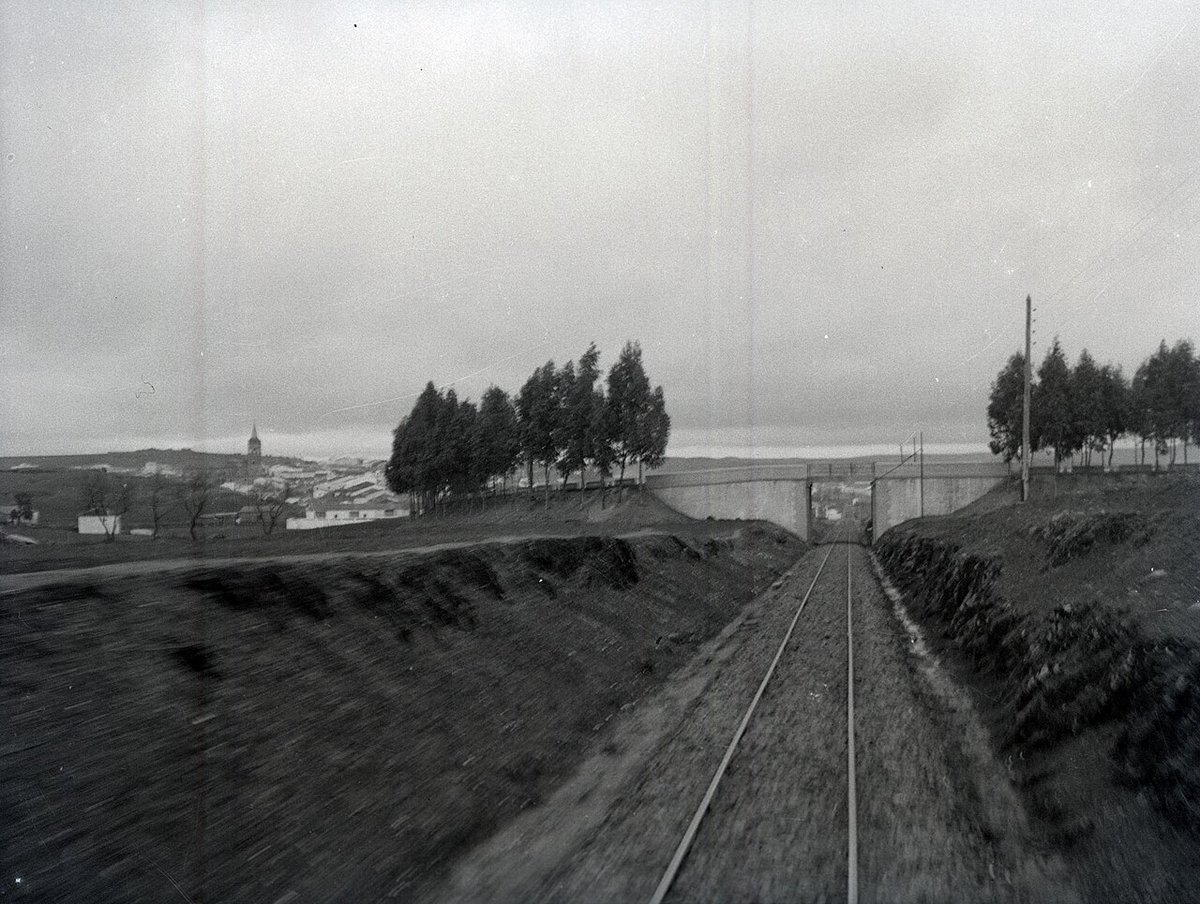
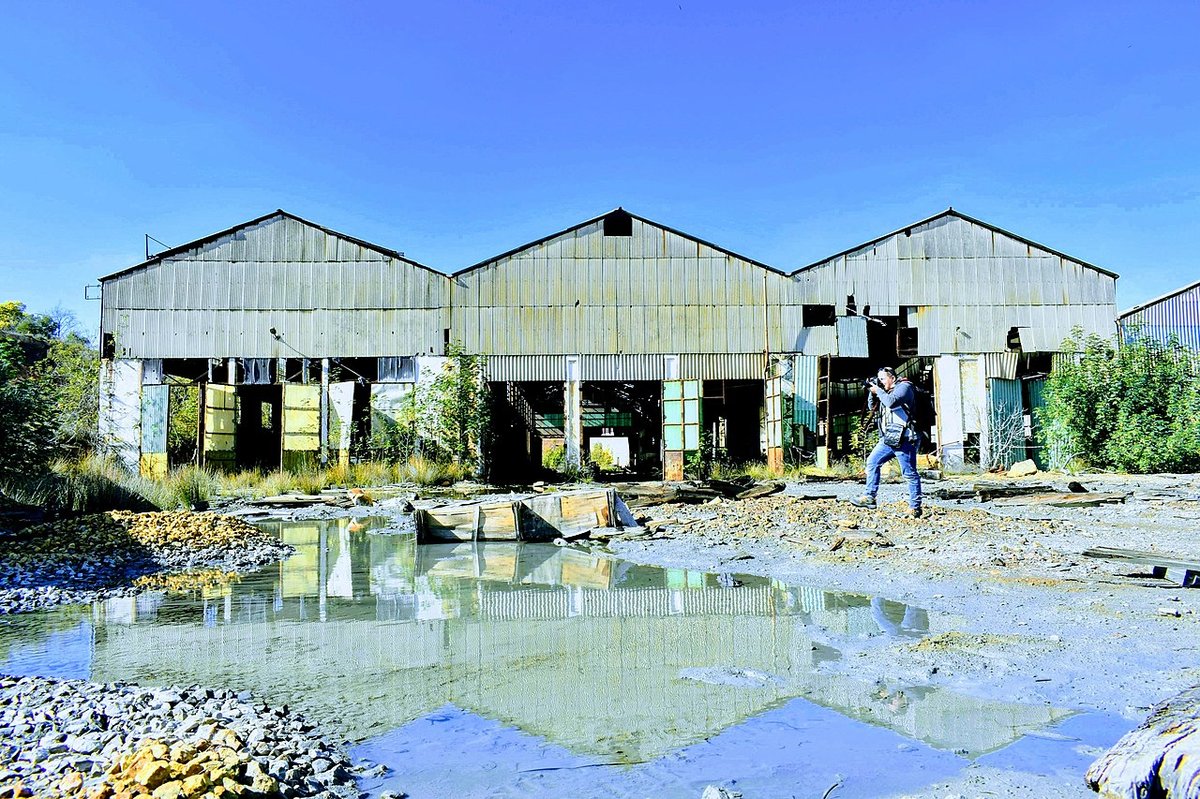
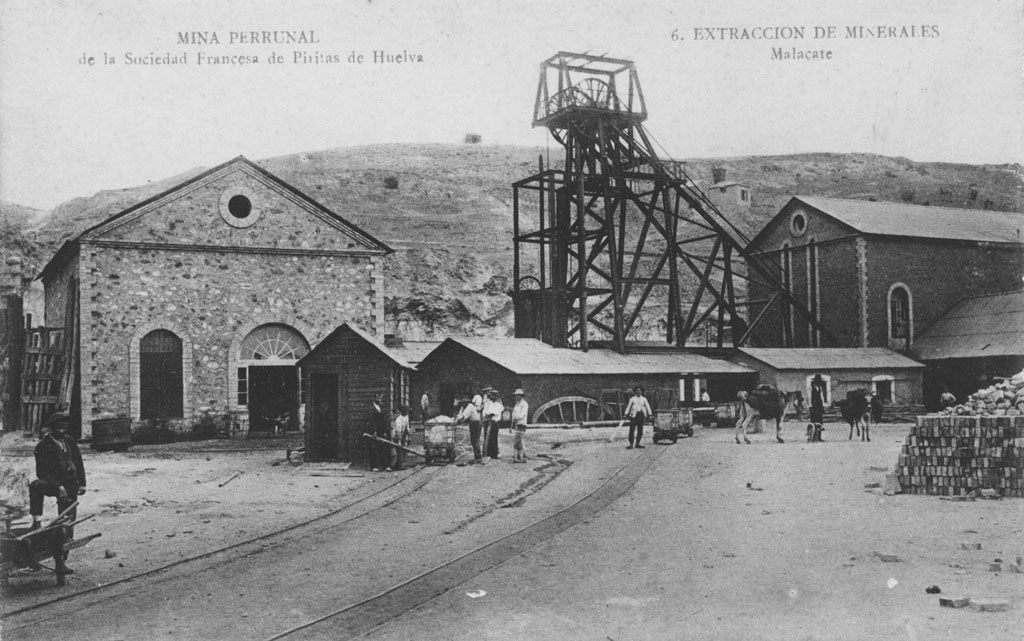
In certain places, abandoned industrial structures come into view. Hoppers, old buildings, sections of railway track that disappear into the grass. The mine shaft at La Zarza stands out even from a distance, a deep opening surrounded by metal remains and concrete.
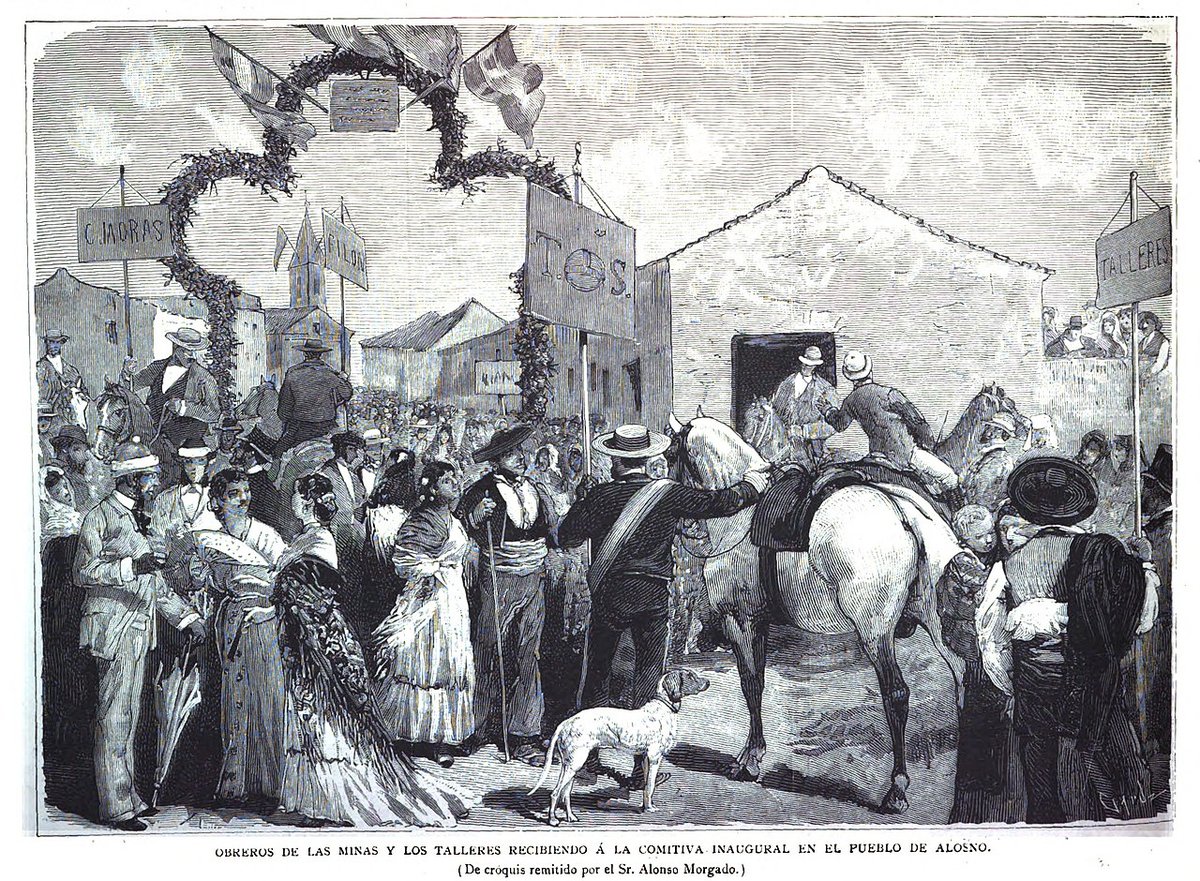
Modern mining activity was particularly intense during the 20th century, although the area had already been worked by the Romans in search of metals. Today, what remains are mostly industrial ruins and a sense of quiet. From time to time, a harsh mineral smell drifts across the spoil heaps, carried by the wind.
Walking these areas requires some care. It is best to stick to clear paths and avoid approaching deteriorating structures. Some zones are not marked, and the terrain can be misleading.
When Calañas fills with people
The rhythm of the town shifts at certain times of year. The romería de la Coronada, a traditional pilgrimage, usually takes place towards the end of May. During those days, the roads leading out of Calañas fill with carts, horses and groups of people walking under a fine layer of dust. The image of the patron saint is carried to the hermitage, accompanied by singing, clapping and the noise of people meeting again after time apart.
The feria arrives in September and brings a different pace. Temporary structures known as casetas are set up around the bullring area, and at night the activity stretches far beyond what is usual for the rest of the year. Many residents who live elsewhere return during these days. It shows in the long greetings and in surnames that start to be heard again in the streets.
For a quieter visit, spring is often a good time. The countryside around Calañas fills with flowers, and the strongest heat of the Andévalo has not yet arrived. August, by contrast, can be intense. The sun bears down heavily, and the town slows during the central hours of the day. Shutters close, streets empty out, and life resumes later on, once the sun begins to drop.