Full Article
about El Almendro
Small town in the Andévalo region of Huelva known for its traditional architecture and the Pie de Castillo; offers quiet and the open oak-pasture landscapes typical of the border area.
Hide article Read full article
El Almendro es ese pueblo que te hace parar el coche sin saber muy bien por qué
Vas por la carretera de la comarca del Andévalo, en Huelva, y de repente aparece. No hay una cuesta espectacular ni un cartel prometiendo maravillas. Solo un desvío hacia un grupo de casas blancas. El Almendro es así: no te llama, te deja pasar. Y esa es justo la razón para entrar.
Con poco más de ochocientos habitantes, este pueblo no tiene un guion preparado para ti. La vida gira en torno a lo de siempre: el campo, el ganado, las conversaciones en la puerta. Venir aquí es como visitar a un familiar que vive lejos de la ciudad. No hay programa, pero al rato te has sentado en una plaza vacía y has desconectado del todo.
Un paseo sin pretensiones
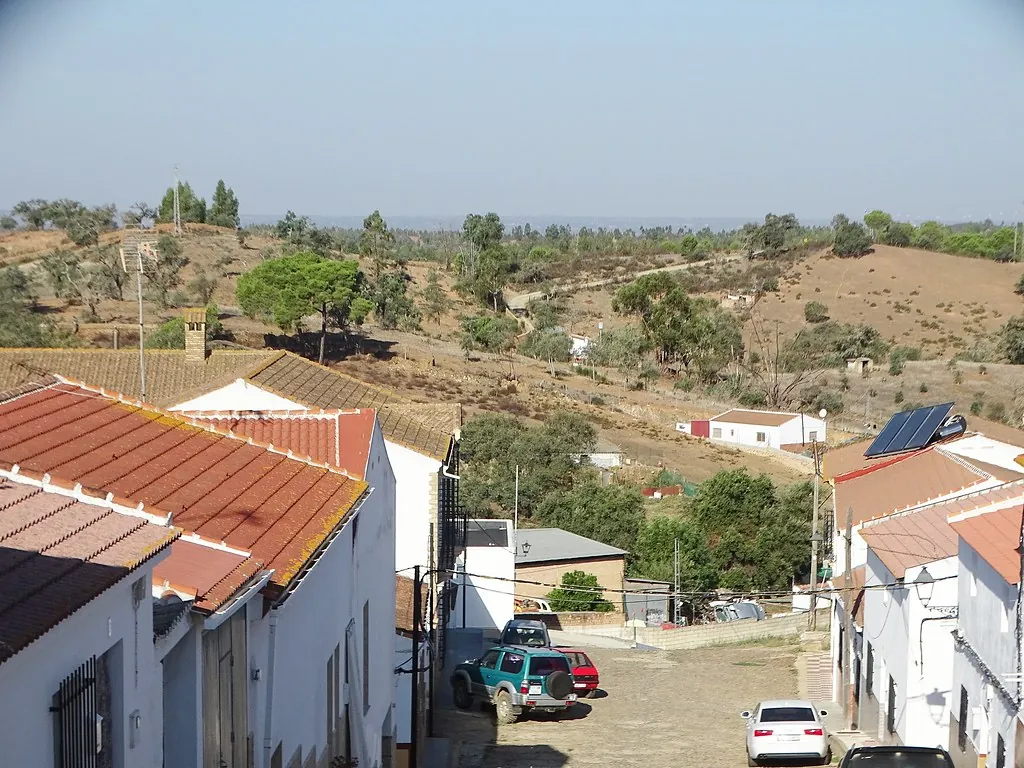
El centro es simple y reconocible para cualquiera que conozca la Huelva interior. Calles rectas, fachadas encaladas, rejas de hierro. La iglesia de Guadalupe preside la plaza principal con esa sobriedad típica del Andévalo: blanca, sin demasiados adornos, integrada en el día a día del pueblo. No es una catedral, es el lugar donde se celebran los bautizos y las misas de domingo.
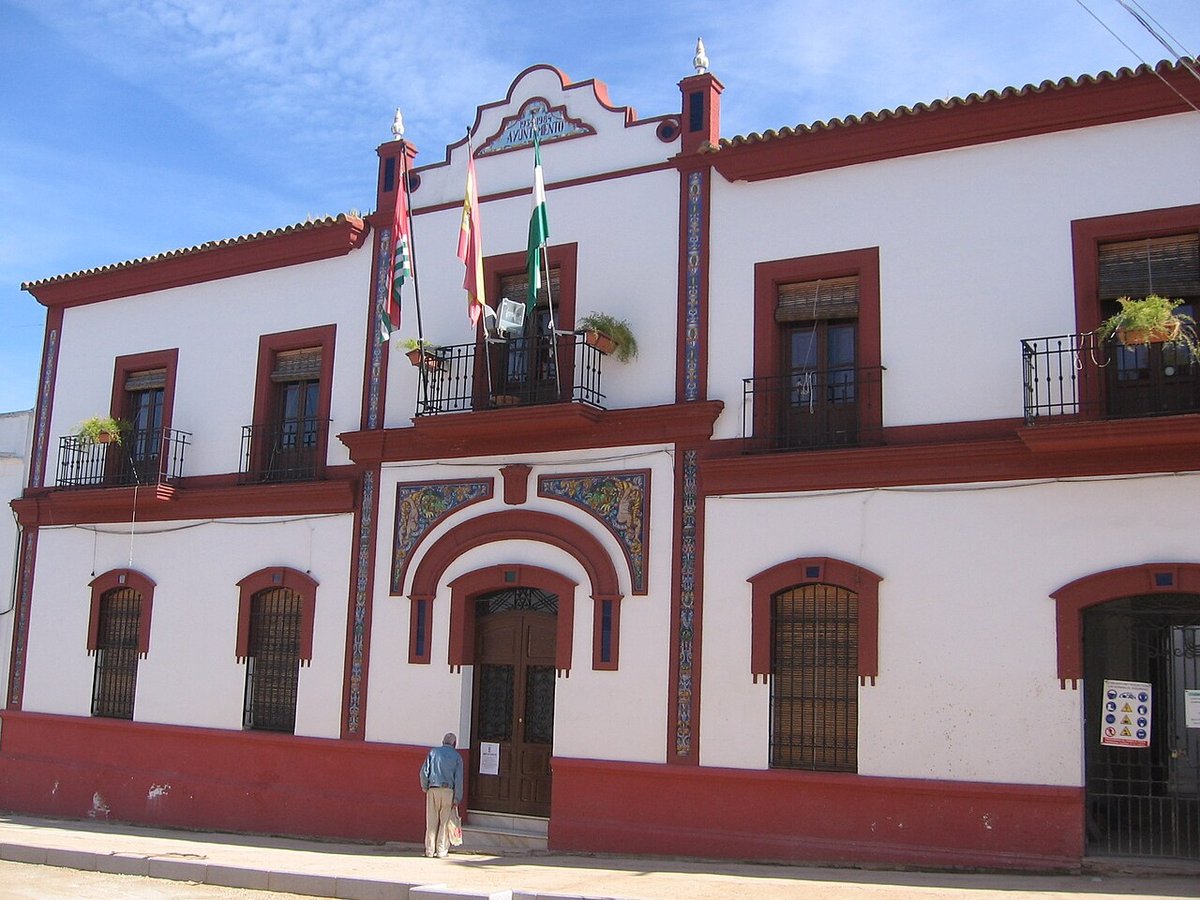
Calle Real hace de columna vertebral. Pasear por ahí no te llevará más de veinte minutos, pero si vas despacio empiezas a pillar detalles. El olor a jazmín que sale de algún patio entreabierto, la sombra de un árbol viejo en una pared, el sonido de una radio de cocina en alguna ventana baja. La actividad se concentra cerca del ayuntamiento, en breves encuentros entre vecinos que se saludan y siguen con su camino.
Lo mejor está fuera
La verdadera personalidad de El Almendro no está entre sus casas, sino alrededor. El pueblo está rodeado por la dehesa, ese paisaje abierto de encinas y tierra clara que define esta parte de Andalucía.
Aquí no hay senderos señalizados con balizas brillantes. Hay caminos rurales y veredas usadas durante años por pastores y tractores. Es fácil salir a caminar sin rumbo fijo. Por la mañana temprano el silencio solo lo rompe el graznido lejano de algún milano o el rumor del viento entre las hierbas secas. Si tienes suerte y paciencia, verás perdices escabullirse entre los matorrales bajos.
Esta es tierra ganadera, sobre todo de ovejas y vacas adaptadas al calor. Y cuando llegan las lluvias, la conversación cambia: todo el mundo habla de los gurumelos, un tipo de seta muy buscada por aquí. Es común ver a gente al amanecer con sus cestas, recorriendo las zonas conocidas.
Un ritmo marcado por las estaciones
No vengas buscando museos o tiendas de souvenirs. Las actividades aquí son las que lleva siguiendo la gente del lugar. La primavera y el otoño son probablemente los mejores momentos para explorar el campo; los días son largos y la temperatura acompaña. El verano puede ser brutalmente caluroso. La estrategia entonces es hacer como los locales: madrugar mucho, resguardarte a mediodía y volver a salir cuando cae el sol.
Las fiestas principales son las de la patrona, Nuestra Señora de Guadalupe, en verano. Durante unos días el pueblo se llena de música, puestos improvisados y caras que vuelven desde fuera. Es cuando más vida concentrada verás. El resto del año sigue un compás tranquilo, con alguna procesión corta según el calendario religioso, más íntima que espectacular.
Y luego está lo del nombre. Los almendros que le dieron título ya no cubren las laderas como antes, pero quedan algunos ejemplares dispersos. Si coincides con su floración tras un invierno benévolo, el campo se tiñe durante unos días de un rosa pálido precioso. No es un evento organizado, sino uno de esos pequeños premios que da el viajar sin prisa.
Para terminar
¿Merece la pena un desvío hasta El Almendro? Depende. Si buscas monumentos estrella o ambiente turístico, te vas a quedar esperando. Pero si lo que quieres es ver cómo late un pueblo real del Andévalo, pasear por una dehesa auténtica y sentir ese ritmo lento que ya casi no existe, entonces sí. Es ese tipo sitio donde pasas unas horas y te llevas la sensación tranquila de haber estado en un lugar que no finge ser nada más que lo que es