Alcoutim4.JPG
Andalucía · Passion & Soul

Sanlúcar de Guadiana

The zip-line starts on a scaffold tower beside the village cemetery. Thirty seconds later you touch down on the opposite bank, passport in pocket, ...

418 inhabitants · INE 2025
149m Altitude

Why Visit

San Marcos Castle Cross-border zip line

Best Time to Visit

summer

Virgen de la Rábida Festival (April) agosto

Things to See & Do
in Sanlúcar de Guadiana

Heritage

  • San Marcos Castle
  • river port
  • Church of Our Lady of the Flowers

Activities

  • Cross-border zip line
  • Boat trips
  • Kayaking on the Guadiana

Festivals
& & Traditions

Fecha agosto

Fiestas de la Virgen de la Rábida (abril), Festival del Contrabando (marzo)

Las fiestas locales son el momento perfecto para vivir la autenticidad de Sanlúcar de Guadiana.

Full Article
about Sanlúcar de Guadiana

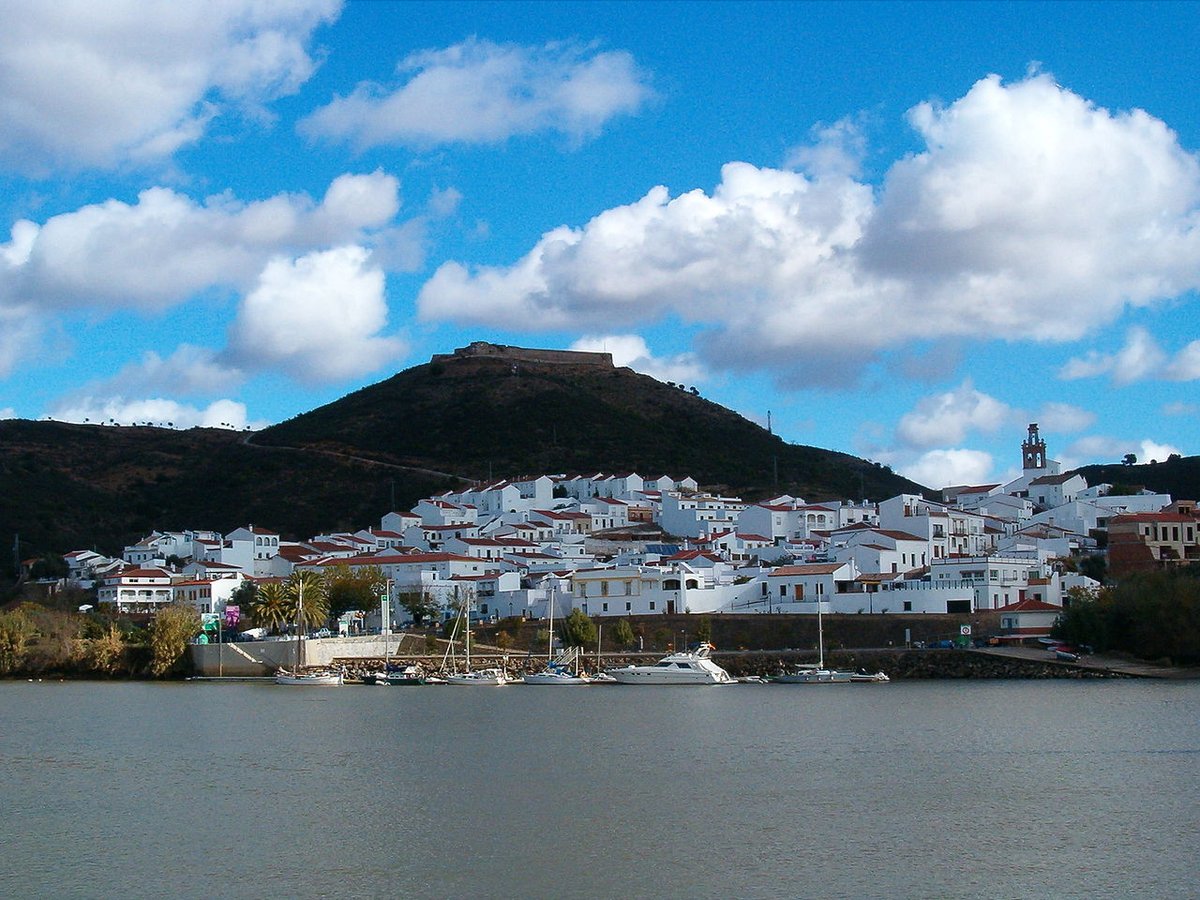
White village terraced above the Guadiana river across from Alcoutim; home to the world’s only cross-border zip-line and a castle with sweeping views.

Ocultar artículo Leer artículo completo

The zip-line starts on a scaffold tower beside the village cemetery. Thirty seconds later you touch down on the opposite bank, passport in pocket, and the clock on the Portuguese church reads an hour earlier—Sanlúcar lives in two time zones depending on which way you face the river.

From the Spanish side the Guadiana looks more lake than river, dammed upstream and broad enough to reflect the white houses before they tumble up a 150-metre ridge. The slope keeps every street at calf-stretching angle; even the school children build calf muscles fast. At the bottom, a sliver of sand has been raked into a beach the size of a tennis court. No lifeguard, no sun-lounger touts, just a couple of fishermen mending nets while their wives serve €2 cañas at plastic tables. It is, in the most literal sense, the village front garden.

Up the Hill, Down to Earth

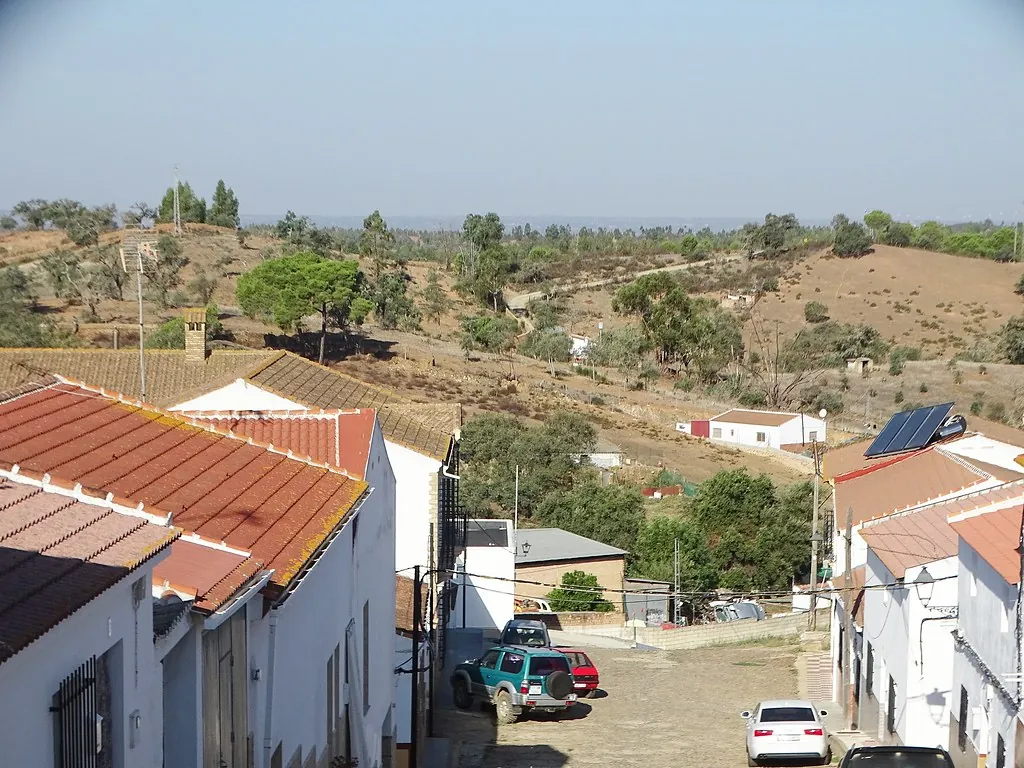
Whitewash here is maintenance, not postcard vanity. House owners still brush limewash onto walls each spring, timing the job so the first rains don’t streak the colour. The result is a village that glows honey-coloured at dawn and chalk-white by midday, the glare so bright you’ll regret leaving sunglasses in the hire car. Narrow lanes switchback between one-storey cottages; front doors stand open, giving glimpses of tile-roofed patios where geraniums compete with satellite dishes for wall space.

The parish church squats at the top, its bell the only traffic noise you’ll hear. Step inside and the air drops five degrees—welcome relief in July, slightly chilly in January. There’s no charge, no audio guide, just a printed board confessing the building was sacked by the British navy in 1810. Nelson’s fleet needed timber; pews became deck planks. Nobody seems to bear a grudge.

Beyond the last houses a dirt track continues into dehesa, the cork-oak savannah that blankets these borderlands. Cattle and black pigs graze between trees whose trunks are stripped to rust-red waist height; every nine years the cork is cut, stacked and trucked to Seville for wine stoppers. Walk twenty minutes and the Atlantic appears as a silver stripe on the horizon. Keep walking and you’ll meet Portuguese smugglers’ paths that still smell of tobacco legend—though today’s contraband is more likely to be cheap diesel than duty-free whisky.

River Time vs. Meal Time

Spanish clocks say lunch starts at 14:00, but the ferryman knocks off when custom dries up, and that can be 13:45 or 14:30. If you’re planning the 90-second boat hop to Alcoutim for a Portuguese custard tart, arrive early and wait. The boat holds eight; fare is €1.50 each way, payable in either currency.

Back on the Spanish bank, the only restaurant with river views is Bar El Muelle. Order choco frito and you’ll get a plate of golden rings that taste like posh calamari—no beaks, no rubber. A half-ration feeds one hungry walker; a full ración feeds two at €9. If the guiri at the next table asks for tomato ketchup, the owner points to the ceiling strapline: “This is not England.” He’s smiling, sort of.

Evenings roll in fast once the sun slips behind Portuguese hills. In summer the village square fills with grandparents on metal chairs and toddlers chasing footballs until midnight. Temperatures hover around 30 °C at 22:00; only the river breeze makes sleep possible. Winter reverses the deal: daylight is soft, skies are huge, but nights drop to 4 °C and the houses, built to shed heat, feel like stone tents. Bring a jumper, and if you book the cheapest Airbnb check whether “heating” means a portable oil radiator or simply extra blankets.

Getting Here, Getting Cash, Getting Out

Faro airport is 78 km south-west, mostly on fast A-road. Car hire is essential; the final 16 km climb from the N-435 is single-lane, signed for wild boar rather than tourists. Buses from Huelva exist—two a day, none on Sunday, timetable printed on laminated paper in the bakery window.

The village ATM is inside the only supermarket; it accepts UK cards but empties on Friday afternoon when the weekly workers get paid. The nearest alternative is 18 km back down the mountain, so withdraw on Thursday. Petrol is similarly scarce—fill up at the junction with the N-435 or gamble on the single pump in San Silvestre, 12 km east, which closes for siesta.

What You Won’t Find (and Might Miss)

There is no castle tour—the fortress has been bolted since structural surveys scared the council. There is no boutique olive-oil shop, no flamenco tablao, no craft market. Souvenir choice extends to a cork key-ring or a fridge magnet shaped like a zip-line trolley. Nightlife is a choice between the bar that closes at 23:30 and the one that stays open if the owner feels like it.

Yet the absence of attractions becomes the attraction. You remember people rather than entrance fees: the baker who apologises because the bread is still warm, the old man who insists on perfect Spanish pronunciation before giving directions, the teenager who lends you a phone charger because “you’re on holiday, relax”.

When to Come, When to Leave

Late March brings the Feira dos Contrabandistas—a weekend when a pontoon bridge links the two villages and both countries pretend customs officers still chase tobacco runners. Expect sack races, sardines, and a bilingual sing-song that ends with fireworks reflected in the river.

May turns the dehesa pastel-green; bee-eaters flash turquoise above the track and the scent of orange blossom drifts across from irrigated groves. By late June the grasses bleach to gold, shade shrinks to trunk-width, and walking is best finished before 11 a.m. August is furnace-hot—come only if your ideal day involves moving from river to shaded terrace and back again. September cools enough for mushrooms, October for migrating storks.

Book more than two nights and you’ll start recognising dogs by name. Stay a week and the barman pours your beer before you reach the counter. linger longer and someone will offer a key to the communal bread oven. That’s the point when Sanlúcar stops being a dot on the map and becomes a place you check the weather for, long after you’ve driven back to Faro and the clock on your phone has snapped to the right time zone.

Key Facts

Region
Andalucía
District
Andévalo
INE Code
21065
Coast
No
Mountain
No
Season
summer

Livability & Services

Key data for living or remote work

2024
Connectivity5G available
HealthcareHealth center
EducationElementary school
Housing~5€/m² rent · Affordable
CoastBeach 1 km away
January Climate10.7°C avg
Sources: INE, CNMC, Ministry of Health, AEMET

Planning Your Visit?

Discover more villages in the Andévalo.

View full region →

More villages in Andévalo

Traveler Reviews