Full Article
about Tharsis
A mining town with a striking landscape of open-pit quarries; it has a significant British legacy and industrial heritage.
Hide article Read full article
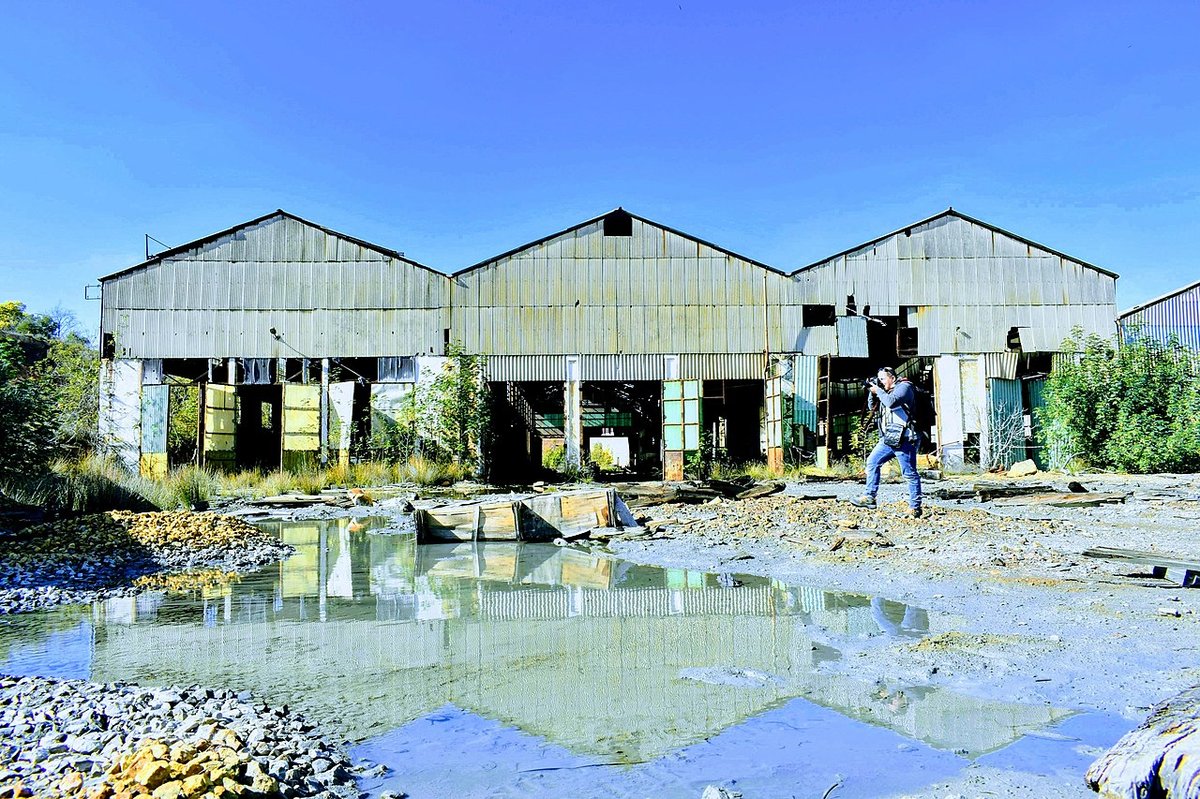
The reddish dust of Tharsis settles on everything, a fine powder that coats your shoes and leaves a faint, metallic taste in the air when the wind blows from the open pits. By mid-morning, the sun already warms the rusted metal of old mining wagons parked near the tracks. From a viewpoint, the still water at the bottom of the vast excavation shifts colour with the light, turning from ochre to a muted violet, like mud stirred with ink.
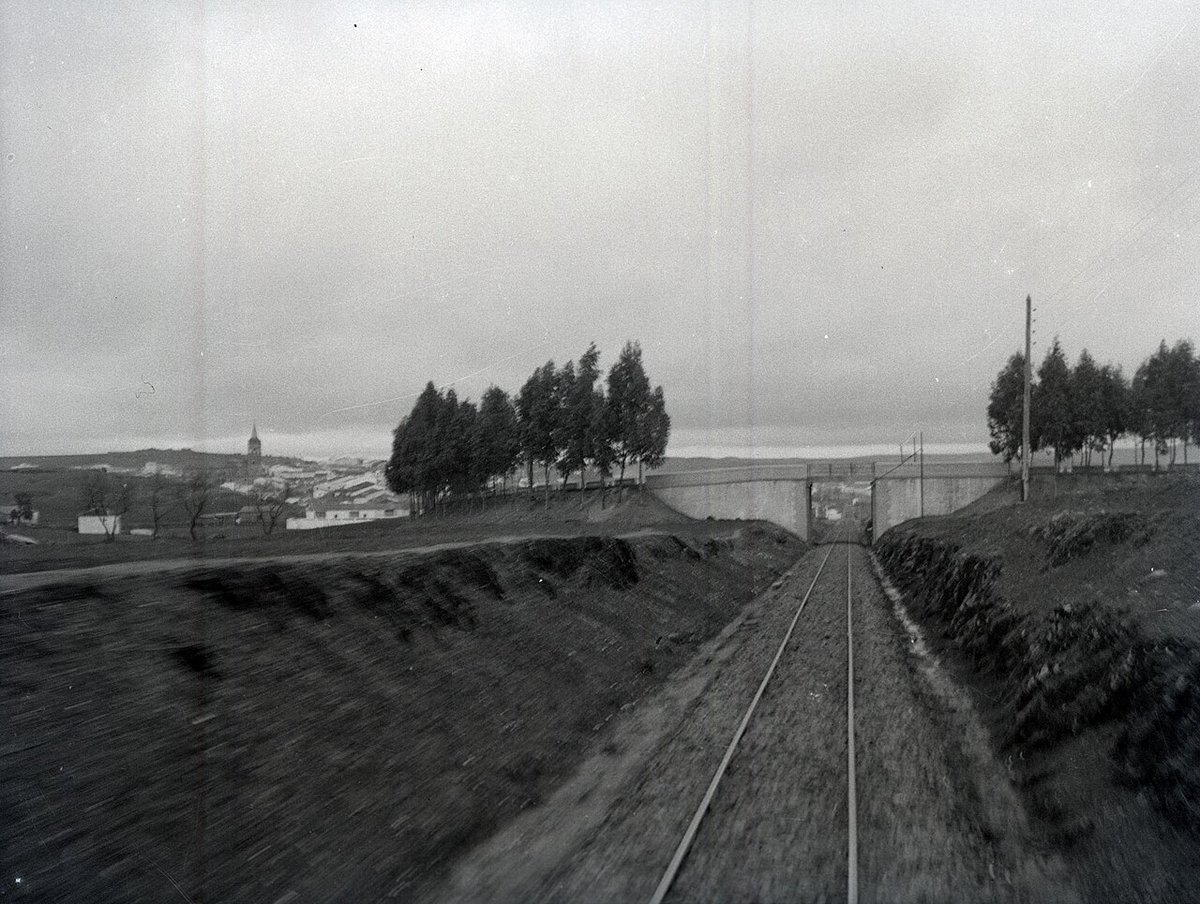
This is a town in western Andalucía’s Andévalo region where life was drawn from the iron and copper beneath it. The landscape is still shaped by that pull: spoil heaps rise like red hills, and old railway lines cut through the scrubland towards the coast.
Walking streets marked by iron
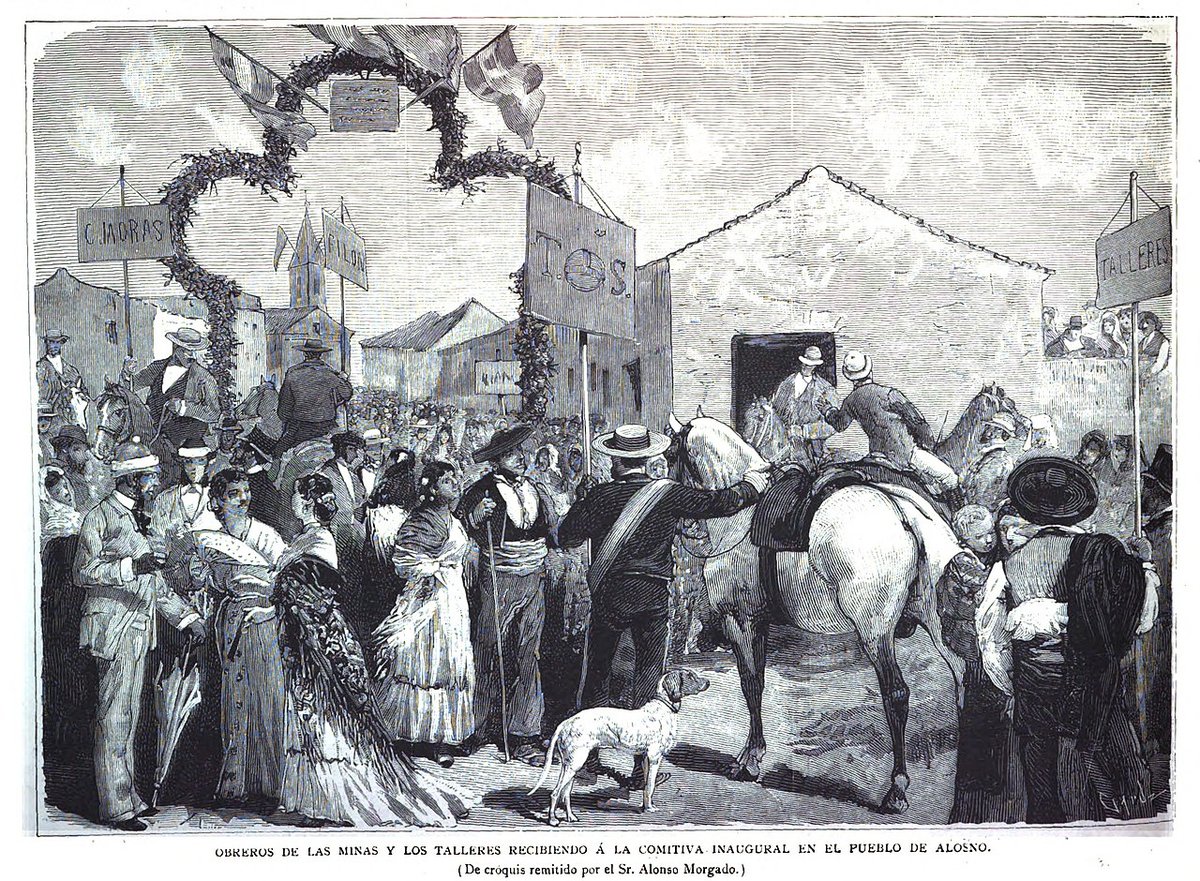
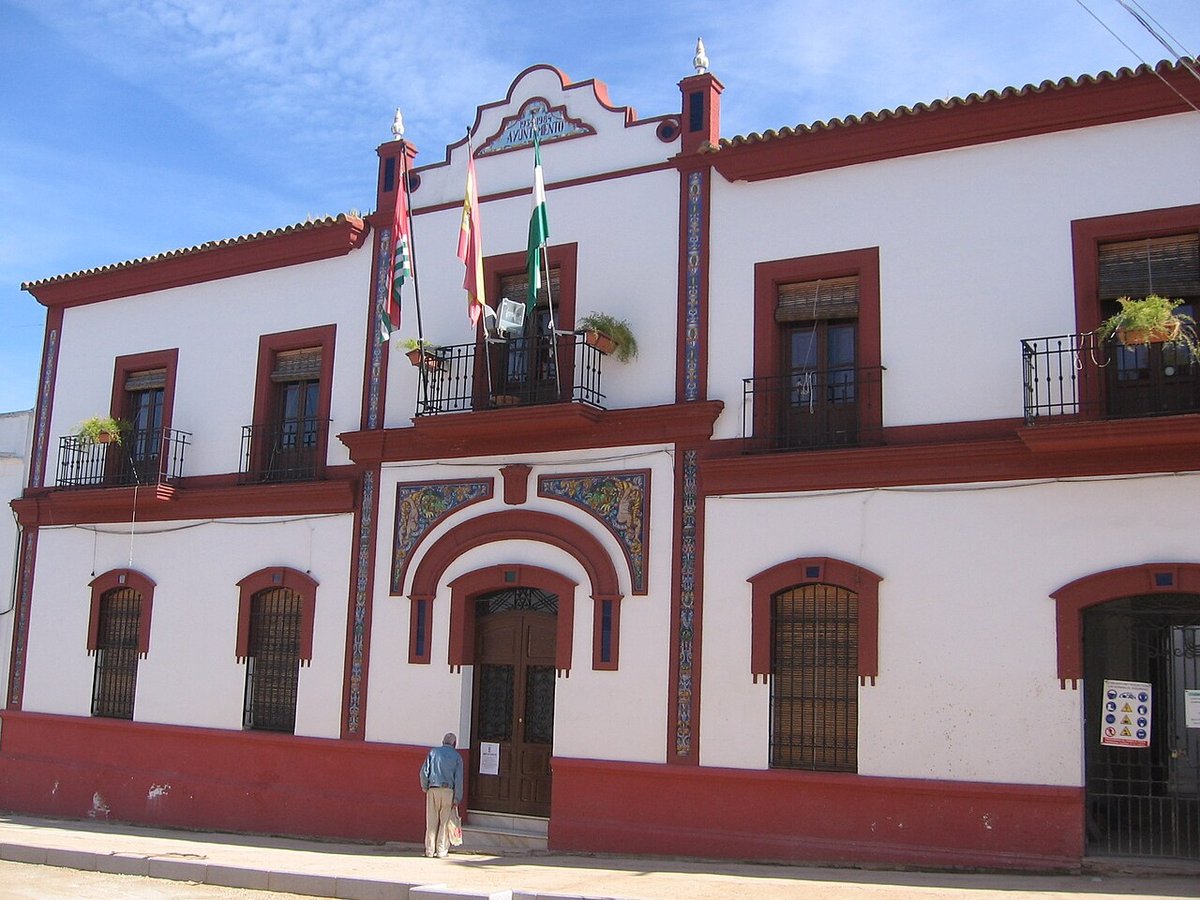
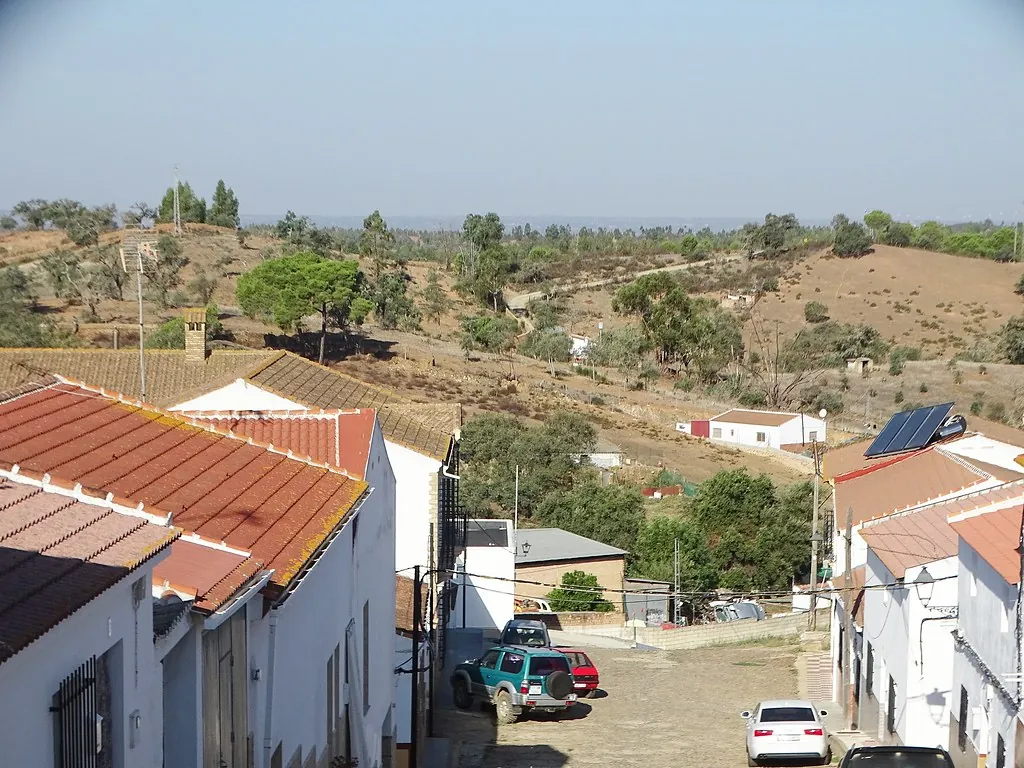
The low houses, many with iron grilles and touches from the era of British company control, face toward the old workings. Their orderly rows feel transplanted, a stark contrast to the wilder dehesa that surrounds them. In the main square, small groups talk without hurry; conversations drift from the olive harvest back to the mine, as someone might point to the tracks and recall the rumble of ore trains. That rhythm is gone now, replaced by a slower pace and that ever-present dust on your clothes.
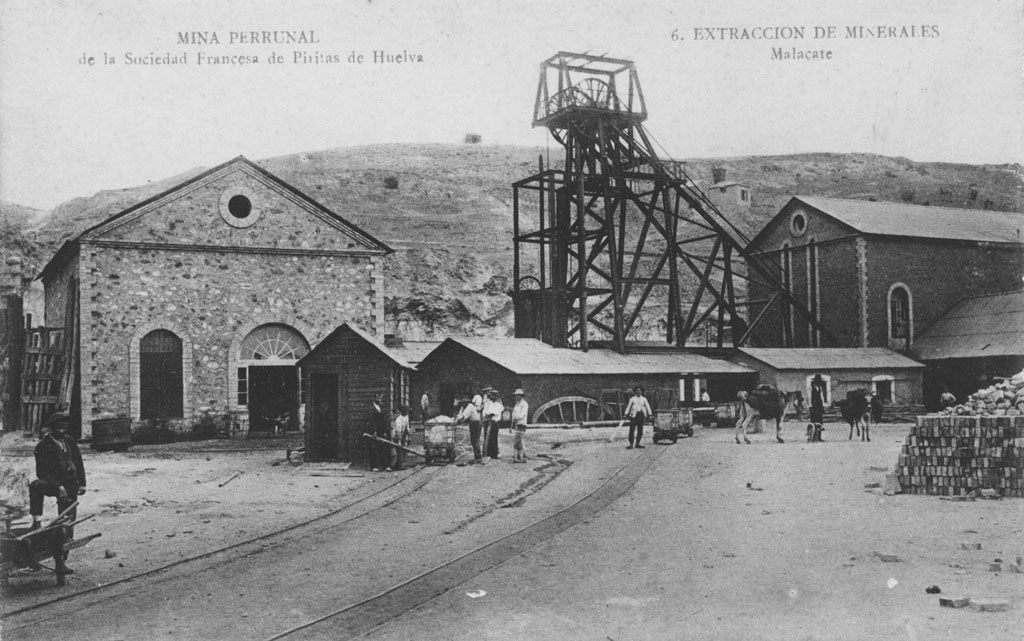
The mining museum sits in an old administrative building. Inside, helmets, lamps, and technical plans carry the tangible weight of grease and iron. They explain the mechanics of a place that once drove every heartbeat here. It feels more like an archive than a display.
A calendar of contrast
In February, the tone of the streets changes for Carnival. Local groups perform songs with a dry, Andalusian wit, their lyrics weaving current gossip with memories of life underground. Costumes appear, often made from cardboard and old sacks—a resourcefulness born of necessity.
Come spring, the romería of El Sandalio follows a different rhythm. This rural pilgrimage moves along a path through low scrubland of rockrose and pine. The air fills with the scent of crushed rosemary and dust kicked up from the track, mixed with the soft ringing of bells from horses and mules. Families gather to eat in the shade of trees; it’s a day rooted firmly in this specific soil.
Food for long shifts
The central bars serve dishes that speak of long days underground. At midday, you’ll find filling soups and slow-cooked stews meant to counter fatigue or an early start in the cold. Sopa minera is typical: a straightforward bowl of strong broth, bread, and some bacon, eaten with a spoon for sustenance, not spectacle.
After the spring rains, many people head into the surrounding countryside with a small knife. They return with bundles of wild asparagus, espárragos trigueros, which end up simply scrambled with eggs—a preparation that keeps the focus on the green, earthy flavour of what was gathered.
Paths along old tracks
Reaching Tharsis means driving secondary roads through rolling dehesa, until the ground takes on a deep red hue. One of the best walks follows a section of the old mineral railway, now a vía verde for walkers and cyclists. You’ll pass small metal bridges and tunnels where the temperature drops sharply; carry a light if you plan to go through them.
Other footpaths lead near the open pits. From a safe distance on marked trails, you grasp the scale: stepped walls plunge down to acidic pools, all under a striking silence. In summer, walk early or late; the dark earth absorbs the sun and holds the heat close to the ground.
When night falls, the dust finally settles. From a high point, you see lights spread across the straight streets of this planned settlement. The air carries the smell of dry earth and scrubland. Somewhere below, on a terrace, a guitar might be heard. Then Tharsis returns to quiet—a quiet that still holds something of the mine within it.