Full Article
about Valverde del Camino
Capital of El Andévalo, known for handmade shoes and furniture; an industrial and service town with a strong trading tradition.
Hide article Read full article
A town that runs on leather
Valverde del Camino, in the province of Huelva, revolves around two things in a very literal way: ham and boots. This is not branding or a slogan. The town has long been tied to leatherwork, with factories and workshops shaping daily life. Step into a local home and it would not be unusual to find a jamón, a cured pork loin or a jar of honey brought back from a casual day out.
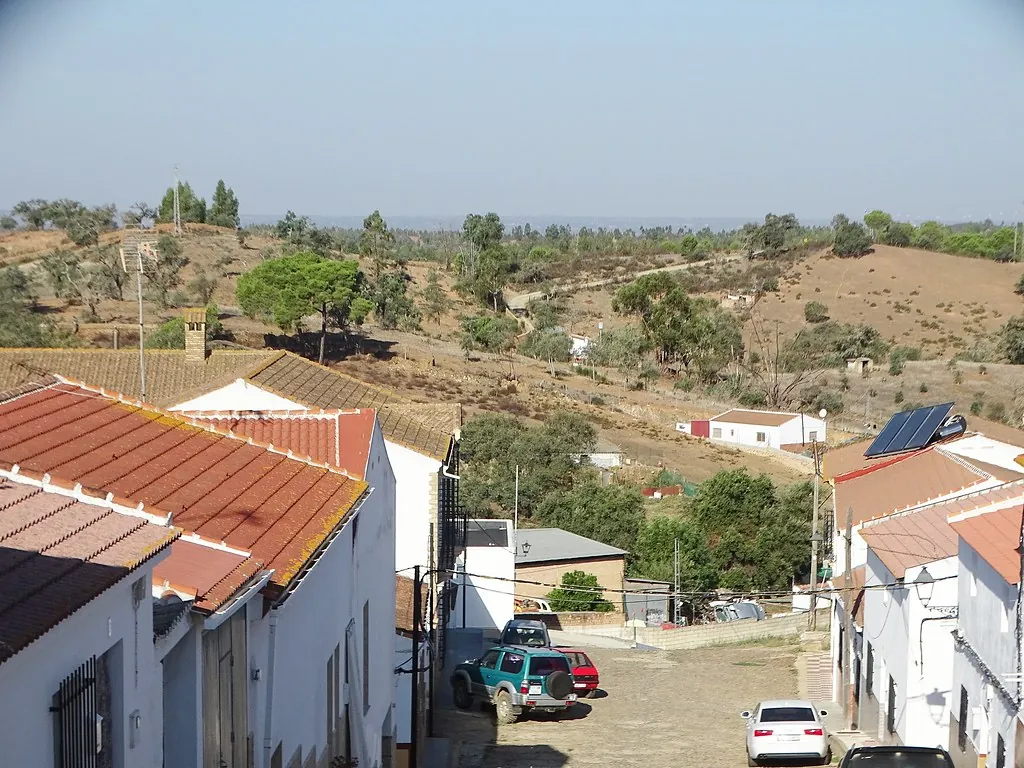
This is not a place built for postcards. It is a place that works. Streets are wide, industrial buildings sit alongside homes, and shop windows display boots, belts and leather goods as if they were jewellery.
The importance of footwear here goes back decades. It is often said that things began to grow in the mid 19th century, when local artisans started making boots that travelled far beyond the surrounding area. Over time, that craft developed into a full local industry. Today, there is even a collective brand linked to the town’s name, something relatively unusual in Spain.
Spend a little time in a square or on a terrace and conversations reveal how deeply this industry runs. People talk about factories the way others talk about football teams. Someone’s cousin works in one workshop, a brother-in-law has just started in another. Work and identity are closely tied together.
Food that comes straight from the land
Eating in Valverde del Camino tends to be straightforward. Sit down and order chacina, a broad term for cured meats. Iberian ham from the area appears regularly, and it feels like a natural part of the menu rather than something added for visitors. The nearby dehesa of Andévalo, a landscape of pasture and woodland where pigs are raised, has supplied the town for generations.
Alongside that, there are dishes that feel rooted in home cooking. Tomato soups made with day-old bread, stews flavoured with paprika, and chocos en salsa, a squid dish in a rich sauce, all show up in local kitchens. These are the kind of meals that call for bread to mop up the plate.
Around Easter, bakeries fill with pestiños. These are small pieces of fried dough coated in honey, sticky enough that one easily turns into two. Honey itself is common in the area, especially varieties such as rosemary or heather, both widely produced nearby.
Ancient stones and a red river
Just outside the town, several prehistoric dolmens stand quietly in the landscape. At first glance they can look like large stones placed without much order. A closer look makes it clear they have been there for thousands of years, long before any of the roads that now connect the area.
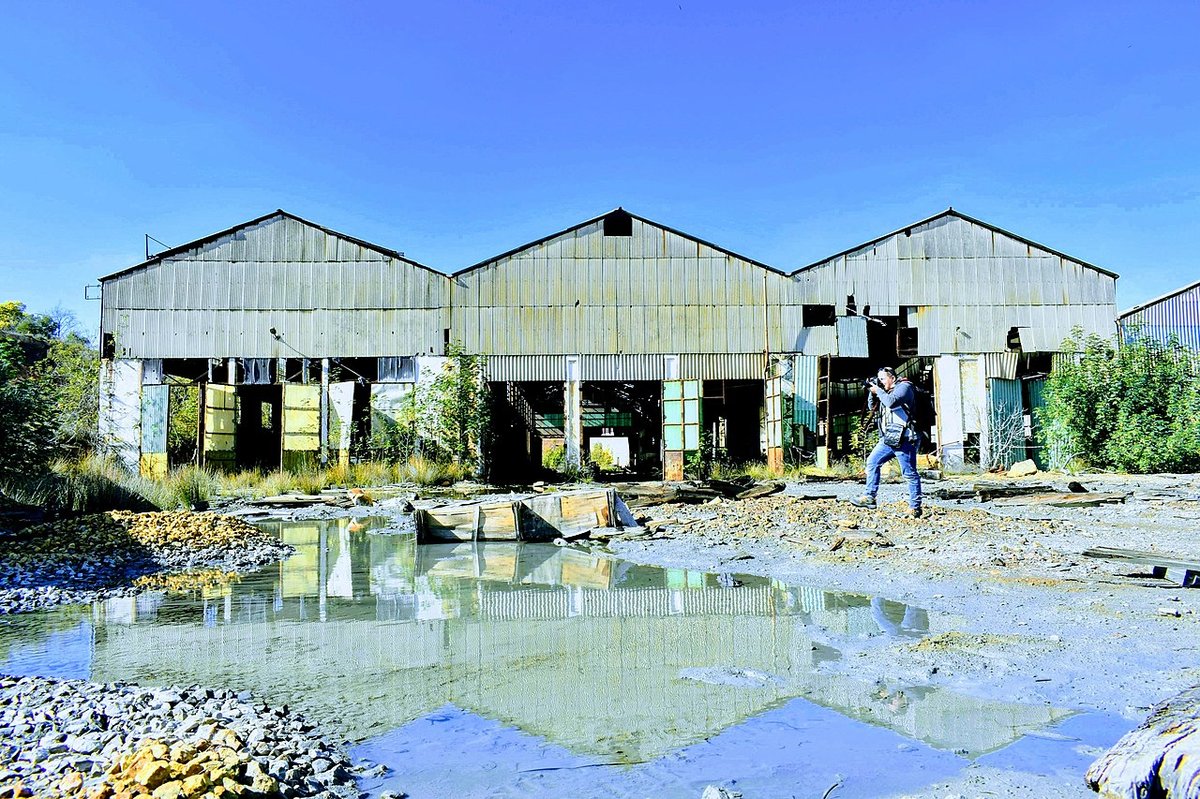
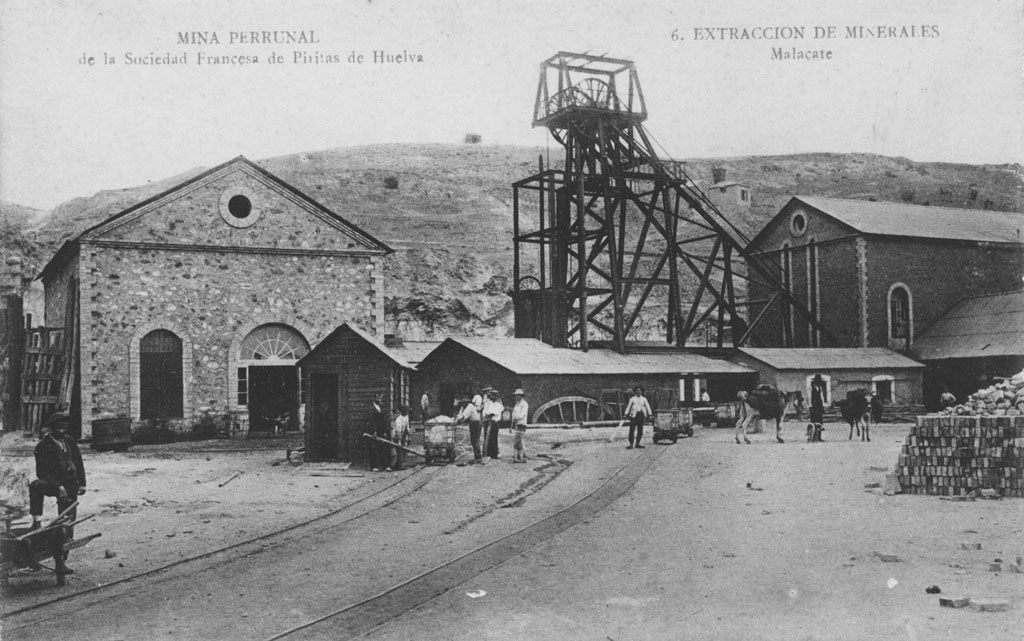
Valverde del Camino also sits along the Camino Natural del Río Tinto. This walking and cycling route follows the line of former mining infrastructure, stretching across several kilometres. It is generally easy to walk and is often used by cyclists and people heading out for a relaxed stroll.
The Río Tinto itself is striking. Its reddish water can seem almost unreal at first sight. The colour is not an artificial effect. It comes from the minerals in the ground and from centuries of mining activity across the basin.
When the heat builds, locals often head to nearby streams and small waterfalls. These are not dramatic landscapes with large cascades or built walkways. They are simple places, where a towel on a rock and a bit of shade are enough to spend a summer afternoon.
When the town moves outdoors
Among the most recognised events in the local calendar is the romería of San Pancracio. A romería is a traditional pilgrimage that mixes religious devotion with a strong social element. In this case, people head to a nearby pine grove, often for a full day or even a weekend. There are carts, food and music, and the atmosphere leans heavily towards gathering with friends and families who have known each other for years.
A few months later, the focus shifts to the fair dedicated to the Virgen de los Dolores. Instead of the pine grove, activity centres on the fairground. The idea remains similar: marquees, music, children running around and constant encounters with familiar faces while walking through the space.
A simple plan for a visit
A morning is a good time to see Valverde del Camino at its most active. Some workshops and factories sell directly to the public, and there is more movement in the streets early in the day.
A walk through the centre gives a sense of how the town fits together. After that, sitting down for a relaxed meal is part of the rhythm. If there is still energy to spare, a short stretch of the Camino del Río Tinto offers a quick way to understand the surrounding landscape and its connection to mining. Even half an hour is enough to see the terrain and grasp that relationship.
Leaving space in a bag or car is wise. Between a pair of boots, some cured meat and a jar of honey, it is easy to carry away more than expected.
Valverde del Camino does not try to present itself as a rural backdrop. It is a working town, shaped by leather, the dehesa and long-standing trades. Whether or not it produces the perfect photograph does not seem to matter much here.