Full Article
about Humilladero
Antequeran plain town ringed by olive groves, close to protected natural areas like the Sierrecilla.
Hide article Read full article
On Mondays there is no bread in Humilladero. The baker says so as he closes the oven in the early afternoon. It is not yet two o’clock and only two rustic loaves remain. Outside, in the square, a man reads the newspaper at a 1960s kiosk. There are no tourists. None are expected.
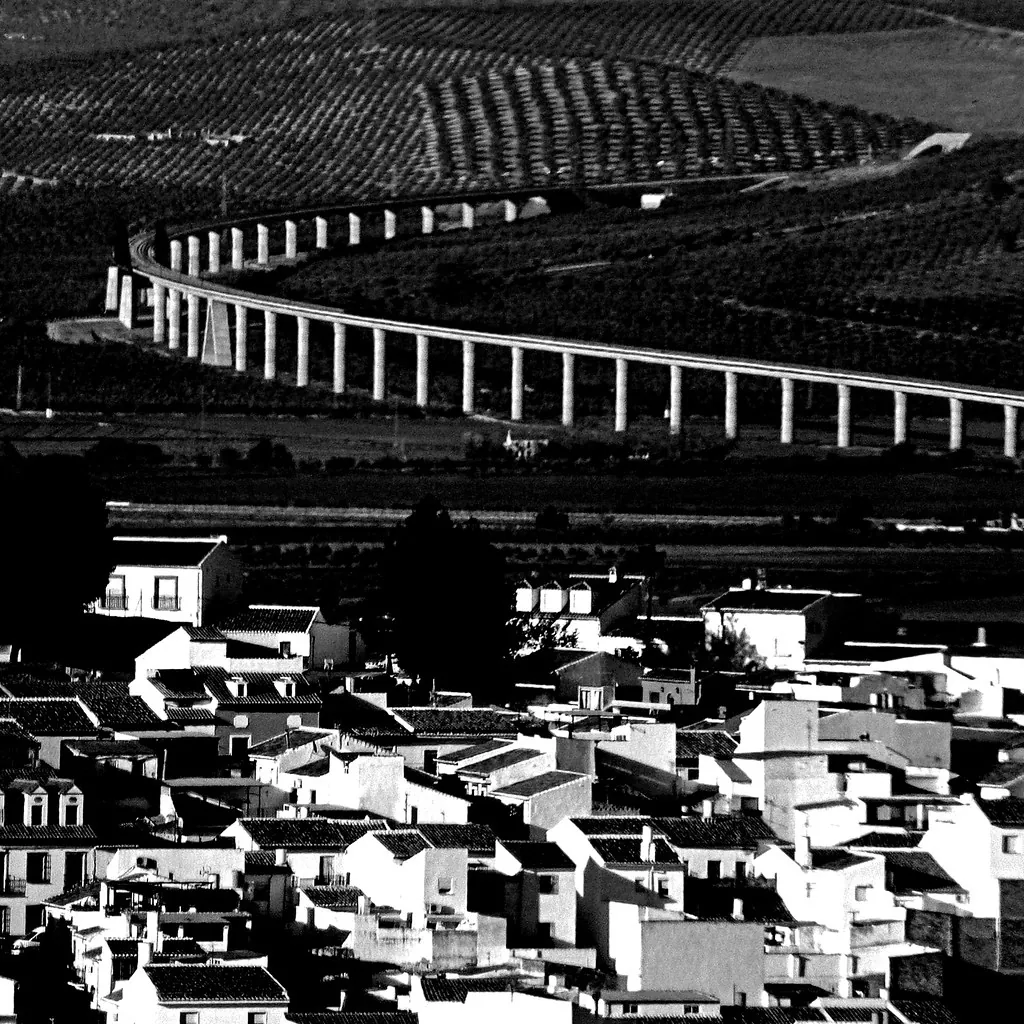
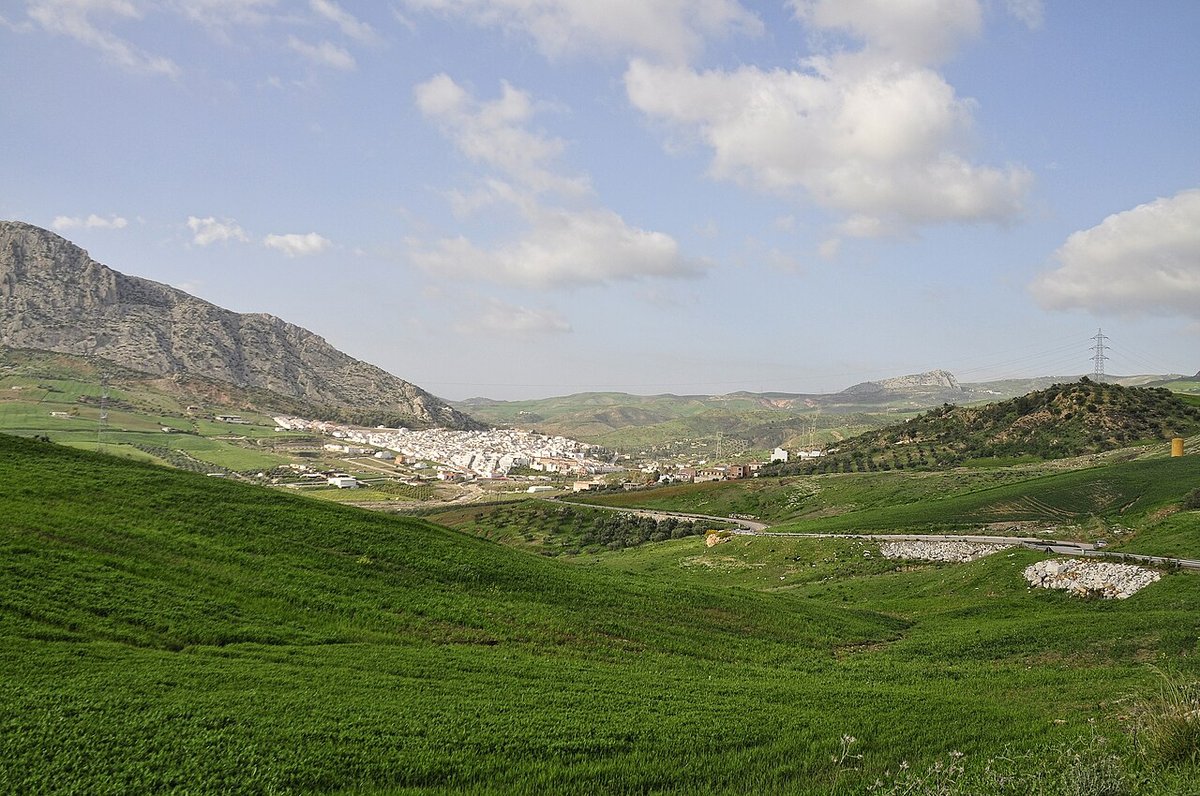
Humilladero sits in the north of the province of Málaga, close to Antequera and within easy reach of the A-45 motorway. It is the sort of place you pass on the way somewhere else. Yet it has its own rhythm, shaped more by daily routines than by visitors with cameras.
Getting There and Parking
From Málaga, the drive is just over 60 kilometres along the A-45. You pass Antequera and within a few minutes you are there. The village lies right by the road, with no complicated approach.
There is a large car park behind the town hall. It is usually empty. In summer there are more cars during the local fiestas, but for the rest of the year there is ample space.
If heading towards the caves, it makes sense to leave the car near the industrial estate. The streets in the centre are narrow, and circling around achieves little. Humilladero is compact and easy to cover on foot once parked.
A Name with an Uncertain Past
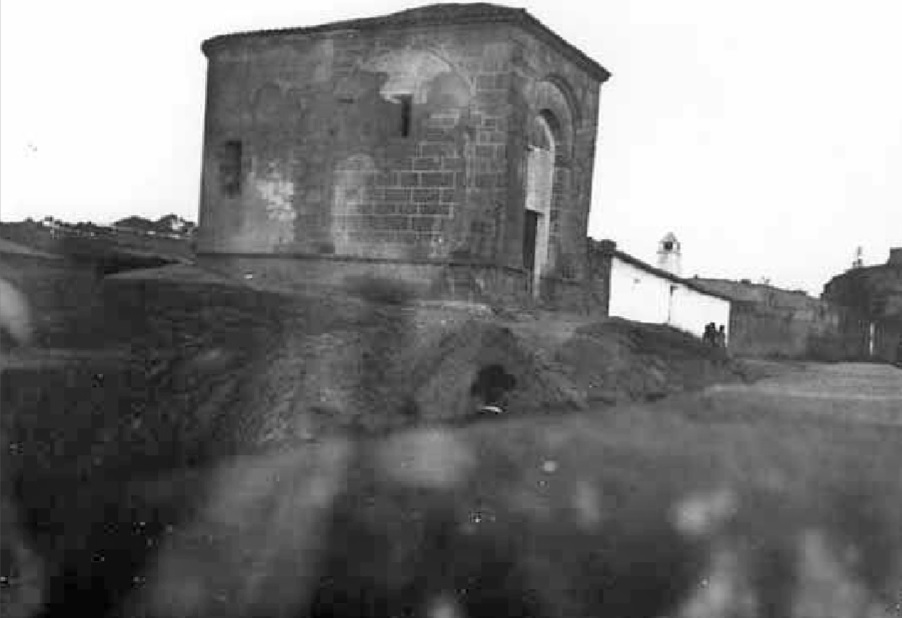
According to a plaque in the village, the name Humilladero dates back to 1410. It says that the infante Don Fernando knelt here before his father’s sword. From that act of kneeling, humillarse in Spanish, the place supposedly took its name.
That is the version set in stone. In everyday conversation, certainty is harder to find. Locals are not entirely sure of the story. What they do know is that the cross marking the spot today is not the original. Earlier crosses disappeared over time or during periods of war.
The site itself is simple. There is a small viewpoint with stone benches and a wrought-iron lamppost. Olive trees stretch out in every direction. On clear mornings, Pico Pillo cuts across the horizon. The landscape is open and agricultural, defined by rows of olives rather than dramatic contrasts.
What to See, and What Not
The parish church is ordinary in appearance and was refurbished a few decades ago. Its bell tower rises above the rooftops and can be seen from almost anywhere in the village. If you lose your bearings among the narrow streets, the tower helps you find your way back.
About two kilometres from the centre are the artificial caves. They were once used to store grain. The best known is the Cueva del Zapato. Inside there are several chambers and an opening at the top that acted as a chimney. A visit is brief. You step in, look around, and step back out again. It does not require much time.
For those who prefer a short walk, Pico Pillo is the more appealing option. The climb is not long, though it has a steady incline. At the top stands a metal cross and a stone bench. On clear days, locals say you can see as far as the lagoon of Fuente de Piedra. Visibility is not guaranteed, but when the air is clear the view stretches across the surrounding countryside.
None of these sights are presented with fanfare. The church has no grand claims. The caves are practical rather than decorative. The hilltop cross is simple. Humilladero does not attempt to impress. It carries on as it always has.
When to Go, and When to Think Twice
Spring is usually the best time to visit. The fields are green and the heat has not yet become intense. The surrounding countryside looks at its freshest then, with olive groves and open land softened by milder temperatures.
In April, the village celebrates San Marcos. Temporary stalls are set up in the fairground area and there is music at night. It is one of the few moments in the year when the pace picks up and more people gather outdoors.
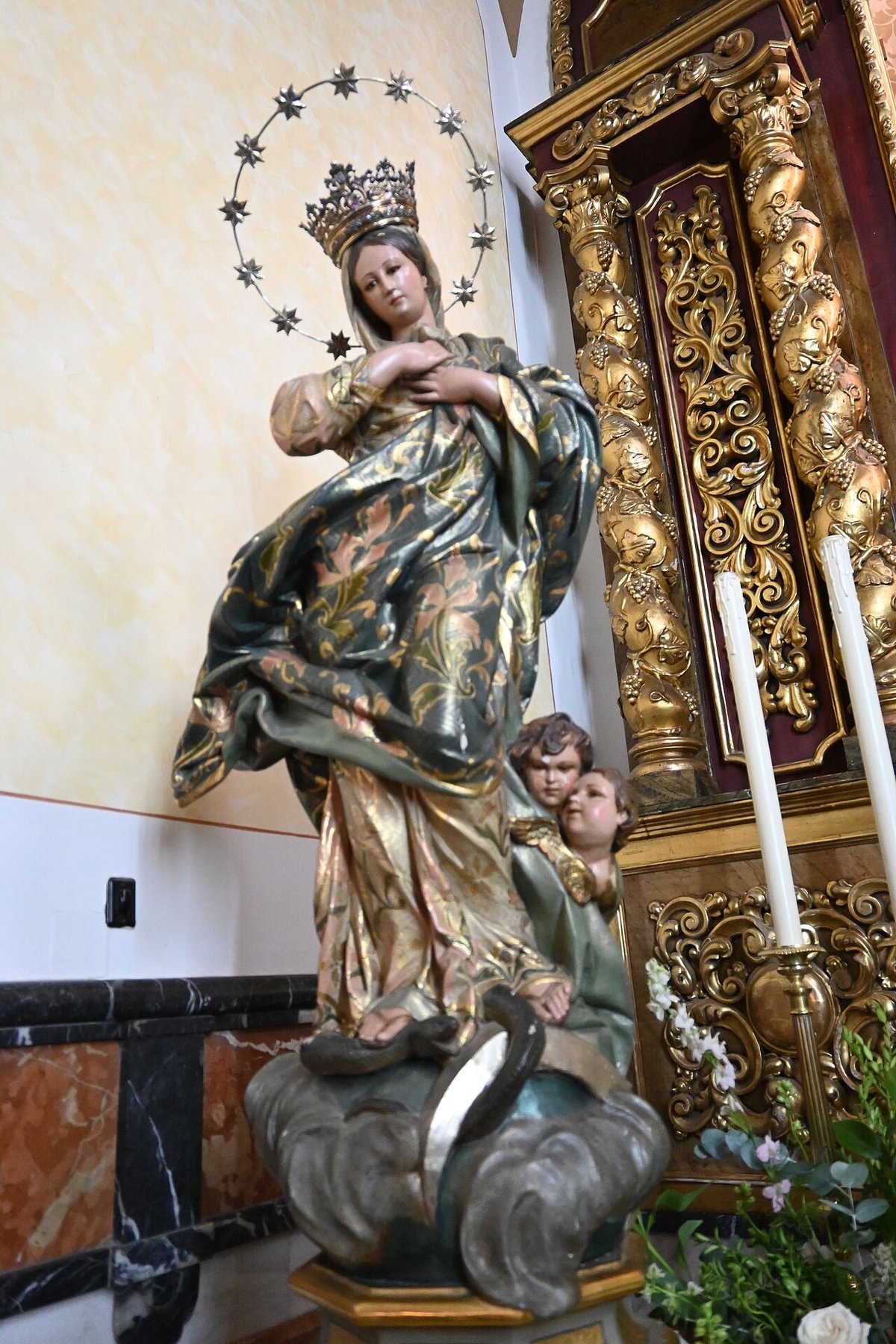
August also brings more activity, with the romería of the Virgen del Rosario. A romería is a traditional pilgrimage or procession, often combining religious devotion with social celebration. Outside these occasions, life returns to its usual calm.
July and August can be harsh. The sun is strong and there is little shade. Winter brings a chill that feels sharper than the map might suggest. Humilladero sits inland, and temperatures reflect that.
A Short Stop, Nothing More
Humilladero works best as a brief stop. Two hours are enough.
A walk around the square, a look at the caves, perhaps the climb up Pico Pillo if the weather allows. After that, the road continues. Antequera is nearby and has more movement, more monuments, more visitors.
Here, daily life takes precedence. The village is designed for those who live in it, not for those passing through with a checklist. The bakery closes. The newspaper is read. The large car park remains mostly empty.
In a time when many destinations compete for attention, Humilladero does not. It sits by the motorway, close to bigger names, content with its routines. For travellers moving between Málaga and Antequera, it offers a pause rather than a programme.
There is something straightforward about that.