Full Article
about Mollina
A farming town in central Andalucía known for its DO wines and the Belén Museum.
Hide article Read full article
A village shaped by its surroundings
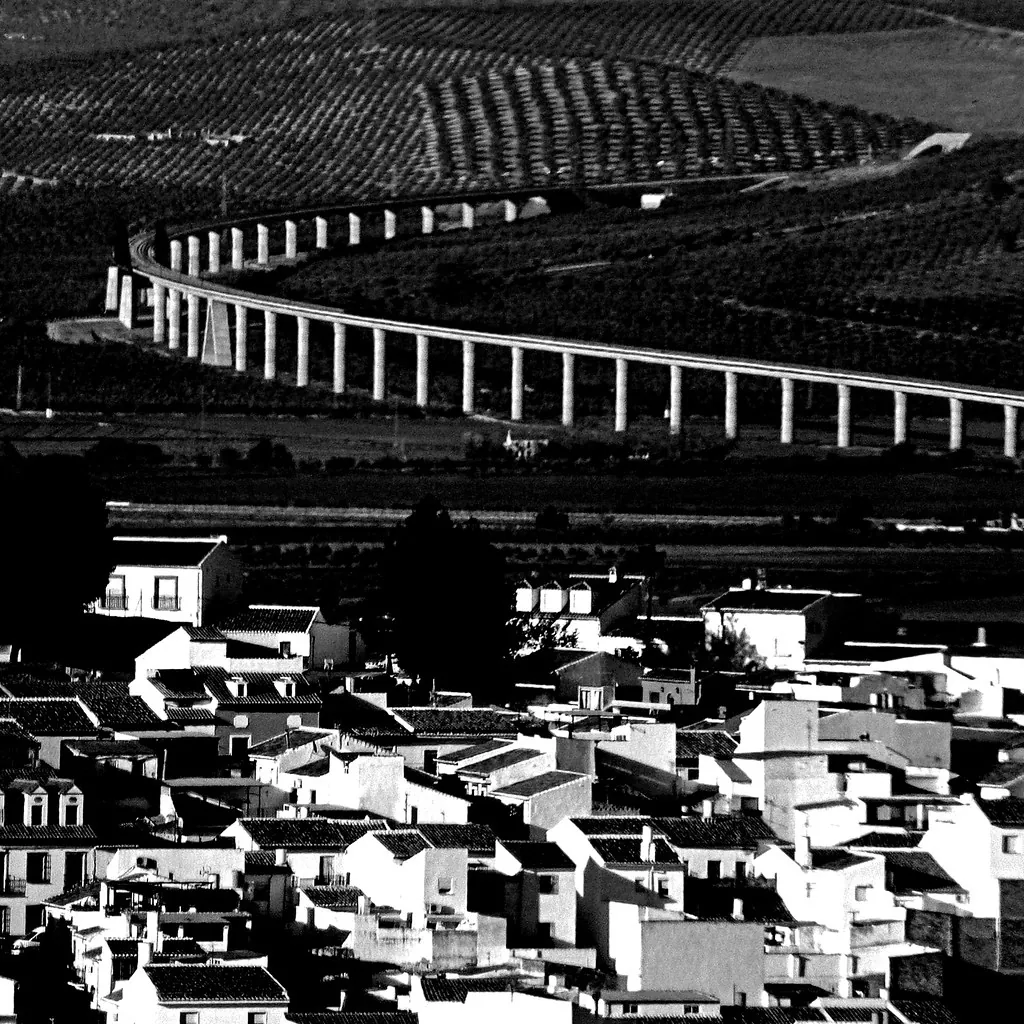
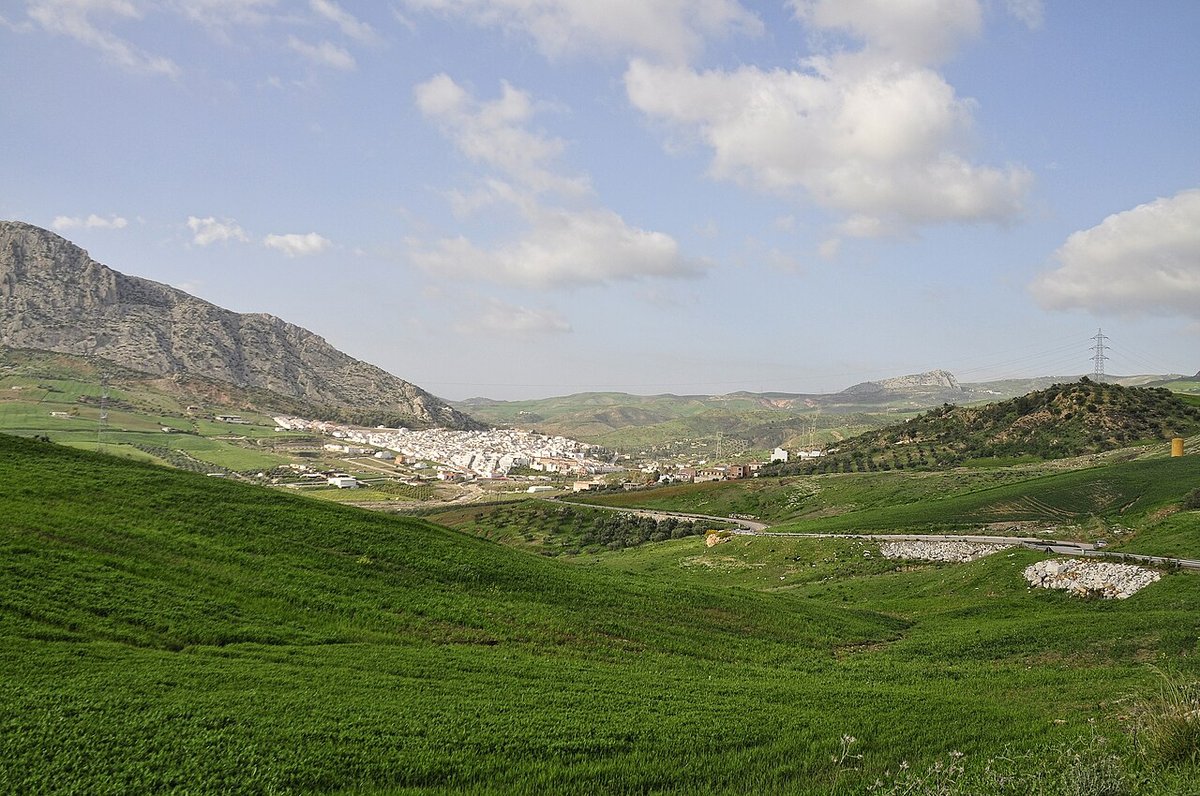
Mollina, in the Antequera area, makes the most sense when you look beyond its streets. The village sits among vineyards, and for much of the year agricultural work sets the pace of daily life. In September, when the grape harvest arrives, grape treading still takes place in the main square. Long-time residents and foreign neighbours share the same space, a mix that reflects what Mollina has become: a farming community in inland Málaga that also attracts people who prefer life away from the coast.
This balance between continuity and change shows up in small, everyday ways. English can often be heard alongside Spanish, and local celebrations bring together those who have been here for generations with others who arrived more recently. The result is not a staged contrast but a lived one, tied closely to the rhythms of the land.
The vineyards that define the landscape
At around 480 metres above sea level, between the open countryside of Antequera and the low hills of the Sierra de la Camorra, much of Mollina’s territory is given over to vines. Moscatel and pedro ximénez are the main grape varieties, typical of this part of Málaga. The landscape is made up of orderly plots on reddish soils, linked by farm tracks that run between cortijos and small wineries.
Wine has been part of local life for a long time. There are references to vine cultivation in the modern period, and like other areas in the province, the sector went through several reorganisations after the phylloxera crisis of the 19th century. Even so, vineyards remained one of the economic foundations of the village.
This connection to wine has left its mark on the layout of Mollina. The main streets are straight and relatively wide for a place of this size. Many traditional houses still have large ground-floor doorways, originally designed for carts or pack animals. Some retain a domestic bodega, a cool room where clay jars or barrels of wine were stored.
Traces of earlier settlements
The area around Mollina has been inhabited since Roman times. On the hill known as cerro del Santillán, remains of a rural villa have been recorded, linked to routes that connected Antikaria, present-day Antequera, with other inland settlements in the Roman province of Baetica. Archaeological work has uncovered domestic structures and fragments of mosaic, studied during occasional excavation campaigns.
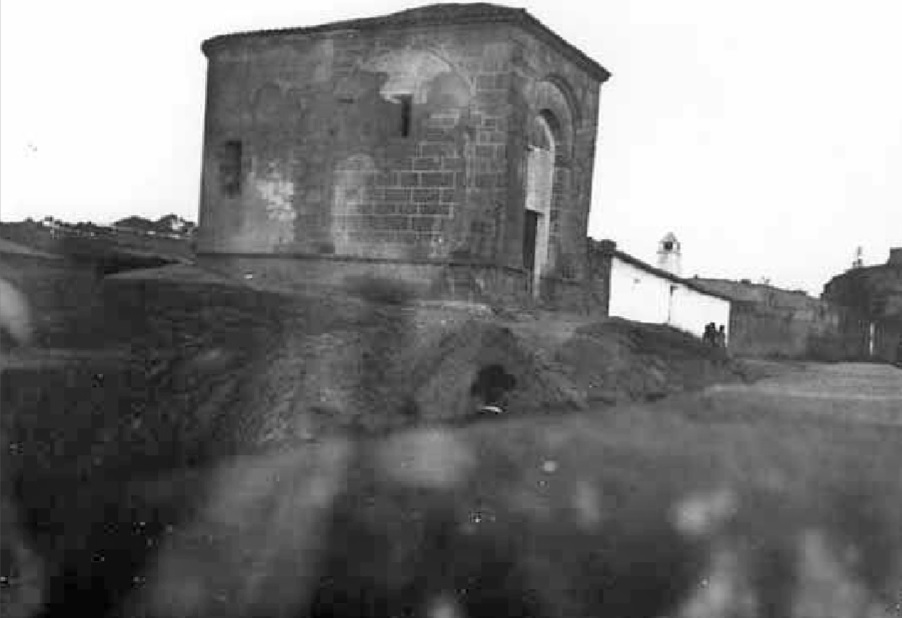
Another well-known site is the so-called mausoleo de la Capuchina, a Roman funerary structure on the outskirts of the village. Its cylindrical shape has led many locals to refer to it simply as “el torreón”, the tower.
The name Mollina is often associated with hydraulic mills from the Andalusi period, which used small watercourses descending from the nearby hills. Along some rural paths, there are still remains of walls or isolated towers. These likely formed part of defensive systems or territorial control during that time, though not all have been fully studied.
The church and the village’s expansion
The church of Nuestra Señora de la Oliva offers a clear sense of how the settlement grew. The first hermitage, built in the 16th century, originally stood on the outskirts, next to farmland. Over time, the village expanded in that direction until the building became part of the urban centre.
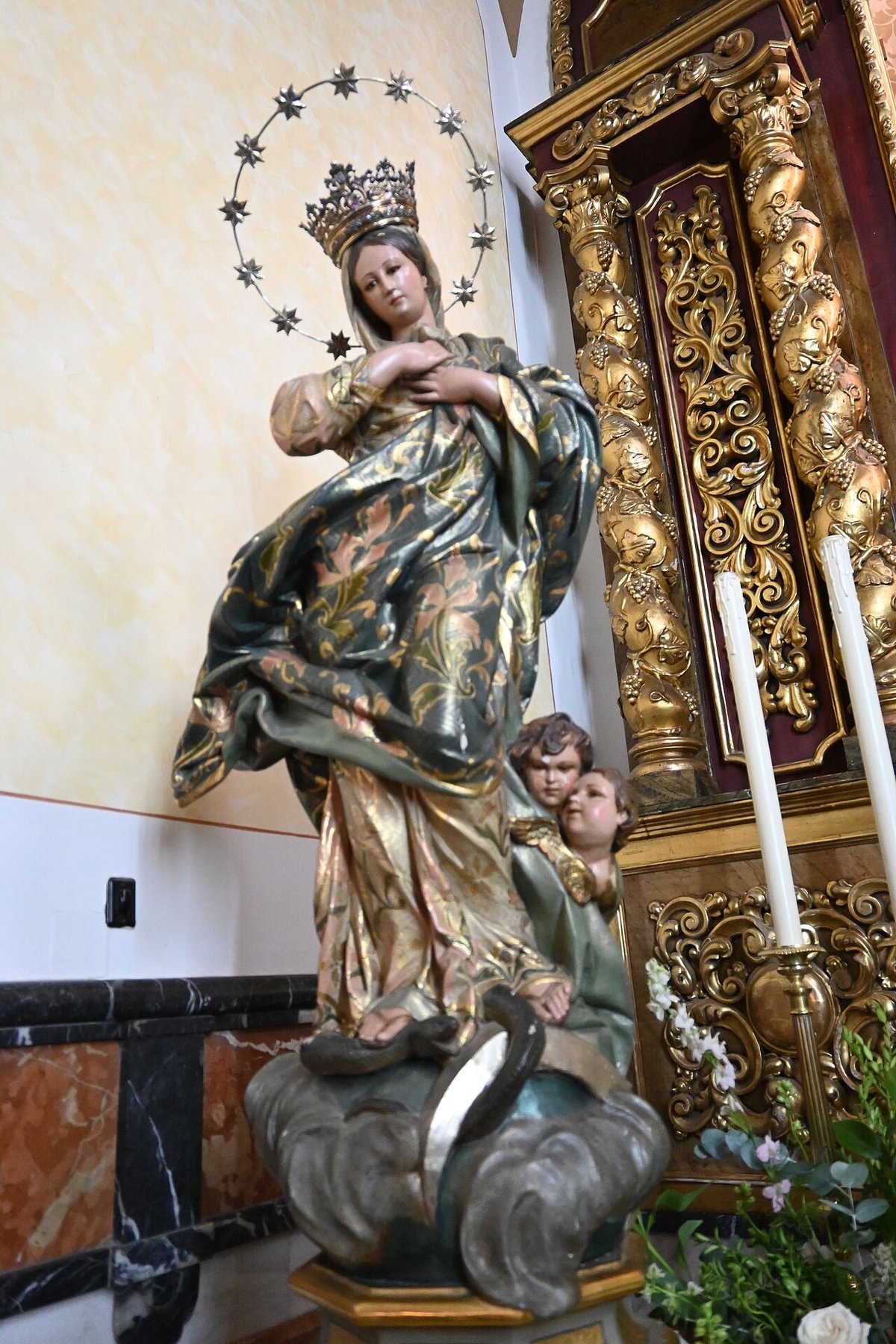
The present church is the result of later enlargements. Inside, there are pieces from different periods, including a Marian image that local tradition considers older than the building itself.
Religious life also included the convent of the Ascensión, founded by Franciscans. Institutions like this were not limited to spiritual matters. In many cases they played a role in organising agricultural activity and spreading techniques linked to cultivation or the production of local goods.
A shared way of life
From the late 20th century onwards, Mollina began to attract foreign residents looking for homes inland in Málaga province. A significant number come from the United Kingdom and live in residential areas on the edge of the traditional centre.
Living side by side is part of everyday life. Foreign residents take part in municipal activities, language classes and local festivities. During events linked to wine or the farming calendar, the mix becomes especially visible, with neighbours sharing food, conversation and customs that have long been part of the village.
Walking through Mollina
The centre of Mollina can be explored on foot without difficulty. The plaza de la Constitución acts as a reference point, with several main streets leading off from it.
Attention tends to settle on the older façades: whitewashed houses of one or two storeys, simple iron grilles and wide doorways that recall their connection to agricultural work. Some municipal buildings display tools and objects related to traditional winemaking, offering a closer look at practices that shaped the local economy.
It is worth heading out along the surrounding rural tracks if possible. From there, the extent of the vineyards becomes clearer, and the setting that defines Mollina comes into view.