Full Article
about Camas
Gateway to El Aljarafe and birthplace of bullfighters, where the Tartessian Treasure of El Carambolo was found.
Ocultar artículo Leer artículo completo
The 06:15 Ryanair departure from Gatwick dumps you at Seville airport before the cafés open. Ten minutes later, if the taxi driver doesn’t object to short fares, you’re already in Camas watching locals queue for breakfast at a bar that still smells of last night’s frying oil. No winding cobbles, no geraniums—just tiled façades, parked hatchbacks and the first cigarette of the day lit beside a cash machine that hasn’t worked since 2019.
Brick Stacks and Bread Soup
Camas keeps its history in plain sight: red-brick chimneys rise between 1990s apartment blocks like exclamation marks no one bothered to remove. They are leftovers from the kilns that once supplied Seville with glazed roof tiles and the ornate ceramics still bolted to the Alcázar walls. One stands beside the municipal pool; another looms over a petrol station. None comes with an interpretation board, so the story has to be pieced together from the small heritage room inside the town library (open Tuesday–Thursday, free, lights off until you find the switch).
The easiest souvenir is edible. Sopeao, a thick tomato-and-bread soup fortified with cumin and hard-boiled egg, appears on weekday lunch menus for €6. Order it at Bar Genesis on Calle Ancha and you’ll get a metal bowl big enough to use as a helmet. The same chalkboard lists menudo (tripe stew) and lengua de toro—safe choices only if you grew up eating tongue at grandmother’s Sunday table.
A Parish Church and a Half-Day Radius
Santa María de Gracia, the parish church, is unlocked for precisely twenty minutes before Mass. Inside, the smell is of floor polish and candle smoke rather than incense; outside, swallows nest between the buttresses and teenagers practise skateboard tricks against the steps. The building is a palimpsest: fifteenth-century base, eighteenth-century tower, twentieth-century roof after lightning did what the Civil Guard couldn’t. Don’t expect frescoes or guided tours; expect a working church where someone will shush you if the bell rings.
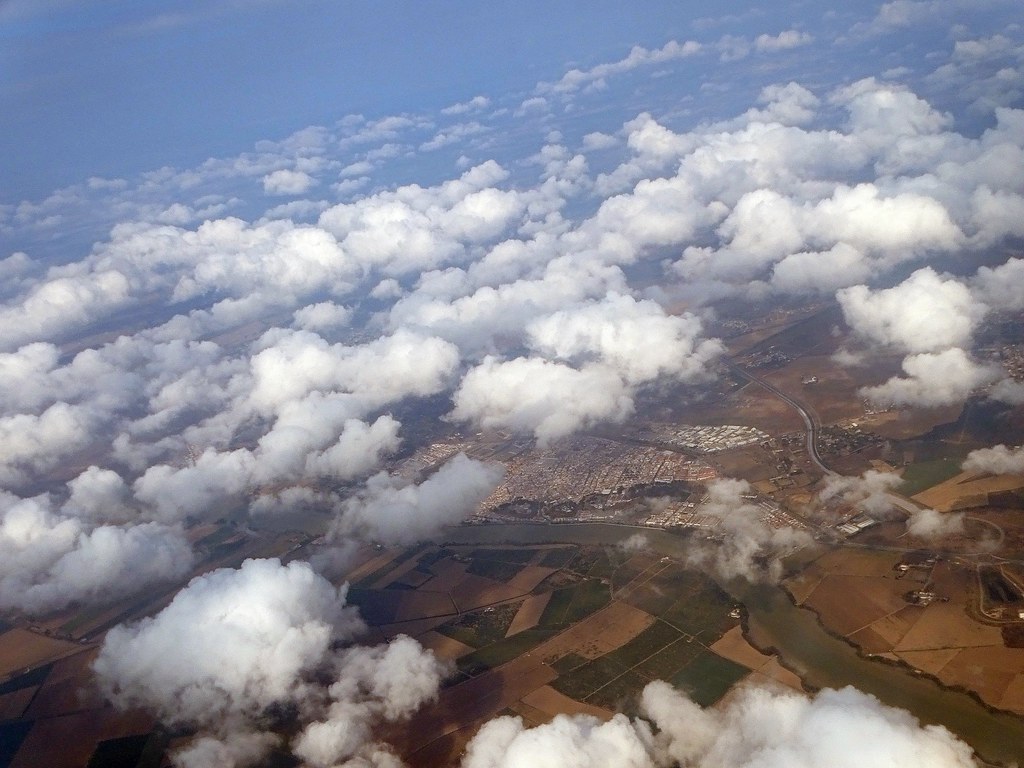
From the church door you can walk to everything in twenty minutes. Head south and the streets widen into avenues named after bullfighters—Camas bred Curro Romero, whose statue strikes a matador pose beside the health centre. Keep going and you hit the Guadalquivir flood plain, now a linear park with exercise machines that creak like ship rigging. Across the water, Seville’s skyline performs its daily trick of looking both close and unreachable; the city centre is only seven kilometres away, but the last bus back leaves at 22:30, after which a taxi meter races to €30 before you’ve found your seatbelt.
Sleep Cheap, Park Free
Hotels are thin on the ground: the three-star JM Camas occupies a former pottery warehouse and still smells faintly of clay. Week-night doubles drop to €55 including garage parking—handy if you’ve hired a car to escape the airport queue. British visitors use it as a budget base for Seville, then discover the trade-off: Camas shuts early. By 23:00 even the kebab shop has pulled down its shutter; the only sound is the hum from the A-49 that links Huelva’s chemical plants to Portugal.
Morning compensates. Market day is Wednesday: stallholders from the Aljarafe arrive with strawberries that actually taste of something and with wedges of payoyo goat’s cheese wrapped in waxed paper. The cheese travels well—buy a quarter wheel, wedge it between T-shirts and hope customs at Gatwick is in a good mood.
Industrial Relics without the Gift Shop
Serious ceramics buffs should abandon hopes of a tidy open-air museum. Instead, download the town hall’s PDF walking route and prepare for urban treasure hunt. The old San Miguel kiln on Calle Pescadería is now a municipal storage depot; peer through the fence and you’ll see the fire mouth bricked up with modern concrete blocks. Further east, the Horno del Alcázar has been converted into loft-style flats where satellite dishes sprout like metal mushrooms from the chimney flues. Residents tolerate photo-takers but won’t slow the lift for them.
If you need context, ride the bus to the Cartuja monastery on Seville’s island—twenty minutes, €1.55—and finish at the Andalusian Contemporary Art Centre, built inside another ex-factory. The ticket (€3, free Tuesday evening) buys you a chronological loop from Baroque religious panels to a pile of bricks the curators swear is minimalist commentary on labour. Either way, it makes Camas’s own relics easier to decode when you return.
Fiestas, Fireworks and Closed Kitchens
Come September the town stages its feria in honour of Santa María de Gracia. The fairground occupies the polígono industrial, bumper cars competing with reggaeton for decibel supremacy. Locals book restaurant tables months ahead; outsiders find themselves staring at locked doors. The sensible plan is to visit midweek, eat early, then retreat to the hotel balcony with a supermarket six-pack and watch the fireworks reflect off the chimneys. Processions are neighbourhood-scale: one brass band, two thrones, and grandmothers who shove chairs into the street at dawn to reserve front-row seats. It’s charming only if you remember earplugs and don’t mind standing for the Virgen’s entire 400-metre itinerary.
Exit Strategy
Camas won’t detain you long, and that’s fine. Treat it as the place where you shake off jet-lag, park for free and remember how Spanish towns function when tourists are elsewhere. Spend the morning walking the river path counting herons, the afternoon in Seville gawping at the cathedral, and be back before the taxi tariff switches to night rate. One full day is plenty; two if you’re curious about brick kilns and enjoy conversations that rely on gesture more than vocabulary.
Book the return cab the night before—Uber rarely bothers crossing the river at dawn—and leave time to find an ATM that works. The airport is ten minutes away, but the queue for coffee is longer than the security line, and you’ll need caffeine to explain why you spent a weekend in a town most Spaniards can’t place on a map.