Full Article
about Dos Hermanas
Large industrial and residential city with major olive estates and the Andalucía racetrack.
Hide article Read full article
A neighbour of Seville with its own rhythm
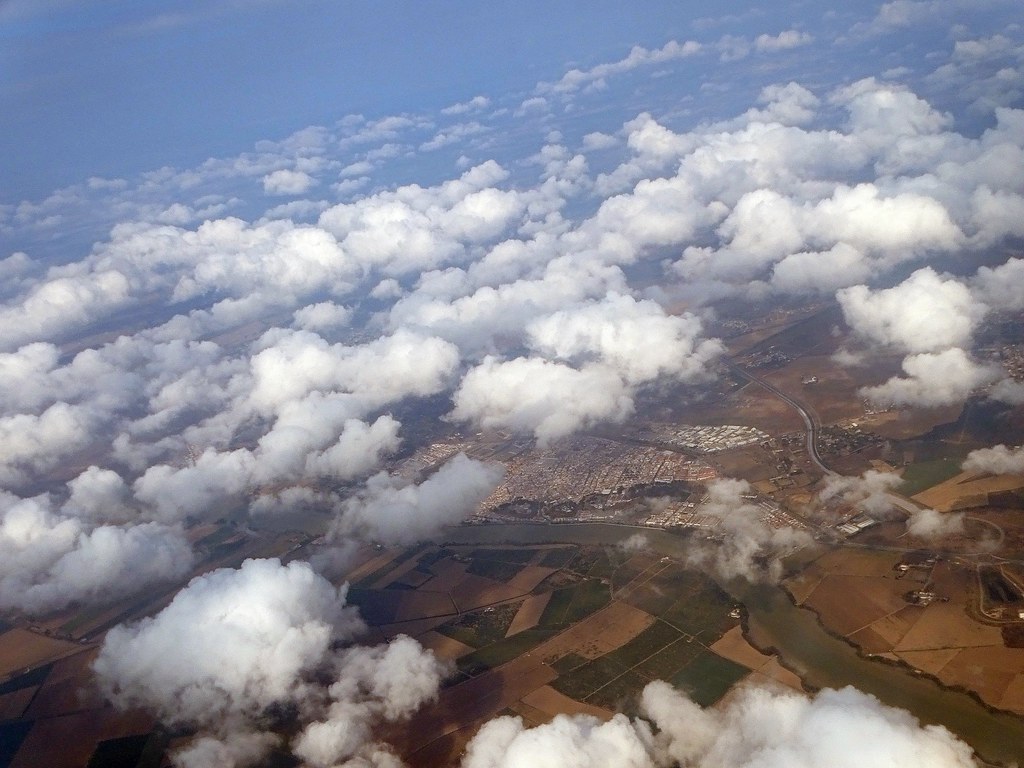
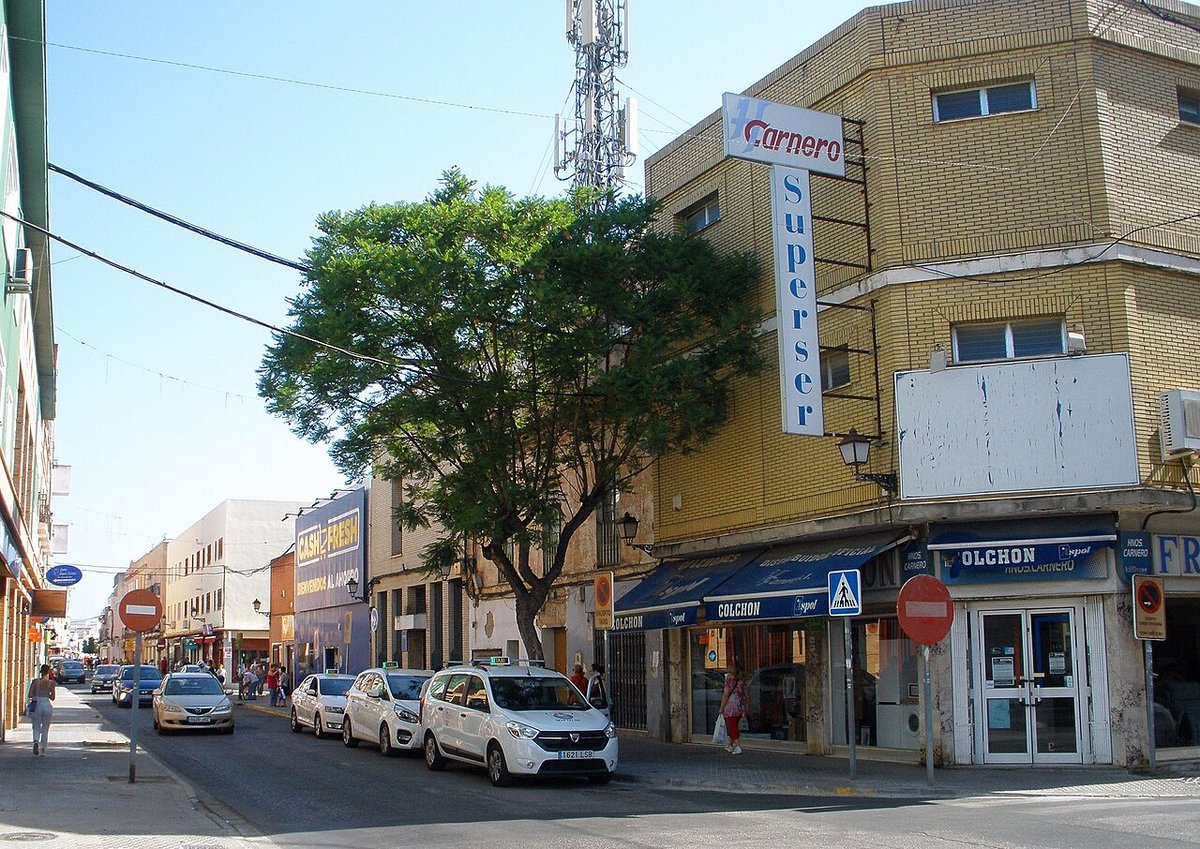
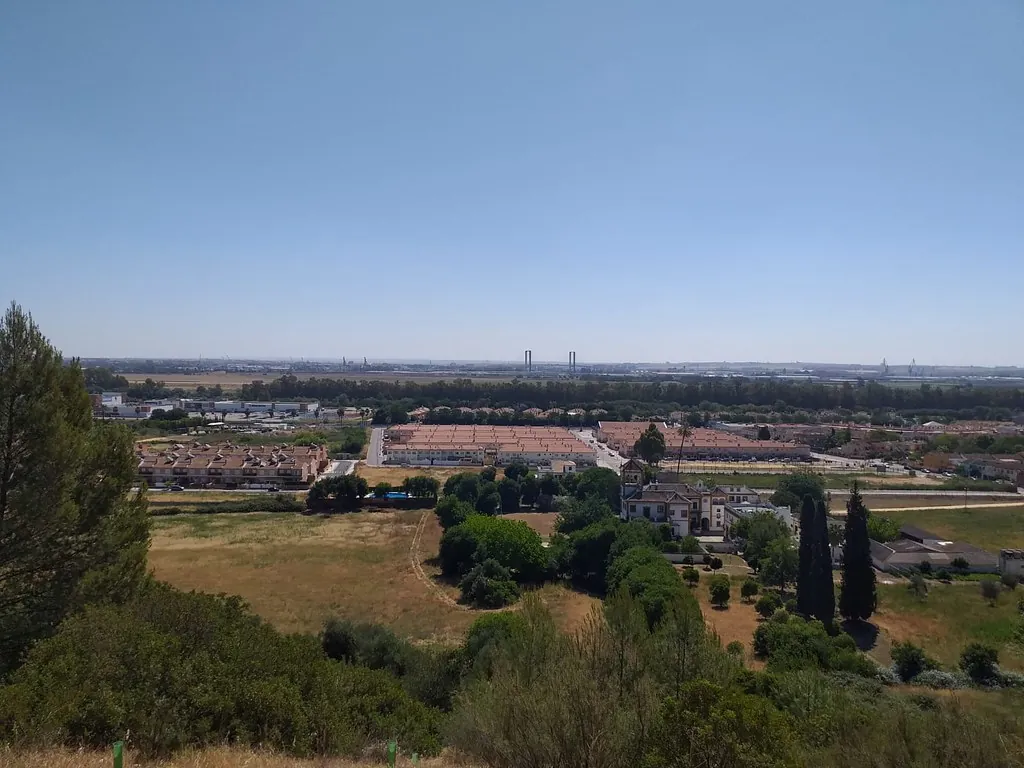
Any look at tourism in Dos Hermanas has to begin with Seville. The city lies around fifteen kilometres from the Andalusian capital and for decades it has been seen largely as a residential extension of the metropolitan area. Many people live here and travel into Seville for work, and modern developments have reshaped much of the municipality.
Yet at certain times of year, another layer of Dos Hermanas comes into view. During Semana Santa and the Romería de Valme, for example, the pace and priorities of the city shift. The inhabitants, known as nazarenos, keep traditions that reach back to when this was still a small agricultural settlement surrounded by olive groves. Those older rhythms remain embedded in local identity, even as the urban footprint has expanded.
From medieval settlement to modern city
Christian foundation is usually dated to 1248, after the conquest of Seville by Fernando III. According to local tradition, two sisters, Elvira and Estefanía Nazareno, were granted land here, and from them came both the name of the municipality and the demonym for its residents. It is difficult to separate documented history from legend in this episode, yet the story forms part of the town’s shared memory.
Long before the medieval period there was activity in the area. In Roman times the mansio Orippo stood nearby, a stopping point on the route that linked the Guadalquivir valley with the coast of Cádiz. Coins bearing that name have appeared in scattered finds, suggesting a settlement of some importance within the Roman road network.
For centuries the economy revolved around olive cultivation and cereal farming, with market gardens linked to the river Guadaíra. The population remained modest well into the twentieth century. Rapid growth arrived from the 1960s and 1970s onwards, when proximity to Seville turned the municipality into a destination for new housing estates as well as industrial zones. In that process it officially acquired city status.
The Torre de los Herberos and traces of rural life
On the outskirts of the urban centre stands the Torre de los Herberos, a defensive structure built in the Almohad period and later modified after the Castilian conquest. It formed part of a surveillance network connected to the control of territory and the roads that crossed this section of the Guadaíra valley.
Today the tower is surrounded by modern infrastructure and commercial areas, yet it still acts as a visual landmark in the landscape. Its presence points to a time when this strip between the Aljarafe and the Sevillian countryside was a guarded frontier zone.
In nearby streets, hints of the former rural environment remain visible. There are low houses and interior patios, along with irrigation channels that still carry water to small vegetable plots. In the nineteenth century the writer Fernán Caballero, the pen name of Cecilia Böhl de Faber, set part of the action of her novel La familia de Alvareda here. The book portrays agrarian society in the province of Seville at that time, offering a literary window onto the world that once defined Dos Hermanas.
Parish church and agricultural estates
At the heart of the historic centre stands the Parroquia de Santa María Magdalena. The current church was built in the eighteenth century, and its tower was completed later, at a moment when the population was beginning to grow more quickly. The location matters as much as the building itself: the church occupies a square where old routes converged, linking Dos Hermanas with Utrera, Carmona and Seville.
Around the town there are several agricultural haciendas that help explain how the surrounding territory was organised. Many functioned as productive complexes devoted to oil or cereal. They included living quarters, a working courtyard, a chapel and spaces for labourers.
Among the best known are the Hacienda de Ibarburu, dating from the eighteenth century, and La Almona, now integrated into the municipality’s cultural life. The Alquería del Pilar is a nineteenth century mansion set within gardens that some authors have associated with the landscape designer Forestier, although this attribution is not always clearly documented.
For generations these properties concentrated a large share of local economic activity. Landowning families managed extensive olive groves and farmland encircling the urban core. Their estates shaped both the landscape and the social structure of the area.
When brotherhoods shape the calendar
Semana Santa in Dos Hermanas carries significant weight in local life. Several hermandades, or religious brotherhoods, process through the streets between Palm Sunday and Easter Sunday. Many residents take part as nazarenos in penitential robes, as costaleros who carry the floats, or as musicians accompanying the images.
The brotherhood of the Vera Cruz is often regarded as one of the oldest in the municipality, with origins that go back to the Early Modern period. Other brotherhoods were established during the twentieth century as urban growth brought new neighbourhoods and communities. Over the course of the week the processions move through the centre and along some of the main avenues, altering the usual tempo of the city for several days.
Outside Holy Week, the best known celebration is the Romería de Valme. Traditionally held in autumn, it brings thousands of people from the urban centre to the sanctuary located on the outskirts. The pilgrimage has a strongly local and family character, and it remains one of the key moments in the annual calendar.
Between the Guadaíra and La Corchuela
Dos Hermanas stretches towards the Parque Periurbano de La Corchuela, one of the green spaces closest to the Seville metropolitan area. Holm oaks, wild olive trees and areas of pine evoke older landscapes that once dominated much of this territory.
The river Guadaíra, which historically supported market gardens and small-scale agriculture, forms part of this wider setting. Together, these natural spaces provide contrast to the built-up districts that have expanded in recent decades.
Understanding tourism in Dos Hermanas therefore involves looking beyond its role as a satellite of Seville. The city’s growth in the late twentieth century is only one chapter. Beneath it lies a longer story shaped by Roman roads, medieval legend, agricultural estates and religious brotherhoods that still mark the year.