Full Article
about La Rinconada
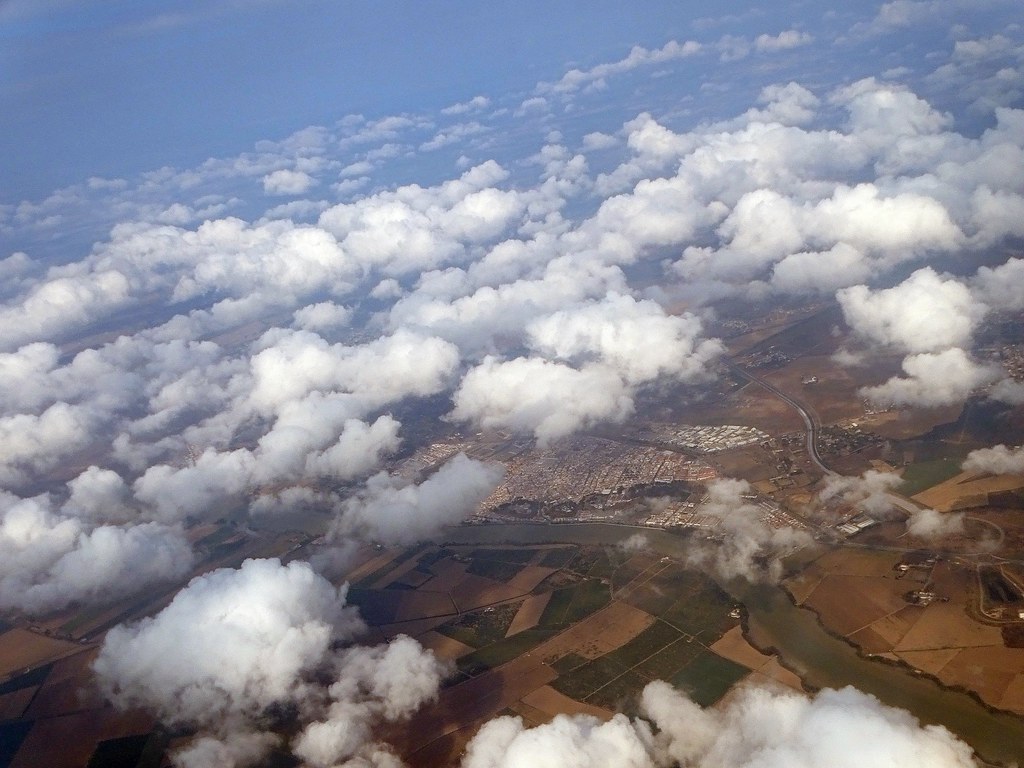
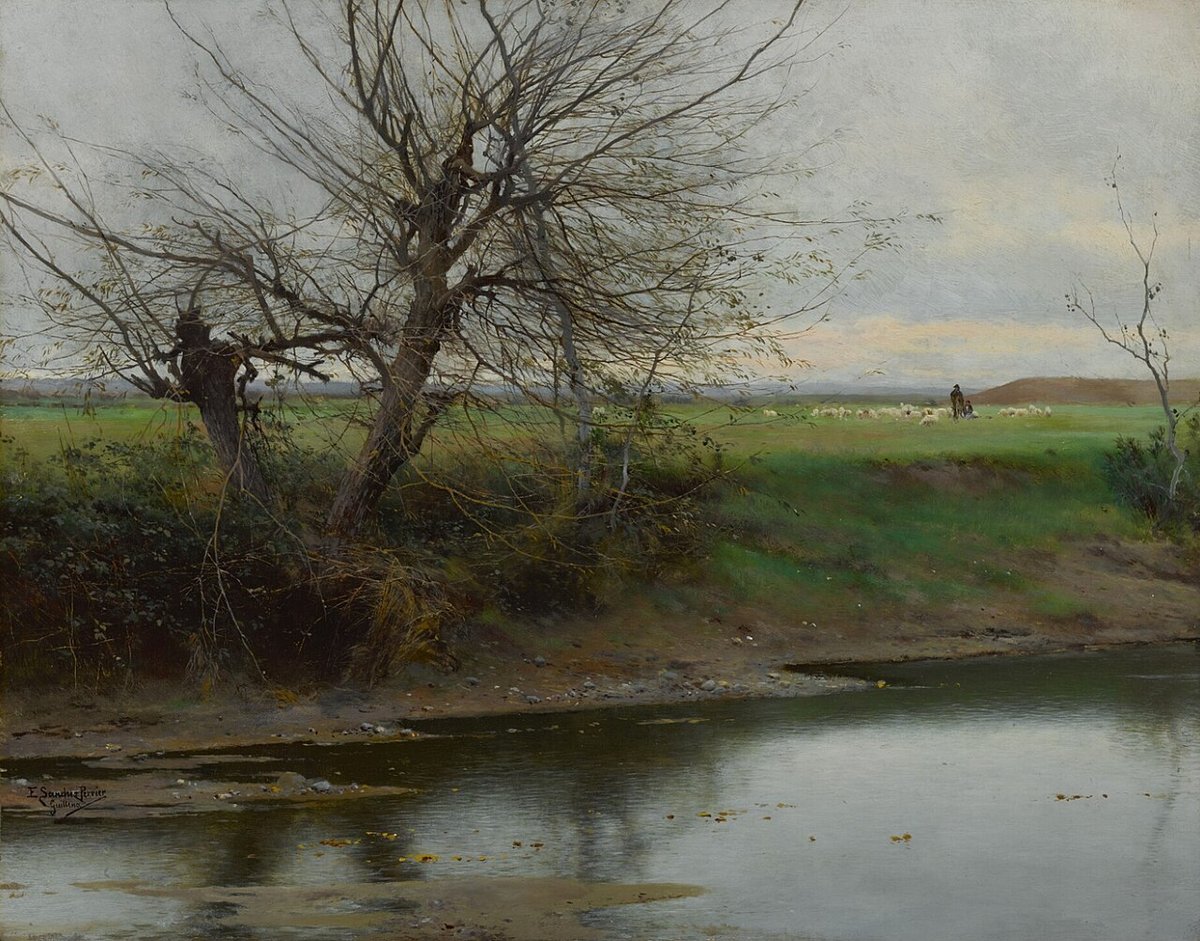
Municipality split into two fast-growing centers with riverside peri-urban parks.
Hide article Read full article
La Rinconada: el vecino que creció con Sevilla
La Rinconada es como ese compañero de piso que siempre está ahí, funcional y necesario, pero al que nunca le haces una visita formal. Vives con él, conoces sus rutinas, pero rara vez te paras a pensar en su historia. Este municipio metropolitano de Sevilla es eso: un lugar donde se vive, se trabaja y se va a la capital. No es un destino, es un hogar para más de 40.000 personas.
Está compuesto por dos núcleos principales, La Rinconada y San José, y se nota que ha crecido a base de añadidos, como un Lego urbano. Hay bloques de pisos, rotondas y colegios. El tráfico de la SE-30 no es un rumor de fondo; es una realidad audible. Pero bajo esa capa contemporánea, la historia aquí es tozuda.
Un origen improvisado: el hospital de campaña
La fundación del pueblo tiene ese punto de solución temporal que se queda para siempre. Durante el asedio a Sevilla en el siglo XIII, el rey Fernando III montó un hospital de campaña junto a un recodo del Guadalquivir para atender a sus tropas. La idea era plegarlo una vez tomada la ciudad.
Pero ya sabes cómo son estas cosas: la gente se quedó. Primero fueron barracones, luego casas, después calles. Lo que nació como una necesidad logística acabó siendo un pueblo con entidad propia. Hoy, esa dinámica sigue: mucha gente vive aquí pero su vida laboral y parte de la social ocurre en Sevilla. Es una relación simbiótica, a veces cansina con el atasco de por medio.
Una iglesia con remiendos visigodos
La iglesia principal, la de Nuestra Señora de las Nieves, arrancó en el siglo XV con un estilo gótico-mudéjar bastante común por aquí. Lo interesante no es su aspecto inicial, sino lo que le fue pasando después.
Con los años le añadieron elementos barrocos por dentro. Y si te fijas en sus muros –algo que casi nadie hace– verás piedras visigodas incrustadas. En la Edad Media no se tiraba nada; si una piedra antigua servía, se usaba. El resultado es un edificio que ha ido sumando capas según se necesitaba, sin demasiada ceremonia. Como el propio pueblo.
La firma inesperada de Aníbal González
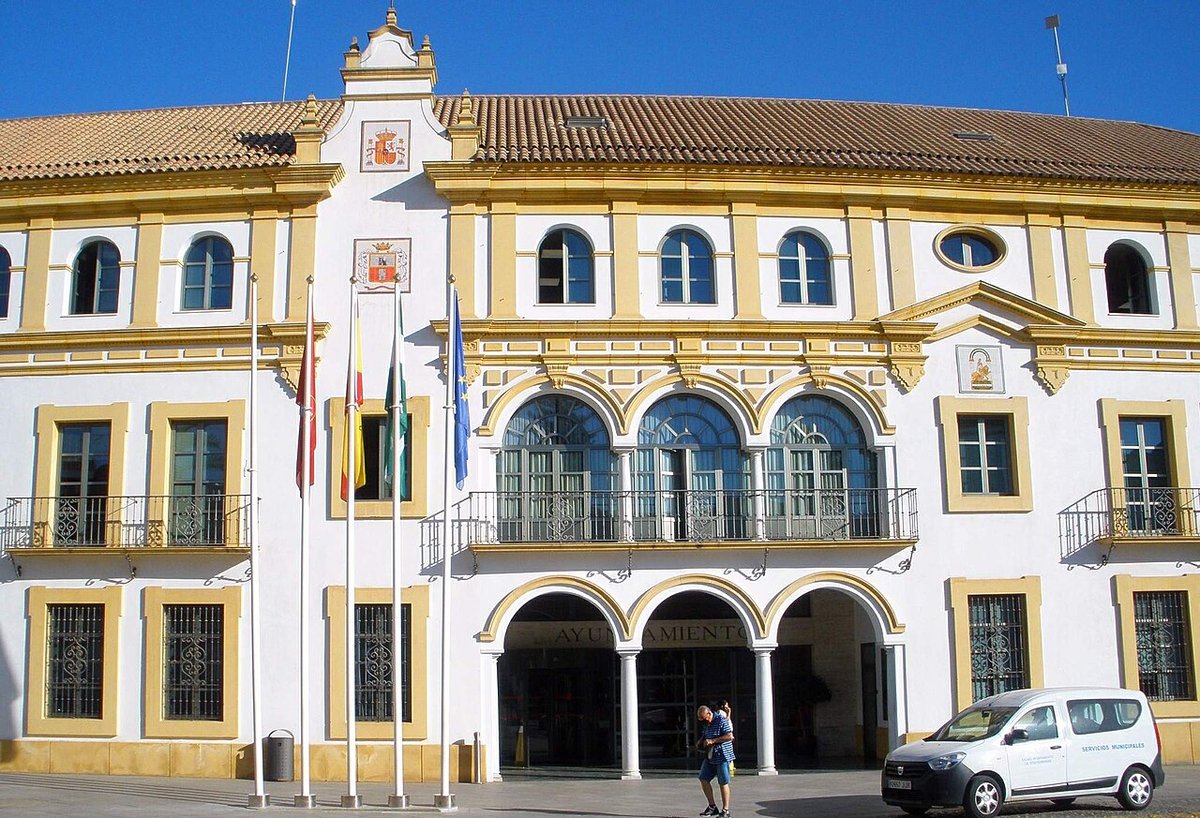
En pleno centro te encuentras con la Casa Consistorial, el ayuntamiento. Su diseño lleva la firma de Aníbal González, el arquitecto de la Plaza de España de Sevilla.
Aquí su regionalismo sevillano aparece en versión reducida y funcional: un edificio municipal de finales de los años 20 que parece un primo menor de las obras mayores de la capital. Es curioso encontrar el sello de un nombre tan grande en un lugar que muchos sevillanos solo conocen por pasar hacia el norte por la autovía.
Cerro Macareno: donde empezó todo
A las afueras está Cerro Macareno. No esperes una acrópolis espectacular; es un cerro modesto donde los arqueólogos han ido encontrando restos tartésicos, fenicios y romanos.
Su lógica era simple: terreno elevado junto al río, con buena visibilidad. Los mismos criterios básicos para elegir un solar hoy, pero hace 3000 años. Los hallazgos están en el museo local, junto a algo más sorprendente: fósiles de elefantes prehistóricos encontrados por la zona. Es uno de esos detalles que te recuerdan que este paisaje ha visto pasar de todo.
Ferias y comida sin pretensiones
Cuando llegan las fiestas, La Rinconada cambia el chip. En Semana Santa sacan a la Virgen de los Dolores y las calles del núcleo antiguo se llenan rápido; tiene ese ambiente de barrio donde todo el mundo cabe porque casi todo el mundo es del sitio.
En San José celebran su feria a principios del verano. No es ni sombra de la Feria de Abril sevillana; aquí son casetas familiares donde es fácil cruzarse con conocidos. Se parece más a una verbena grande del pueblo.
Para comer pasa algo parecido: no hay un plato estrella local exclusivo. Hay cocina andaluza clara: carne de cerdo ibérico bien tratada guisos tradicionales y fresones cultivados aquí mismo reconocidos en toda la provincia Es comida seria sin necesidadde postureo
Un lugar para entender cómo se vive al lado de una gran ciudad
Vamos a ser claros: nadie viene a hacer turismo a La Rinconada Y eso precisamente le da valor
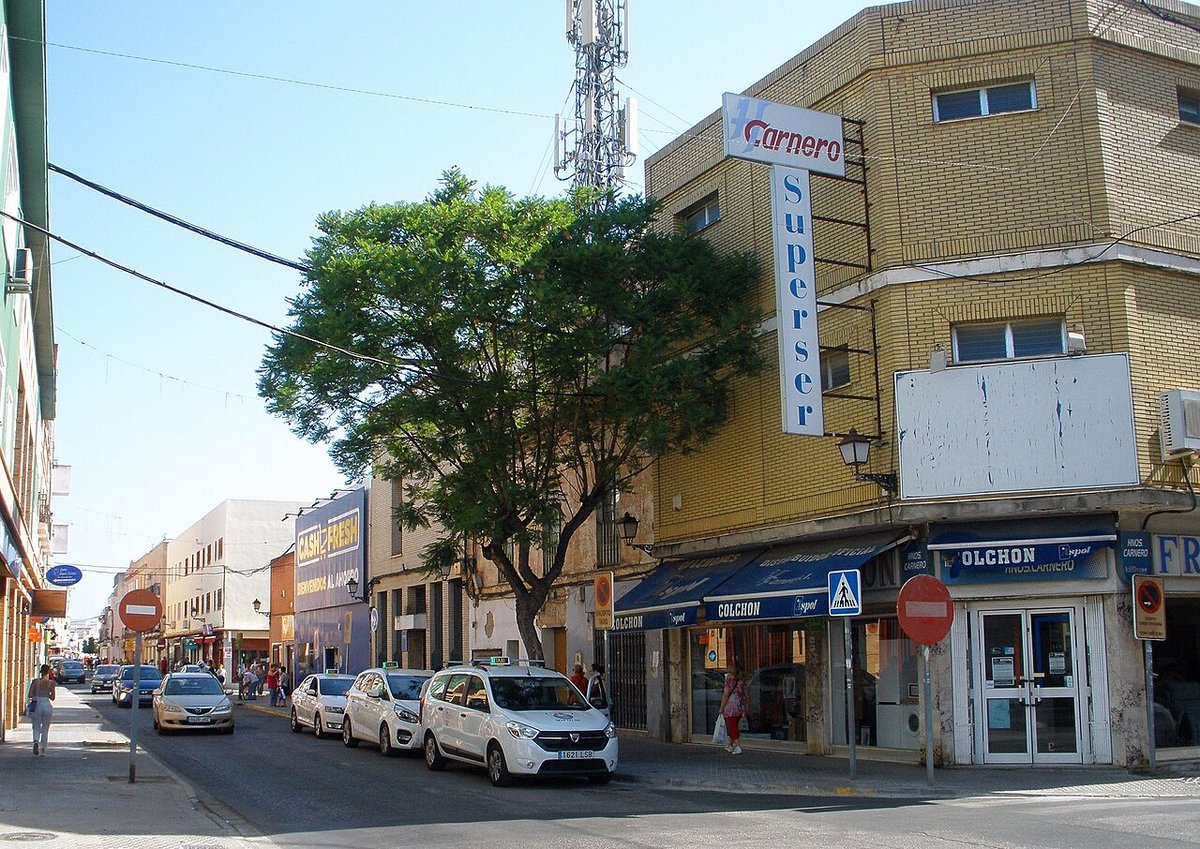
No hay fachadas pintadas para la foto ni miradores estratégicos Hay tráfico supermercados y naves industriales Pero también hay siglosde historia pegadosa los murosy una relación cotidiana compleja e inevitable con Sevilla
Si pasas por aquí no busques espectáculo Busca cómo funciona realmenteun municipio metropolitano Cómo convivenlos restos fenicioscon las naves logísticas Cómoel sello desu famoso arquitectose mezcla conel ladrillo visto dela urbanizaciónde los 90
Es la otra Sevilla La que no saleen las guíaspero donde lagente vive pagala hipotecay llena los bareslos viernes Y eso también mereceun vistazo