Full Article
about Santiponce
Site of the Roman city of Itálica and the San Isidoro del Campo Monastery
Hide article Read full article
A village with a Roman city underneath
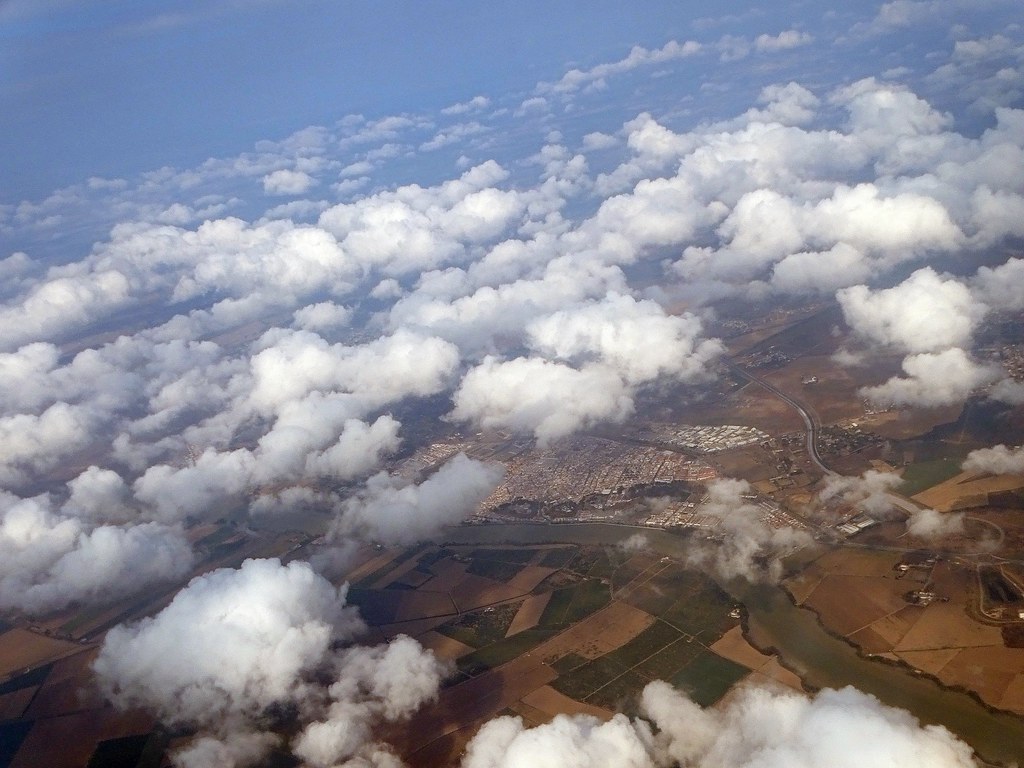
Santiponce sits just fifteen minutes from Seville, yet it often slips under the radar. It has one of the most important Roman archaeological sites in Spain, and still plenty of people spend years in the Andalusian capital without ever setting foot here.
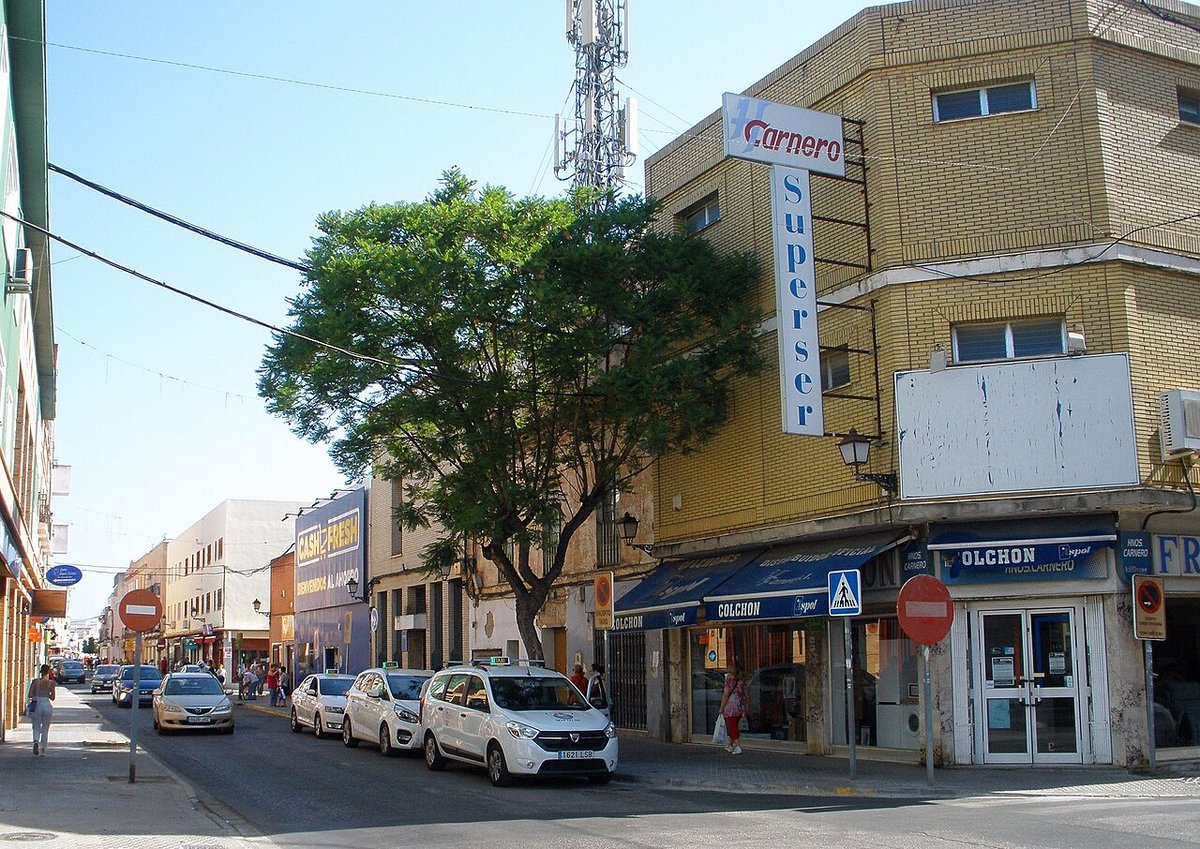
The first surprise is how literal the overlap of past and present feels. Santiponce is, quite simply, one town built on top of another. Walk along Calle Real and there are Roman remains beneath your feet that have not even been uncovered yet. The current town grew over the vetus urbs, the oldest part of Itálica, and whenever the ground is disturbed something tends to appear: mosaics, walls, fragments of columns. Locals talk about it with a kind of casual familiarity, as if it were just another long-running bit of roadworks.
That sense of layers defines the place. You are never far from the idea that what you see is only part of the story.
Itálica and the scale of Rome
The Conjunto Arqueológico de Itálica is the main draw, and it makes an immediate impression. The amphitheatre alone is vast. Stand close to it and the scale forces a rethink of what this settlement once was. It could hold tens of thousands of people, an enormous figure when compared with the size the city itself would have had.
Walk through the tiers of seating and it is hard not to imagine the noise that once filled the space. The structure still carries that sense of volume, even in silence.
Itálica also comes with a historical detail that tends to surface in any conversation about it: this was the birthplace of Trajan and Hadrian, two Roman emperors. That fact gives extra weight to what might otherwise feel like just another set of ruins. The city was originally founded for war veterans, yet it produced figures who would go on to shape the Roman Empire.
There is no need for elaborate interpretation panels to make the place interesting. The size of the amphitheatre and the knowledge of who came from here already do most of the work.
A monastery with a complicated past
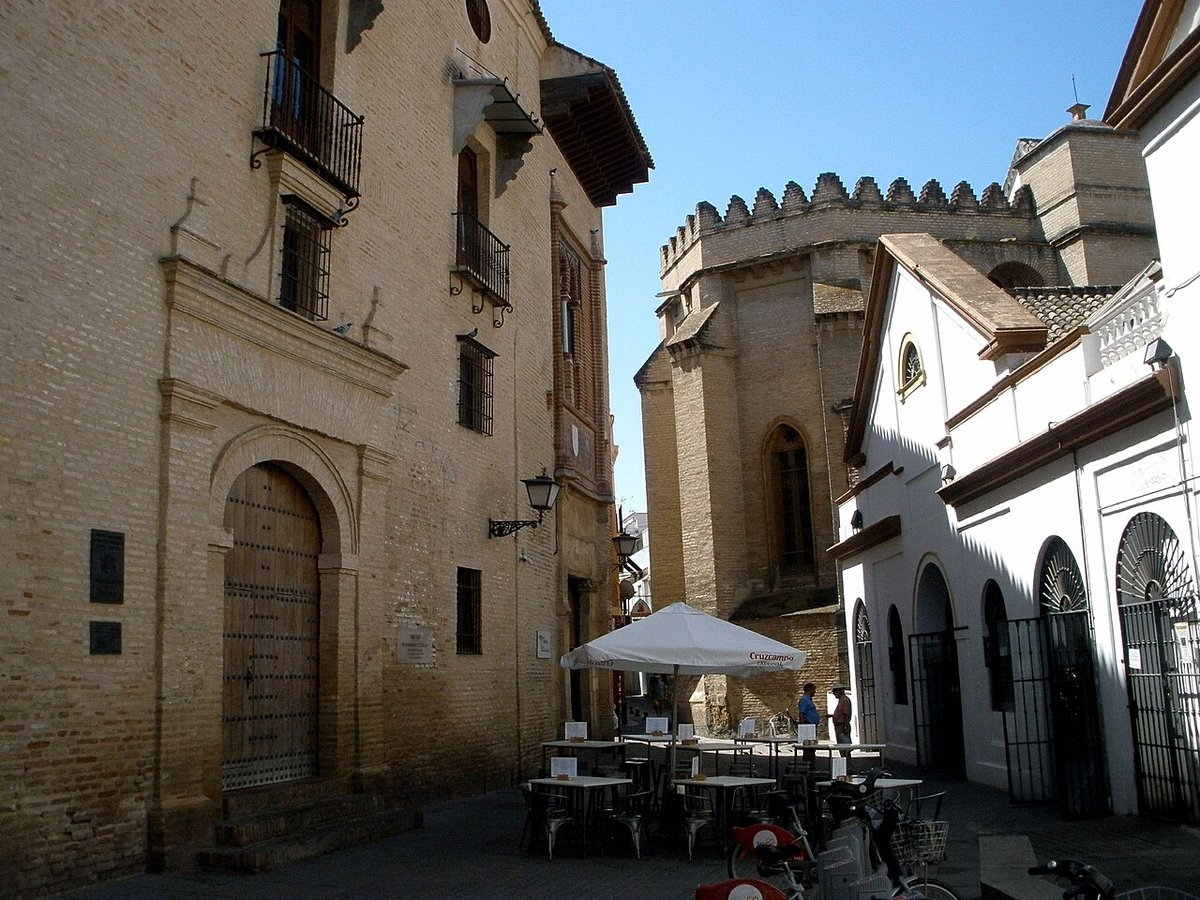
About a ten-minute walk from the centre stands the Monasterio de San Isidoro del Campo. From the outside it looks almost defensive, with towers, walls and the dark brick typical of the area. The building does not follow a single neat style. Instead, it reflects centuries of additions and changes, with different architectural phases sitting side by side.
Inside, the atmosphere shifts. The monastery carries the quiet of a place that has seen a long succession of debates, prayers and renovations. It is not just a peaceful religious site, though. Its history includes moments of tension.
Communities of monks lived here and played an important intellectual role in their time. In the sixteenth century, some became involved in translating biblical texts into Castilian. That might sound straightforward now, but it was a sensitive and controversial matter back then. The result was conflict, persecution and, for some, exile.
That background sets the monastery apart from the usual image of a calm medieval retreat. The silence you find today sits on top of a more turbulent story.
Food in Santiponce
Eating in Santiponce follows the pattern of many towns in the Aljarafe area. The approach is simple: straightforward dishes, generous portions and a reliance on seasonal ingredients.
In colder months, game stews often appear. When spring arrives, tender broad beans become a staple. They might turn up in a mojete con jamón or in a scrambled dish. Nothing here aims to be elaborate. These are the kinds of meals that quiet the table for a few minutes once they arrive.
There is one practical point worth keeping in mind. Weekends can get busy due to the proximity to Itálica. Many visitors come over from Seville, and the town fills up quickly. Arriving early tends to make everything easier, from walking around the ruins to finding somewhere to eat.
Getting there from Seville
Santiponce is very close to Seville. By car, the journey takes around fifteen minutes if traffic is light when leaving the city. The A‑66 runs nearby, and the turn-off is clearly signposted.
Public transport is also an option. Metropolitan buses connect Santiponce with Seville’s Plaza de Armas station throughout the day, and many people make the trip there and back within a single morning.
If you drive, it is usually easier to leave the car near the entrance to the town and continue on foot. The centre has the kind of narrow streets you would expect, and searching for a parking space can become frustrating.
When to go, and when to think twice
Spring and autumn tend to be the most comfortable seasons for a visit. Summer brings intense heat, and walking through the amphitheatre at midday can feel like stepping into a brick oven.
At different points during the year, the town hosts historical reenactments and activities linked to Itálica’s Roman past. They are not constant, but when they do take place the atmosphere changes noticeably. The area fills with people, and scenes of legionaries and tunics add another layer to the experience.
A short visit that works
Santiponce is not a place that calls for a full weekend. It works best as a short trip from Seville. A walk through Itálica, a visit to the monastery, something to eat, and then back again.
Three or four hours is enough to see it at a comfortable pace. That is part of its appeal. The town does not try to stretch itself into something bigger than it is.
You leave with the sense of having stepped into an important corner of Roman Hispania, and not long after you are back in Seville, looking for shade or thinking about where to have a coffee.
It is the kind of outing that barely needs planning and still turns out well.