Full Article
about Alcaucín
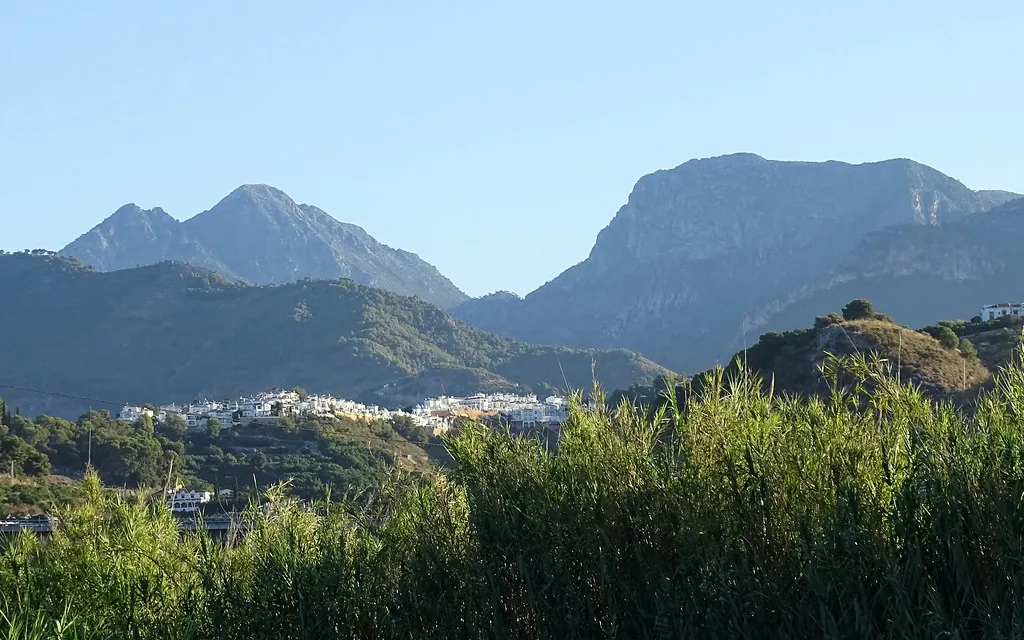
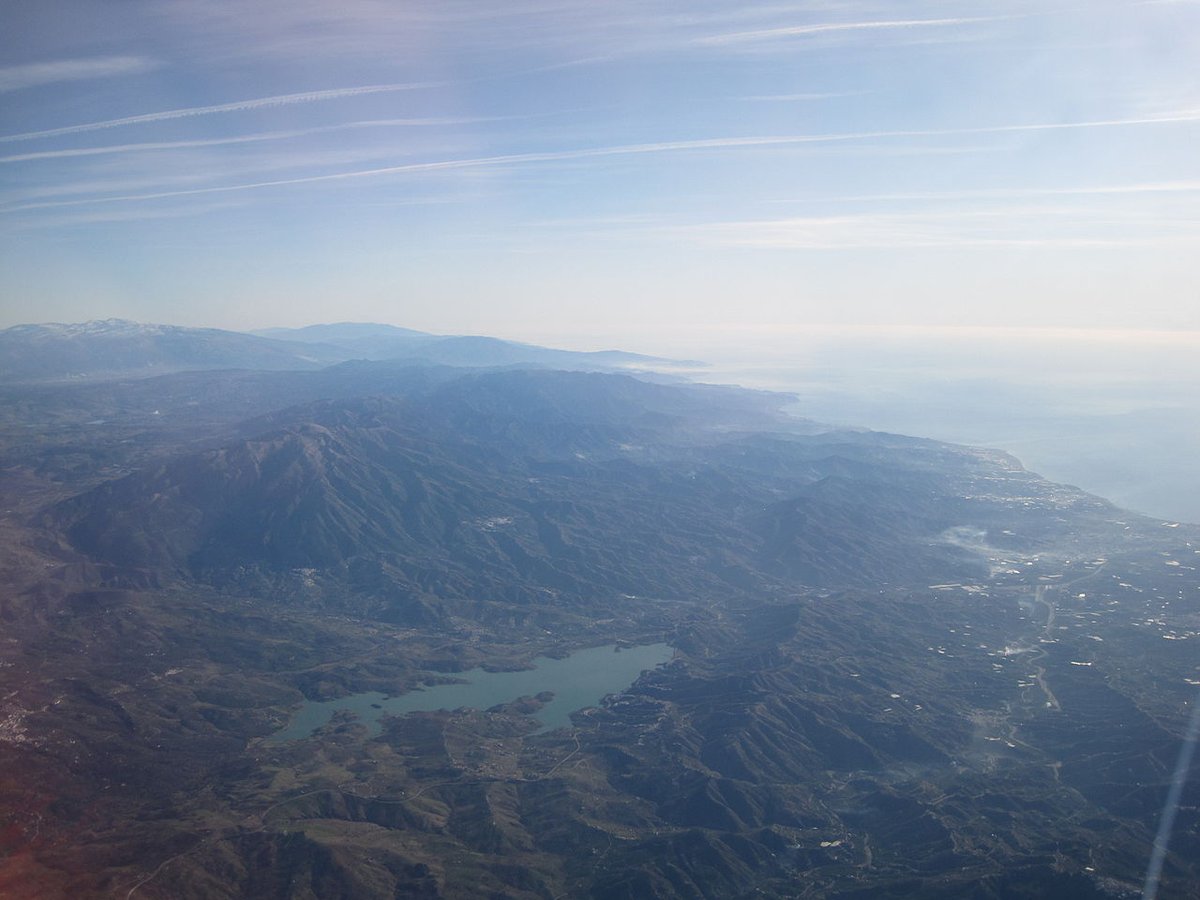
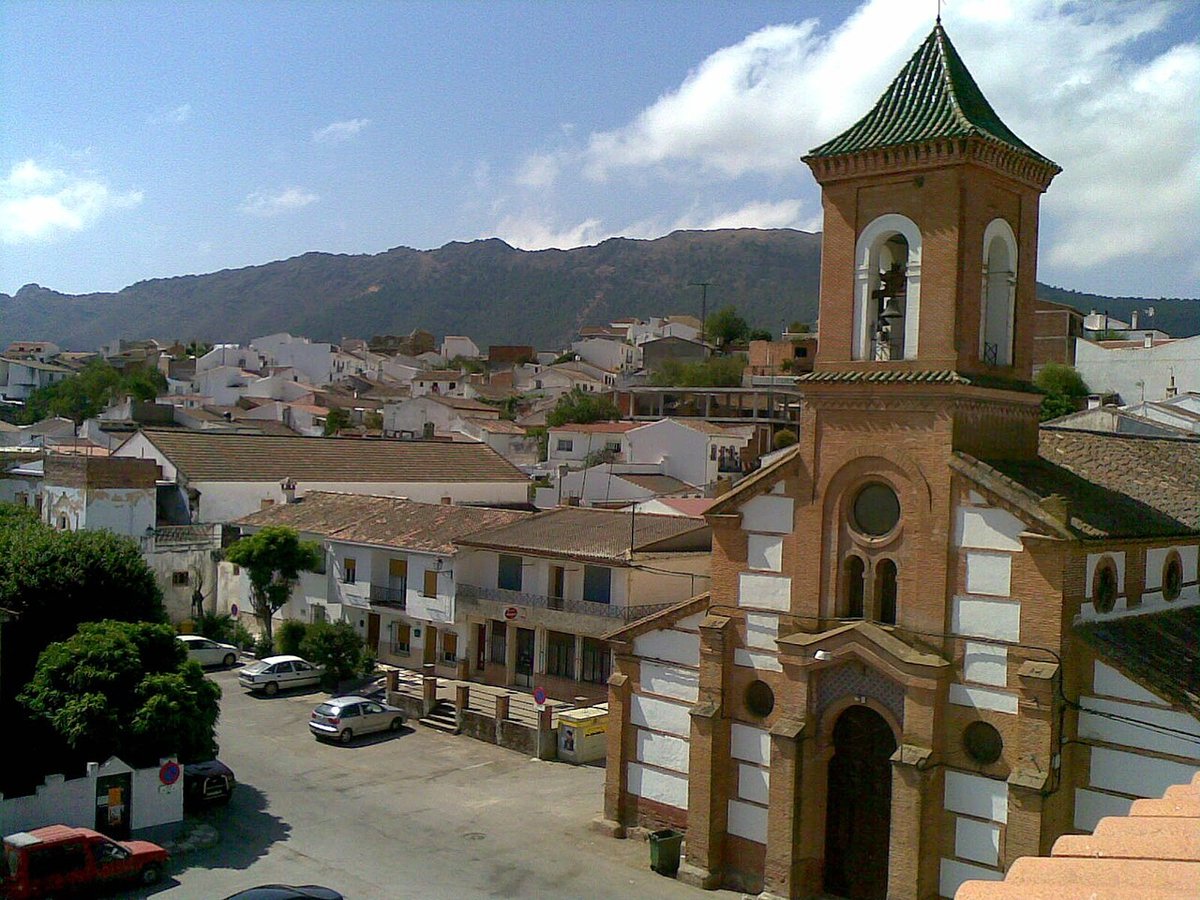
White village at the foot of the Sierra de Tejeda with spectacular views over the Viñuela reservoir and natural surroundings.
Hide article Read full article
An Unplanned Stop That Turns Into an Afternoon
Tourism in Alcaucín feels a bit improvised. The sort of place you intend to pop into briefly and end up staying far longer than planned. Perhaps it is the sound of water running in a fountain, the whitewashed streets bouncing back the light, or the simple fact that within half an hour’s drive from Málaga you swap the noise of the Costa del Sol for a village that moves at its own pace.
You park in the main square and the mood is clear straight away. Nobody seems to be in a hurry.
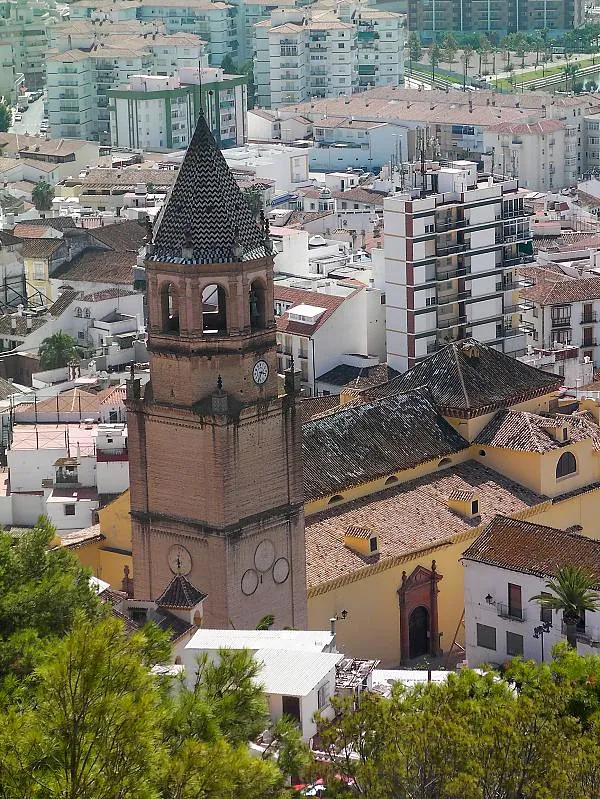
Alcaucín sits on the slopes of the sierra, and the road up twists and climbs until houses begin to appear along the hillside. Almost without noticing, you are in the centre. The square is small. The Iglesia del Rosario dominates one side, and when the weather is good, terraces spread across much of the open space.
From the outside, the church is fairly restrained. Step inside and the atmosphere shifts. Gilded details, Baroque decoration and an ornate camarín, a small chapel-like space behind the altar, create a much more elaborate interior. It is the kind of decoration that suggests someone once said “add more” more than once. Even so, it suits the setting.
The real pleasure here is not ticking off sights. It is sitting on one of the benches in the square and watching daily life unfold. The bread van passes through. Someone brings a chair out onto the street. Church bells ring out over the rooftops. It feels staged, yet it is usually just an ordinary afternoon in Alcaucín.
A Castle on a Ridge
Around three kilometres from the village stands the Castillo de Zalia. It does not rise from within the streets but from a separate hilltop. The road out crosses olive groves and climbs to a ridge where the wind often blows hard.
At the top, there are remains of walls and little else in terms of standing structures. The appeal lies in the location. From here, much of the Axarquía region spreads out below, and on clear days the sea appears on the horizon.
The fortress went through several phases. It is commonly associated with the Andalusí period, referring to the centuries of Muslim rule in southern Spain, and it had later uses after the Christian conquest. Today, what remains is largely the setting itself and the landscape it commands. Rather than a restored monument, it feels like a viewpoint shaped by centuries of history.
The sense of space is part of the experience. The surrounding countryside explains why a fortification once stood here. Control the ridge and you control the routes below. Even in ruins, that logic is easy to grasp.
When the Village Smells of Roasted Chestnuts
If you happen to visit in November, you may come across the Fiesta de la Castaña. Many villages in the Axarquía mark the arrival of colder weather with a chestnut celebration, and Alcaucín keeps up the tradition.
Smoke from braziers drifts through the streets as chestnuts and sweet potatoes roast over open heat. People gather in the square or around tables that appear along the streets for the occasion. It does not have the feel of a fair laid on for visitors. It is closer to a large village get-together that anyone can join.
You are handed a paper cone filled with freshly roasted chestnuts. Fingers smart slightly as you peel them. Before long, someone arrives with another tray of something to share. The atmosphere of autumn in inland Andalusia still works much as it did decades ago, centred on food, conversation and the simple pleasure of being outside together.
The Fountain with the Water Containers
At the entrance to Alcaucín stands the Fuente de los Cinco Caños. There is almost always someone there filling large plastic containers. The water comes down from the sierra, and local families have been using it for generations.
There is nothing especially grand about the fountain. A modest stone structure with several spouts and a small space around it where people can pause for a moment. Yet it is one of those places where everyday life becomes visible. Cars pull up. Bottles are filled. A brief chat follows, then everyone moves on.
Next to it is a small park with stone tables where many people stop to eat something simple. It is also a regular halt for cyclists climbing up from the coast, who take the opportunity to rest before heading further into the mountains.
What You Might Not Hear When Planning a Visit
There are no large spa hotels here, nor the kind of restaurants that feature prominently in glossy gastronomic guides. That absence helps Alcaucín retain the feel of a lived-in village rather than a stage set.
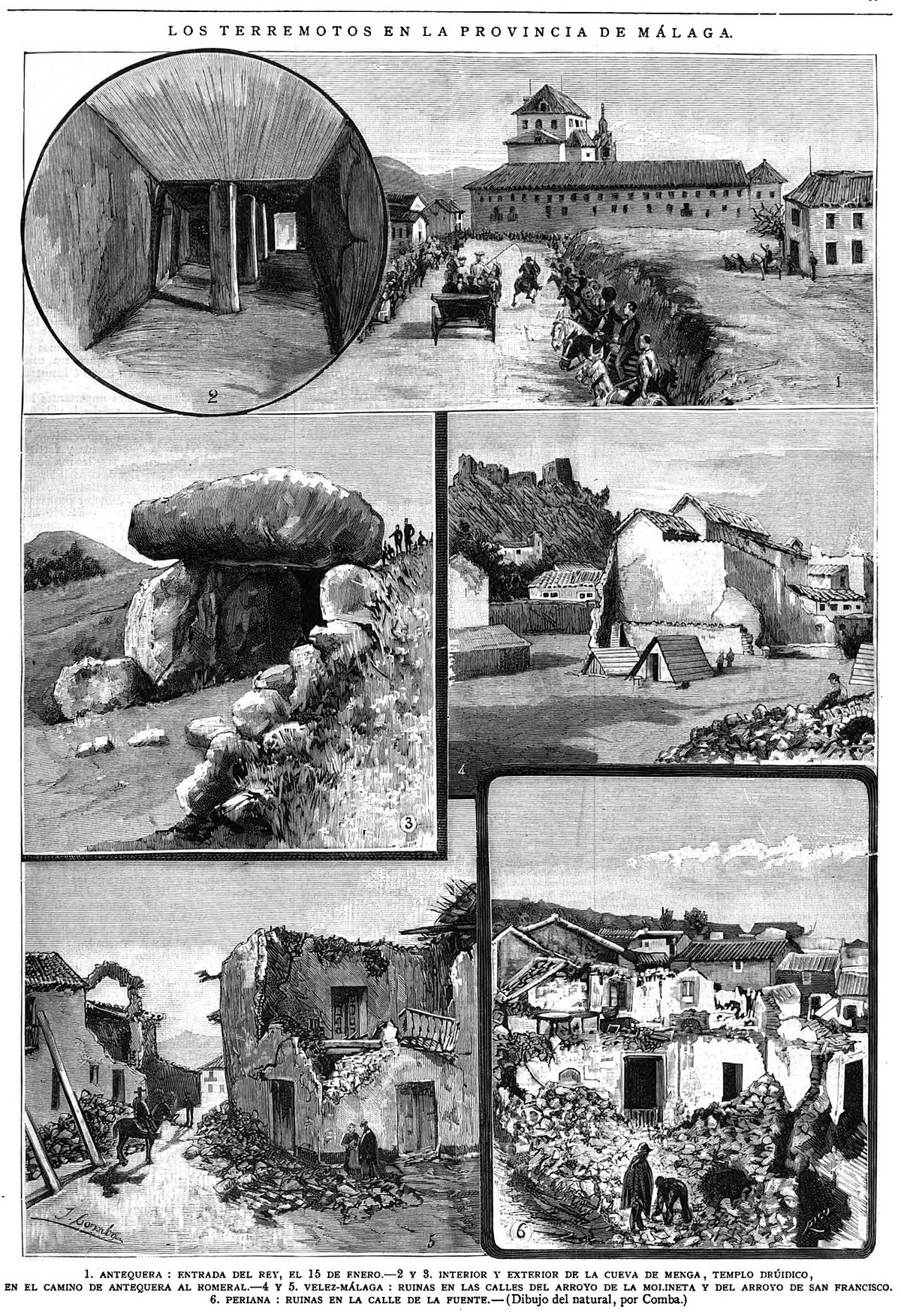
Spend long enough in the square and stories surface. The earthquake of 1884 caused serious damage to the church. Nearby, the Boquete de Zafarraya has long been a natural pass through the mountains and has been used since very ancient times. Neanderthal remains have been found there, a reminder that these routes have been travelled for thousands of years. In the surrounding sierras, chivo al ajillo, goat cooked with garlic, is still more a home dish than something designed for a menu.
The best approach is simple. Arrive by car, park near the centre and explore on foot. Walk to the fountain. Wander the streets that climb towards the sierra. If you feel like stretching your legs further, head up to Zalia.
Alcaucín does not try to impress. It is more like the quiet member of a group who always seems to have a good plan without making a fuss about it. Sit for a while in the square, look at the mountains rising around the village and time slips by almost unnoticed. An afternoon can disappear there, and nobody seems concerned. In Alcaucín, that is entirely normal.