Full Article
about Alfarnate
The highest village in the Axarquía, surrounded by rocky mountains and known for its cherry and olive oil production.
Hide article Read full article
A village shaped by height and landscape
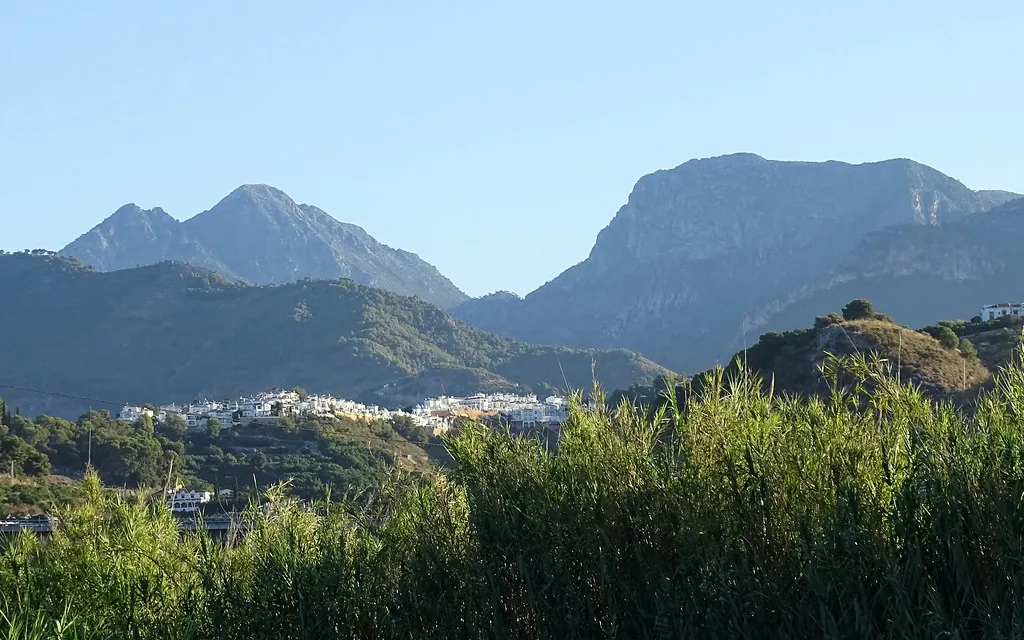
Understanding Alfarnate starts with its setting. The village sits at around 925 metres above sea level, on the southern side of the Sierra de Alhama. It belongs to the Axarquía region of Málaga, yet lies close to the boundary with the higher lands of Granada. This position between mountain ranges explains much of what follows: cooler temperatures than on the coast, a landscape dominated by dry farming, and an urban layout that adjusts to the slopes of the valley.
The surrounding terrain is marked by traditional agriculture. For centuries, local livelihoods depended on mountain crops such as cereals, olives and almonds. That pattern is still visible today in the terraced fields that wrap around the village. The land is not flat, and farming here has always meant adapting to gradients and soil conditions rather than reshaping them.
Alfarnate itself reflects a long process of change. Its layout combines an Andalusi past with later transformations following the Christian conquest. Streets are narrow, levels shift frequently, and small open spaces appear where the terrain allows. Nothing feels imposed on the land; instead, the village grows out of it.
Even the name points to a key feature. Alfarnate comes from Arabic and is usually interpreted as “place of springs”. This is not symbolic. There are several natural water sources in the area, which historically made it possible to maintain kitchen gardens and supply the population. Remains of this agricultural past can still be found in old olive mills and scattered rural buildings across the countryside.
Santa Ana and the shape of the village
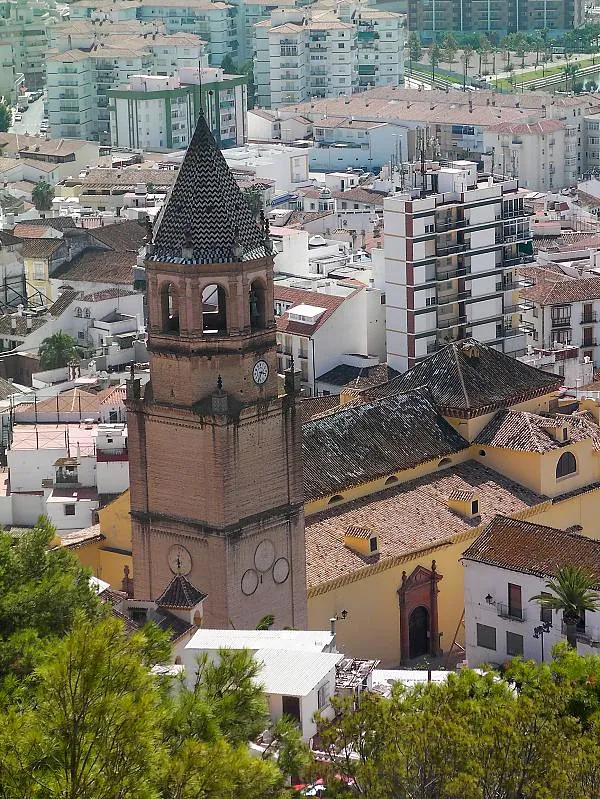
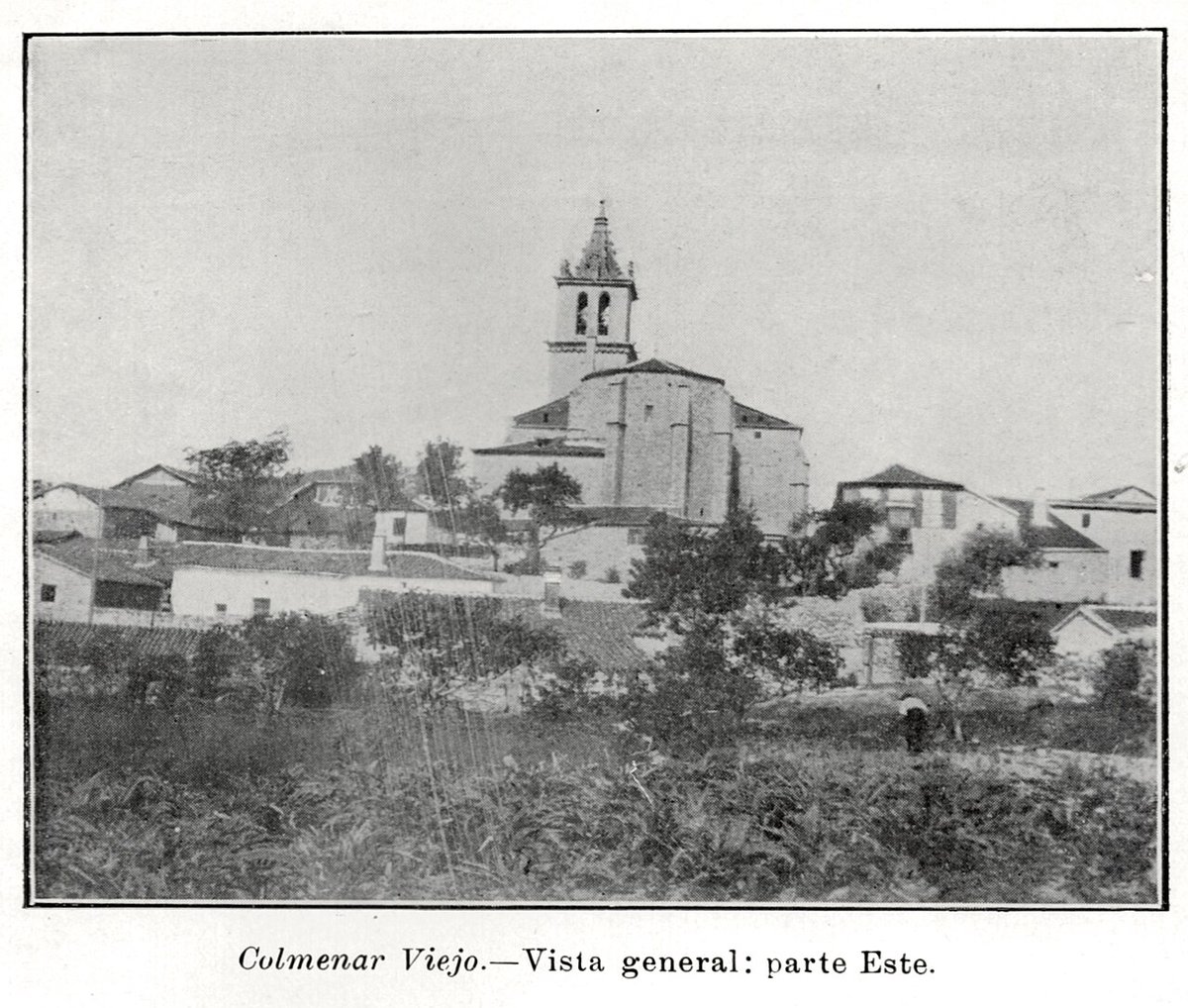
At the centre of Alfarnate stands the church of Santa Ana. The current building dates from the 16th century, a time when many parishes in the Axarquía were reorganised after the territory became part of the Crown of Castile. It is not especially large, yet its tower is visible from different points in the valley, making it a clear reference point within the landscape.
Inside, the church includes Baroque elements added over time. These came through later reforms and contributions from local residents, reflecting how the building has evolved alongside the community rather than remaining fixed in one period.
A short distance from the main urban area lies the hermitage of the Santo Cristo del Perdón. Its interest is tied less to its architecture and more to its setting. From this point, the surrounding landscape opens up, with cultivated hills stretching around Alfarnate. The site also retains a role in the town’s religious life, linking it to local traditions that continue to this day.
Walking through the old centre helps explain how the village has taken shape. Streets follow the slope, sometimes narrowing into passageways between façades. There are old washhouses, small squares and sections of cobbled ground. Houses are typically whitewashed, as is common in this part of Málaga, with iron window grilles and flowerpots placed on windowsills or in interior patios. The overall impression is not of uniform planning, but of gradual adaptation to both terrain and need.
Across the Llanos and into the Sierra
Paths lead out from the village in several directions. Some head into the Sierra de Alhama, while others cross the nearby plains. The Llanos de Alfarnate form a flat area surrounded by mountains, where cereals were cultivated for a long time. Today, the open fields remain, along with agricultural tracks that local residents use for walking or cycling.
The terrain is uneven overall, and elevation changes become more noticeable on longer routes towards the mountains. What the landscape offers in return is variety across the seasons. In spring, the valley turns greener than is typical for this part of the Axarquía. In autumn, low morning mist is common, softening the outlines of the fields and hills.
Early walks can bring encounters with wildlife typical of Mediterranean mountain environments, especially birds. They are often seen along the edges of cultivated land and in areas of scrub, where agriculture and natural vegetation meet.
Flavours of the inland hills
The local cuisine reflects Alfarnate’s inland, mountainous setting rather than the coastal identity often associated with Málaga. Olive oil forms the base of many dishes, accompanied by simple stews, vegetables grown locally, and game when available.
Wild herbs also play a role. Plants such as tagarninas and collejas, traditionally gathered in the surrounding countryside, still appear in cooking. These ingredients connect the kitchen directly with the landscape, following practices that have been passed down over time.
There is also a strong presence of homemade cured meats and goat’s cheese from the area. When cherry harvests are good in nearby orchards, sweets made with this fruit become common during family celebrations and local festivities. The cuisine here is shaped by what the land provides, and by the rhythms of the seasons.
Festivities rooted in tradition
The annual calendar in Alfarnate revolves around religious celebrations and moments tied to the agricultural cycle. Festivities dedicated to Santa Ana bring together residents who return to the village for those days. Processions and activities take place in the streets of the centre, reinforcing connections between people and place.
Holy Week is observed in a more subdued way than in larger towns and cities across the province. Processions follow shorter routes through the village streets, creating a more intimate atmosphere.
There is also a romería linked to the Cristo del Perdón. A romería is a traditional pilgrimage-like outing, often combining religious elements with a day spent outdoors. In this case, many residents head to the outskirts of the village to spend time in the countryside, maintaining a practice that blends devotion with social gathering.
In autumn, events connected to olives and olive oil are usually organised. These highlight the importance of olive groves in the local economy and recall the long-standing relationship between the community and its main agricultural resource.
Getting your bearings
Alfarnate is small enough to explore on foot, although the slopes make walking more demanding in places. Cars are typically left at the entrances to the village, with the centre navigated on foot.
For a clearer sense of the traditional agricultural landscape of the upper Axarquía, it is worth heading out along one of the paths that surround the village. From there, the layout of the fields becomes easier to read, spread across the hills in patterns shaped by both terrain and long use.