Full Article
about Algarrobo
A town that blends an inland core of Moorish architecture with a developed coastal strip and equipped beaches.
Hide article Read full article
A village that takes its time
On Sunday mornings in Algarrobo, chairs still appear outside front doors as if the street were an extra room. It is not staged. People simply sit and talk. Walk past and you might hear a debate about whether the syrup on the local torta should include cinnamon, while a dog sleeps across half the pavement. That is the pace here: unhurried, even with Málaga less than an hour away by car.
Life carries on at street level. Neighbours recognise each other, conversations drift, and nothing seems to push the day along too quickly. It sets the tone for a place that does not try to impress.
Two Algarrobos, side by side
It helps to know this from the start: Algarrobo works like two siblings with the same name who lead different lives.
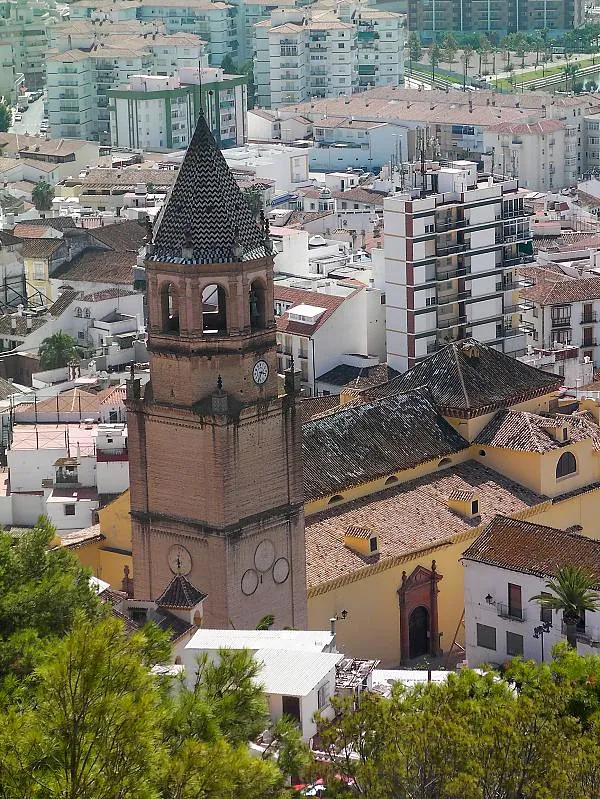
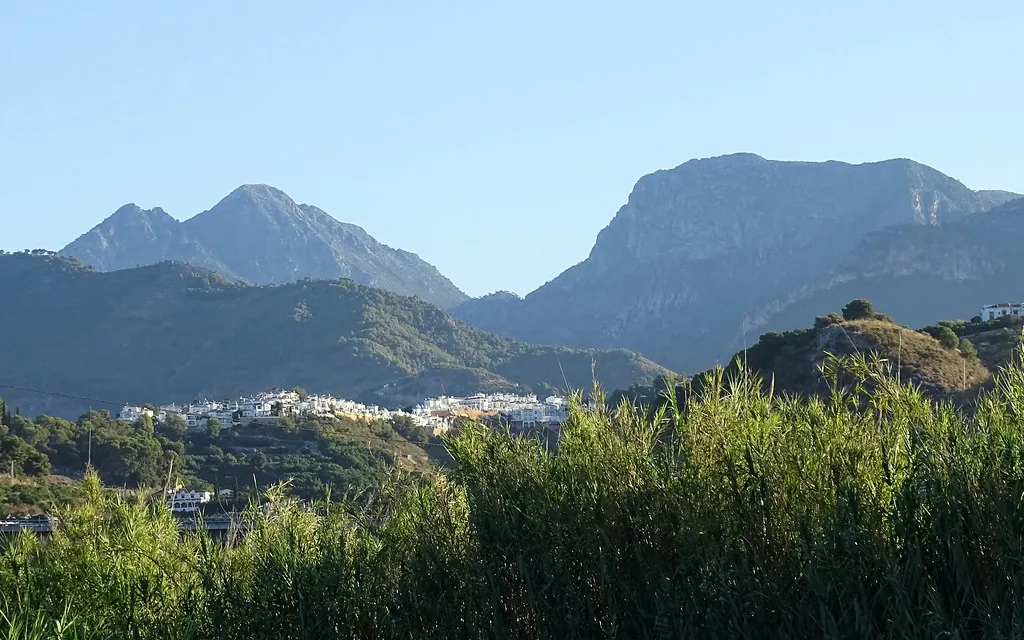
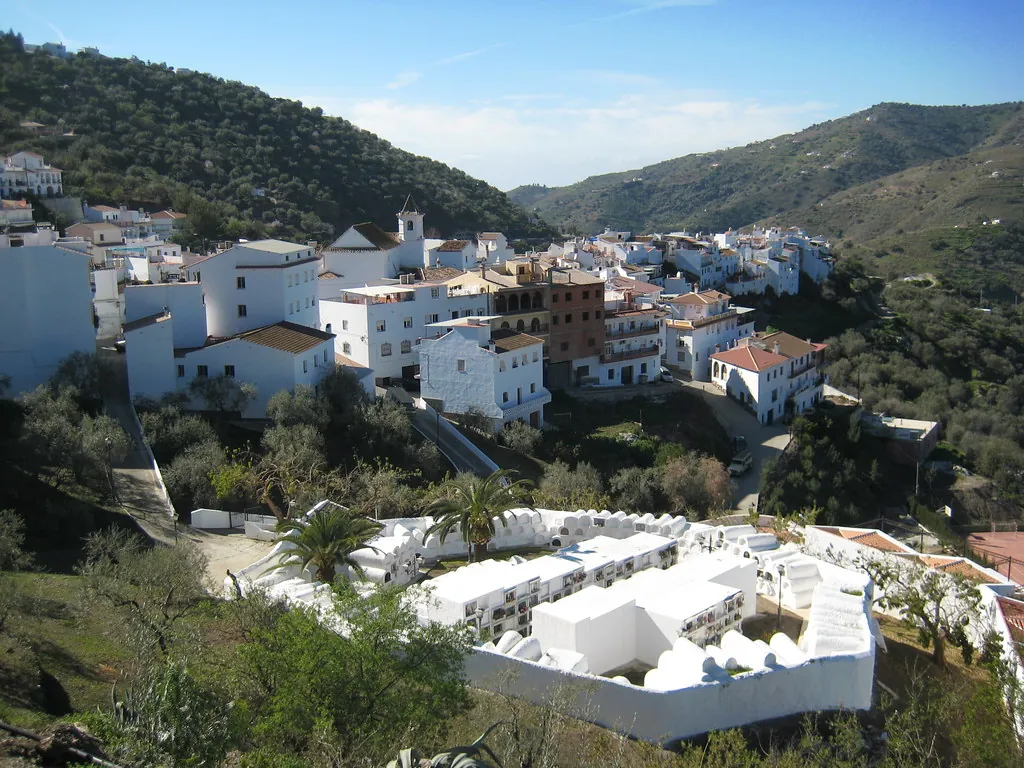
Up the hill sits the village, about 80 metres above sea level. Streets wind up and down without much order, and white houses press close together. A few kilometres away lies Algarrobo Costa, where the beach stretches out alongside apartment blocks and a seafront promenade. At weekends, families head there for a walk.
It is easy to assume the beach is just around the corner from the old centre. It is not. The distance is manageable but noticeable, especially in summer when the heat makes the slope feel longer. Most people move between the two by car. A common plan is simple: beach in the morning, then head up to the village later in the day when the temperature drops.
This split shapes the whole experience. One part looks inland, the other faces the sea, and daily life shifts between them.
The torta everyone claims
Any mention of Algarrobo quickly turns to its torta. It is a sponge soaked in syrup that seems straightforward until you taste one done properly.
The key sits in the syrup. It should be generous without turning into something closer to caramel. Recipes pass through families, and each household defends its version as if it were the original. Some add cinnamon, others use coconut, and a few experiment with more recent ingredients, drawing on tropical fruit grown across the Axarquía.
In summer, the torta appears regularly during local festivities. You do not need to search for it. People will point you in the right direction, and opinions come freely about which version is worth trying. Conversations often circle back to the same question: what makes a good torta, and who gets it right.
From ancient tombs to watchtowers
Algarrobo’s past shows up in different corners of the area. In Trayamar, Phoenician tombs dating back more than two thousand years were discovered. Today the site can seem understated, but it once served as an important necropolis.
Along the coast stands the Torre Nueva, one of the watchtowers built to monitor the horizon. Its purpose becomes clear as soon as you look out to sea. These towers allowed early warnings before trouble reached the shore.
Then there is the Casa del Ceregumil de Trayamar. During the Spanish Civil War, it was used as a pharmaceutical factory. Later, the building took on other roles, and stories grew around it. Some say writers and cultural figures passed through during difficult times. These accounts are only partly confirmed, yet they continue to circulate, as they often do in smaller places.
A beach that people actually use
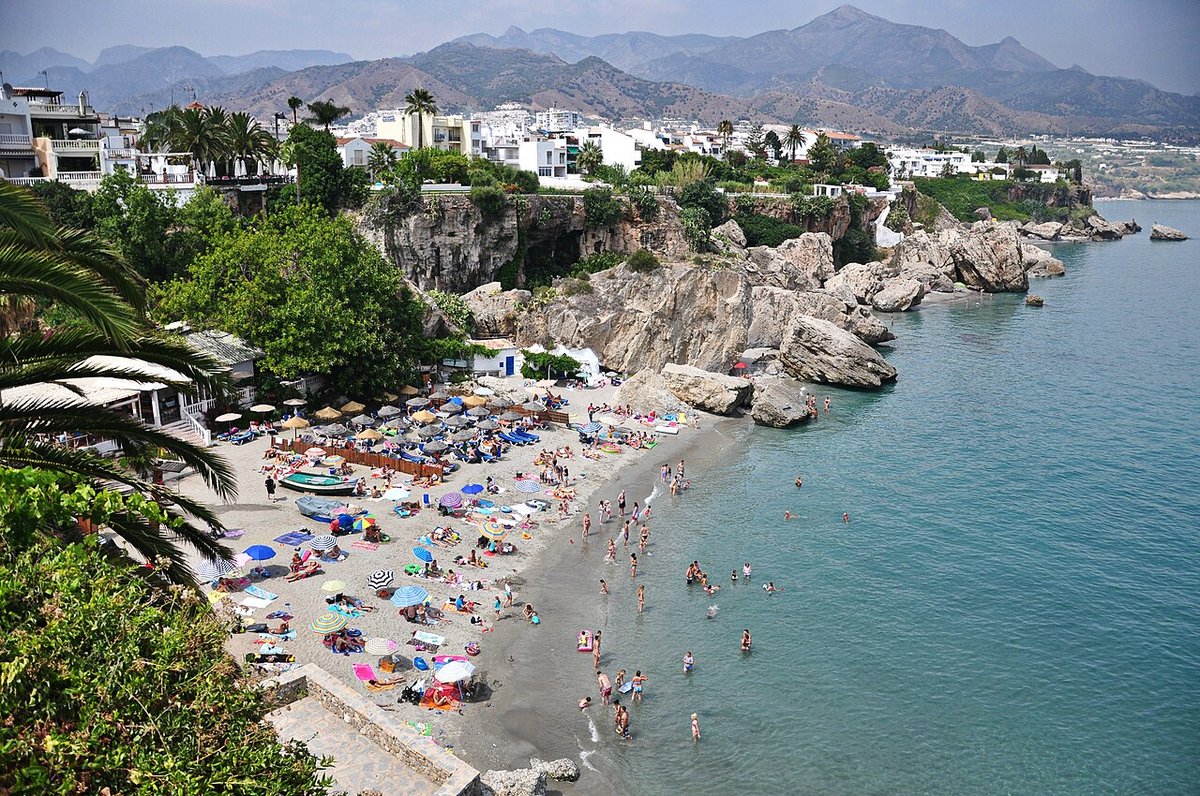
Algarrobo’s beach has dark, coarse sand that clings to your feet when you leave the water. It does not match the typical postcard image, but it serves its purpose well. This is a beach for use, not display.
In summer, many visitors come from across the Axarquía. Families return to the same stretch of shoreline year after year. Along the seafront, grilled fish and local tropical fruit appear as expected. Nothing feels out of place, and that is part of the appeal.
The Sendero Litoral also passes through here, linking this section of coast with others towards Torrox. The full route makes for a long walk, though many people take it in shorter stretches. It offers a straightforward way to spend time by the sea without overthinking it.
When the place shifts gear
Summer concentrates life along the coast, with the atmosphere you would expect in a seaside town in this part of Andalucía.
For a more local feel, May stands out thanks to the romería of San Isidro. During this celebration, the village heads down towards the coast with decorated carts, music and shared food. It is one of those moments when the social life of the area becomes easy to understand.
By late summer, things begin to calm. September brings quieter days, and parts of the promenade can feel half empty. Some locals take the chance to close up for a short break. Winter returns Algarrobo to its usual rhythm: calm, steady, and without much noise.
The simple version
Algarrobo does not try to sell itself as anything grand. It keeps to its routine: neighbours who know each other, a beach used by people from nearby, and a torta that everyone takes seriously.
Arrive with a clear idea and it works well. A walk along the coast, a trip up to the village for a look around, and something sweet afterwards is enough. Before long, the conversation tends to return to the torta. Here, it always does.