Full Article
about Almáchar
Heart of the muscatel raisin, with labyrinthine, steep streets that preserve the essence of Andalusi town planning.
Hide article Read full article
Almáchar, o cuando el pueblo es la postal
Conducir por la Axarquía tiene ese ritmo lento de sube y baja, como si las curvas fueran olas. En una de esas, aparece Almáchar. No hay un cartel luminoso ni una gran entrada; es más bien ese tipo de pueblo que parece haber estado siempre ahí, donde da la sensación de que alguien está sentado en una silla a la puerta desde hace cuarenta años.
Esto no es un sitio para coleccionar fotos de monumentos. Es más bien para ver cómo gira la vida alrededor de un cultivo. Aquí todo huele y sabe a uva moscatel. Los bancales de viñas y olivos trepan por las laderas con esa geometría testaruda de quien ha ido ganándole terreno a la cuesta, palmo a palmo.
Con unos dos mil vecinos, se nota la escala. La vida va a otro compás. A media tarde, la gente se planta en la calle a hablar, con esa naturalidad con la que en un bloque se charla en el descansillo. Ese ritmo lo respiras nada más llegar.
Un paseo sin prisa (ni pérdida)
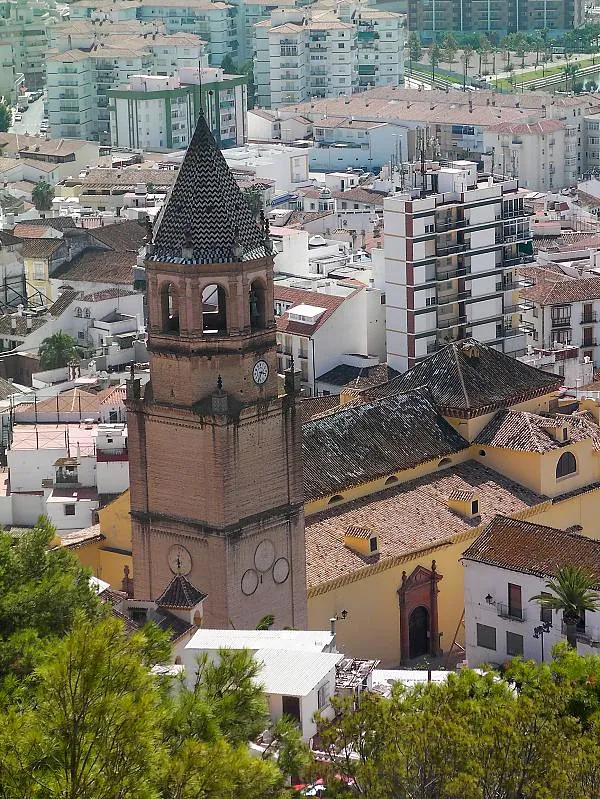
La Iglesia Parroquial de San Mateo preside el centro desde el siglo XVI. No es una catedral, ni lo pretende. Tiene esa robustez de las cosas hechas para durar: sobria, con detalles barrocos que solo ves si te paras dentro un rato.
A dos pasos está la Fuente de los Cuatro Caños. Es uno de esos puntos donde confluye el día a día: alguien llena una botella, los críos pasan corriendo, dos vecinas alargan la conversación cinco minutos más. Funciona como la plaza pequeña del barrio.
Perderse por calles como la Real o la Nueva te da esa sensación de laberinto habitual en los pueblos blancos: callejones estrechos, cuestas que aparecen sin avisar y fachadas encaladas con rejas negras. Los tiestos de geranios rompen el blanco y le dan el toque.
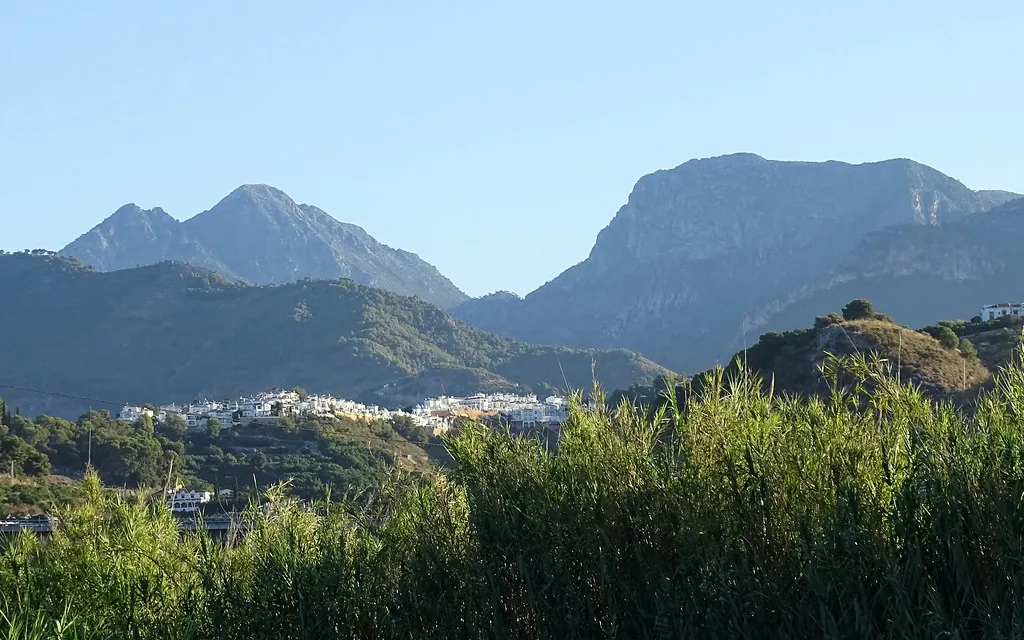
Para ponerlo todo en perspectiva, sube al Mirador del Bandido. Desde ahí ves el paisaje de golpe: un mar de viñas ondulando por las laderas y, si el día está claro, una línea azul al fondo que es el Mediterráneo. Parece lejano desde aquí arriba, pero te recuerda que la costa está ahí al lado.
Los lavaderos públicos restaurados son otra ventana al pasado. Es fácil imaginarse el jaleo que debía haber: el agua corriendo, las voces, la faena hecha al sol y al aire. Un bullicio práctico y comunitario.
Lo que importa: la uva y lo que nace de ella
En Almáchar casi todo pasa por la moscatel. La pasa moscatel tiene denominación propia y aún se elabora como toda la vida. En verano, algunas fincas abren para mostrar el secado al sol en los paseros; conviene preguntar antes porque no siempre hay acceso libre.
Si te apetece caminar, hay senderillos entre viñedos. No son grandes rutas de montaña; parecen más bien caminos rurales que siguen el contorno de los cerros. La tierra está seca bajo los pies y huele a vid y tierra caliente. En julio o agosto, hazlo a primera hora o será un paseo sahariano.
La comida va por el mismo camino: gazpacho, ajoblanco o migas según temporada. Son platos contundentes y sin florituras, hechos para lo que hay alrededor. De la uva salen también vinos dulces, mostos y pasas con un sabor distinto al que encuentras en cualquier supermercado.
También verás alguna tienda con cerámica o piezas de esparto. Son objetos sencillos, hechos más por costumbre que por moda.
Los días en los que se anima la cosa
El calendario tiene unos pocos puntos donde el pueblo cambia el chip. El más conocido es la Fiesta de la Pasa, allá por septiembre cuando termina la vendimia. Tiene ese aire de celebración compartida, como cuando una familia grande termina un trabajo gordo del campo. Se ven demostraciones del secado y las calles se llenan.
En el mismo mes están las fiestas de San Mateo. Lo religioso y lo popular se mezclan y medio pueblo participa de una forma u otra.
En agosto, la Noche del Vino pone música a la moscatel. A esas horas sigue haciendo calor, lo cual ayuda a crear ambiente distendido.
La Semana Santa se vive con más recogimiento que en las ciudades grandes. Las procesiones suben y bajan por calles empinadas, los pasos avanzan lentos y la gente mira desde las puertas o los balcones. Es una tradición adaptada al tamaño del lugar.
¿Merece una visita? Si buscas museos o planes frenéticos, no es tu sitio. Pero si te apetece ver cómo vive un pueblo donde el tiempo lo marca el campo –y parar a tomar algo en una terraza mientras lo observas– entonces sí. Es ese tipo de lugar donde lo interesante no es lo que hay, sino cómo es.