Full Article
about Benamargosa
Known as “Little Gibraltar,” it’s a farming town famous for subtropical crops like avocado and mango.
Hide article Read full article
Benamargosa, o cuando el pueblo te dice cómo ir
Hay sitios que te dan un mapa con flechas. Benamargosa es más del tipo que te dice "déjate llevar". Lo mejor que puedes hacer es aparcar el coche donde puedas, empezar a andar sin rumbo fijo y dejar que el ritmo lo marquen los vecinos yendo a comprar el pan. Es esa sensación típica de la Axarquía: llegas pensando en ver algo concreto y te acabas quedando a ver la vida pasar.
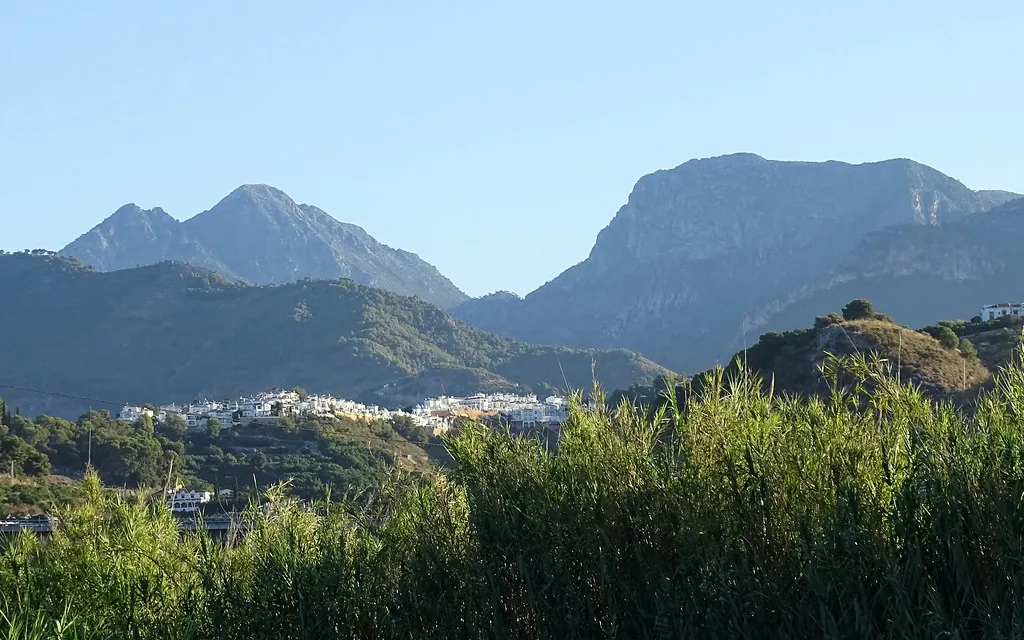
Con poco más de mil quinientos habitantes, Benamargosa se acomoda en un valle fértil. Aquí el verde se nota más que en otras partes de la comarca, entre pequeñas huertas, aguacates y otros frutales. El pueblo se desparrama en casas blancas unidas por una red de calles estrechas que aún guardan la huella andalusí.
No hay monumentos estrella ni una lista de diez cosas para hacer. Y ahí está justo su punto fuerte. El plan es sencillo: camina un rato, mira a tu alrededor y date cuenta de que esto sigue siendo, sobre todo, un lugar donde la gente vive su día a día.
Un paseo sin prisa (porque no hay otra)
La parte vieja se recorre rápido, pero gana si vas lento. Las calles se retuercen sobre sí mismas y de repente se abren a una placita o a un rincón con sombra.
Tarde o temprano acabas en la Plaza Mayor. No es enorme ni especialmente monumental, pero es donde se ve la vida: vecinos charlando, gente con las bolsas de la compra y alguna partida de cartas si el tiempo acompaña.
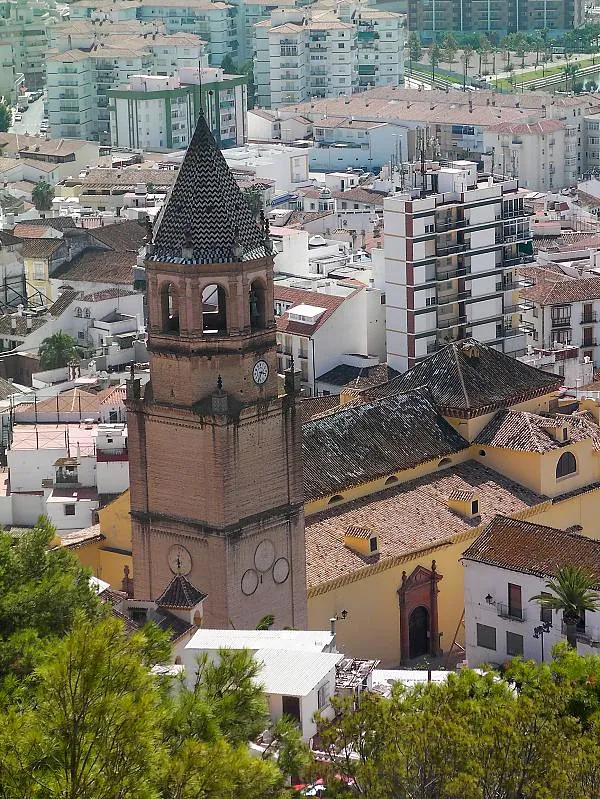
Cerca está la Iglesia de la Encarnación, del siglo XVI. Por fuera es bastante sobria. Dentro mezcla elementos mudéjares con añadidos posteriores. Es ese tipo de iglesia que te habla más de la historia del pueblo que de buscar un espectáculo arquitectónico.
Perderte por calles como Calle Alta o Calle Costa ayuda a entender la lógica del lugar: trazados estrechos y sinuosos, pensados para el calor y el viento. Un diseño que sigue funcionando en pleno agosto, cuando la sombra es un bien preciado.
Desde algunos puntos un poco más altos del pueblo, se ve el valle alrededor. El paisaje es un mosaico de cultivos: olivares, las cada vez más numerosas plantaciones de aguacate y pequeñas parcelas familiares. En primavera, cuando florecen los almendros por la zona, el contraste con el verde oscuro de los aguacates tiene su cosa.
Quedan también restos de viejos molinos aceiteros en el término municipal. Algunos conservan parte de la maquinaria original, aunque no suelen estar preparados para visitas regulares. El ayuntamiento organiza actividades relacionadas con el aceite alguna vez al año, pero no son algo fijo.
Por los caminos del valle (y sus cuestas)
Los alrededores de Benamargosa dan más juego del que parece a primera vista. El valle del río Benamargosa forma un paisaje agrícola vivo, cruzado por caminos rurales que conectan fincas, huertas y lomas bajas.
Algunas de estas rutas llevan décadas usándose para ir entre parcelas. Recorrerlas a pie te da una idea clara de cómo funciona esto: acequias repartiendo agua, bancales con cultivos mezclados y senderos de tierra que siguen los pliegues del terreno.
La bici es otra opción, con pistas agrícolas que conectan Benamargosa con otros pueblos de la Axarquía. El terreno aquí tiene fama traicionera: lo que en el mapa parece llano suele incluir repechos cortos pero intensos que aparecen sin avisar. En esta parte de Málaga, las cuestas son más frecuentes de lo esperado.
Dar una vuelta por el valle también te permite notar los cambios recientes en la agricultura local. El olivar lleva siglos siendo central, pero desde hace unos años los aguacates y otros cultivos tropicales ganan terreno gracias al clima suave del valle.
Fiestas: calendario local
En un pueblo así las fiestas siguen siendo momentos clave del año. Una de las más arraigadas aquí es la dedicada a San Sebastián, el patrón. Durante esos días las calles principales se llenan y las procesiones recorren el casco histórico. El verano trae otro ambiente. Suelen organizarse actividades culturales o conciertos al aire libre, algo típico en muchos pueblos axárquicos cuando llegan las noches largas de agosto. También hay celebraciones ligadas al campo y a la recogida de la aceituna, que ha sido históricamente uno de los pilares económicos de la zona. Son ocasiones donde se ve claramente esa conexión entre el pueblo y su entorno agrícola inmediato.
Cómo llegar (y cuánto quedarte)
Benamargosa está a poco más de media hora en coche desde la costa oriental malagueña, metiéndote hacia dentro de la Axarquía. La carretera serpentea entre colinas cultivadas, lo normal por aquí. El pueblo en sí es pequeño. Con dos horas paseando sin prisa tienes suficiente para verlo tranquilo. Funciona bien como parada dentro de una ruta más amplia por la Axarquía interior, combinándolo con pueblos cercanos o con algún paseo por ese valle fértil que lo rodea