Full Article
about Canillas de Aceituno
Set on the slopes of La Maroma, it gives access to the province’s highest peak and is known for its goat dishes.
Ocultar artículo Leer artículo completo
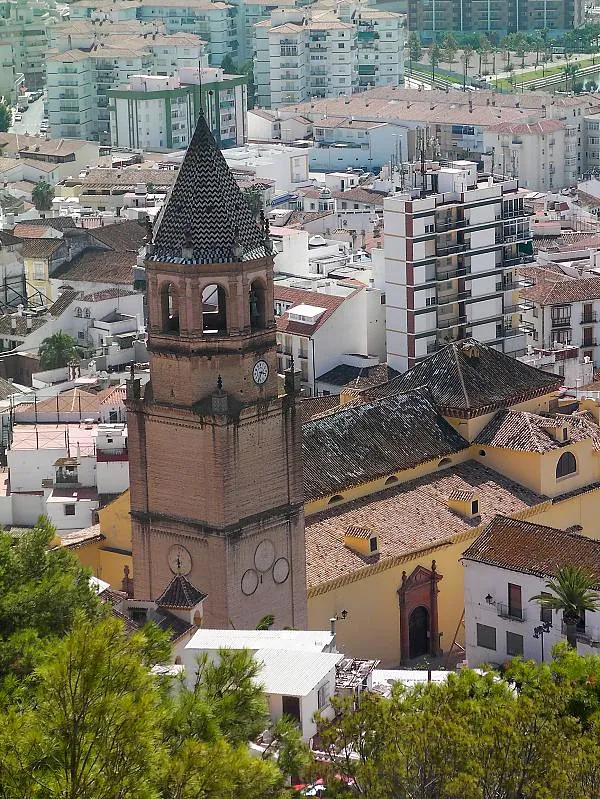
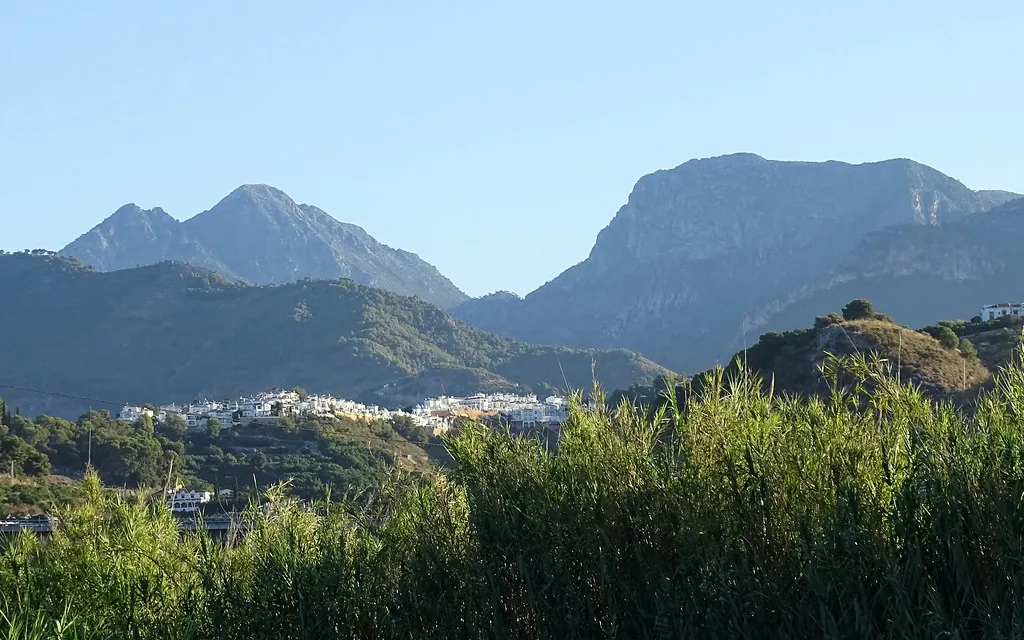
The morning sun catches the white walls first, throwing long shadows down Calle Real as women emerge with baskets to buy bread. By half past eight, the baker has usually sold out of the crusty loaves that crackle like autumn leaves, and the village's single traffic jam—three cars and a delivery van—sorts itself out before anyone thinks to honk. At this hour the Mediterranean glints 25 kilometres away, a stripe of aluminium between olive-cloaked ridges, close enough to glimpse but too far for the salt breeze to reach. That is Canillas de Aceituno: poised between coast and sierra, neither fully inland nor swayed by the costa's rhythms.
A Village That Climbs
Houses here were built for goats as much as people. Stairways double back on themselves, alleys taper until wheelie bins scrape both walls, and the plaza sits a full four storeys higher than the school playground two streets below. The gradient keeps residents fit—local doctors claim knee complaints drop 30 % among British newcomers who last more than a year—and explains why builders still haul cement in via donkeys rather than trying to manoeuvre mixers round the hair-pin bends.
The altitude, 649 m, knocks the edge off summer. When the coast sweats through 35 °C, Canillas clocks 29 °C and an evening drop to 22 °C; sleep comes easier, though you'll still want a fan come August. Winter flips the bargain: daylight can hover at 12 °C, but nights slide to 3 °C and the occasional Atlantic storm whistles up the ravine. Pack a fleece; the immaculate white walls look romantic in photos yet bounce cold air around like a fridge interior.
Olive Oil in the Veins
Every family seems to own a grove, even if Uncle José now works in a Vélez office. From November to February the air fills with the clack of pneumatic rakes and the sweet-grass smell of crushed leaves; pickers pile sacks outside the cooperativa on Calle La Vega where the oil is pressed within six hours, minimum acidity 0.2 %. Visitors can tag along—turn up at 08:00, take a spare pair of gloves, and you'll be paid in litres rather than euros. The harvest isn't staged folklore: expect a ten-hour shift, splinters, and a lunch of bread, oil and tinned tuna eaten on upturned crates. The reward is the first pour, luminous green, peppery enough to make you cough.
In restaurants the liquid gold appears in everything. Gazpacho arrives thick as paint; Migas—fried breadcrumbs—swim in it; even the almond cake is brushed with a lemon-scented version. La Sociedad, the villagers' own social club opposite the town hall, serves a half-ration of roast kid glazed with the stuff for €9; ask for it "con piel" if you like the caramelised skin. They close Mondays and fiesta days, which happen more often than you think.
Walking the Edge at El Saltillo
The village's headline hike threads along an old irrigation channel before stepping onto a 55 m suspension bridge that sways 100 m above the Almanchares gorge. Spanish bloggers christened it the "mini Caminito del Rey"; the council simply calls it El Saltillo. The complete circuit from the cemetery gate is 9 km, three hours at British rambling pace, and early starters usually meet only ibex and the chap who rents walking poles at €3 a pair from the boot of his Fiat. trainers suffice in summer, but the stone channels turn lethal after rain—if the rock is dark, turn back.
The final balcony reveals the whole Axarquía laid out like a green-and-taupe chessboard, with Lake Viñuela gleaming on the horizon and, on super-clear days, the Rif mountains of Morocco. There is no kiosk at the top; the nearest cold beer is back in the plaza, so budget an extra 30 min for rehydration at Bar Antonio where the tapas are free if you order a caña before 13:00.
When the Village Lets Its Hair Down
Fiestas here are measured in decibels and hours, not fireworks budgets. April's Morcilla Fiesta turns Plaza de la Constitución into an open-air black-pudding market: spicy, sweet, even one laced with almonds and PX sherry. A pound costs €5, cooked on dented griddles by women who gossip without looking at the sausages, flipping by instinct. August fair is the big one; the council rigs a Funfair ride between two car parks and books reggaeton bands that play until 05:00. Light sleepers should avoid the Hostal El Cerro—its front door opens onto the speakers—and head instead to the self-catering cottages on the eastern ring-road where double glazing and distance dull the thump.
Holy Week is quieter but equally atmospheric. On Good Friday the silence is broken only by the slow drumbeat of the Cristo de la Humildad procession negotiating Calle Ancha; hooded penitents balance candles that gutters in the mountain breeze, wax dripping onto the cobbles like stalactites in fast-forward.
Getting Up, Stocking Up, Settling In
Málaga airport to Canillas takes 75 min by car: A-7 east, turn inland at Vélez-Málaga, then climb the MA-410. The final 6 km averages a 10 % gradient; meet oncoming traffic at the widened bends and resist first gear only if you enjoy the smell of burning clutch. Public transport exists—ALSA runs twice daily (no Sunday service), 2 h, €5.43—but you'll need Spanish cash on the app because the on-board reader is "roto" more often than not.
Parking is free in the blue zone on the upper ring-road; after 19:00 you will probably find a space opposite the medical centre. Do not attempt the old quarter unless your car is the width of a donkey and you fancy a 17-point turn. For supplies, the Supermercado Covirán stocks Cathedral City cheddar and Yorkshire teabags at import prices; locals use the Friday market in the car park for fruit, socks, and gossip.
Accommodation splits between four-room guesthouses and whole-villa rentals. Expect €65 a night for a double with terrace in April, half that in January when almond blossom dusts the hills white. British-owned cottages cluster south-west of the village; they offer Wi-Fi strong enough for Zoom but admit that the swimming pool (open June–September, €2 entry) is "bracing" until late July.
The Honest Take
Canillas de Aceituno is neither a museum piece nor a frantic resort. It is a real place with dustbins and bureaucracy: the town hall closes at 14:00, the bank shuts for three hours at lunch, and if you want a plumber on Sunday you had better be related to one. Come for the walking, the oil-drenched food, and the sudden shock of quiet when the fiesta generator finally cuts out. Leave if you need nightlife beyond 01:00 or a beach within ten minutes. Those who stay longer than a long weekend usually return with Spanish verb tables, a 5-litre tin of peppery oil, and thighs ready for anything the Lake District can throw at them.