Full Article
about Comares
Known as the Balcony of the Axarquía for its perch on a high crag with sweeping views.
Hide article Read full article
A Village That Makes You Slow Down
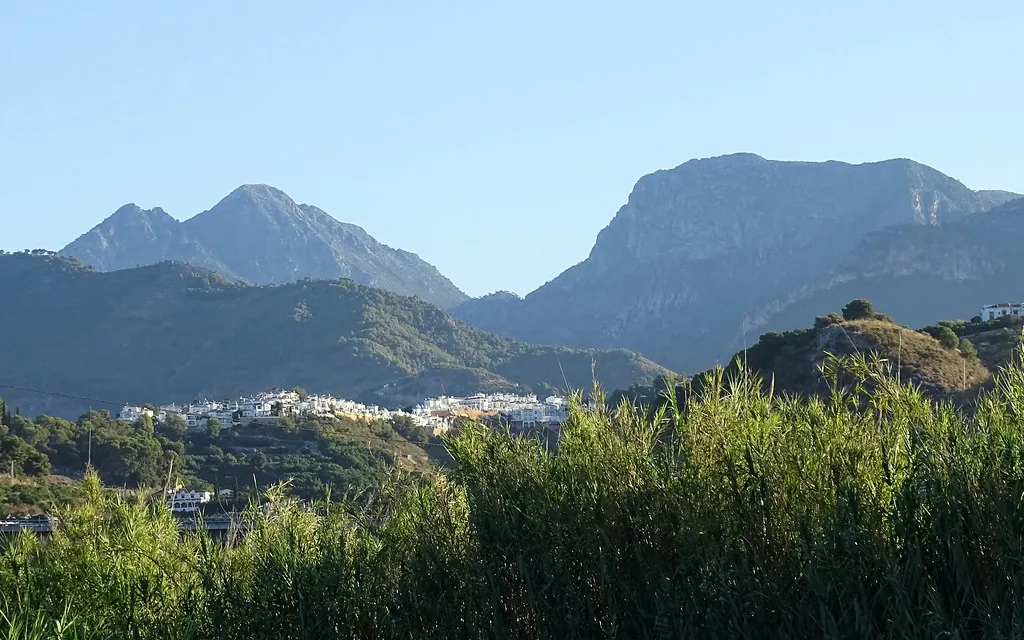
Some places seem designed to make you ease off the accelerator. Comares is one of them. The road coils upwards, bend after bend, and when you finally reach the top it becomes clear why people talk so much about tourism in Comares. The village is quite literally clinging to the crest of a rock, as if someone decided to build a vast lookout point above the Axarquía region.
It is small, with just over a thousand residents, and it does not try to demand attention. Yet once you begin walking its streets, you realise there is more than enough history here to fill a long afternoon.
The setting explains a lot. From almost anywhere in the village, the land drops away sharply. The horizon stretches wide across hills and cultivated slopes. You are constantly aware of the height.
A Historic Centre of Slopes and Corners
The first question many visitors ask is simple: how did all these houses fit up here?
The streets are narrow and steep, the kind that make you slow your pace without thinking about it. This is not a flat stroll from one square to another. You turn corners, climb improvised steps and come across viewpoints almost by accident.
The layout dates back to the medieval period, and it still shows. Whitewashed walls reflect the light. Short passageways link one stretch to the next. Some alleys end abruptly in open views across the valley below. It is the sort of place where putting the map away makes sense, even if that means climbing more than expected.
One practical note applies to almost every walk here: whatever goes down must eventually come back up.
Castle Remains and Wide Horizons
At the highest point stand the remains of the old Arab castle. It is important to adjust expectations. There is no intact fortress and no dramatic towers rising above the skyline. What you find are fragments, traces that hint at what once stood on this ridge.
Even so, it is worth the short climb. From here the strategic position of Comares becomes obvious. For centuries, this hill controlled routes between Málaga and the interior of Granada. The geography explains why people settled here and why they defended it.
On clear days, the view opens out across the whole Axarquía. The landscape stretches far into the distance and, sometimes, a thin blue line appears on the horizon. That line is the Mediterranean.
Plaza Verdiales and Everyday Life
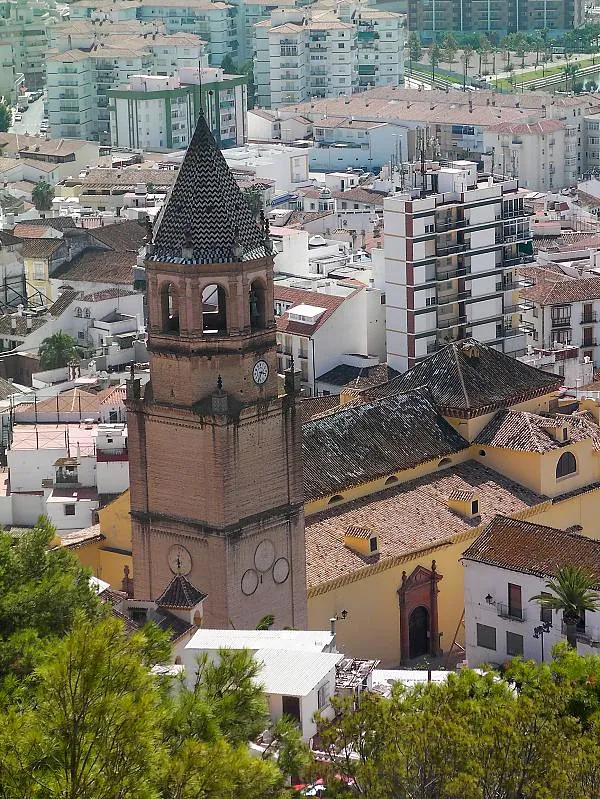
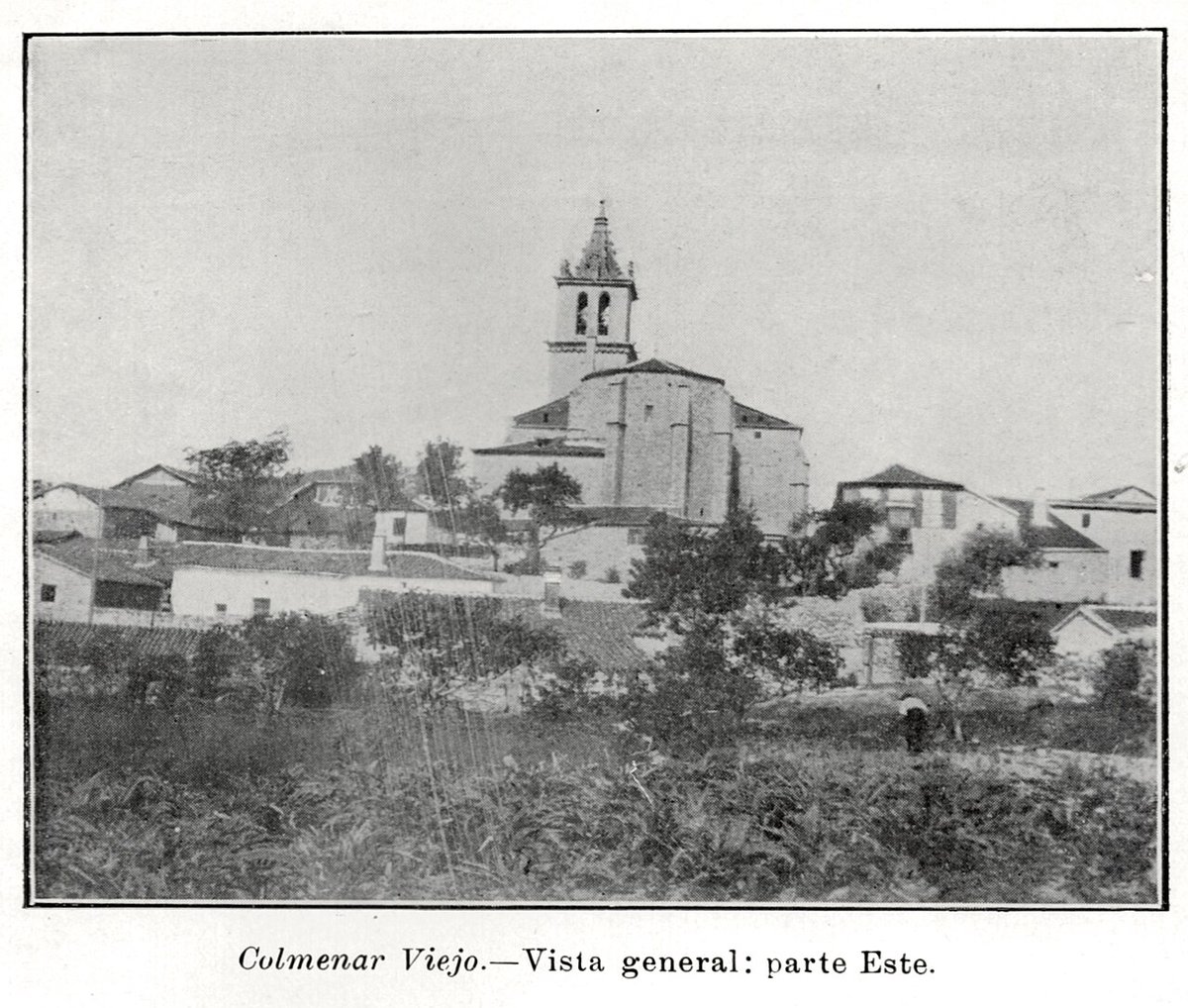
The Iglesia de Nuestra Señora de la Encarnación stands on the site of a former mosque. That transformation is common in this part of Andalucía, and certain details in the building still reveal it. Mudejar elements, a style that blends Islamic and Christian influences, sit alongside later alterations.
Nearby, Plaza Verdiales acts as a meeting point. It is not monumental or grand, yet there is usually some movement. Neighbours stop to talk. Someone crosses the square to run a quick errand. When the weather is kind, people sit in the sun and let the day unfold.
One unexpected spot is the village cemetery. It occupies a high position, and the views open out over olive groves and the surrounding hills. It is not somewhere to rush through. The setting encourages a slower pace and a quiet moment.
Paths Through Olive Groves and Mediterranean Hills
Several rural tracks begin almost at the edge of the village. Some descend towards ravines and small orchards. Others keep to higher ground, revealing broad views across the comarca.
The landscape combines olive groves and almond trees, which blossom while winter still lingers, with stretches of Mediterranean scrubland. Pines and retama shrubs dot the slopes. For a long time these hills depended on agricultural labour. Fewer hands work the land today, yet the terrain still reflects that past.
For those who enjoy walking, there are straightforward routes that fill a couple of hours. The Axarquía, however, has a habit of introducing steep sections just when least expected. Even short outings tend to include a climb.
Straightforward Cooking, Local Flavours
Food in Comares keeps things simple. The focus is on local produce and long-established recipes rather than presentation.
Extra virgin olive oil from the area appears in almost everything. Dishes such as migas con huevos, a traditional plate based on fried breadcrumbs and eggs, or goat stews remain common when it is time to sit down at the table. Gazpacho, the cold tomato soup associated with Andalucía, is a regular choice when the heat sets in.
There are no elaborate twists here. The aim is clear: eat well and feel satisfied.
Festivals and the Sound of Verdiales
Local celebrations remain closely tied to tradition. The village fair usually takes place in summer. During those days the atmosphere shifts noticeably, with music, dancing and neighbours making the most of the longer nights.
Another key part of local culture is the verdiales, an old musical style from Málaga. When violins, small guitars and tambourines echo through the narrow streets, the village feels connected to another time. The rhythms are lively, and the performances often unfold at close quarters.
Semana Santa, or Holy Week, is marked with a more restrained mood. Processions move slowly through streets that are sometimes barely wide enough to allow them to pass. The setting intensifies the sense of focus and silence.
Getting There and Taking It Slow
Comares lies about three quarters of an hour by car from Málaga city. The route first heads inland, then follows a road that winds considerably before reaching the village.
That final stretch includes plenty of bends, along with views that make the journey more enjoyable.
Comares is not a place for ticking off monuments from a list. It works better at an unhurried rhythm: walk, pause at a mirador, sit for a while and let the landscape do the rest. With time on your side, it becomes easier to understand why people chose to settle up here on the ridge. That, in the end, says quite a lot.