Full Article
about Cómpeta
White village known for its sweet wine and cosmopolitan vibe, home to many nature-loving foreigners.
Hide article Read full article
Reaching Cómpeta takes a bit of effort. From the coast the road climbs for several kilometres, with more bends than it seems to have on the map. If winding roads are not your thing, take it slowly and consider a short stop before heading fully into the sierra.
Once there, parking is easiest in the lower part of the village. From that point, it makes sense to continue on foot. The central streets are narrow and if you drive in, you will likely find yourself manoeuvring more than you would like. Cómpeta is best taken at walking pace anyway.
A Mountain Village in the Axarquía
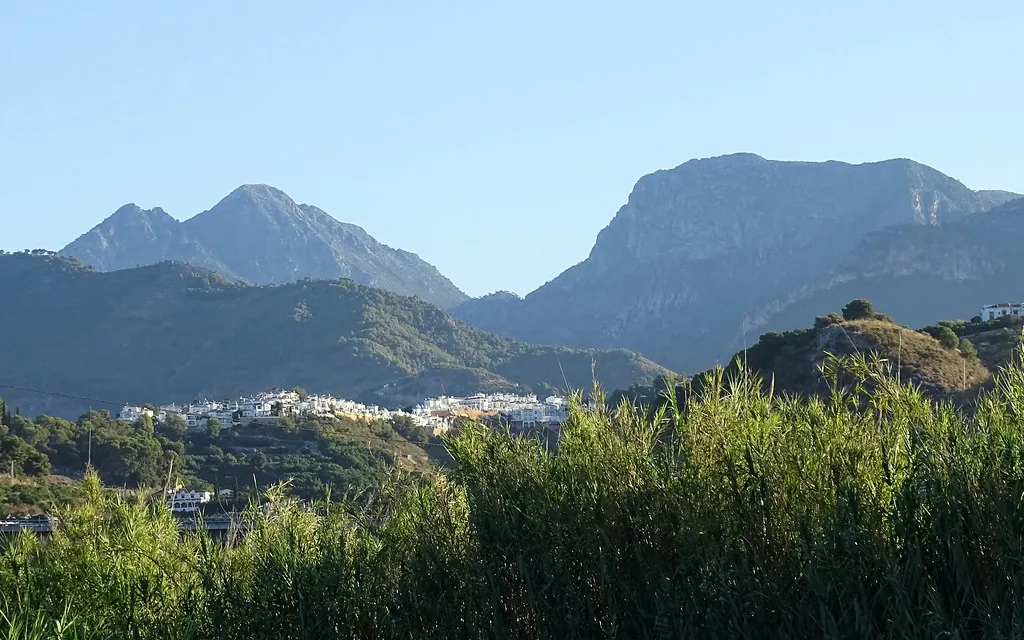
Cómpeta sits in the Axarquía region of eastern Málaga province, perched on the southern slope of the sierra. From certain spots you can see the sea, though it lies some distance away. The mountains set the tone here.
The old centre follows a familiar pattern for this part of Andalucía: whitewashed houses, steep streets and plenty of steps. There is nothing unusual about it, and that is part of its character. Life gathers around the main square, which functions as the village’s focal point. There are benches, a fountain and a couple of terraces where locals meet and talk.
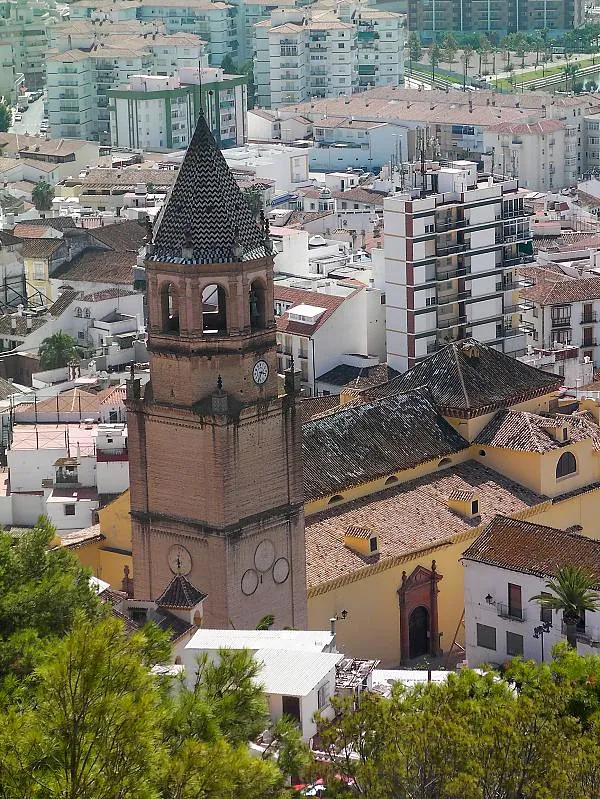
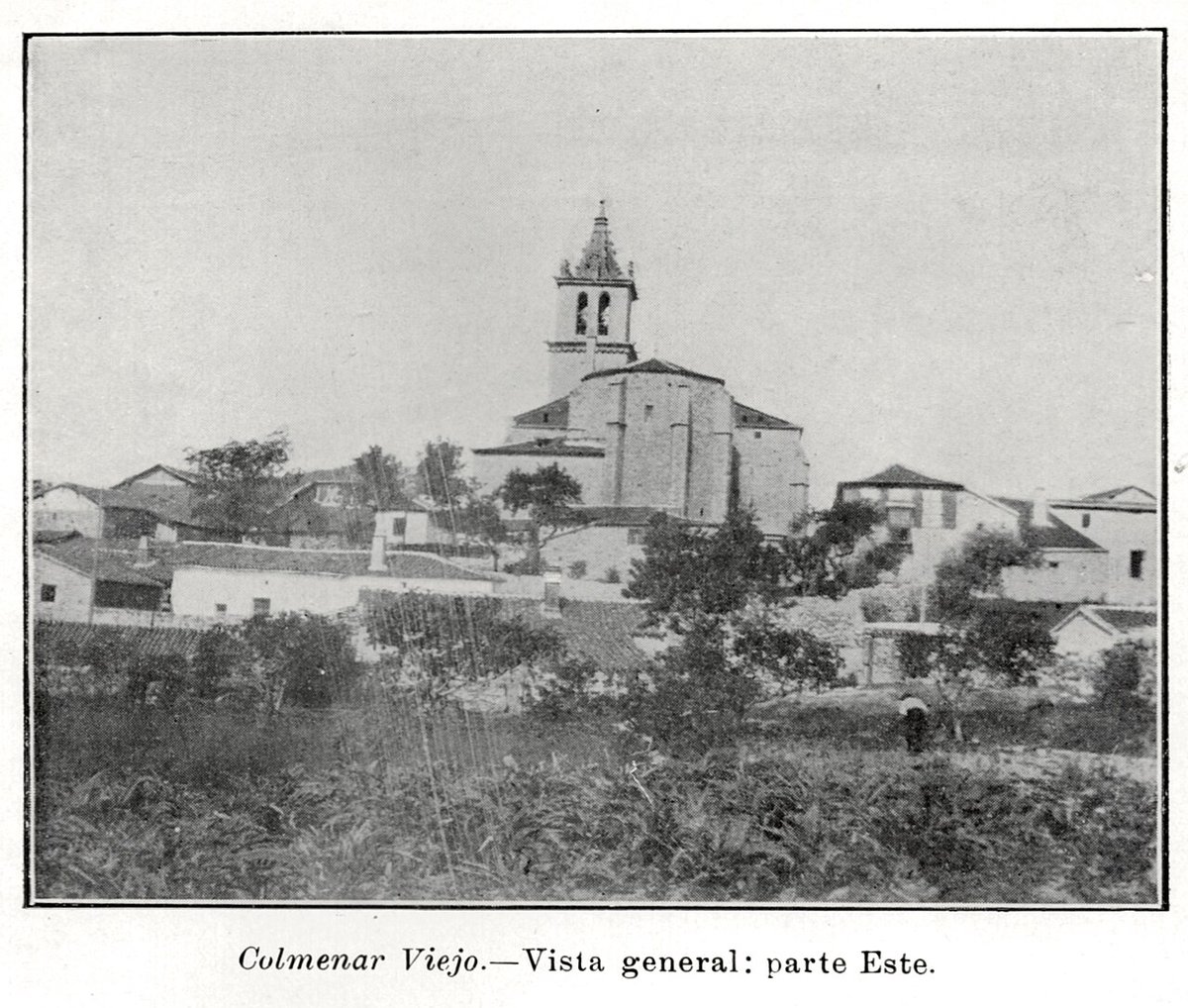
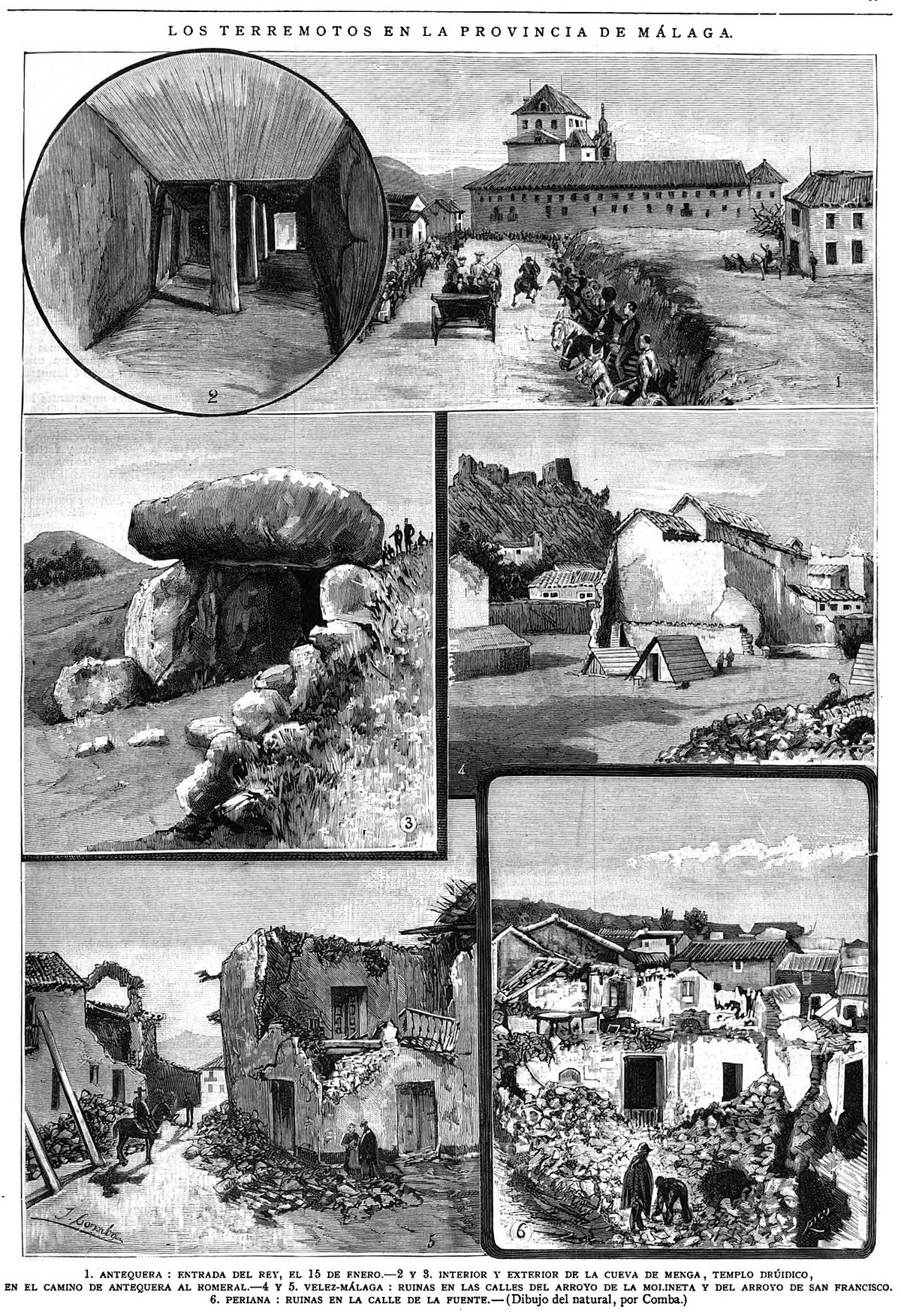
The church tower rises above the rooftops and can be seen from various points around the village. The current building combines older sections with later reconstruction carried out after the earthquake that affected this area at the end of the 19th century. It is not an especially grand church, yet it structures the square and provides a visual anchor for the centre.
In recent years, English is heard frequently in the streets. There is a sizeable foreign resident community, both in the village itself and in scattered houses across the surrounding countryside. This presence shows in some of the shops and in the atmosphere of certain areas, adding another layer to daily life without altering the basic rhythm of a small mountain settlement.
Moscatel Wine and Mountain Cooking
Moscatel wine remains a reference point in Cómpeta. This sweet wine is typically served chilled and needs little explanation beyond that. It is part of the local identity and appears regularly on menus and tables.
Food in the village leans towards traditional mountain cooking. Choto al ajillo is common, essentially kid goat prepared with plenty of garlic and olive oil. When temperatures drop, migas are a frequent sight. This rustic dish, made from fried breadcrumbs, is typical across rural Andalucía. Fried aubergines with molasses made from sugar cane, berenjenas fritas con miel de caña, also feature regularly. It is straightforward regional cuisine, with no elaborate presentation.
In mid-August, Cómpeta celebrates the Noche del Vino. On that day the village fills far beyond its usual numbers. If visiting during the festival, it is most practical to leave the car outside and walk in. The narrow streets that feel manageable on an ordinary afternoon become much busier.
Walking the Surroundings
Several short walking routes start directly from Cómpeta and can be done without much planning. One of them leads through village streets decorated with ceramic murals, offering a simple way to explore while paying attention to small details that might otherwise be missed.
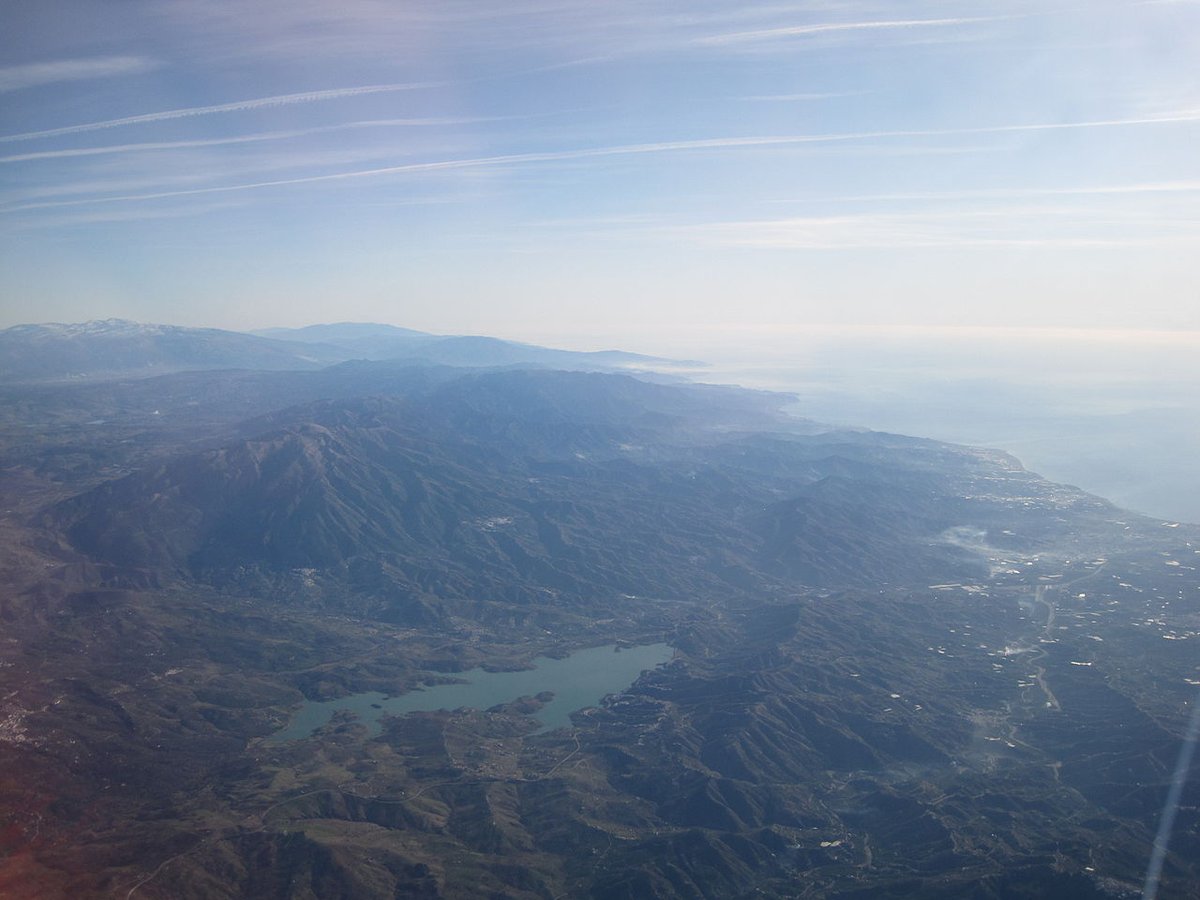
For longer outings, there are paths descending towards local ravines and streams, as well as routes that approach the natural park of the sierras of Tejeda and Almijara. This protected mountain area lies close enough to shape the landscape around Cómpeta. In summer, the sun is strong even at this elevation. Water and a hat are basic precautions, and midday is not the time to set off.
Other tracks run between former vineyards and scattered country houses. You should not expect dramatic viewpoints at every turn, yet on clear days the coastline is visible in the distance. The sense of space comes gradually, through open hillsides and long views rather than through a single marked lookout.
Practical Notes for a Visit
Spring and autumn are generally more comfortable than August. Despite its altitude, the heat is noticeable in high summer. Shade can be limited in the steep streets, and the surrounding hills offer little shelter from the midday sun.
Parking outside the centre and moving around on foot makes the visit easier. The village itself can be seen in half a day without rushing. Its scale is modest, and much of the experience comes from wandering through the lanes, pausing in the square and taking in the setting rather than ticking off specific sights.
If you have a car, it is worth using it to explore other villages in the Axarquía or to head further into the sierra. On its own, the urban centre of Cómpeta is unlikely to fill a full day. It works better as part of a broader look at this corner of Andalucía, where mountain roads link small white villages and the sea remains visible, though always at a remove.
Cómpeta does not rely on major monuments or headline attractions. Its appeal lies in its position on the slope, its everyday life around the square, the presence of moscatel wine and mountain dishes, and the network of paths leading out into the surrounding hills. Arrive prepared for bends in the road and steep streets, and take it slowly once you are there.