Full Article
about Iznate
Small village of steep streets known for its muscat grapes and as the possible birthplace of the rebel leader Omar Ben Hafsun.
Hide article Read full article
Iznate es ese tipo de pueblo que te hace bajar una marcha
Sabes cuando vas por la carretera y pasas un cartel de un pueblo, pero no hay ni un solo coche girando hacia él? Iznate tiene un poco de eso. No es que esté escondido, es que va a otra cosa. Turismo en Iznate no es una industria; es lo que pasa cuando unos cuantos forasteros se desvían para ver de qué va el sitio.
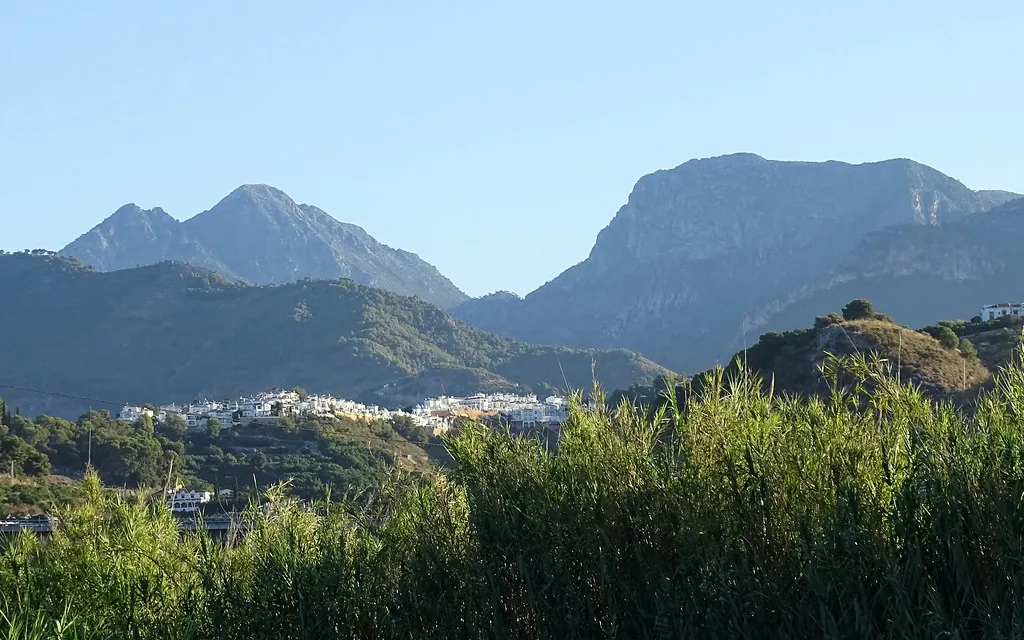
Está en la Axarquía, a menos de una hora de Málaga si el tráfico acompaña. Unas novecientas personas viven aquí, repartidas en una ladera suave. Lo que ves desde lejos son las casas blancas subiendo la cuesta, como si les costara trabajo, y alrededor, el olivo. Siempre el olivo.
El centro: calles con pendiente y una plaza sin pretensiones
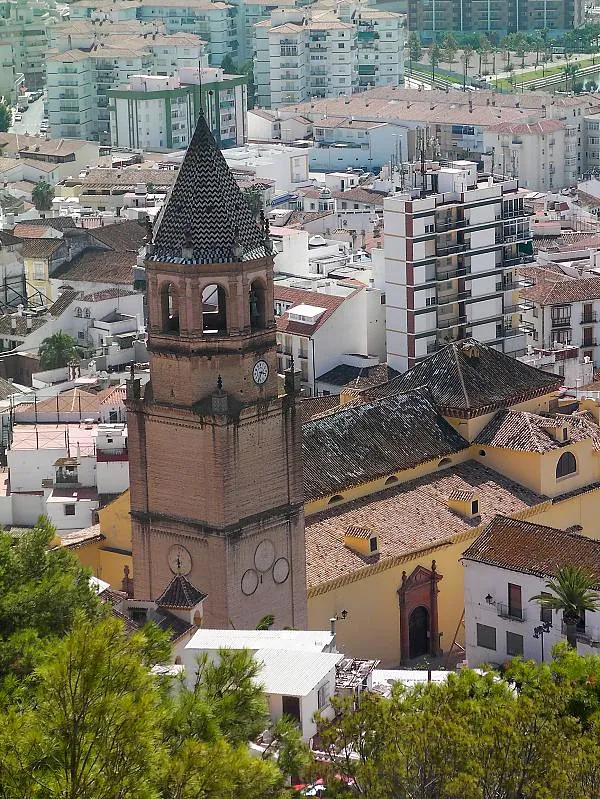
El núcleo antiguo lo recorres en media hora si no te entretienes mucho. Calles estrechas que suben y bajan, con el estilo axárquico de manual: fachadas encaladas, rejas de hierro y macetas donde cabe una. La iglesia de Santiago Apóstol es el punto de referencia. Dicen que es del siglo XVI y que se levantó sobre una mezquita. Por fuera es más bien sobria; dentro guarda algunos detalles mudéjares y retablos barrocos.
La verdadera sala de estar del pueblo es la Plaza de la Constitución. No es monumental, ni falta que le hace. Es ese espacio donde se para la gente a hablar, donde pasa un coche a paso de tortuga y donde se comentan las cosas del día. Funciona porque no intenta ser otra cosa.
Salir a caminar por los caminos rurales
Aquí lo natural es echar a andar. No hace falta un mapa detallado; los senderos rurales que conectan cortijos y fincas son parte del paisaje diario. Muchos vecinos los usan para sus labores.
Algunos caminos serpentean entre olivares viejos, con troncos gruesos y el suelo seco bajo los pies. No hay carteles explicativos ni paneles informativos, solo el ruido de la gravilla al pisar.
Si ganas algo de altura, las vistas se abren. En días muy claros, puedes distinguir una línea azul al fondo: el Mediterráneo asomando entre los cerros. No siempre se ve, pero cuando aparece, le da una perspectiva distinta al paseo.
El campo marca el ritmo del año. El otoño suele traer la recogida de la aceituna, un movimiento que involucra a media villa. A finales del invierno son los almendros los que pintan las laderas de blanco y rosa pálido durante unas semanas breves.
Fiestas con sabor local
Los eventos aquí tienen un aire comunitario muy claro. La feria de agosto monta su música y sus casetas temporales con un ambiente familiar y desenfadado. La Semana Santa procesiona por las calles empinadas con sus pasos en silencio, como ocurre en tantos pueblos pequeños.
Me gusta más la romería de San Marcos, a finales de abril. Es esa tradición de ir al campo a bendecir los campos y los animales que aún mantiene viva la conexión con la tierra entre generaciones. Y en diciembre le toca el turno a la aceituna, claro. Como no podía ser de otra manera.
Cómo llegar y qué esperar
Para llegar desde Málaga tomas la A-7 hacia la Axarquía y luego te metes por las carreteras locales hacia el interior. El último tramo tiene curvas y algún paso estrecho; conviene tomárselo con calma.
Iznate no es un pueblo para llenar una agenda turística apretada. Funciona mejor como una parada tranquila: dar una vuelta por sus calles, perderse un rato por algún camino entre olivos y ya está. A veces eso basta para entender cómo late un lugar