Moclinejo - Flickr
teclasorg · Flickr 4
Andalucía · Passion & Soul

Moclinejo

The first thing you notice is the smell of moscatel grapes warming on cane drying-racks, sweeter than bakery air at six in the morning. Then comes ...

1,222 inhabitants · INE 2025
447m Altitude

Why Visit

Center for Raisin and Wine Studies Winegrowers' Festival

Best Time to Visit

autumn

Winegrowers' Festival (September) septiembre

Things to See & Do
in Moclinejo

Heritage

  • Center for Raisin and Wine Studies
  • Church of Our Lady of Grace
  • Antonio Muñoz Winery

Activities

  • Winegrowers' Festival
  • Wine tasting
  • Hiking

Festivals
& & Traditions

Fecha septiembre

Fiesta de Viñeros (septiembre), San Bartolomé (agosto)

Las fiestas locales son el momento perfecto para vivir la autenticidad de Moclinejo.

Full Article
about Moclinejo

Gateway to the Ruta de la Pasa y el Vino, overlooking Málaga Bay with deep-rooted wine-making tradition

Ocultar artículo Leer artículo completo

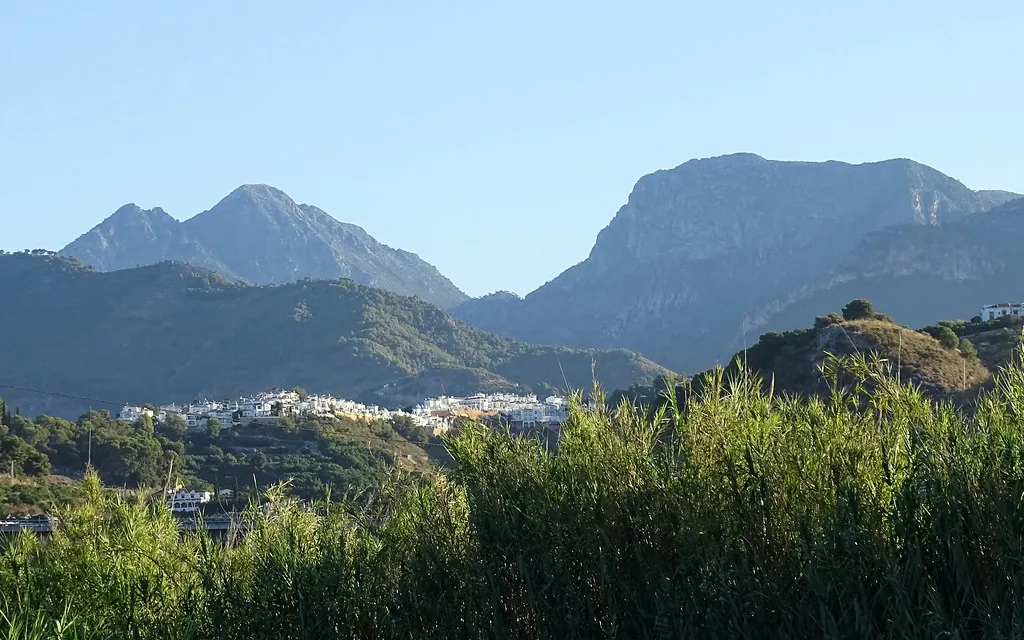
The first thing you notice is the smell of moscatel grapes warming on cane drying-racks, sweeter than bakery air at six in the morning. Then comes the view: a 35-kilometre sweep of Mediterranean glitter that appears so suddenly between whitewashed houses you half-wonder if someone has swapped the lenses in your sunglasses. Moclinejo perches 447 m above the Axarquía’s folded vineyards, close enough to the coast to taste salt on the breeze yet high enough that even in August the nights drop to 21 °C and sleep comes without air-conditioning.

A village that still works for a living

Forget the postcard myth of silent alleys and geraniums. At 08:00 the loudspeaker on the town-hall crackles into life with the daily pregón, read by whoever drew the short straw in the mayor’s office: roadworks near the cemetery, reminder to book flu jabs, happy birthday to Pepa who turns ninety-three. Farmers in muddy boots park their pickups across the church steps and head into Bar Reyes for café con leche and a brandy that costs €1.20 if you stand at the counter. The place runs on agriculture, not tourism: avocados, mangos and the last plots of muscatel that once made this corner of Málaga famous for raisins and fortified wine.

That explains why the village feels awake rather than curated. Houses are immaculate on the upper storey – fresh limewash, green iron grilles – while ground-floor garage doors still show tractor scrapes and diesel smudges. You will not find artisan soap shops every three metres; instead there is a small hardware store that sells goat feed, light bulbs and, if you ask nicely, a chilled can of Cruzcampo opened at the till.

What you actually do for three hours (four if the bodega pours generously)

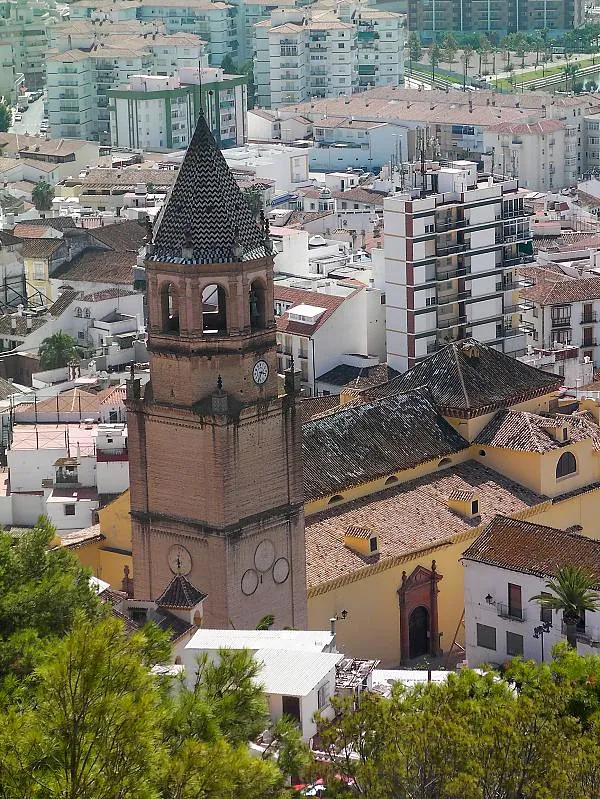
Start at the mirador signed just before the entrance arch. The tarmac pull-off is flat, free and big enough for a seven-metre motorhome – a rarity in these hills. From here the Roman road that later became the Ruta de la Pasa zig-zags up between terraces of gnarled vines. Five minutes of calf-stretching cobbles brings you to the sixteenth-century Iglesia de Nuestra Señora de Gracia; its tower was raised higher after Berber pirates burned the first version in 1569. The doorway is usually open, the interior shadow-cool and scented with beeswax. Donations box: €1, coins only.

Behind the altar a side door leads into the tiny Wine and Raisin Museum. Inside are two rooms of scales, reed mats and a 200-year-old beam press still sticky with juice. Opening times follow the agricultural clock: 10:00-14:00, then 17:00-19:30. Turn up at 14:05 and you will meet a locked grille; peer through and the caretaker will probably wave his sandwich at you in sympathy.

Back outside, the lane narrows into a staircase so steep it has handrails. Climb another four minutes to the top terrace and you reach the Contemporary Art Gallery, named after painter Antonio Segovia Lobillo who was born here in 1904. The guard sits in the town-hall opposite; ring the bell and he crosses the road with a key the size of a corkscrew. Expect three whitewashed rooms, rotating exhibitions of local landscapes, and a guestbook containing more comments from Derbyshire than from Andalucía.

Liquid geography: tasting the mountain in a glass

Dimobe bodega squats on the western edge of the village, a working warehouse rather than a visitor centre. Tours (€8) run at noon Monday-Friday, but if the forklift is loading pallets they will still pour you a straight glass of dry moscatel for €1.50. The sweet version, aged in American oak, smells of orange blossom and tastes unmistakably of the sea breeze that sneaks through the sierra each afternoon. Bottles cost €6; they accept cash only and wrap your purchase in yesterday’s Sur newspaper.

British cyclists sometimes arrive sweaty from a 35-km loop that drops to the coast at Rincón de la Victoria and then claws back 600 m of vertical gain. They sit on the loading dock, share tostada with the warehouse lads and confirm what the altitude already suggested: this is not a place for flip-flop strolls. Bring trainers, or better, shoes with grip; the polished cobbles turn to marble when the overnight dew hasn’t quite burnt off.

Seasons and crowds (or the lack of them)

Moclinejo never reaches the coach numbers of nearby Frigiliana. Even on Easter Sunday you can find a parking space within five minutes, though processions are taken seriously: brass bands echo off the walls, women in black lace carry candles that drip wax onto hair already lacquered against the evening wind. The September Fiesta de Viñeros celebrates the grape harvest with free paella in the sports court and a mosto tasting that starts at 11:00 and finishes when the barrel is empty. Accommodation is the catch: only one registered holiday cottage sits inside the village boundary. Everyone else beds down on the coast at Torre del Mar, twenty minutes away, and drives up the snaking A-356 for sunset.

Winter brings the opposite problem. Night frost is rare but daytime highs of 12 °C feel chilly when the wind rattles across bare vines. Two restaurants stay open at weekends; the third locks its shutters in November and reappears around Palm Sunday. If you want hot churros you will need to be on speaking terms with the bar-owner’s timetable – he opens when enough walkers have been spotted on the terraces below.

Food that doesn’t photograph well – and tastes better for it

Order ajoblanco at Bar Reyes and you receive a cold, thin almond soup the colour of oat milk, bobbing with green grapes. It looks like dishwater; it drinks like liquid marzipan sharpened with garlic and good olive oil. The same kitchen turns out chivo lechal (milk-fed kid) on Sundays, roasted until the skin shatters like well-done duck. A half-ration is still huge; prices hover around €9-€12, bread included. Pudding choices are limited to borrachuelos – little fried pastries soaked in honey and anis – or nothing at all. Nobody complains.

Vegetarians can assemble a meal from espinacas con garbanzos, berenjenas con miel and the local avocado salad, though you may need to negotiate: “Sin atún, por favor” still occasionally arrives with a decorative flake of tuna because the chef forgot. Pudding-wise, the village bakery opens at 07:00 and sells roscos de vino – ring-shaped biscuits flavoured with sweet moscatel – for €2 a paper bag. They are rock-hard at dawn and perfect for dunking by the time you have walked the upper loop trail.

Leaving without the souvenir cliché

There is no shop selling fridge magnets shaped like flamenco dancers. The best souvenir is a half-bottle of mountain-made moscatel, already wrapped in newspaper, plus a pocketful of sun-dried muscatel raisins that cost €3 from the cooperative door on Calle Real. They come in an unlabelled brown envelope and taste like honeyed sunshine.

Head back to the mirador for the return hike. From here the coast road is a silver thread, the sea beyond it merging with the sky in a haze that could be Morocco. Turn around and the village roofs stack like sugar cubes up the ridge, still breathing out that faint, sweet scent of grapes. Two hours is plenty to see it all; three if the bodega owner is feeling chatty. You will not change the world in Moclinejo, but you might remember what Spanish villages smelled like before the boutiques moved in – and that is worth the detour.

Key Facts

Region
Andalucía
District
Axarquía
INE Code
29071
Coast
No
Mountain
No
Season
autumn

Livability & Services

Key data for living or remote work

2024
ConnectivityFiber + 5G
HealthcareHospital 7 km away
EducationElementary school
Housing~5€/m² rent · Affordable
CoastBeach nearby
January Climate14.6°C avg
Sources: INE, CNMC, Ministry of Health, AEMET

Official Data

Institutional records and open data (when available).

  • Castillo Santo Pitar
    bic Castillo/Fortaleza ~4.8 km

Planning Your Visit?

Discover more villages in the Axarquía.

View full region →

More villages in Axarquía

Traveler Reviews