Full Article
about Nerja
Famous tourist destination for its spectacular caves and the Balcón de Europa, with crystal-clear waters and cliffs.
Hide article Read full article
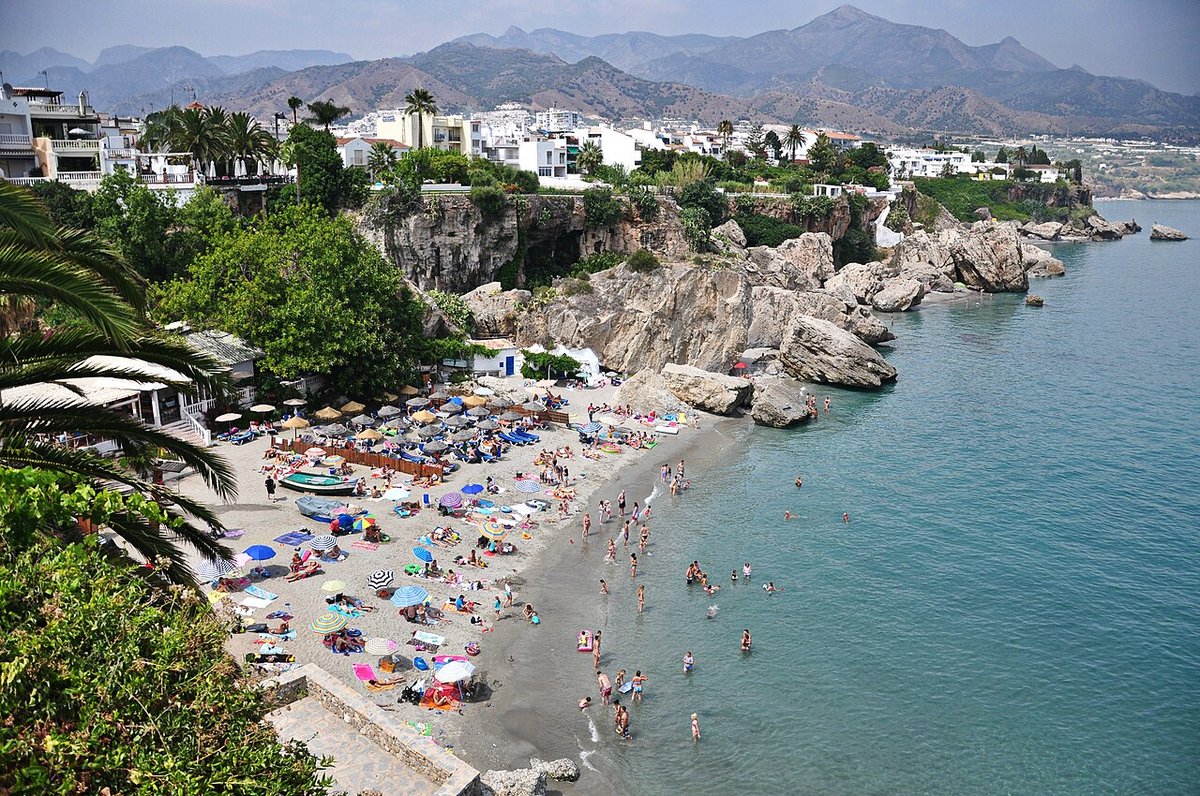
Nerja, con la playa llena y el pueblo atrás
Un amigo de Málaga me dijo una vez que ir a Nerja es como ir al cine a ver la película de la que todo el mundo habla: vas con cierto escepticismo, preparado para la decepción, pero al final sales pensando "bueno, no está mal". Tiene razón. Esta parte de la costa de la Axarquía lleva décadas siendo un clásico para visitantes, sobre todo británicos, que buscan sol sencillo y estancias largas. Eso se nota.
Por sus calles se oye más inglés que andaluz. Podría resultar cansino, incluso previsible, pero algo en Nerja encaja. Es como si el pueblo hubiera aprendido a convivir con su propia fama sin desaparecer del todo.
El Balcón de Europa, la foto obligatoria
El Balcón de Europa es esa parada que no puedes evitar, como el aperitivo antes de comer. Todo el mundo pasa por ahí. Lo curioso es que tiene motivo.
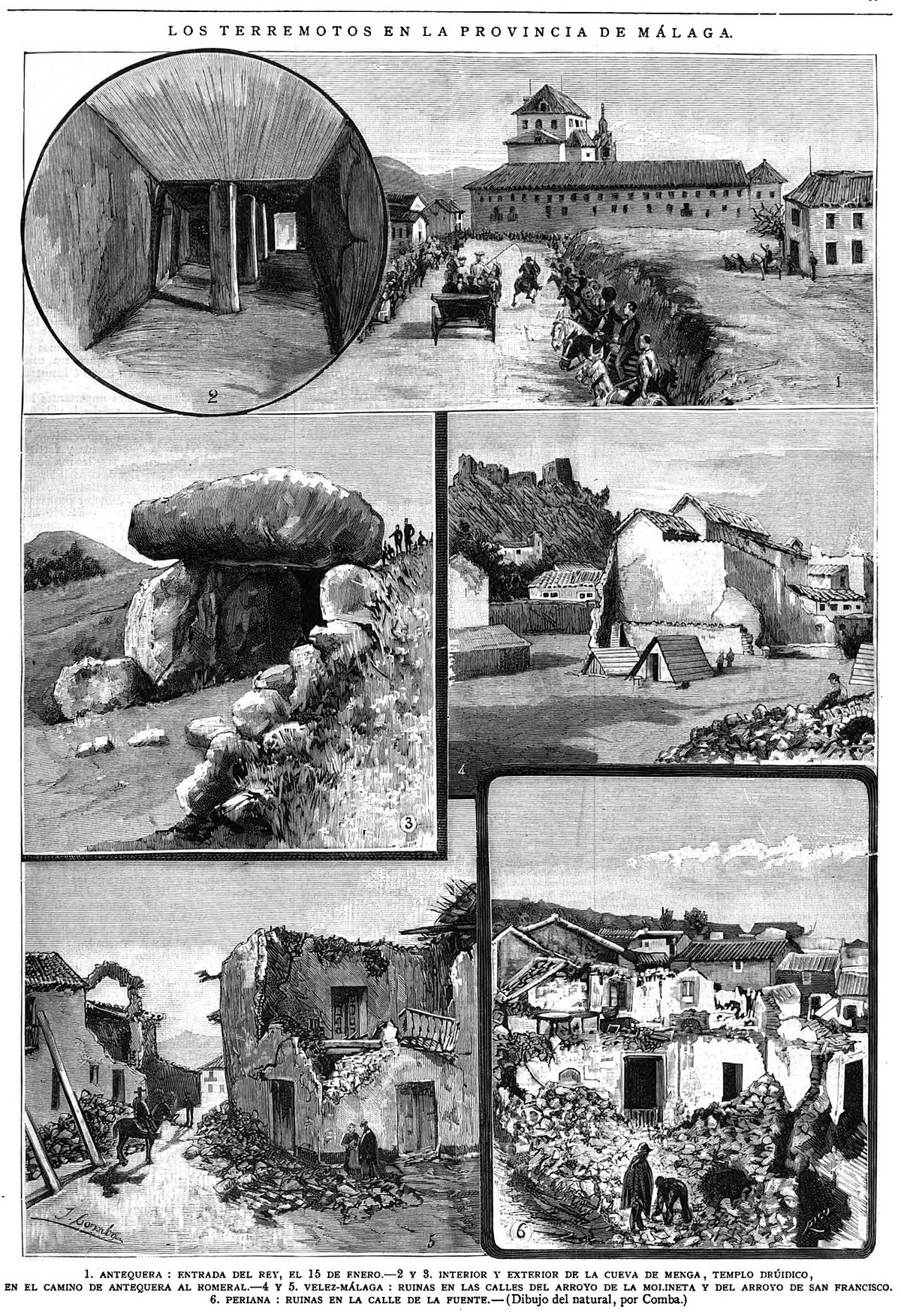
La vista sobre el Mediterráneo es amplia, pero lo interesante está en los pies. Aquí hubo un fuerte costero que el terremoto de 1884 dejó muy tocado. Cuentan que cuando el rey Alfonso XII vino a ver los daños, dijo que aquello era un "balcón de Europa". El nombre cuajó.
La hora lo cambia todo. A primera mañana, antes de que lleguen los autobuses, el ambiente es otro. El mar parece más quieto y la gente son sobre todo vecinos paseando al perro o tomando un café. En ese momento, el Balcón se siente menos como una atracción y más como parte del mobiliario urbano.
Por la tarde, cambia el chip. Se llena de visitantes, salen las cámaras y asume su papel de postal viviente. Las dos versiones son reales, pero no se parecen en nada.
Las Cuevas y otra dimensión bajo tierra
Por fuera, las Cuevas de Nerja no aparentan gran cosa. La entrada es discreta. Dentro, la escala cambia de golpe.
Las salas son enormes. Formaciones de roca que han tardado milenios en crearse ocupan el espacio; algunas alcanzan un tamaño bestial. Una columna en concreto, nacida de la unión de una estalactita y una estalagmita, está considerada entre las más grandes del mundo. Estar debajo ayuda a creérselo.
No es solo geología. Aquí hay restos prehistóricos y pinturas rupestres; algunos estudios las sitúan entre las más antiguas de Europa. Las fechas exactas van ajustándose con cada investigación nueva.
La visita está muy organizada, con un recorrido marcado. A veces puede sentirse como ir en grupo más que como explorar. Aun así, las salas grandes suelen imponerse a cualquier estructura. El espacio y el silencio ganan la partida.
Una parte de la cueva lleva décadas acogiendo conciertos. La acústica natural le da a la música una claridad extraña para un sitio así. Le añade otra capa a un lugar que ya parece fuera del mundo.
Playas y calas: ritmos distintos junto al agua
Burriana es la playa famosa de Nerja: ancha, fácil y concurrida cuando llega el verano. Se llena de hamacas y hay gente que planta su toalla para toda la jornada.
Cerca, Maro propone otro plan. La playa está en un entorno más abierto y natural, rodeada por acantilados que le dan un aire más tranquilo. El agua suele estar muy clara. Desde el mar se ve una cascada pequeña cayendo directa sobre la costa; ese detalle atrae a kayaks que se acercan para verla mejor.
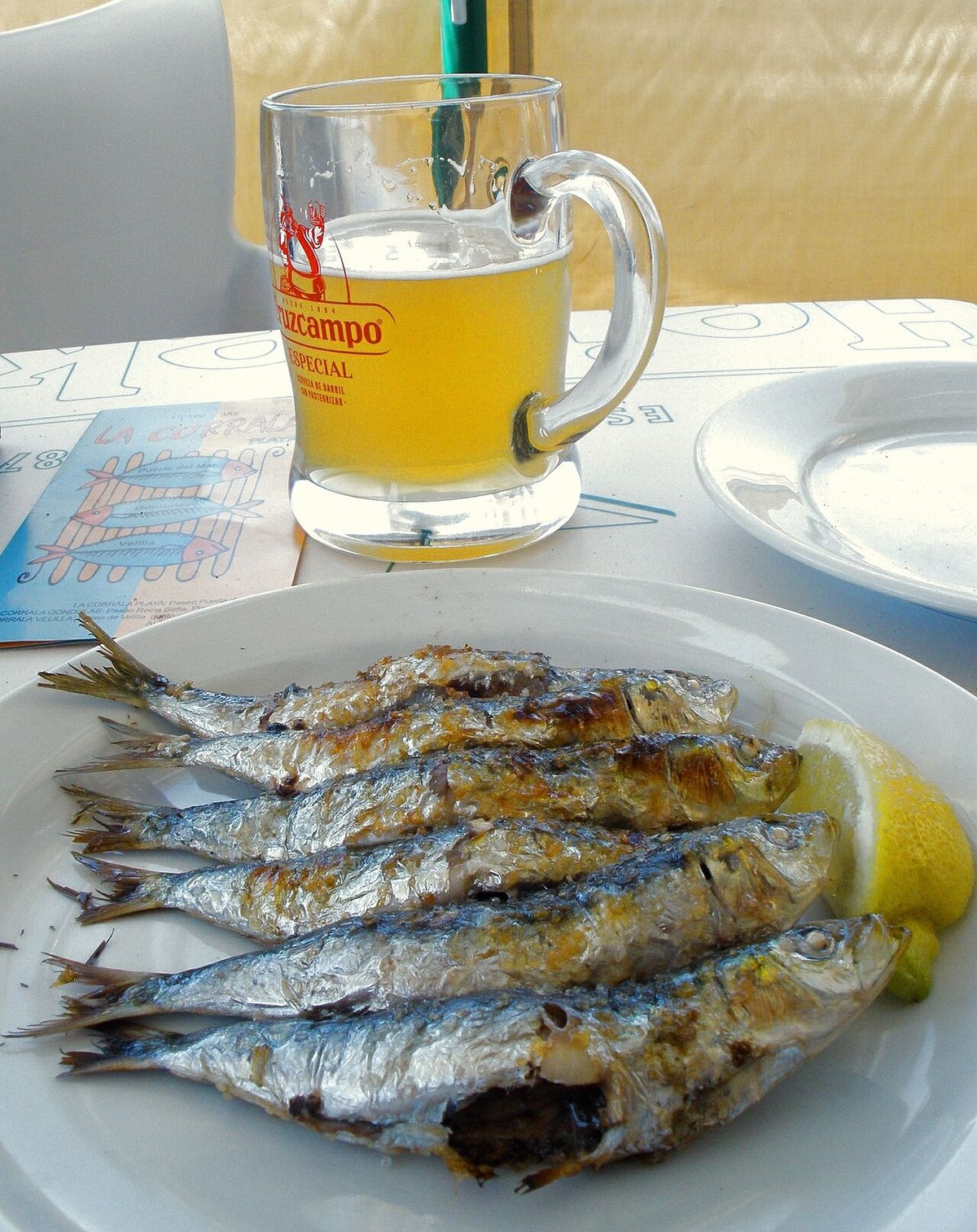
Por esta costa malagueña, comer forma parte del paisaje.Los espetos de sardinas siguen siendo lo habitual.Las ensartan en cañas y las asan sobre brasas en barcas hundidas en la arena.Un método que les da un sabor a humo,sal y verano.La experiencia se nota en cómo las manejan.Los que llevan años haciéndolo se mueven con soltura,a justando las cañas al calor con gestos pequeños y precisos.
Cuando se van los excursionistas
Cuando cae la tarde y muchos visitantes diarios emprenden el regreso,Nerja cambia el paso.El centro se serena,y empiezan a dominar escenas más cotidianas.Vecinos charlan en las puertas.Señores mayores juegan a las cartas en alguna plaza.Niños corretean entre mesas mientras las familias se instalan para la noche.
Alejarse unos metros de las calles más transitadas vuelve a cambiar el tono.Aparecen bares donde la conversación va más rápido que la servicia,y donde los debates sobre fútbol o sobre el calor que viene saltan de mesa en mesa.Es fácil terminar metido en una charla sin proponértelo.
La Feria de Nerja suele ser en octubre.Esos días,cambia notablemente el ambiente.Vestidos flamencos,música y casetas llenan el pueblo,juntando a gente que se conoce desde hace años.No es una feria enorme al estilo capital.El ambiente recuerda más a una verbena grande de pueblo.
El ritmo simple donde todo encaja
Nerja no es especialmente grande,y no ofrece una lista interminable de cosas para hacer cada día.La clave está en llevar otro ritmo.Con un parde díasy sin prisasesmás fácil entender cómo funciona esto.Un plan sencillo suele servir.Maar junto al agua por lamañana,luego visita a las cuevas,y paseo hastael Balcón cuando empieza a caerel sol.Después,cena por algún sitio del centroy vagar sin rumbo por calles como Pintada o alrededor dela Plaza dela Ermita.Ese ritmo enseña másque cualquier lista.Lafamosa foto desdeel Balcón seguramente forme parte del viaje igualque para tantos otros.Pero junto a ellallegarán momentos menores:una conversación inesperadauna cala máscalladael olor abrasasenla playa.Esos detalles cambianla experiencia.Nerjadeja desentirsecomoun sitio por donde pasasy empieza asentirsecomoun lugar quetiene su propio compás.Un sitio quecuandole das tiempo termina teniendo sentido