Full Article
about Totalán
Small village between coast and mountain with white, winding streets and the dolmen of Cerro de la Corona
Hide article Read full article
A hillside village above the Mediterranean
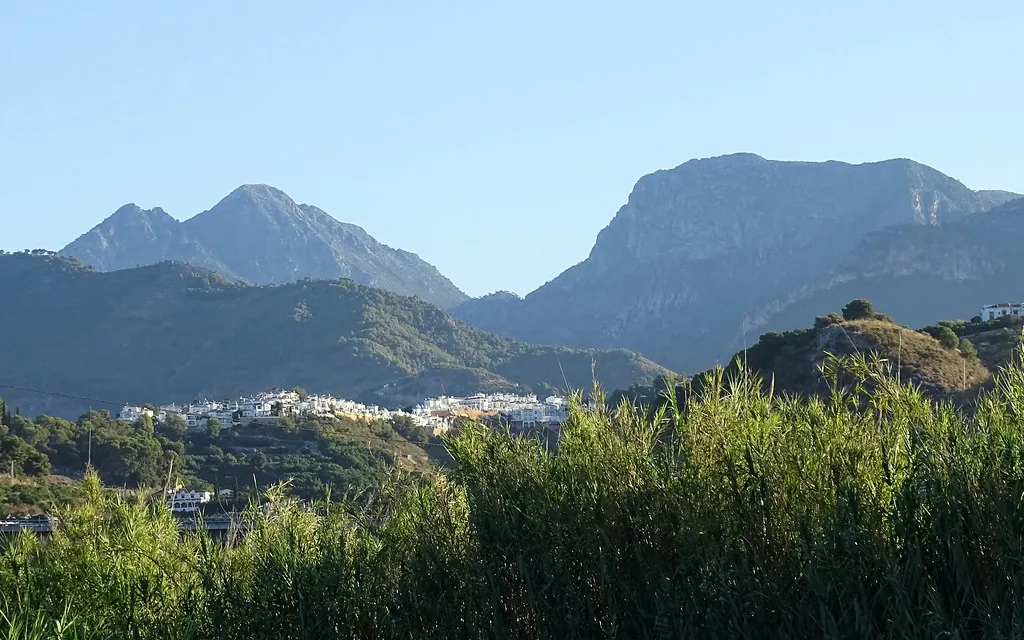
By mid-morning, when the sun falls directly onto the hills of the Axarquía, the white houses of Totalán almost force you to narrow your eyes. The streets are narrow and slightly crooked, with short strips of shade clinging to the walls. A door opens somewhere, footsteps echo uphill, and now and then the wind drifting down from the surrounding hills stirs the olive leaves.
The village lies a short distance from Málaga, yet the pace shifts quickly once here. Totalán rises on a slope facing the sea, although the Mediterranean is not always visible. It feels like a small place where most things happen around just a handful of streets and the main square. There are no grand monuments or museums. Instead, there is a compact cluster of houses, whitewashed walls dulled slightly by the sun, and the open landscape of the Axarquía stretching out around it.
From some of the higher points, on clear days, a strip of blue Mediterranean appears on the horizon. The coast is sensed more than seen, in the occasional humid breeze and in the contrast between the dry hillsides and cultivated terraces. At around 280 metres above sea level, the landscape changes markedly with the seasons. In late winter, almond trees scatter white blossom across the slopes. In summer, the colours fade into muted greens and pale earth. Autumn brings ochre tones and a longer silence in the fields.
San Miguel Arcángel and the shape of the streets
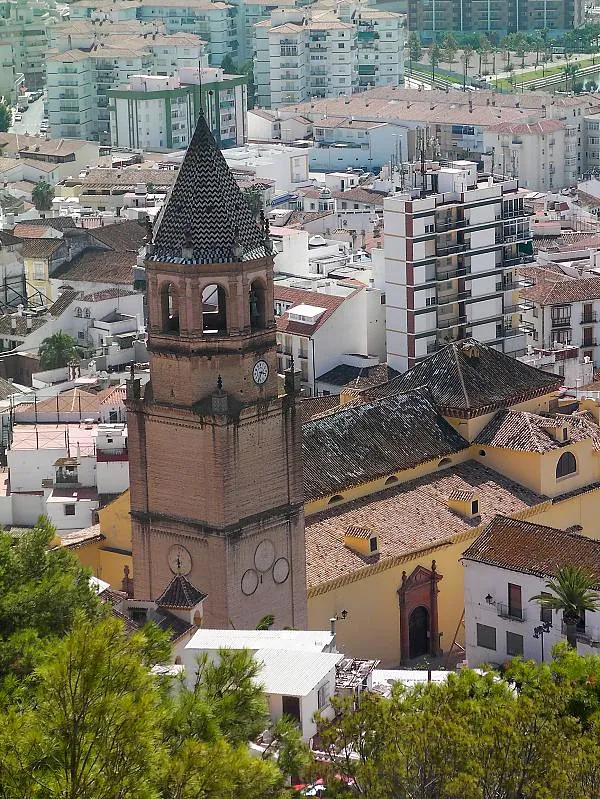
The church of San Miguel Arcángel occupies one of the central points of the village. Built in the 16th century, it is a simple structure with a single nave and a tower where traces of Mudejar design can still be seen. It is not monumental. Rather, it feels proportionate to the village itself, with an interior that remains slightly cool even on hot days.
The urban layout unfolds around it. Streets rise and fall with the slope of the hill, sometimes so narrow that two cars can barely pass. What stands out is not any single façade, but the details: darkened wooden doors, iron window grilles with flowerpots resting on them, small wall niches that can easily go unnoticed if walking too quickly.
The town hall square acts as a meeting point. At certain hours, children cycle across it, neighbours sit chatting on benches, and people come and go from the surrounding shops. It is where the village sees itself and recognises its own rhythm.
Paths through olives and almonds
The landscape around Totalán reflects the Axarquía closest to Málaga: rounded hills, plots of olive and almond trees, and agricultural tracks linking farmhouses and small holdings.
Many of these paths can be walked without too much difficulty, though a slope is almost always involved. On quiet days there is the hum of insects among rosemary and thyme, and the scent of fennel rises when brushing against the edge of the path.
There are no waymarked trails in the style of natural parks. Instead, these are working tracks used by farmers and residents. In summer, it makes sense to set out early or later in the afternoon. Long stretches offer little shade and the sun falls hard on the hillsides.
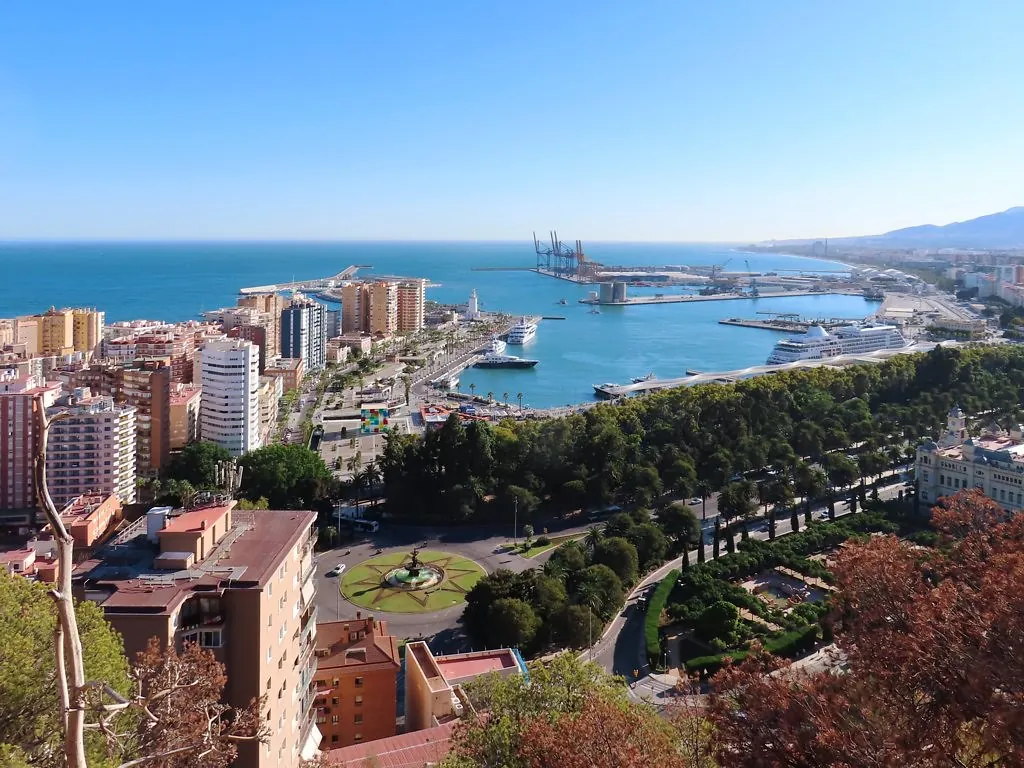
From some of the higher ground nearby, the view opens towards the Hoya de Málaga and, on clear days, as far as the Mediterranean.
Everyday scenes in changing light
Totalán does not have built viewpoints or platforms designed for photographs. What draws attention here are ordinary details: an old door with peeling paint, the shadow of an iron grille traced sharply onto whitewash, a washing line shifting slowly in the breeze.
Light alters the streets throughout the day. In the morning it enters from the east, leaving half the street in shadow. By late afternoon it turns warmer, bringing out the textures of façades and paving. Those who enjoy photographing small villages often find more interesting scenes during these quieter hours, when hardly anyone passes by.
Food rooted in the surroundings
Cooking in Totalán remains closely linked to local produce. In colder months, more substantial dishes appear, such as migas served with grapes, or choto guisado, a stewed kid goat dish that is common in the inland Axarquía. In many households, simple sweets such as roscos and tortas are still prepared, often for family celebrations.
Olive oil plays a central role. It is frequently sourced from nearby plots or from cooperatives within the comarca, and its flavour is immediately noticeable in stews and dressings.
Festivities and the village calendar
The patron saint festivities dedicated to San Miguel Arcángel usually take place towards the end of summer. During those days, the rhythm of the village shifts. Music fills the streets, families gather, and processions move through the urban centre, negotiating its slopes and narrow streets.
Semana Santa, Holy Week in the lead-up to Easter, is also observed on a local scale. The processions are short, adapted to the layout of the village. The effort of those carrying the religious images is particularly visible on the inclines.
Beyond these dates, life here follows a fairly calm calendar. Days are shaped more by light, weather and agricultural work than by major events. Totalán does not seek attention through landmarks or spectacle. Its character lies in its hillside setting, its whitewashed houses and the steady pace of daily life in the Axarquía.