Full Article
about Viñuela
Municipality that gives its name to the comarca's main reservoir, ringed by nature and residential developments.
Hide article Read full article
A reservoir that sets the tone
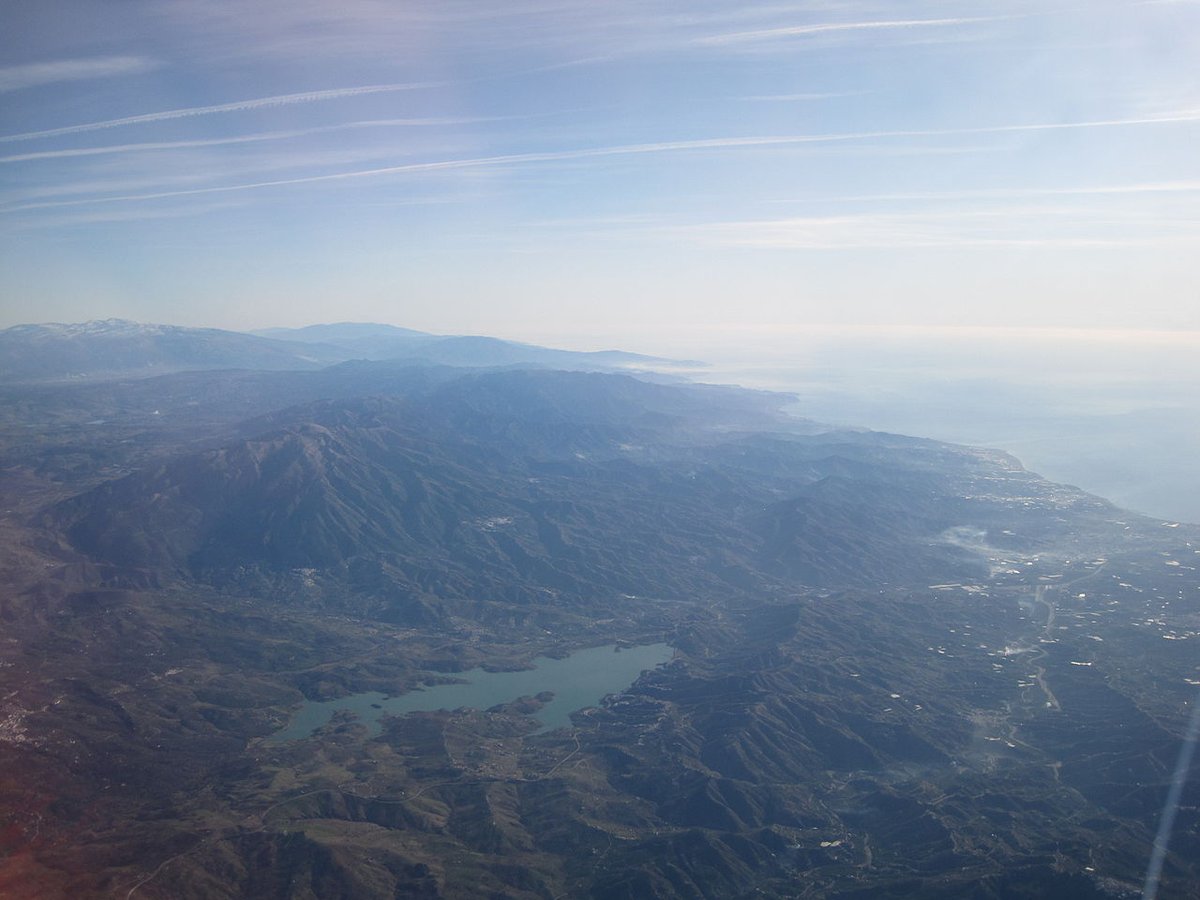
The water of the La Viñuela reservoir can turn an almost unreal turquoise when the sky is clear and the wind barely touches the surface. By mid-morning, a light breeze carries the scent of sun-warmed pines mixed with something sweeter. In nearby orchards, orange trees are often in blossom at this time of year. From the La Atalaya viewpoint, the tower at the top of the hill, said locally to have Andalusí origins, sits like a quiet lookout over the reservoir. Below, a man pulls a fishing rod from the boot of his car beside the stony shore. There is little sound beyond water shifting against rock.
From roadside stop to village
The story of La Viñuela is usually traced back to a roadside inn on the old route linking Vélez with inland Granada. Muleteers and travellers passed through here, stopping to change animals, eat something hot or rest for a few hours. Over time, houses, farm buildings and daily life gathered around that crossing.
Today the village remains small and fairly orderly. White streets can be covered in a short walk, with just over two thousand residents spread between the main settlement and scattered cortijadas, small rural clusters that spill down the slopes of the valley.
Early in the day, on a terrace in the square, locals talk about the reservoir as if it were part of the family. It is common to hear discussion about whether the level has risen or fallen after recent rains, or how the colour shifts with the light. The water is constantly in view, from the road, from viewpoints, and from plots of land that slope towards the fertile plain.
When the water stayed
Before the reservoir was built, the valley looked very different. Older residents recall vegetable gardens, old olive trees and small houses that disappeared beneath the water as the dam filled. They also speak of nearby settlements that had to move or adapt to the new landscape.
The arrival of the reservoir brought more stable irrigation, and the countryside changed. Many plots began to host subtropical crops such as avocados, mangoes and chirimoyos, now a familiar part of the Axarquía landscape.
In spring, orchards near the Guaro river carry the scent of orange blossom and damp earth. There are easy paths that run along the fertile plain, often used by locals for evening walks. It is not unusual to see irrigators opening gates and letting water flow through stone channels that still operate as they always have.
Food that takes its time
In village homes, cooking still leans on dishes that require patience. Choto, young goat, is often stewed with wine and left to simmer slowly for hours. Puchero with fennel depends on someone having gone out into the countryside to gather wild shoots after the first rains.
Pipirrana with cod appears frequently too. This fresh mixture, typically served slightly warm, suits the hotter days. Fried aubergines with miel de caña are another staple. This dark, thick syrup made from sugar cane has a flavour that sits between sweet and bitter, leaving a long aftertaste.
At a nearby table, a woman speaking English with an Andalusian accent mentions she has lived here for decades. She says miel de caña does not exist in her home country and that she quickly got used to these aubergines. It comes across as a habit absorbed without much thought.
Up to La Atalaya
Towards evening, the path leading up to the Torre de la Atalaya fills with a brief orange light. The climb is not long, although some stretches are steep. On hot days, carrying water is sensible as there is little shade.
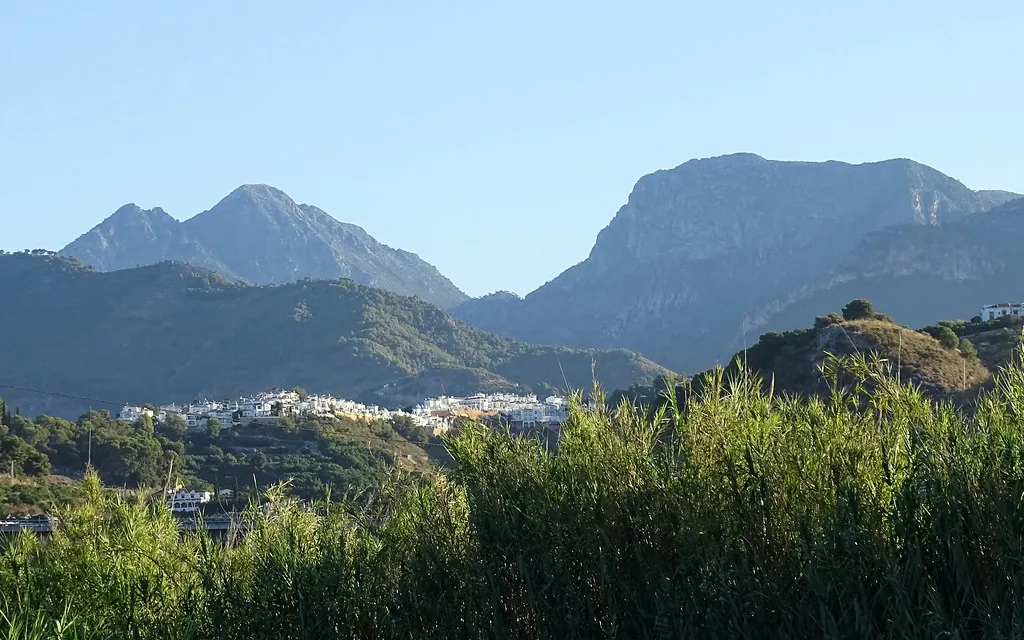
From the top, the whole reservoir opens out. Pine forests stretch towards Sierra Tejeda, scattered farmhouses sit across the slopes, and hills are lined with olive trees. On very clear days, looking south, the sea appears as a thin silver line between the mountains.
Nearby, there are signs pointing towards Los Castillejos, where ancient remains have been identified, sometimes linked to Iberian times. The ground is scattered with old walls and stones that seem deliberately placed centuries ago. Walking there encourages a slower pace, attention shifting between the ground and the wider view.
Knowing when to come
In summer, the atmosphere changes noticeably. At weekends, the area around the reservoir fills with cars, music and people looking for water and shade. For those who prefer to walk or see the reservoir in a quieter state, weekdays or cooler months tend to be a better choice.
Spring and early autumn bring a different quality of light. The air smells of damp countryside, and the reservoir reflects the surrounding hills more calmly. Winter has its own appeal, although by late afternoon the damp cold can settle in, so warmer clothing is useful.
La Viñuela is not defined by major monuments. What shapes it instead is the reservoir landscape, the pace of rural life, and the ongoing conversation about water that, in the end, influences everything in the valley.