Full Article
about Cádiz
The oldest city in the West, surrounded by sea and known for its light; historic center with narrow streets and a lively atmosphere.
Ocultar artículo Leer artículo completo
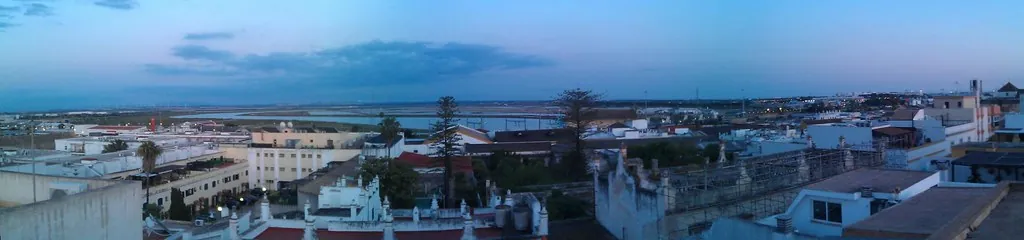
The first clue that Cádiz is different comes from the train window. As the line leaves the marshy salt flats of San Fernando, the track narrows onto a single spit no wider than a cricket pitch, water glinting on both sides. For six kilometres you race along what looks like a causeway to nowhere until, suddenly, the city appears—an almost-island tenuously tethered to Andalucía, its golden cathedral dome rising like a lighthouse over a jumble of salt-stained roofs.
That fragility is an illusion. The "Silver Cup" has been doing this for three millennia, making it the oldest continuously inhabited settlement in Europe. Phoenician traders, Roman senators, Moorish engineers and Victorian merchants have all left fingerprints in the stone, yet Cádiz still behaves like a working port rather than a museum. Washing flaps between marble columns, fish vans double-park beside baroque towers, and the evening paseo follows the same seafront route it did when Nelson was sniffing around the harbour.
A Peninsula That Forgot To Be Flat
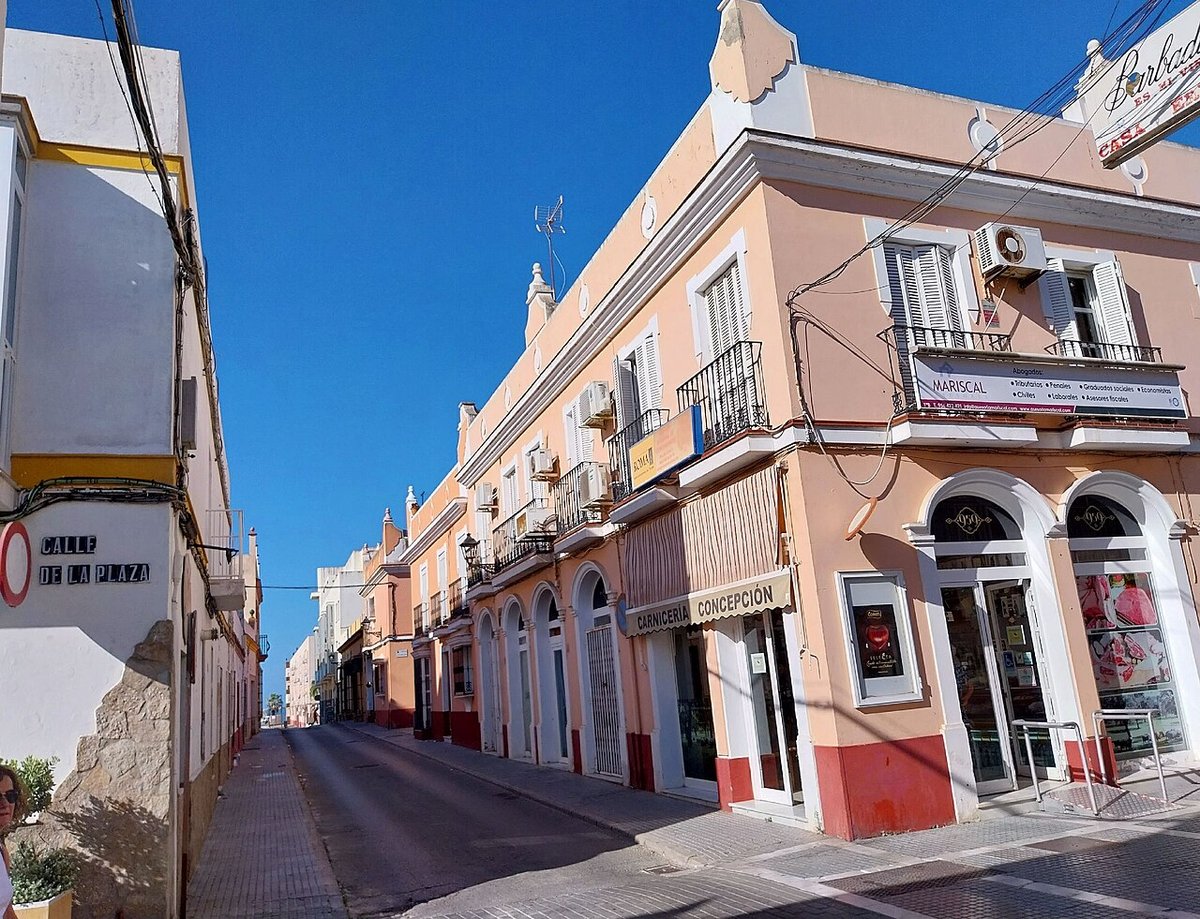
Maps lie. The old centre sits on a lump of limestone barely above sea level, so every street eventually tilts toward water. Start at the 18th-century customs house on Plaza San Juan de Dios and you’ll be climbing within two minutes, calves protesting as alleyways funnel up to the cathedral platform. The reward is air that smells of salt and diesel instead of inland cork and sunflower, plus a breeze that knocks five degrees off the summer temperatures Seville swelters in. Bring a cardigan even in July; the levante wind can whip up without warning and send napkins flying across al-fresco tables.
The cathedral itself is a patchwork: baroque body, neoclassical façade, yellow-tiled dome that glows like wet sand when the sun hits it. Inside, Manuel de Falla’s simple tombstone keeps company with carved choir stalls gilded with New World gold. Skip the nave and head straight for the Torre de Poniente—72 gentle ramps, no stairs, manageable for anyone who can manage a Plymouth hoe. From the open crown you read the city plan like a nautical chart: the Atlantic to the west, the bay to the east, and in between a grid so compressed that neighbours can trade sugar across adjoining balconies.
Streets That Taste Of Tuna And Sherry
Lunch happens early by Spanish standards—13:30 sharp—because Gaditanos refuse to choose between food and beach. In the Barrio de la Viña, the old fishery quarter, Casa Tino grills seasonal tuna over esparto grass, the same technique used by the almadraba net crews who chase the fish on their spring run from the Atlantic to the Mediterranean. A plate of mojama (air-cured loin) and a glass of chilled manzanilla sets you back €12; ask for the gluten-free bread and they’ll produce it without fuss. If red meat is required, walk five minutes to La Chancha y los 20 for Galician entrecôte aged 45 days, sliced and served on warm slate. Vegetarians survive on green gazpacho made with almonds, no cream, and the city’s addiction to deep-fried aubergine drizzled with molasses.
Drinking follows different rules. Bars don’t do rounds; everyone orders individually and trusts the final tally. Start with a fino at Taberna Casa Manteca, where bullfighting posters paper the walls and the house chorizo is sliced to order on a 1950s chrome machine. Move to La Taberna del Chef del Mar for a glass of palo cortado while the barman explains why Cádiz bay oysters taste of chamomile (answer: freshwater springs bubbling through the salt marsh). Close the night at Peña Flamenca La Perla, a peña hidden between ship-chandlers on Calle San Cristóbal. Shows begin at 22:00, no reservations, €15 paid at the hat passed round after the first set. The singing is raw, the dancing closer to Morris-side foot-stamping than polished Seville tablaos—exactly why Brits keep coming back.
Sand Between The Cobbles
Beaches are never more than a 15-minute walk away, but choose carefully. La Caleta, wedged between the castles of San Sebastián and Santa Catalina, looks cinematic—Halleck and Bond both emerged here—but the sand is pocket-handkerchief size and the council showers have been broken since 2019. Locals treat it as a paddling pool; serious swimming happens at Playa de la Victoria, a four-kilometre arc of fine sand reachable by strolling down Avenida de la Constitución past cafés whose terraces open at 08:00 for coffee and churros. Between the two lies Santa María del Mar, favourite of surfers when Atlantic swells sneak round the headland; board rental is €15 an hour at Surfium, wetsuits included. If you’d rather tan without tan-lines, continue south to La Cortadura where a signed 700-metre stretch has been officially naturist since 2023—mixed, quiet, and mercifully free of gawkers.
Winter changes the equation. January sea temperatures hover around 16 °C, identical to Devon in May, and the promenade fills with retired teachers from Sheffield power-walking off the sherry. Hotels drop to €55 a night, but note that many churches and museums shut on Monday whatever the season; plan galleries on Sunday morning when the rest of Spain is at Mass and you’ll have the Roman theatre to yourself.
Leaving The Island Without Leaving
Departure is part of the experience. The train back to the mainland hugs the same causeway, water higher than the track on both sides during spring tides. From the right-hand carriage you spot flamingos feeding in the salt pans, pink flashes against the khaki marsh. Twenty-five minutes later Jerez airport appears, small enough that security usually takes under ten minutes, with direct flights to London Stansted and Manchester on Ryanair, plus summer services to Gatwick with easyJet. If Seville suits better, the coach takes 1 hour 45 minutes and costs €12—still quicker than reaching some Cornish coves.
Cádiz won’t give you the Alcázar’s tiles or Granada’s drama. What it offers instead is a city that has spent 3,000 years learning to live with the sea, the wind and whoever sails past. Come for the tuna, stay for the carnival choruses echoing through marble arcades, and leave before the levante drives you mad—Gaditanos admit the wind can make strangers tear their hair out after three straight days. One visit is rarely enough; second-timers book apartments, not hotel rooms, and start arguing about which bar serves the best tortillita de camarones as if they were born within the walls. That, perhaps, is the surest sign that the fragile-looking peninsula has worked its oldest trick again.