Full Article
about El Puerto de Santa María
City of a Hundred Palaces at the heart of the bay; famous for its sherry bodegas and quality seafood.
Hide article Read full article
A town that has seen it all
El Puerto de Santa María feels a bit like that relative who always has a better story than yours. Mention a long journey and it quietly answers that people here were organising crossings to the other side of the Atlantic centuries ago. It sounds like an exaggeration at first, yet a quick look at the town’s past suggests there is some truth behind it.
This corner of the Bahía de Cádiz has long been tied to the sea and to trade. For a time, Seville looked out towards the Atlantic through ports like this one. That connection still lingers. A walk through the town often comes with the sense that far more sailors and merchants have passed along these streets than you might expect.
A castle with another life beneath
The Castillo de San Marcos is usually the first place to catch the eye. From the outside, it presents itself as a solid and rather serious fortress. Its story, however, adds a different layer.
During the Andalusí period, a mosque stood on this site. Over time, the structure was transformed into a Christian fortress. The result is an unusual blend. Defensive walls stand alongside details that recall its Islamic past, while a church occupies the interior.
It is the sort of place that encourages a pause. The walls invite quiet speculation about everything they have witnessed. Traders, sailors, and people preparing journeys that would go on to reshape distant lands all passed through here. Tradition holds that figures linked to the earliest Atlantic expeditions also moved through these spaces.
Grand houses and everyday life
Step out from the castle and into the historic centre, and another theme appears: the houses built by those who made fortunes in the Americas.
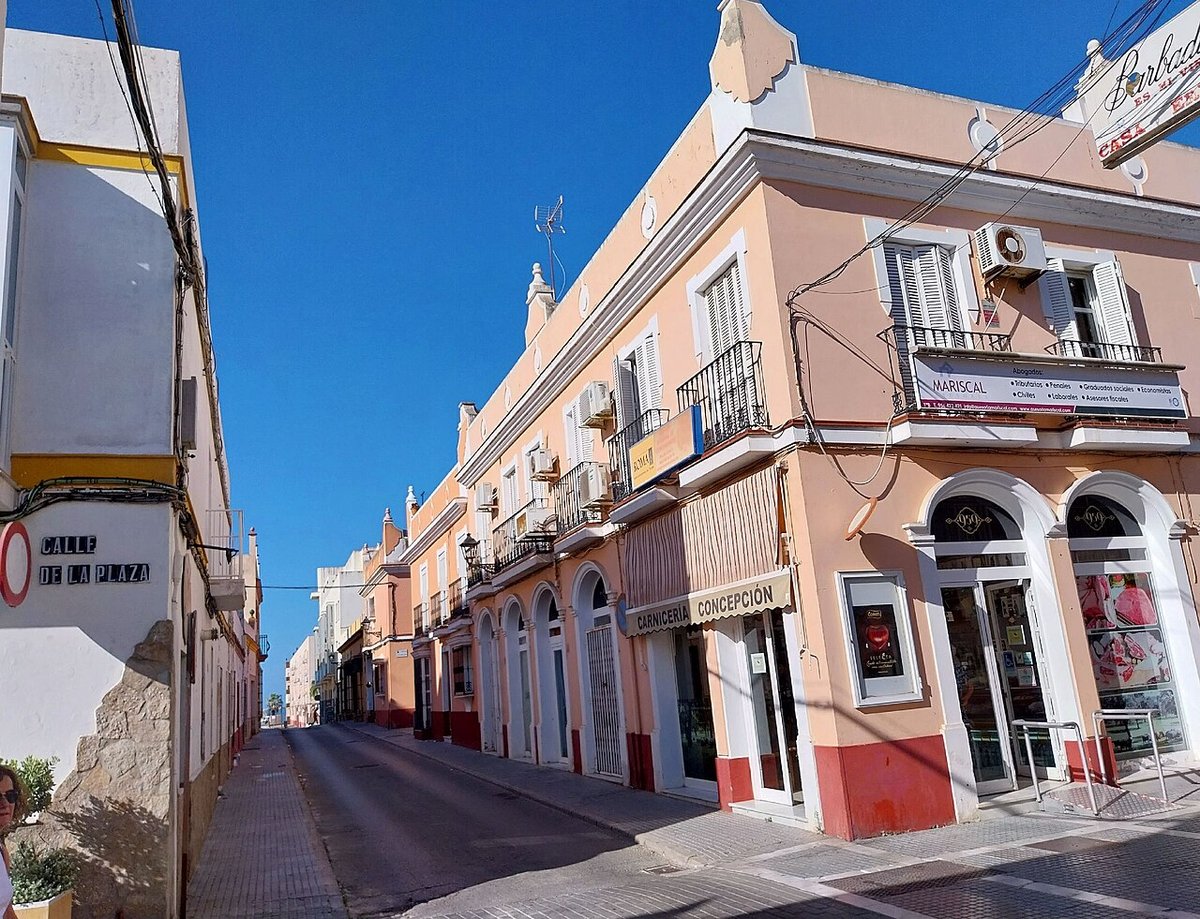
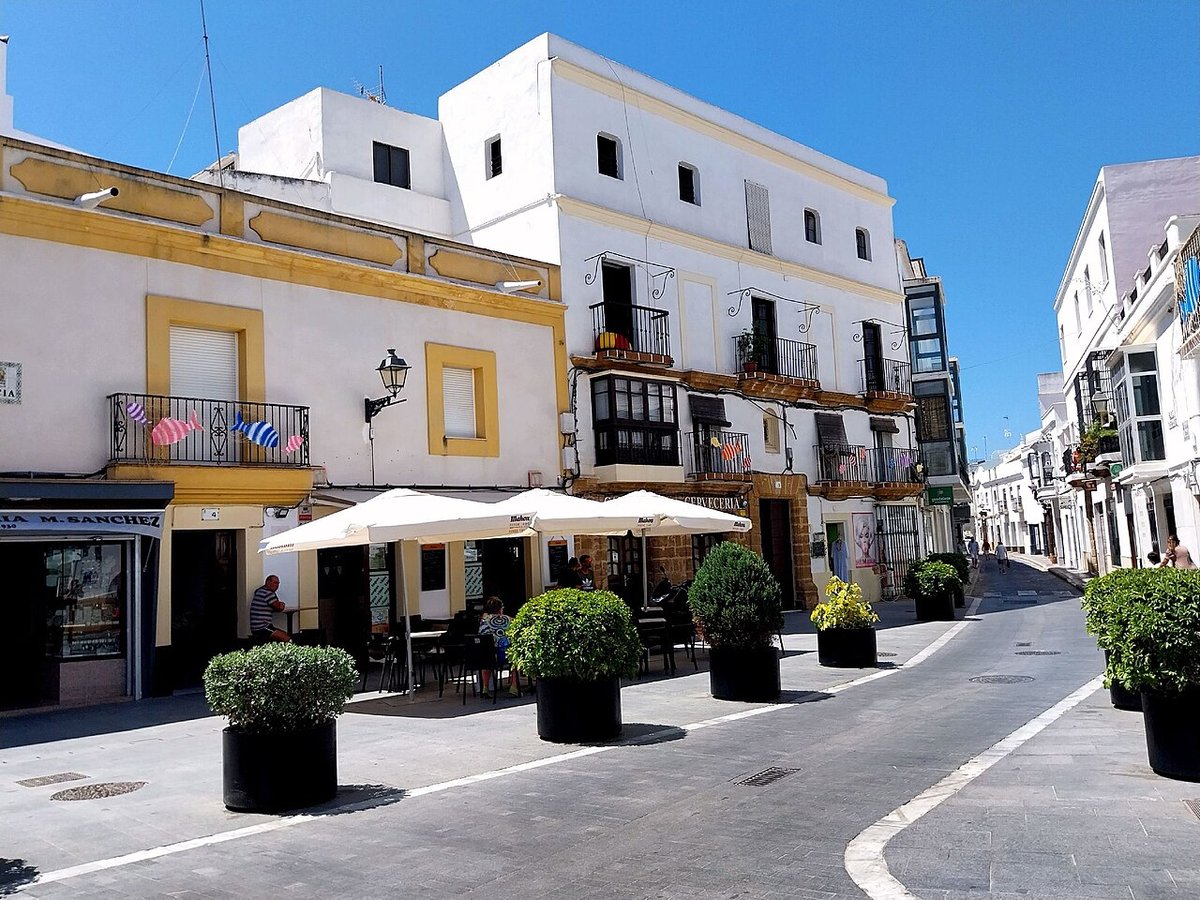
These are large buildings, often arranged around inner patios, with columns and imposing entranceways wide enough for a carriage to pass through without much effort. Some streets feel almost too narrow for modern cars to fit comfortably between the façades.
Locals often refer to this area as the route of the palaces of indianos. A walk here comes with a quiet contrast. Grand architecture sits side by side with ordinary routines. A neighbour taking out the rubbish, a bicycle resting against a heavy doorway, washing hanging in a courtyard that once belonged to a wealthy family. The past and present overlap without much ceremony.
Wine woven into daily life
In El Puerto, wine comes up in conversation as naturally as the weather or football. It is not an accessory to the place. It is part of how the town works.
Large bodegas occupy entire blocks. From the outside, they can seem like calm, almost unremarkable warehouses. Inside, rows of wooden casks hold wines ageing slowly over time. The atmosphere is distinctive. There is a mix of wood, humidity, and wine that lingers and tends to follow you out the door.
Even for those who are not especially interested in wine, stepping into one of these spaces helps explain the town’s long connection to trade and sea travel. The bodegas reflect a way of life shaped over centuries rather than a single moment.
A cuisine that looks to the sea
Food here inevitably turns towards the coast. The sea is never far away, and it shows on the plate.
Tortillitas de camarones appear frequently. They are thin and crisp, the kind that vanish quickly while the table is still deciding what else to order. Rice dishes are common too, along with seafood brought in from nearby waters. At times, these arrive in a large pan set in the centre of the table. Conversation tends to pause as everyone focuses on scraping up what has settled at the bottom.
The cooking style is direct. There is little decoration or unnecessary flourish. Ingredients from the sea take centre stage, handled by people who have been preparing them in much the same way for years.
When the pace shifts with the seasons
Spring and summer bring a noticeable change in atmosphere.
The Feria de Primavera fills the town with people from the surrounding area. It has the feeling of a gathering where everyone seems connected through someone else. Arrive with a friend and it rarely takes long before the group expands.
Summer brings another shift, this time towards the nearby beaches. Many people travel from Cádiz or Seville when the heat sets in. Even so, depending on the day, it is still possible to find stretches of sand where there is space to settle without competing for every metre.
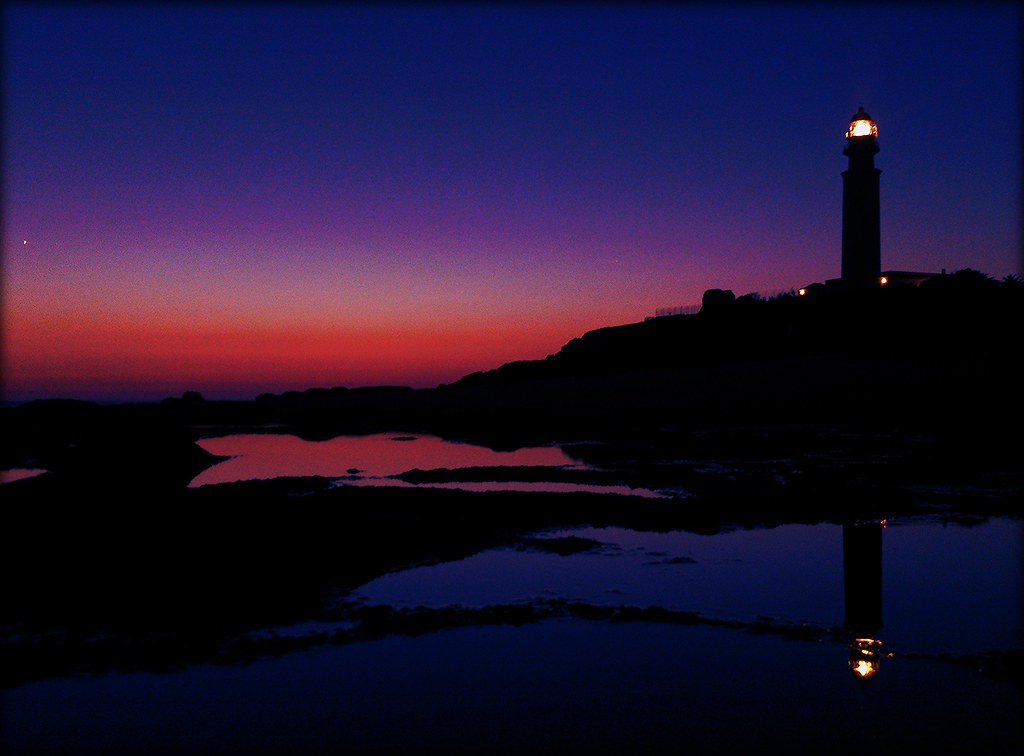
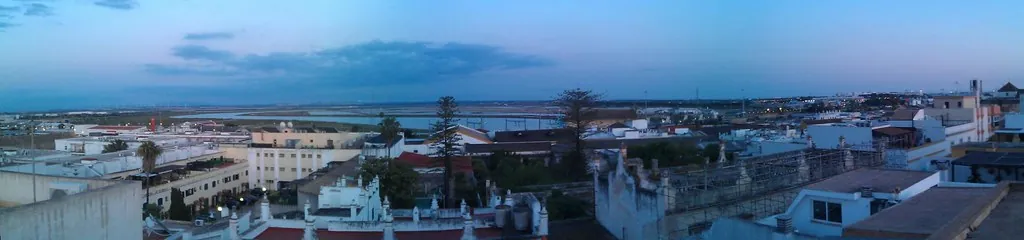
As evening approaches, the bay draws attention. There is no need for elaborate descriptions. Sitting quietly and watching the water is enough to understand why so many return year after year.
A simple way to spend the day
A straightforward plan works well here. Start in the morning in the historic centre. Take in the Castillo de San Marcos, then wander through the streets lined with older houses before gradually heading down towards the port area.
By mid-morning, a glass of fino in a bodega fits naturally into the rhythm of the day. Afterwards, a relaxed meal by the sea if possible, without any rush.
The afternoon suits a walk along the beach. There is no need to overcomplicate it.
El Puerto de Santa María may not be the most striking destination in Andalucía. It works more like a long meal among friends. You expect something brief, then realise hours have passed and leaving no longer feels like the right choice.