Full Article
about El Cuervo de Sevilla
Young border town with Cádiz, known for its bread and the Laguna de los Tollos, a key spot for birds.
Hide article Read full article
In October, the cotton fields around El Cuervo de Sevilla crunch underfoot like old newspaper. The plants have already been picked and what remains stretches towards the marshes in a white, uneven layer, as if the land had been turned inside out. A tractor moves slowly along a local road, lifting a cloud of dust that hangs in the air before settling again. In the Bajo Guadalquivir, the lower basin of the Guadalquivir River, the rhythm of life is set more by harvests than by the clock.
El Cuervo sits in this flat landscape between Jerez and Seville, where horizons are low and roads run straight for miles. It is a small town that grew beside what was once the main route linking Cádiz and Seville. Even today, that sense of passage and pause shapes its character.
Mornings of warm bread and fried garlic
Early in the day, the central square carries the smell of hot ovens. Before seven in the morning trays of rosquetes are already coming out. These ring-shaped pastries have a hint of aniseed and a compact crumb that stands up well to coffee. The sweet steam drifts between the low façades and lingers in the cool air.
A little later, in the bars where locals gather for breakfast, plates of ajo frito con espárragos begin to appear. This simple dish of scrambled eggs, tender garlic and wild green asparagus is cut into uneven pieces and served steaming. The aroma clings to clothes long after leaving the table.
Cooking here draws heavily on what the surrounding countryside provides. Asparagus and artichokes feature regularly, as does rice grown in the nearby marshes. At certain times of year there is also game. The link between land and plate feels direct, shaped by season rather than fashion.
Iglesia de San José and local devotion
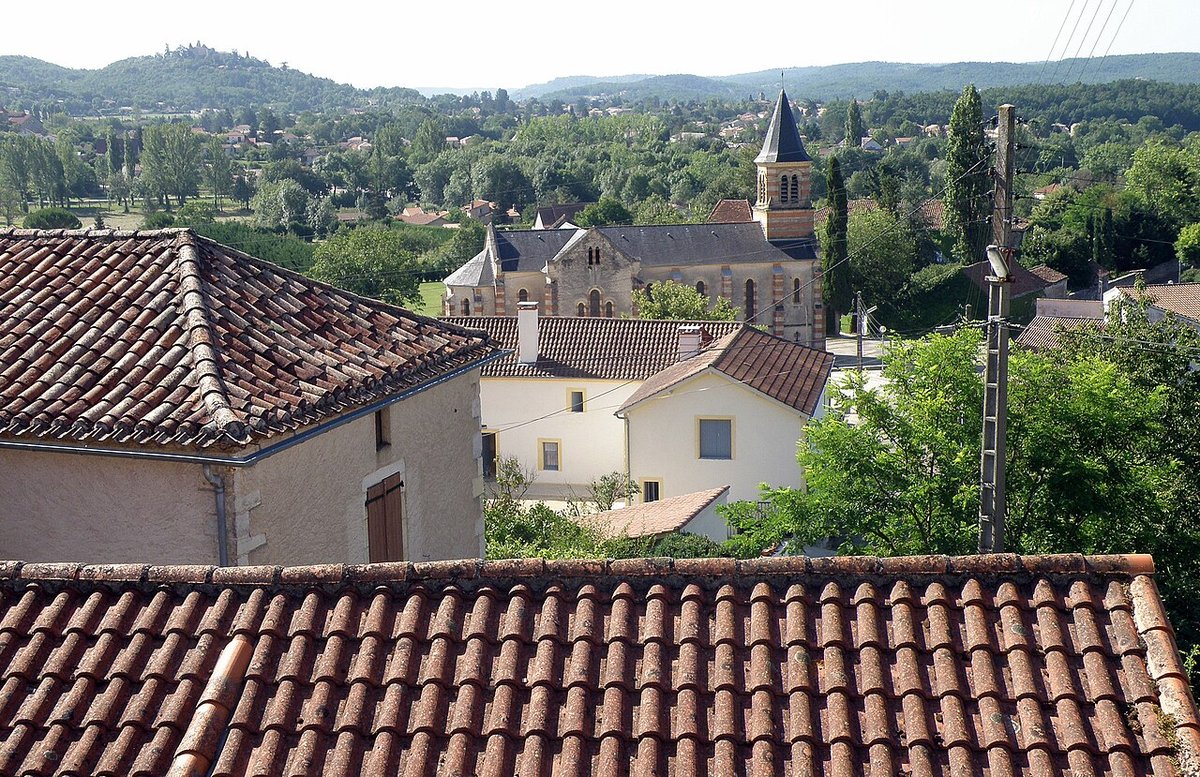
Compared with many churches across the Andalusian countryside, the Iglesia de San José is relatively recent. It was built in the first third of the 20th century, when the settlement was beginning to take shape around the old road between Jerez and Seville. The reddish brick still looks clean in many places, and the bell tower rises above a town where most buildings remain low.
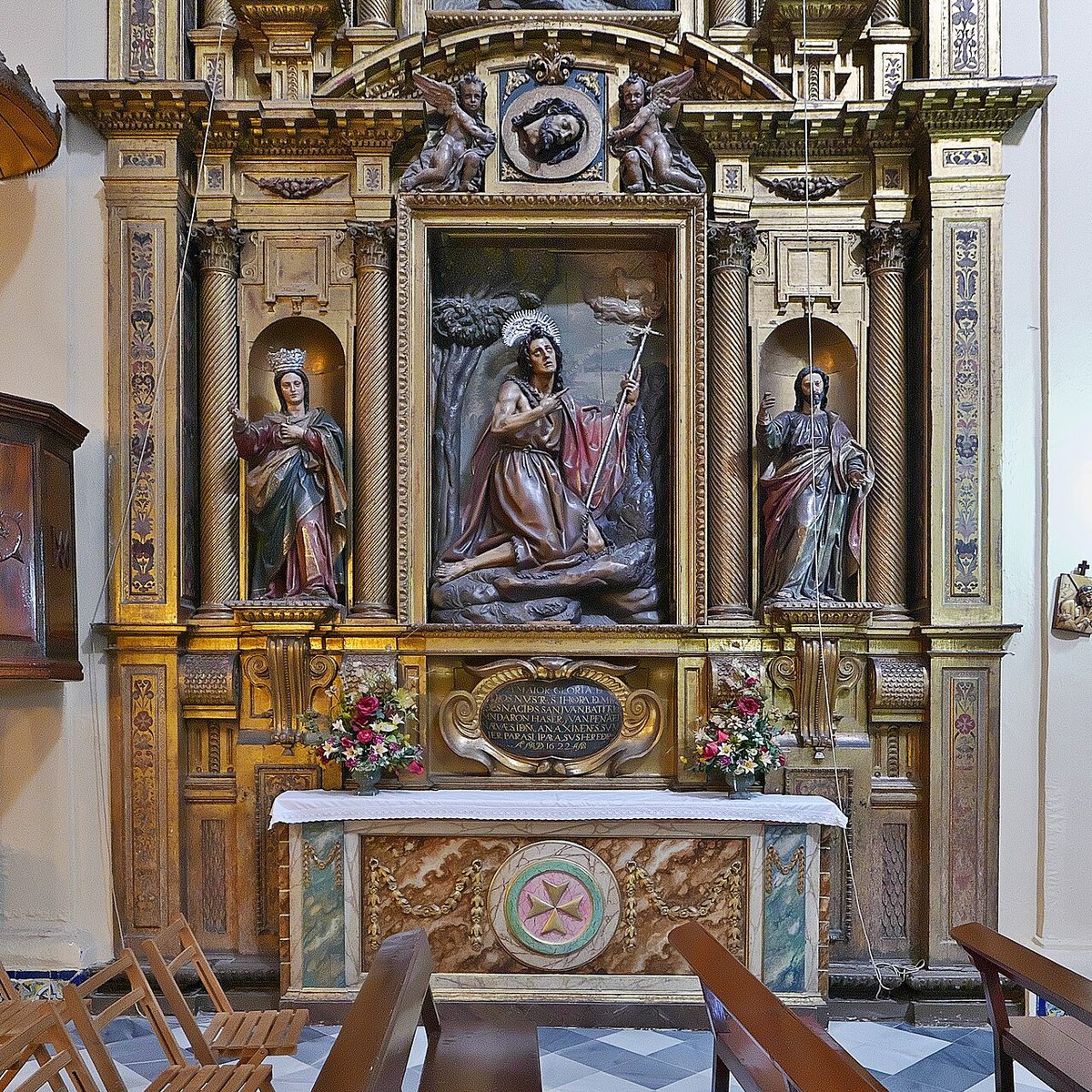
Inside, there is often a quiet that amplifies small sounds: footsteps on the floor, the soft sweep of a broom. The image of the Virgen del Rosario is the local patron saint. Tradition says she arrived from another part of the province in somewhat unclear circumstances, one of those stories that each neighbour recounts with slightly different details.
At certain hours the door stands open and oblique light falls across the interior, casting yellow and grey tones against walls that carry the faint smell of old wax. It is a simple parish church, tied closely to the town’s more recent history rather than to medieval foundations.
The old Casa de Postas and a road of travellers
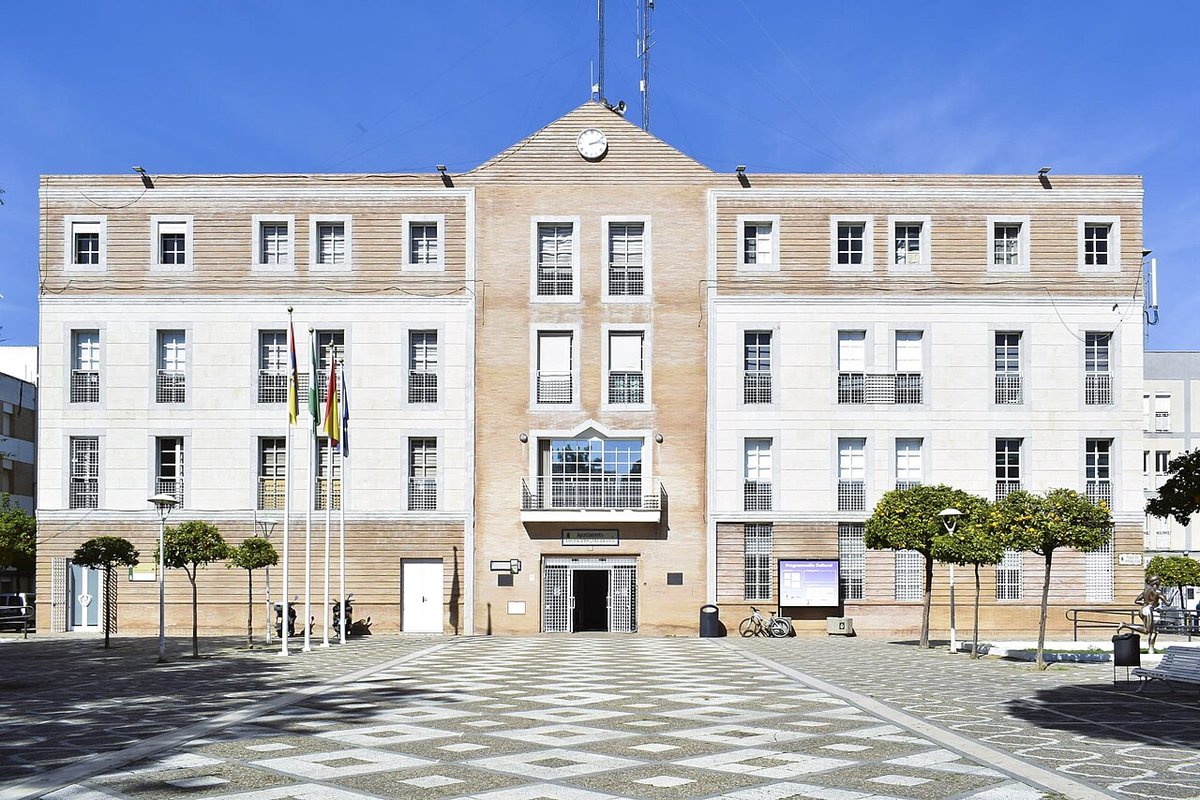
El Cuervo began as a stopping point on the route between Cádiz and Seville. The antigua Casa de Postas, directly opposite the town hall, still reflects that origin. Its façade bears royal coats of arms, and its thick walls keep interiors cool during the fierce summer heat.
In the 18th century and part of the 19th, horses were changed here and travellers paused to rest. Local accounts sometimes mention members of the court stopping on their way to Cádiz, although it is not always easy to separate documented history from oral tradition.
Today the building is used for cultural activities and exhibitions when events are organised in the town. When open, the upper floor reveals dark wooden beams and plain rooms that explain how the old road functioned. Looking out through the windows makes the logic of the place clear: a broad plain, straight roads and a low horizon that leaves little to interrupt the view. The Casa de Postas anchors El Cuervo to a time when journeys were slower and the road south was a lifeline.
Laguna de los Tollos and the open landscape
A few kilometres from the town centre lies the laguna de los Tollos, one of the best-known wetlands in this part of the province. The approach runs along agricultural tracks, between cultivated plots that turn dusty in summer and heavy with mud in winter.
When the lagoon holds water, which depends largely on rainfall, flamingos and other marsh birds gather there. From a distance they appear as pink patches against a grey-green surface. The area offers little shade and the wind can be strong on many days, so visitors are advised to come prepared and to bring binoculars if they want a closer look.
In some areas the ground is soft, and signs warn against getting too close to certain banks. The landscape feels exposed and open, shaped by water levels and the agricultural cycle rather than by built structures.
Seasons, festivals and getting there
Spring is often the most rewarding time to visit. The surrounding fields turn green, the paths still hold some moisture and the lagoon tends to have more visible birdlife.
Autumn presents a very different picture. After the cotton harvest, the countryside becomes that white, uneven expanse visible from the secondary roads. The change is abrupt and striking, marking a clear shift in the agricultural year.
El Cuervo celebrates its feria and the romería of the Virgen del Rosario around autumn. A romería is a traditional pilgrimage that combines religious devotion with festivity, often involving decorated carts and gatherings in the countryside. In spring there is another romería heading towards the area of Gibalbín. On these days the atmosphere grows louder and busier, with the town filling up with cars and horse-drawn carriages.
The road linking Jerez with the Bajo Guadalquivir passes very close to El Cuervo. From Jerez the drive takes a little under half an hour, while from Seville it is around three quarters of an hour depending on traffic. The terrain is flat and the centre can be crossed on foot without effort. In about ten minutes it is possible to walk from one side of town to the other.
El Cuervo de Sevilla does not overwhelm with monuments or grand architecture. Its identity lies instead in fields of cotton, in the smell of fried garlic at breakfast, in a church built as the town itself took shape and in a former coaching inn that recalls the long road between Cádiz and Seville. Here, the seasons leave visible marks, and the horizon remains wide open.