Full Article
about Lebrija
Birthplace of Elio Antonio de Nebrija, with a strong flamenco pottery tradition and a monumental church.
Hide article Read full article
Lebrija and the Art of the Wrong Turn
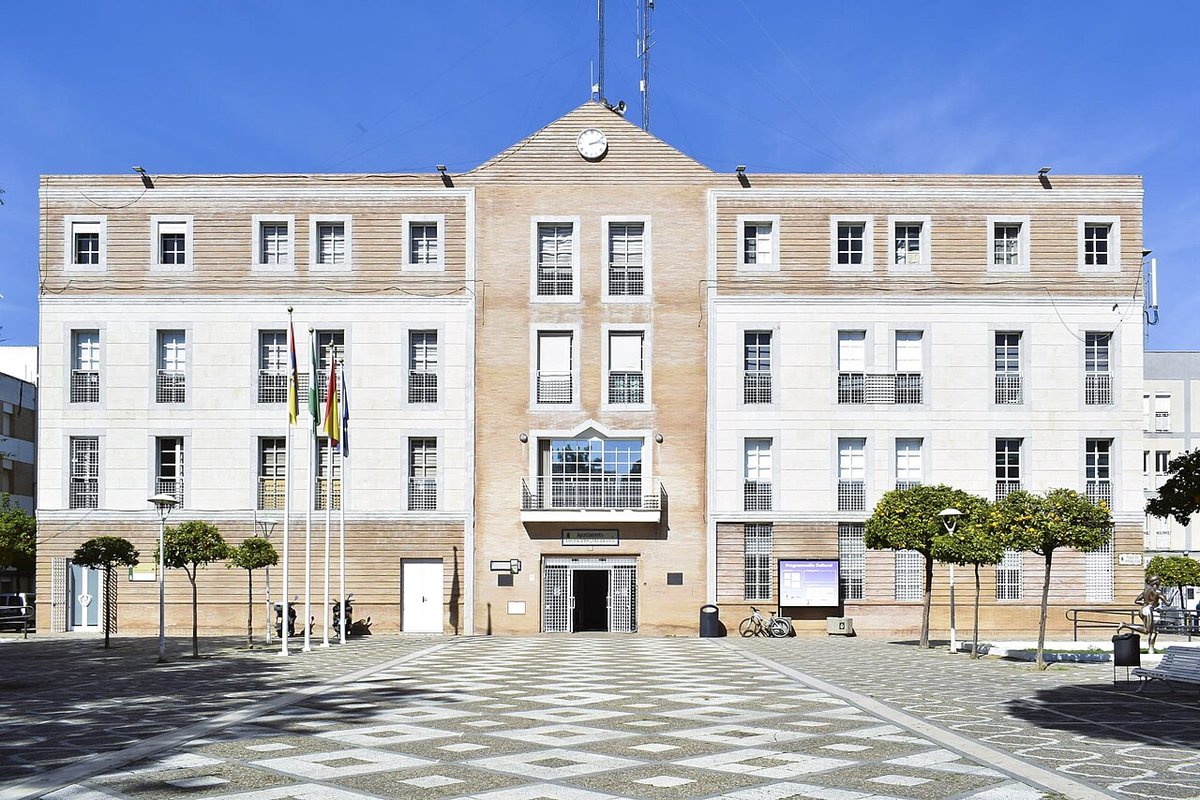
I drove past it twice. The Tourist Office in Lebrija isn't where you think, tucked away near the Ayuntamiento in that white building with columns. I ended up asking a guy watering geraniums, who pointed with his chin and then, because this is how it works here, told me his son only comes back from Seville for the Cruces de Mayo. "For the snails," he said, as if that explained everything. In Lebrija, it kind of does.
That's your introduction. Nothing is handed to you on a platter. You have to ask, and then listen to the answer you didn't know you needed.
A Calendar Written in Vines and Song
An hour from Seville, Lebrija runs on a different clock. The year isn't marked by months but by the harvest, the olive season, the first saeta echoing down a side street. It has the feel of a place that hasn't bothered keeping up with every passing trend.
Your nose tells you what time it is. In September, the air smells faintly of must from the nearby bodegas. Spring brings orange blossom. And on a Friday, the smell of fried fish takes over entire streets, clinging to doorways and old stone.
Calle Sevilla is where you see it all come together. People chat about albariza soils or sobretablas with the casual ease most of us reserve for discussing the weather. It's not a sales pitch. It's just what they talk about.
Up La Giraldilla for Perspective
The tower of Santa María de la Oliva is known locally as "La Giraldilla." It's a smaller, quieter cousin to Seville's famous icon. Climbing it is a solitary affair—no queues, just a narrow spiral staircase that smells of damp stone and silence.
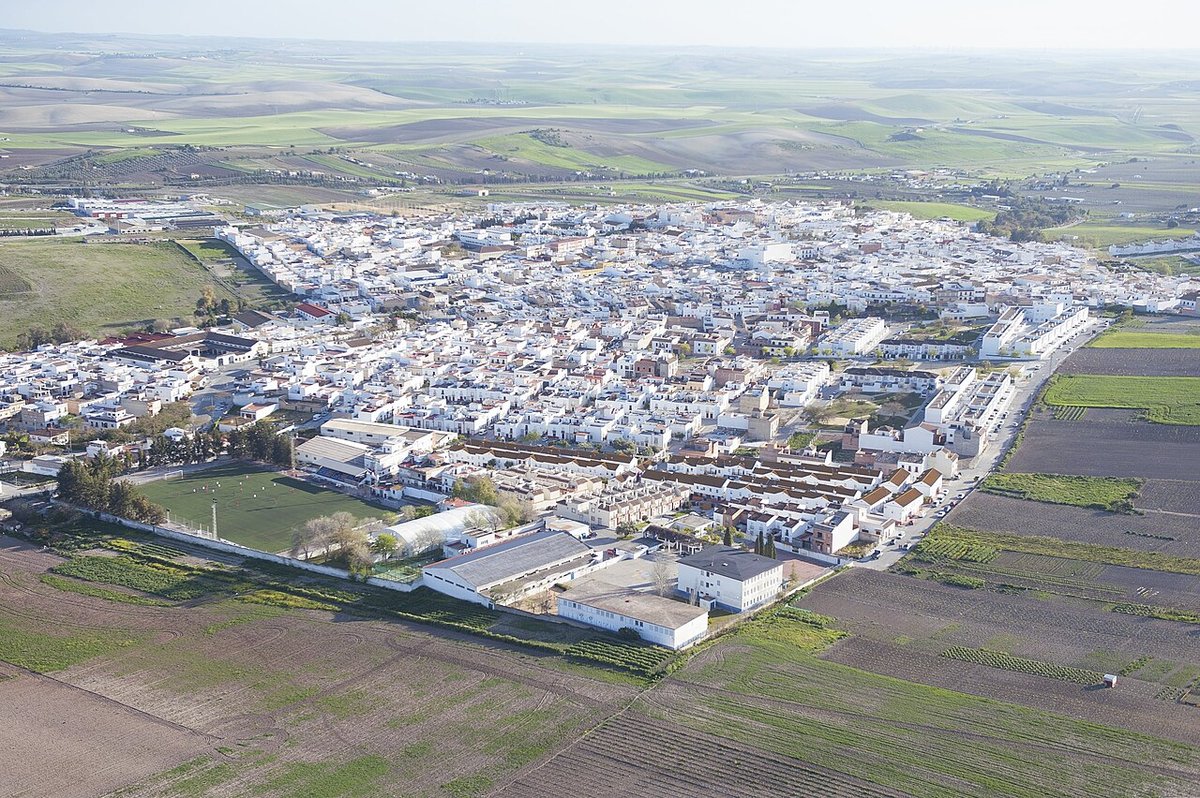
From the top, forty metres up, Lebrija makes a sort of sense. A sprawl of terracotta roofs and tangled streets gives way to the flat, endless plain of the Bajo Guadalquivir. You also see the motorway and a distant shopping centre. They're part of the view too, no filters applied.
It’s all there: the historic clutter and the modern reality sharing the same horizon.
Decoding Ajo Lebrijano
You come for food, and everyone tells you to try ajo lebrijano. When it arrives, you might stare at it. It looks like someone mixed a potato salad with cod and mayonnaise. It’s… substantial.
The first spoonful is confusing. The second starts to win you over. By the third, you’re tearing off bread to scoop up more. It’s peasant food at its core: hearty, filling, built for stamina.
A waiter told me the secret is letting it rest. I think he meant both the dish and yourself.
When May Brings Snails and Song
If you arrive on 3 May, forget any other plan. The Cruces de Mayo transforms the town overnight. Streets fill with flower-decked crosses and makeshift tables piled high with snails.
Step into a peña, one of those social clubs that feel like someone’s living room, and a plate lands in front of you. "They're blanquillos," someone will say—cooked with mint and cumin, perfect for long, meandering conversations.
Later come the corraleras. Imagine a crowd bursting into song without warning or stage—a powerful chorus where everyone knows every word by heart by heart by heart by heart by heart by heart by heart by heart by heart by heart by heart by heart by heart by heart by heart by heart by heart... It feels less like a performance than an old ritual shared among friends.
You leave with dust on your shoes and your ears ringing.
The Hill With a View
They call it Cerro del Castillo. The "castle" part is optimistic—it's more an evocative hill with some ancient fragments clinging on. But you walk up anyway for the view.
From there, you can trace the Guadalquivir's lazy curves across the plain like an old scar on land that has seen Romans come Muslims go Christians settle in turn... Next to stands Ermita del Castillo usually locked tight but if peer through grille can make out layers history stacked quietly inside waiting forgotten again until next curious visitor passes through...
A Sweet Exchange Through Iron
Before heading back stop Convento Concepcionistas Here ritual simple Knock grille Listen for voice nun unseen Request rebaños those almond sweets wrapped plain paper passed through small opening Transaction feels centuries old discreet final reminder town operates its own rhythm traditions woven seamlessly daily fabric not put show...
Driving back towards Seville noise feels louder somehow Lebrija doesn't try sell itself just continues its own steady pace whether anyone's watching not