Full Article
about Benamaurel
A town with a strong Moorish heritage and many cave houses; it hosts one of the province’s most important Moros y Cristianos festivals.
Hide article Read full article
A village that runs on its own rhythm
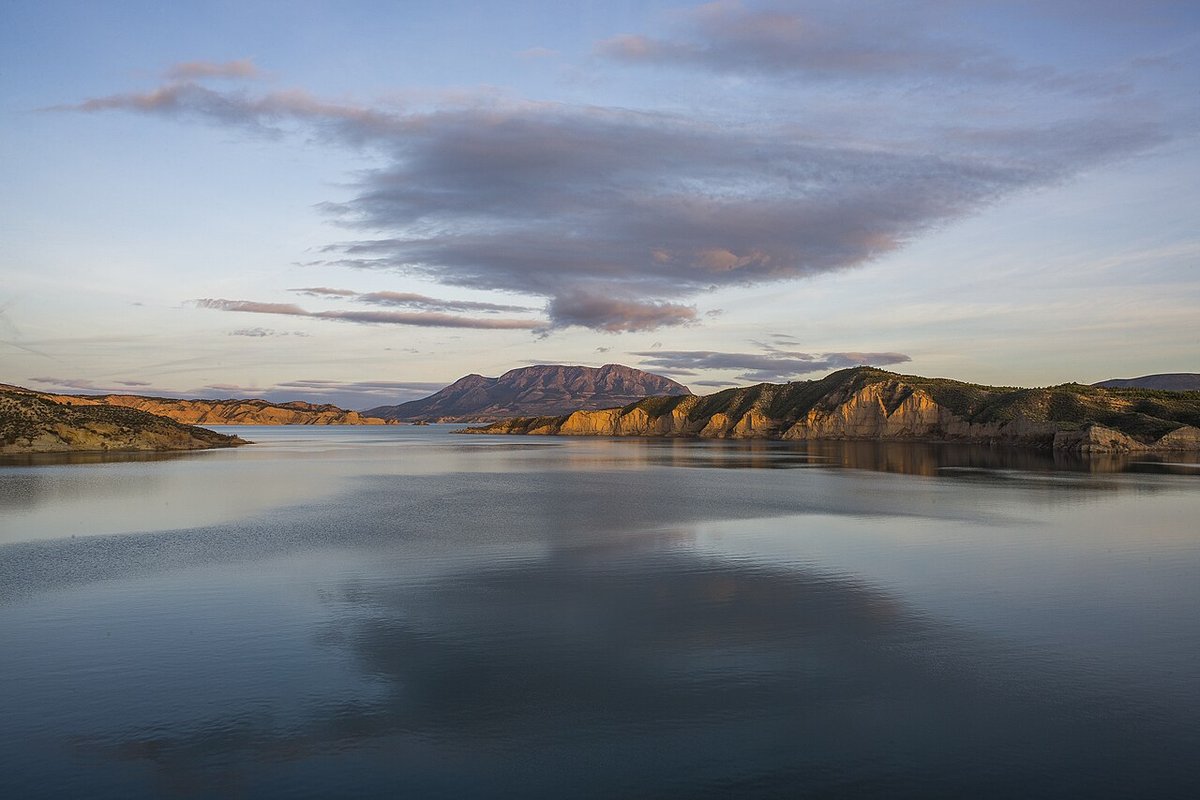
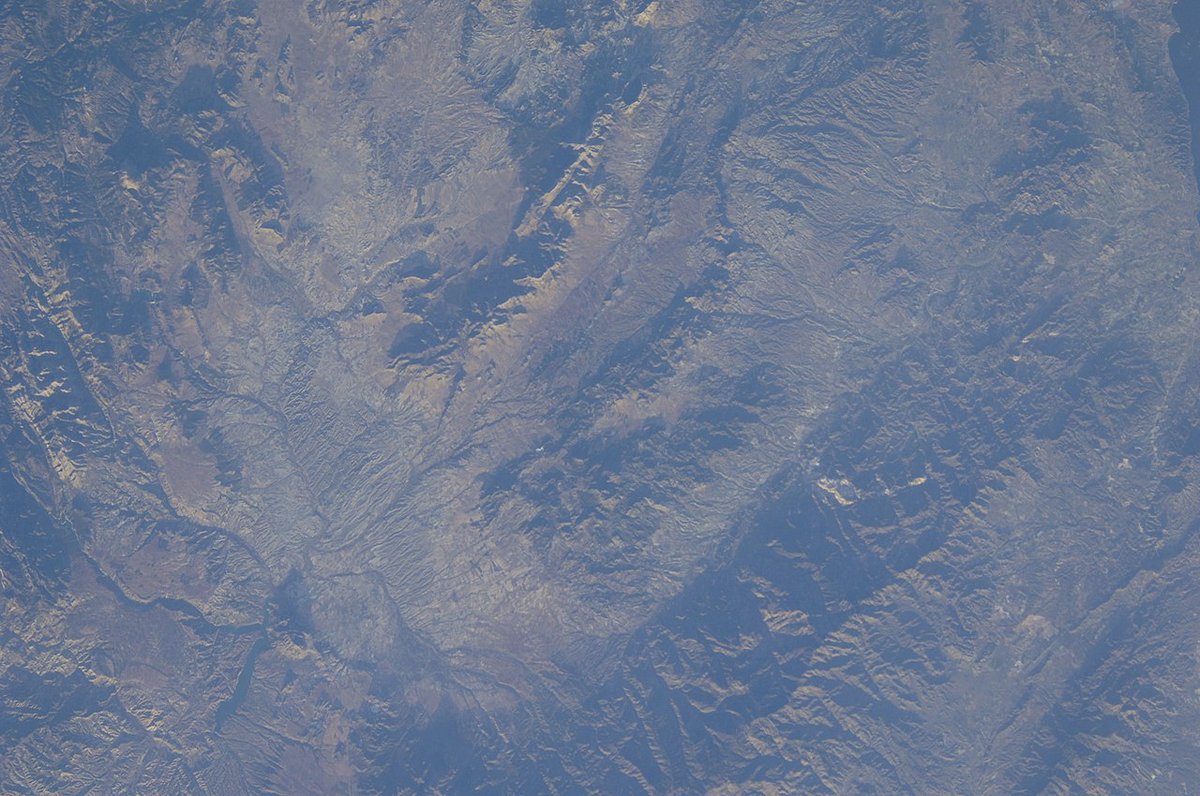
Benamaurel feels like the sort of place where previous generations might have spent long summers: quiet streets, people who know each other by name, and a steady pace that rarely changes. Tourism in Benamaurel has little to do with ticking off landmarks or queuing for photos. It is more about stopping the car, stretching your legs and noticing that this part of Granada’s altiplano follows its own logic.
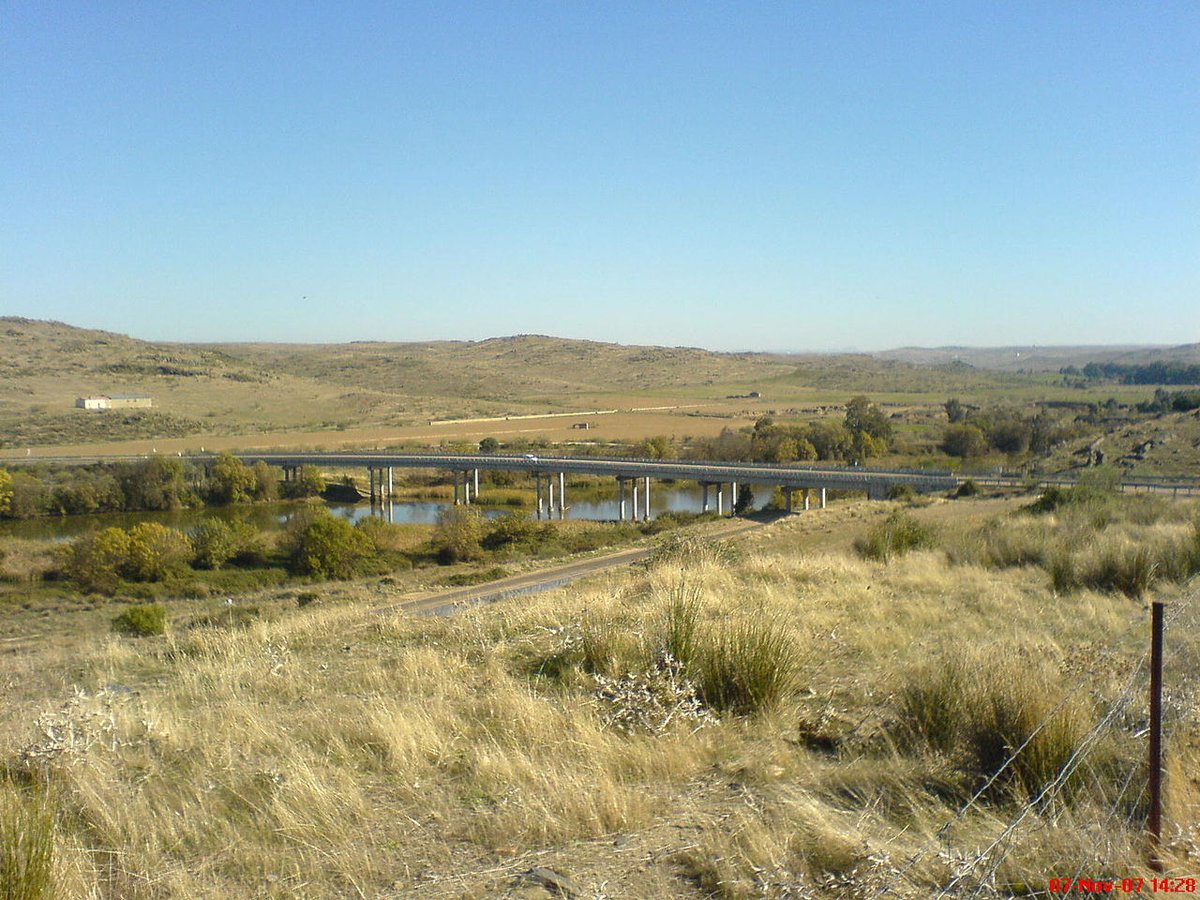
Just over two thousand people live here, spread across a very large municipal area. That means open countryside in every direction, and a village that looks small from a distance but carries more activity than first impressions suggest.
Cave houses shaped by necessity
Benamaurel has a large number of cave houses, and they were not created as a visitor attraction. The village’s past is closely tied to earthquakes that struck the area centuries ago. Many homes were destroyed, and digging into the hillsides became a practical way to rebuild.
The Alhanda neighbourhood is where this is easiest to see. Cave dwellings line the slope, with white façades and brightly coloured doors. From the outside they appear compact, but inside they are often more spacious than expected. They function like any modern home, with television, internet and heating.
One of the most noticeable features is the temperature. In summer the interiors stay cool without effort, while in winter they retain warmth. It is a solution that comes from generations of living in the same landscape and understanding how to work with it rather than against it.
Walking the edges of the altiplano
Benamaurel is not defined by long, signposted hiking routes, but there are several short walks that help make sense of the surrounding terrain.
The Ruta de las Hafas climbs up the hillside towards an area of older caves and a natural viewpoint. It is not especially long, though the incline becomes noticeable when the sun is strong or when the wind picks up, which happens often in this part of Granada.
Another path leads to the remains of the medieval castle. What survives are sections of walls and traces of the enclosure, enough to picture the strategic position the village once held overlooking the valley.
On the outskirts lies the Roman columbarium, a structure carved into the rock where pigeons were raised during Roman times. It is not monumental in the usual sense, but it has a distinctive presence. It appears almost unexpectedly in the landscape, as if a fragment of history had simply been left behind.
Local festivals that still belong to the village
Celebrations in Benamaurel remain closely tied to local tradition. During the festivities of San Sebastián, there is a game known as the Robo del Santo. It is not an actual theft, but a kind of contest between groups to take possession of a cross linked to the celebration. It has been carried out for so long that it has become part of the ritual itself.
Later in spring come the Moros y Cristianos festivities, a tradition found in various parts of Spain that reenacts historical conflicts between Muslim and Christian groups. For a few days, the village changes completely: costumes, parades, music and residents fully immersed in their roles. It is the kind of celebration that makes more sense when seen in person than described in detail.
Food rooted in the land
Cooking here remains closely tied to the countryside and the demands of long working days. The dishes are substantial and shaped by what is available locally.
Gachas de matanza are common in winter. It is a simple, filling dish, prepared slightly differently in each household. Another regular is olla con tagarninas, made with a wild plant that may seem unremarkable when raw but transforms in a stew.
Migas with grapes appear on many tables when the weather cools, and tortillas made with wild plants such as collejas are also typical. These recipes come from making use of what grows nearby, something deeply characteristic of villages across the altiplano.
A place to pause rather than rush
Benamaurel is not a checklist destination. There are few major monuments and no streets lined with shops aimed at visitors. That is part of its appeal.
In a single morning it is possible to walk through the centre, take a look at the cave neighbourhoods, wander out towards the edges of the village and spend some time in the main square watching daily life unfold. Three or four hours are enough to get a sense of the place.
Staying longer changes the experience. Places like this are better understood slowly, through conversation and by paying attention to the landscape that surrounds them. The altiplano has an austere quality, but it is unmistakably tied to this part of Granada and shapes everything about how Benamaurel lives and moves.