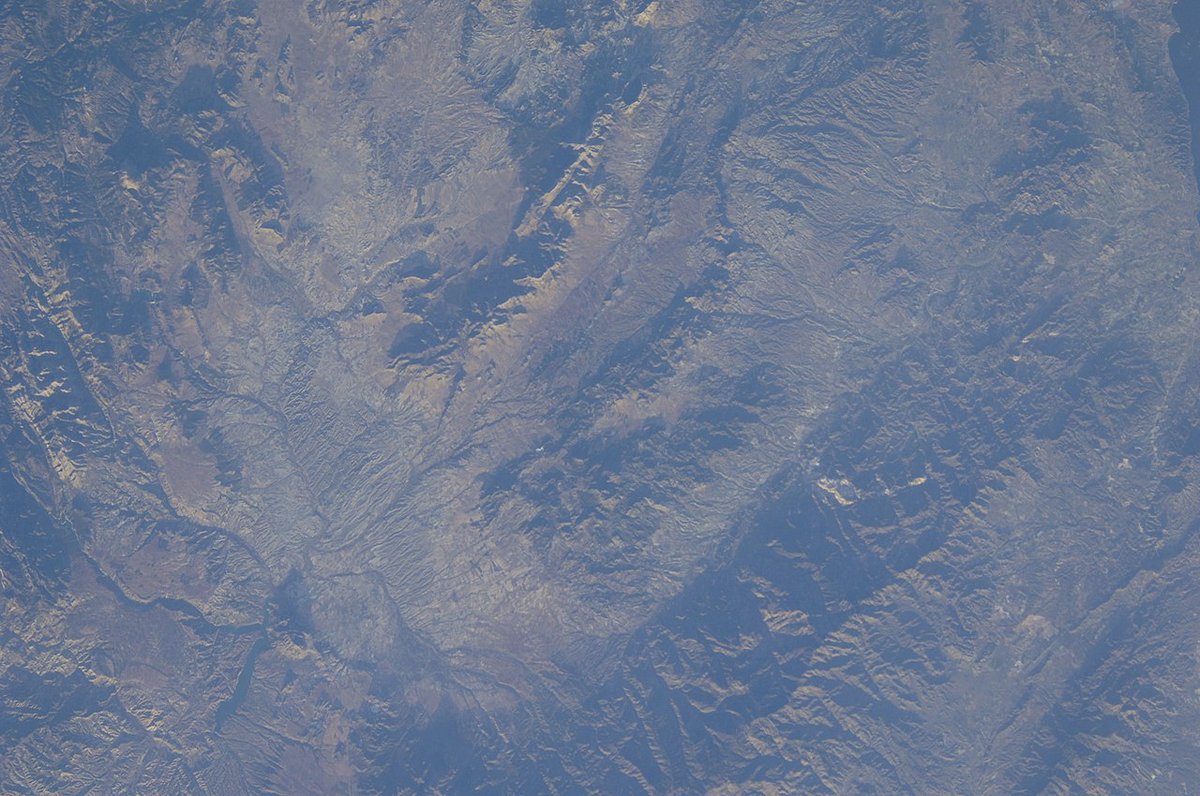
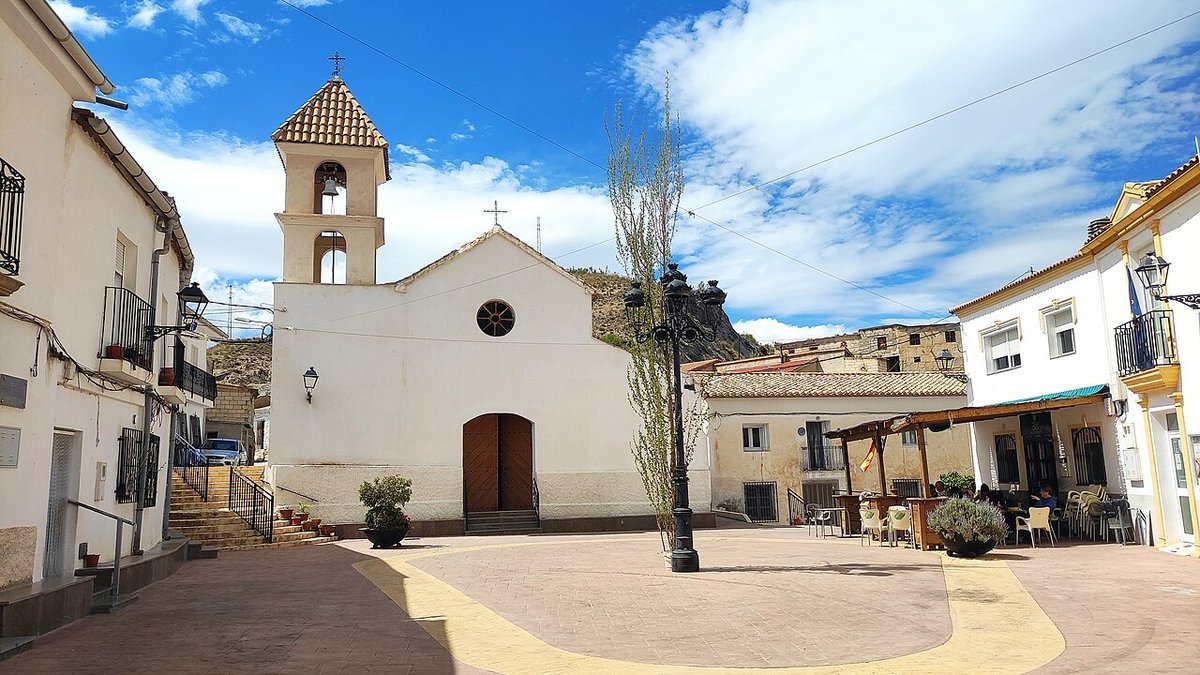
Caniles - Flickr
zugaldia · Flickr 4
Andalucía · Passion & Soul

Caniles

The church belltower of Nuestra Señora de la Anunciación is the first thing you notice, long before the village itself appears. It rises above a ri...

3,929 inhabitants · INE 2025
911m Altitude

Why Visit

Mountain Church of Santa María and San Pedro Hikes in the Sierra de Baza

Best Time to Visit

autumn

August Fair (August) agosto

Things to See & Do
in Caniles

Heritage

  • Church of Santa María and San Pedro
  • Federico García Lorca Promenade

Activities

  • Hikes in the Sierra de Baza
  • Mushroom foraging

Festivals
& & Traditions

Fecha agosto

Feria de Agosto (agosto), San Sebastián (enero)

Las fiestas locales son el momento perfecto para vivir la autenticidad de Caniles.

Full Article
about Caniles

A key farming town in the Hoya de Baza; natural gateway to the Sierra de Baza Natural Park with areas of high ecological value.

Ocultar artículo Leer artículo completo

The church belltower of Nuestra Señora de la Anunciación is the first thing you notice, long before the village itself appears. It rises above a ridge at 911 m, a brick-red exclamation mark against pale hills that look more like Castilla than the Andalucia of travel posters. That is Caniles: not a film set, but a working grain-trading centre of 5,000 souls where the nearest souvenir is probably a bag of local almonds from the agricultural co-op.

Arriving and the art of low expectations

Most British number-plates roll in by accident, drivers lured off the A-92N Granada–Almería motorway by a brown sign that promises “pueblo tradicional”. What follows is a fifteen-kilometre climb through olive terraces and sudden ravines; the road narrows, the temperature drops four degrees, and the car stereo loses FM. Phone signal follows shortly after.

Park on the Paseo de la Constitución ring-road. The medieval core is threaded by single-lane streets with granite kerbs high enough to scuff rental alloys. Monday feels like a film paused: only one bakery (La Espiga, 7 a.m.–1 p.m.) turns its lights on, and the Cajamar cash machine next door becomes the busiest spot in town. Cards work there; everywhere else still prefers notes and small coins.

Stone, soup and siesta logic

Start in the Plaza Mayor—officially Plaza de la Constitución, though nobody calls it that. Elderly men shuffle dominoes on the metal tables of Bar Central; inside, a caña costs €1.50 and arrives with a saucer of migas, fried breadcrumbs laced with chorizo that tastes uncannily like Christmas stuffing. Order a second drink and the tapas escalate: first a wedge of tortilla, then a bowl of ajo blanco, the cold almond-garlic soup that converts even sworn gazpacho-haters.

The historic quarter fans out uphill. Expect uneven footpaths, whitewashed cubes interrupted by 1970s brick garages, and the occasional façade propped up with timber struts. The reward is altitude: small miradores give sweeping views over the Baza basin, Sierra Nevada floating like a snow-dusted barge on the horizon. Pick up the free “Ruta de los Ahijones” leaflet from Bar Central; it is the only English-language map, and doubles as a beer mat.

The Mudéjar tower of the parish church allows visitors until 1 p.m.; inside, gilded Baroque retablos shimmer in the gloom while recorded bells practise scales every quarter-hour. Outside, look for the stone bench under the orange tree: local wisdom claims it’s the village’s coolest spot even in August, though that may say more about the bench’s gossip value than meteorology.

Walking off the bread

Caniles sits on the edge of a high-steppe plateau dissected by seasonal rivers called ramblas. Six signed footpaths leave from the upper streets; the easiest is the Senda de la Zarza, a six-kilometre loop that follows an irrigation channel to an abandoned grain mill and back. Spring walkers find poppies among the wheat; in October the same route smells of wild thyme and second-crop almonds. Summer is possible only if you start at dawn: there is no shade, and the sun feels magnified by the limestone.

Serious hikers can link into the long-distance GR-7, which passes five kilometres north of the village. A car drop at the Puerto de la Mora (1,350 m) gives access to a ten-kilometre ridge walk along the Cerrajón, with vultures overhead and, on clear days, the Mediterranean a thin silver thread beyond the Sierra de Baza.

What locals eat when nobody’s looking

Lunch starts at 1 p.m. sharp; kitchens lock the door at 2:30. The daily set menu in Bar-Restaurante Loreto (€10 Mon–Fri) might be potaje de garbanzos, a thick chickpea stew bulked out with spinach, followed by choto al ajillo—kid goat flash-fried with garlic and gentle paprika. The meat is milder than lamb, no offal surprises, and the almond-heavy pudding is universally declared “safe for fussy nieces”.

Vegetarians do better than expected: almond soup, grilled pimientos from nearby Tolox, and pisto (Spanish ratatouille) topped with a fried egg. Sweet teeth should chase the Vino de la Tierra de Caniles, an amber mistela served in thimble glasses; it tastes like a nuttier fino sherry and costs €1.20. Buy a half-bottle from the cooperative on Avenida de Andalucía for €4—airport security consider it a liquid, so pack it in the hold.

When the village lets its hair down

Fiestas bookend summer. The weekend after 13 June belongs to San Antonio de Padua: processions, brass bands that rehearse at 7 a.m., and a giant paella cooked in the street for 800 hungry neighbours. Mid-August fiestas swap religion for noise—think foam parties in the polideportivo and midnight fireworks that ricochet round the gorge like artillery. Light sleepers should avoid hostals fronting the barranco; the echo dies slowly.

Semana Santa is small-scale but heartfelt. Only two pasos (floats) trundle through torch-lit streets, yet the silence is absolute apart from a single drum. Visitors can follow the whole route in under an hour; afterwards, locals retreat to family tables laden with almond cake and anise liqueur. You will not find a seat in any bar, but invitations to private courtyards are issued once eyebrows have been raised at your attempt to pronounce “saeta”.

Weather, or why the terrace tiles crack

Caniles has continental altitude. July daytime hovers at 35 °C but nights plummet to 17 °C; bring a fleece even in midsummer. January can start with sunshine and finish with sleet; the GR-7 path sometimes whitens overnight. Spring and autumn are the sweet spots: 23 °C at noon, 10 °C at dawn, almond blossom or autumn crocus depending on the month.

Rain arrives suddenly. A twenty-minute July storm can send a caramel-coloured torrent down Calle Real deep enough to float dustbins. Gutters gurgle, elderly residents appear on balconies to supervise, and twenty minutes later the pavement steams dry.

Leaving without a fridge magnet

There is no tourist office, no gift shop, no flamenco dress hire. What you can take away is edible: extra-virgin oil from the Almazara de la Sierra, honey scented with thyme, and the local sweet wine that slips through customs undeclared. The last stop should be the mirador by the water tower at sunset. The plateau glows ochre, Sierra Nevada blushes pink, and the church bell tolls eight times—curfew for swallows, last orders for humans.

Head back down the winding road; the temperature rises, the radio regains signal, and the coast feels suddenly crowded. Caniles will not suit everyone. It offers no beach, no boutique hotels, no English breakfast. What it does provide is a gauge of how inland Andalucia actually lives when the tour buses stay on the motorway. If that sounds like work rather than holiday, book elsewhere. If it sounds interesting, fill the water bottle, bring cash, and arrive before the bakery shuts.

Key Facts

Region
Andalucía
District
Baza
INE Code
18039
Coast
No
Mountain
Yes
Season
autumn

Livability & Services

Key data for living or remote work

2024
ConnectivityFiber + 5G
HealthcareHospital 8 km away
EducationHigh school & elementary
Housing~5€/m² rent · Affordable
Sources: INE, CNMC, Ministry of Health, AEMET

Official Data

Institutional records and open data (when available).

  • Torre del Moro
    bic Fortificación ~3.9 km

Planning Your Visit?

Discover more villages in the Baza.

View full region →

More villages in Baza

Traveler Reviews