Full Article
about Cortes de Baza
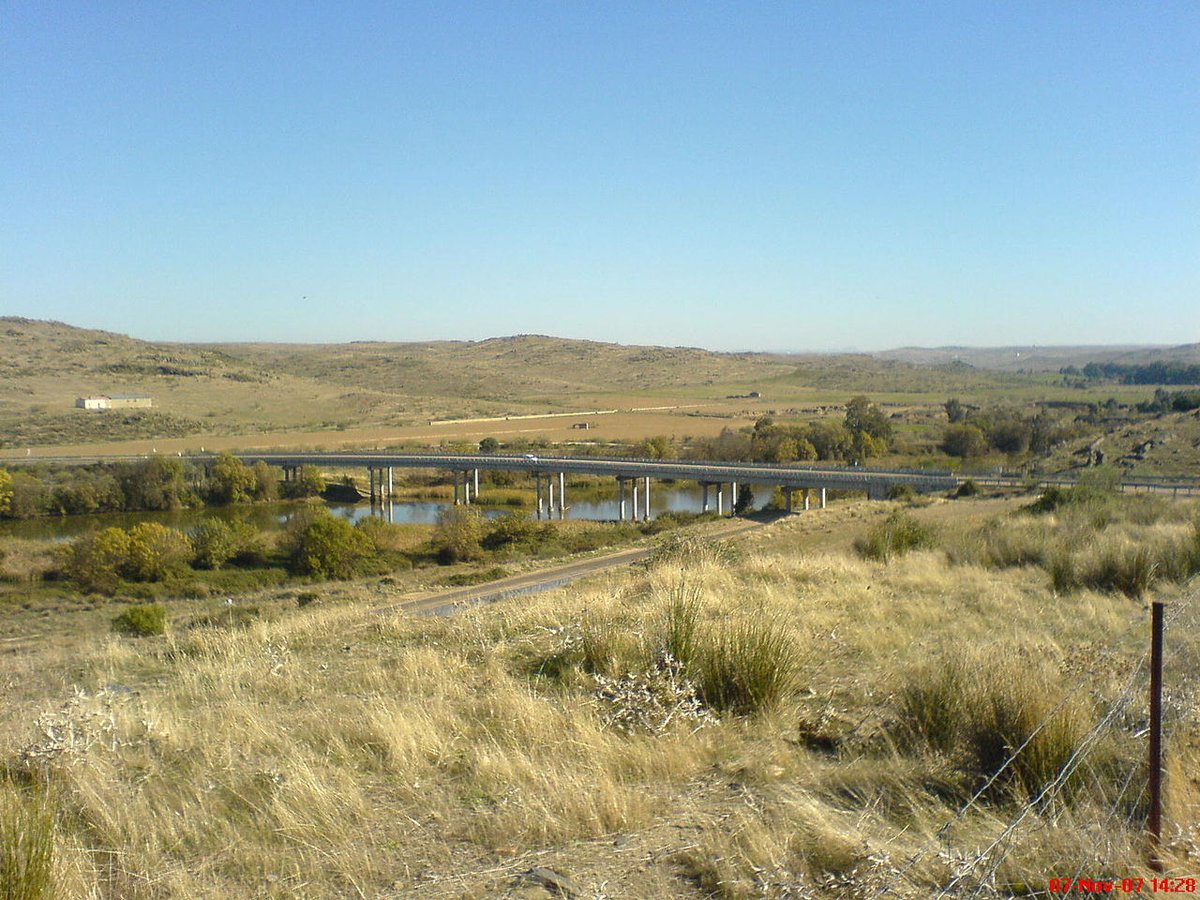
Riverside municipality on the Castril River with many cave houses; noted for its troglodyte architecture and riverside landscapes.
Ocultar artículo Leer artículo completo
The goats arrive first, clattering down Calle San Sebastián at dawn, bells clanking like loose change. Behind them, Antonio herds them towards the almond groves that collar Cortes de Baza, same route his grandfather took, same 05:30 start. At this altitude—700 metres on the nose—the morning air carries a bite even in May, and the only other sound is the bakery exhaust fan on the corner, puffing out sweet steam that smells of anise and yeast.
This is how the village wakes: not to tour buses or espresso machines, but to livestock and wood-fired ovens. Cortes de Baza sits halfway between Granada and the empty badlands of Guadix, a scatter of white cubes that looks south across a rumpled carpet of cereal fields. The population hovers around 1,800, give or take the teenagers who leave for university each September and reappear every August with city haircuts and dubious Catalan accents. They still know to greet the baker by name; nobody stays away long enough to forget.
Cave Houses and Cool Air
Forget the Costa’s concrete condos. The smartest beds in town are underground. A ring of cave houses—cuevas—honeycombs the soft sandstone ridge at the top of the village. From the lane they appear as modest cottage fronts; inside, corridors spiral back into the rock, keeping the temperature a steady 19 °C winter and summer. Most have been retro-fitted by Granada architects: polished concrete floors, glass-walled showers, plunge pools scooped into the hillside. Rental prices sit between €90 and €140 a night for a two-bedroom cave, considerably less than a beachfront apartment an hour south, and you sleep with wool blankets in July without ever switching on the air-con.
Book early for Easter week and the August fiestas. Spanish families from Madrid and Valencia reserve their yearly cave the moment the previous holiday ends; British visitors tend to be the ones who stayed in one by accident, then became mildly evangelical. “No traffic noise, no seagulls, just bats,” a repeat guest from Sheffield explained last autumn, handing out business cards for the owner.
A Lake with No Speedboats
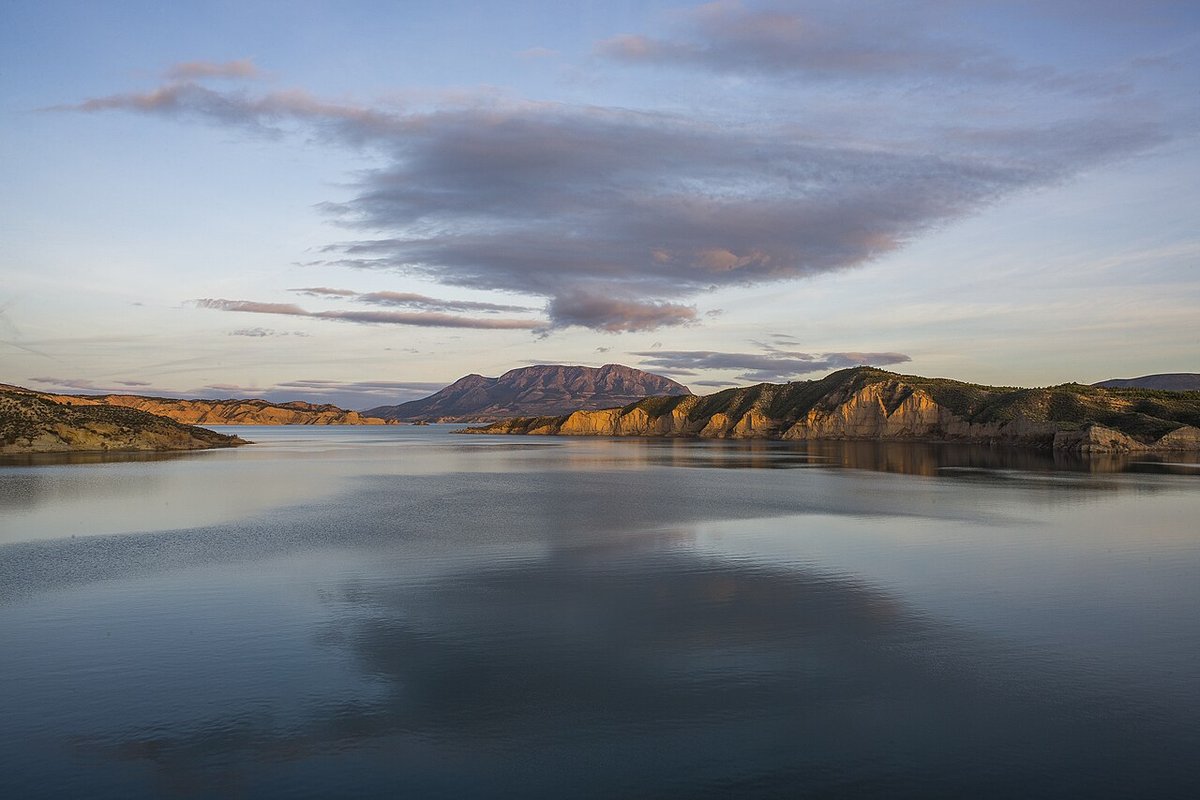
Five kilometres north, Lake Negratín spreads like spilled mercury beneath the Sierra de Baza. At 1,100 hectares it’s Andalucía’s largest inland reservoir, yet motorboats are banned, so the loudest sound is the slap of a kayak paddle or the whistle of a griffon vulture overhead. There are two official beaches: one gravel, one coarse sand imported from the Guadiana riverbed. Water clarity is startling; in May the surface temperature already touches 21 °C, warm enough for a long swim without a wetsuit, and the southern shore has shallow bays that work for competent children.
Bring a picnic—there’s no beach bar, just a seasonal kiosk selling cans of beer and melting Magnums. On weekdays you might share the water with a lone German wild-swimmer and the local fire brigade doing training laps. Weekends swell with Spanish families who drive up from Baza with cool boxes and entire dining-room tables. They leave by sunset; the lake returns to silence and the occasional ripple of carp feeding at the margins.
Lamb Chops at Nine O’Clock Sharp
Evenings start late and finish later. Kitchens rarely fire before 20:30; if you appear at 19:00 you’ll be drinking solera sherry alone. Cafe Bar Victor on Plaza de la Constitución keeps it simple: glass-topped tables, TV showing the Granada match on mute, lamb chops (chuletón) that arrive sizzling on a terracotta tile. Order a half-ration; Spanish portions were designed for people who spent the day behind a plough. Victor still hands out free tapas—perhaps a saucer of migas, fried breadcrumbs laced with garlic and grapes—politely ignoring the fact you mispronounced “gracias” three times running.
Round the corner, El Casino (it isn’t a casino, it’s a social club) serves tarta de whisky that tastes like Irish-coffee sponge. Brits on TripAdvisor lose their minds over it; locals shrug and ask for the flan. Payment is cash only; the nearest ATM is inside the pharmacy two streets away and often runs out of twenties on Saturday night.
Saturday Market, Sunday Silence
The weekly market sets up at 09:00 sharp in the polideportivo car park: eight stalls, four of them selling fruit and veg picked the previous afternoon in nearby Caniles. Almonds cost €6 a kilo if you buy before 10:00, €5 after, because the growers would rather not load them back into the van. One stall stocks local honey—thick, dark, smelling of rosemary and thyme—poured into re-used Johnny Walker bottles. Bring your own jar and they’ll knock off a euro.
By 13:00 the tarps come down and the village slips into siesta. Sunday is practically catatonic; even the bakery shuts. The only movement is the odd tractor heading out to irrigate olive saplings, headlights on although the sun still hasn’t dropped behind the ridge. If you need milk, the vending machine outside the small Dia supermarket accepts one-euro coins and stocks UHT until Tuesday.
Walking the Badlands
Maps call the terrain “semi-desert steppe”; what that means is cracked clay, thyme scrub and the occasional ruined cortijo whose roof beams have long since been scavenged for firewood. The GR-740 long-distance path skirts the village, a 17-kilometre loop that rolls across the ridge and drops to the lake. Markers are sporadic—look for faded yellow-and-white stripes on telephone poles—but navigation is simple: keep the water on your left and the wheat fields on your right. Spring adds poppies and purple phlomis; by July everything has bleached to biscuit brown and the soundtrack switches from bees to cicadas.
More casual strollers can follow the almond blossom lane south-east towards Cúllar. The track is dirt but drivable; in late February the trees explode into pink-white froth that survives roughly ten days, depending how vicious the overnight frost gets. Photographers arrive at dawn, tripods lined up like artillery, then depart before the 11 o’clock wind picks up and ruins the reflection in the irrigation puddles.
Getting There, Getting In
You need wheels. Public transport limps in twice daily from Baza, none on Sunday, and the driver refuses large suitcases because the luggage hold is full of shopping trolleys for pensioners. From Málaga airport it’s 190 kilometres: A-92 towards Guadix, exit 312, then eight kilometres of empty secondary road where you’ll meet more crested larks than cars. Granada airport is closer—125 kilometres—but flights from the UK are seasonal; if you land after 20:00 the car-hire desks shut early and you’ll be bedding down in the terminal.
Fill the tank before you leave the motorway; petrol stations in the Altiplano keep eccentric hours and one of them only takes Spanish debit cards. Same rule applies to groceries—Baza’s Mercadona stays open until 21:30 and stocks cheddar for the desperate, whereas Cortes has two small ultramarinos that run out of fresh milk by Saturday lunchtime.
What You Won’t Find
There is no castle to speak of, merely foundation stones in a barley field photographed once too often. Wi-Fi in caves is patchy; mobile data drops to 3G if a cloud passes. Night-life beyond midnight means the bench outside the chemist where teenagers share a single vape. Rain, when it arrives, is sudden, vertical and briefly biblical; the streets become rivers and elderly residents watch from doorways like judges at a regatta.
And yet. The place exerts a centripetal pull: half the visitors who rent for a week re-book on the way home, scheduling their return to coincide with the almond harvest or the September fiestas when the plaza hosts an outdoor cinema showing old Westerns dubbed into Spanish. You arrive expecting a pause between Granada and the coast, and leave realising you’ve measured time in goat bells and bakery shifts rather than museum opening hours. That, rather than any superlative view, is what Cortes de Baza trades in: a calendar that still answers to seasons, soil and the slow tilt of the Sierra Nevada shadows across the plateau.