Full Article
about Cuevas del Campo
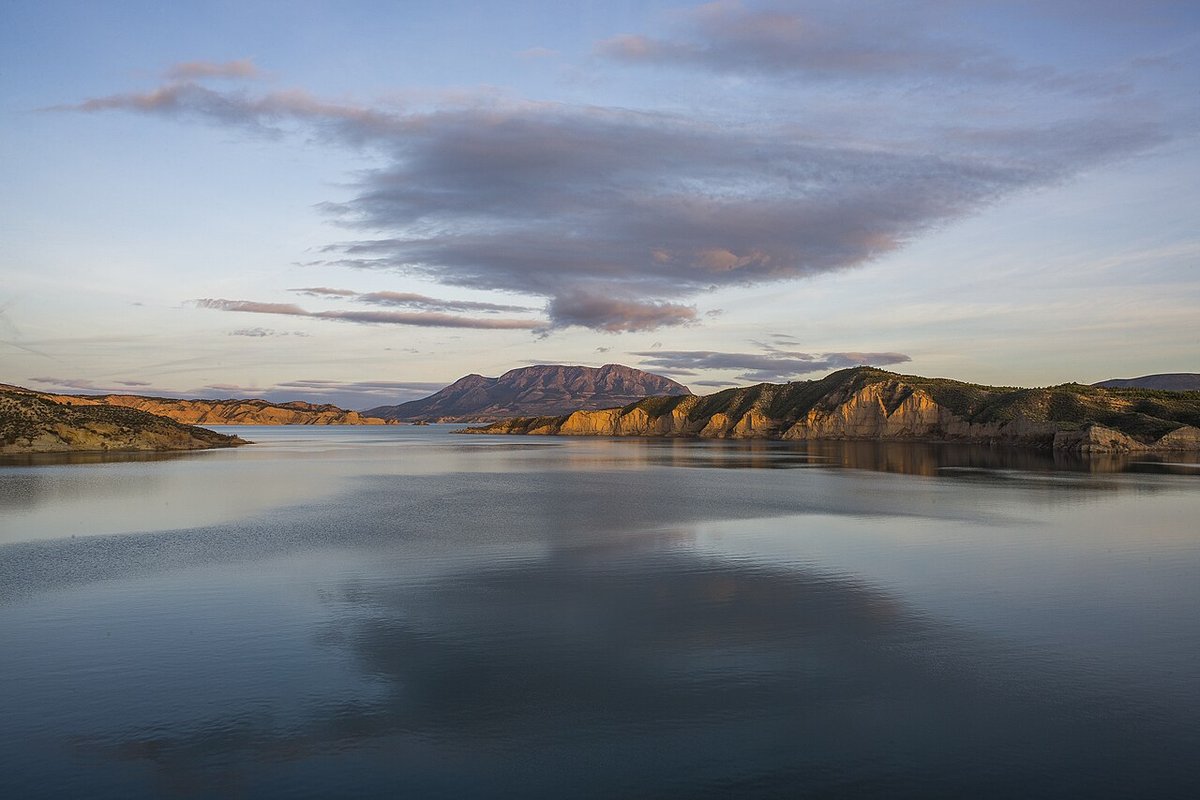
Near the Negratín reservoir; it has inland beaches and water sports in a striking semi-arid setting.
Ocultar artículo Leer artículo completo
The first thing you notice is the colour of the walls. Not white-washed for tourists, but a proper, chalky limewash that throws sunlight back at the sky. From the mirador above the village the houses look like pale blocks set into the ochre hills, each roof terrace planted with a single lemon tree or a line of peppers drying. This is Cuevas del Campo, 855 m up on the high plateau of Granada province, population barely 1 800, where people still live underground by choice.
Earth-built streets
Most villages grow upwards; this one burrowed sideways. Street names – Cueva de Romero, Cueva de Peñas – read like a map of hollows. Between the 1960s and 1980s families enlarged the old troglodyte storerooms into full homes, adding front doors and proper windows but keeping the constant 19 °C interior that makes air-conditioning irrelevant. Several are now holiday lets: Cueva Romana has underfloor heating and a plunge pool carved from the rock; Cueva de Ramón y Elvira keeps its original fireplace big enough to roast a goat. Expect £85 a night in May, £120 in October when the olive harvest begins.
Above ground the grid is simple: one main road in from the A-92, a plaza with a metal pergola, two bars that face each other like elderly cousins. The Iglesia de Nuestra Señora de la Anunciación squats at the top end, its bell tower patched after the 1956 earthquake. Inside, the nave is cool and smells of candle wax and grain; the priest still counts the congregation out loud each Sunday. There is no ticket office, no audio guide, just a box for coins and a notice requesting “silencio, por favor”.
Walking the dry horizon
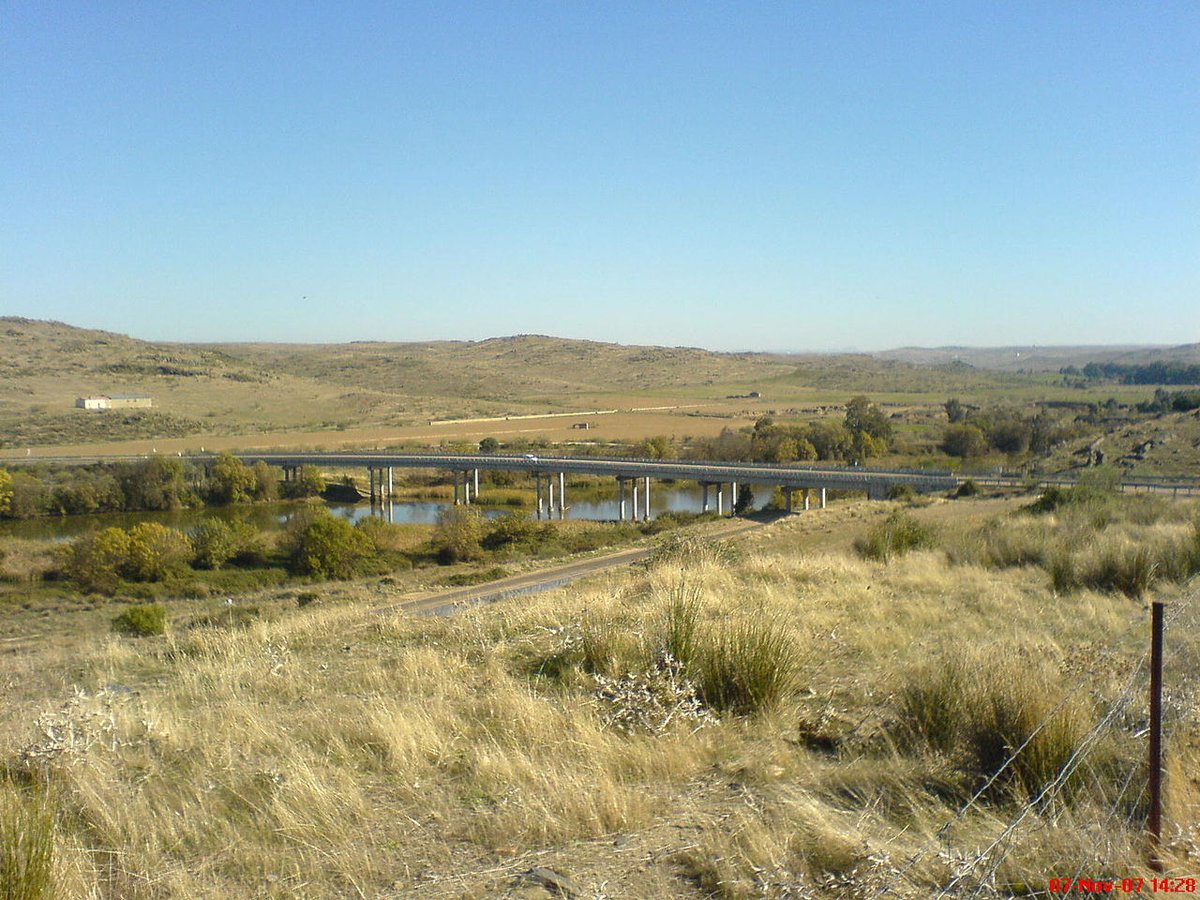
The landscape around Cuevas del Campo is big-sky country. South-east the ground drops into the rambla of Galera, then rises again to the Sierra de las Estancias. North-west you can pick out the embalse (reservoir) of Negratín, a slab of cobalt that looks closer than its 18 km. A 9 km circular track, way-marked with yellow paint, leaves the village past the cemetery, skirts two abandoned cortijos and returns along the irrigation channel. The walking is easy – old mule width, virtually flat – but shade is non-existent; carry at least a litre of water per person between March and November. Boot prints in the dust show wild boar, and the occasional bleached vertebra hints at happier days for somebody’s chicken.
Serious hikers head for the 16 km ridge route to Galera, starting at dawn to avoid both heat and the afternoon wind that barrels up the valley. Midway you pass the Fuente de la Gracia, a stone trough where shepherds once washed sheep; water still drips, but the trough is cracked and the surrounding reed bed smells faintly of sulphur. Mobile reception dies after the first kilometre – download your offline map the night before.
What arrives on the table
Food here is altitude cooking: filling, cheap, unapologetically beige. In Bar Nuevo the migas arrive in a mound the size of a rugby ball: fried breadcrumbs, garlic, scraps of chorizo, a single fried egg laid on top like a yellow flag. The owner, Manolo, brings it to the table himself and asks whether you want “lo normal” (feeds two) or “el inglés” (feeds three, costs €9). Order a caña of Alhambra and you will get the third one free – the chalk mark on the bar is still the accounting system.
Thursday is trout day. The fish come from Lake Negratín, 25 minutes by car, gutted and head-off for the squeamish. They are simply grilled with olive oil and lemon, served on tin plates that burn your fingers. If you prefer meat, try the gachamones – a sort of porridge of flour and pork fat that sounds awful and tastes like nursery food after a long walk. Vegetarians are limited to tortilla or salad; the lettuce is local, the tomatoes are not.
When the village fills up
Cuevas del Campo does not do quiet tourism marketing, yet its two fiestas pull ex-residents back from Barcelona, Madrid, even Manchester. The main celebration, for the Virgen de la Anunciación, lands on the weekend nearest 25 March. Processions start at 18:00 sharp; by 17:30 every elderly relative has bagged a plastic chair outside the butcher’s. Brass bands play pasodobles slightly off-key, and afterwards the plaza becomes an open-air dance floor with a sound system run by the council. Beer is €1.50 a plastic cup; bring your own loo roll because the portable toilets run out by 23:00.
August feria is rowdier. Temporary fairground rides appear opposite the olive cooperative, and teenagers ride the bumper cars until 03:00. British second-home owners time their visit for the Saturday night paella competition: €5 buys a plate and a vote. Winners get a leg of jamón and a bottle of gin; losers still eat well.
Getting here, staying sensible
Granada airport is 95 km west, mainly served by easyJet from London and Manchester. Hire cars are plentiful; take the A-92 past Guadix and exit at 312. Fuel up before you leave the motorway – the village garage closes at 14:00 and does not reopen on Sundays. There is no taxi rank; the nearest railway station is 70 km away in Linares-Baeza, so driving is non-negotiable.
Accommodation is almost all self-catering. The three cave houses with the best insulation book out early for Easter and October half-term; after that you can usually wing it with two days’ notice except during fiestas. Nights are cool even in July – pack a fleece. The single ATM beside the post office works only when it feels like it; withdraw cash in Baza, 19 km north.
Leave the drone at home. Low-flying is banned over inhabited cave roofs (echoes drive dogs mad) and the Guardia Civil fine on the spot. Instead, bring binoculars: crested larks and short-toed eagles patrol the thermals above the escarpment, and on a clear day you can see the snow on the Sierra Nevada catching the dawn light like a warning beacon.
Cuevas del Campo will not change your life. It will give you a week of quiet footpaths, star-loaded skies and bread that is baked once a day at 07:00. If that sounds enough, the earth here already has the walls built – you just need to walk inside.