Full Article
about Cúllar
Large municipality with many outlying hamlets and small settlements; hosts a spectacular Moros y Cristianos festival declared of tourist interest.
Ocultar artículo Leer artículo completo
The almond trees erupt first. For two weeks at the tail-end of winter, the slopes around Cúllar flick from dun-coloured scrub to a rash of white and baby-pink blossom. Locals call it la floración, and it is the only time of year when the village looks even briefly ornamental. The rest of the time Cúllar gets on with the less photogenic business of being alive: cereal drills churn ochre fields, potters fire clay pipes in kilns built before the Civil War, and the 08:00 bar crowd knock back café con leche before climbing into tractors or the cab of the weekly bus to Baza.
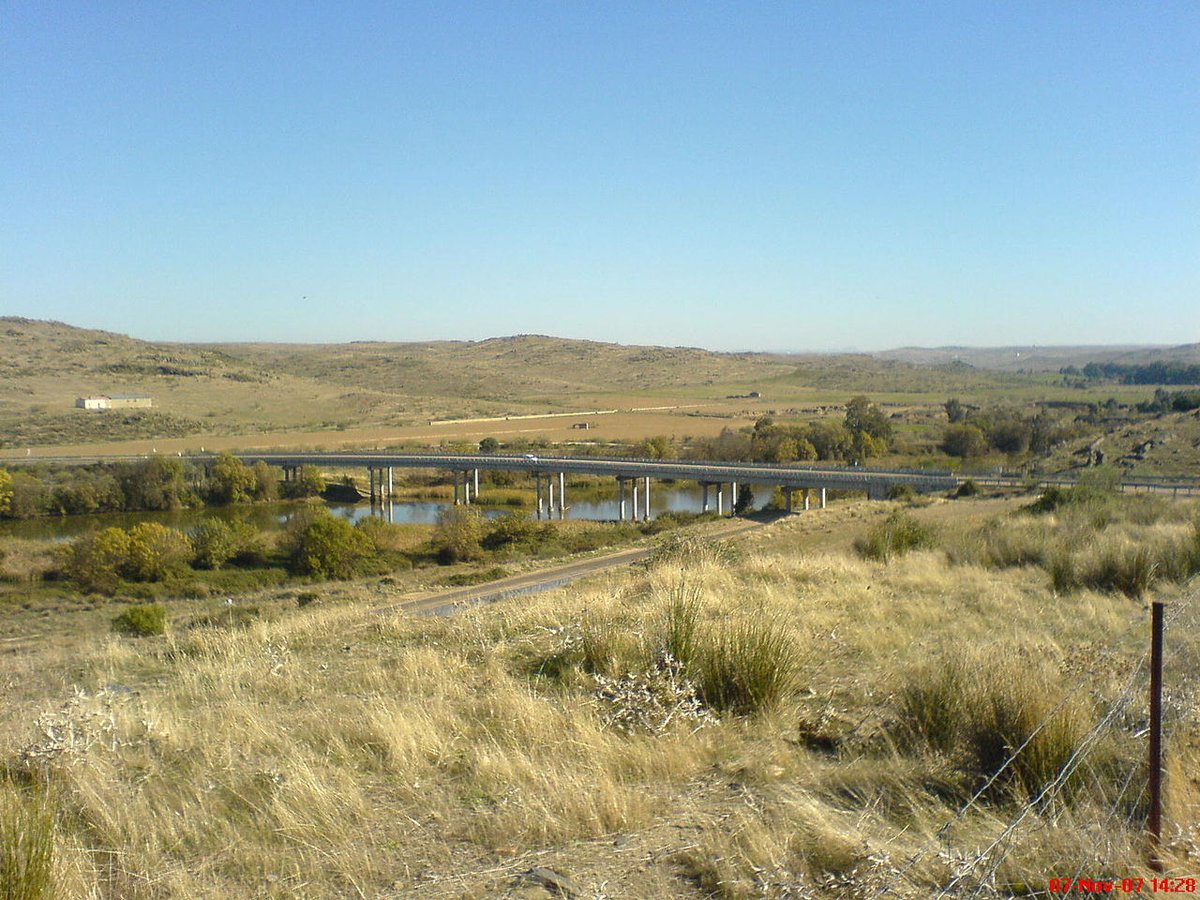
At 850 m on the high plateau north-east of Granada, Cúllar is too elevated for the Costa’s olive-and-citrus gloss and too low for the snow-dusted drama of the Sierra Nevada. The result is a landscape of long, wind-edged views, where rainfall is scant and every farmhouse is ringed by a defensive belt of cypress to keep the dust out. Drive in on the A-334 from Baza and the first thing you notice is the brick: tawny, unplastered, staggered up a low ridge like a set of uneven teeth. Whitewash exists, but it is applied sparingly, usually around a doorway or the arched mouth of a pottery workshop. Expecting sugar-cube prettiness? Turn round and head south to the Alpujarras. Cúllar has work to do.
Clay, Bread and Other Daily Sciences
The pottery trade once shipped roof tiles as far as Murcia; today three family kilns survive, each with a different speciality. In Calle Horno de Alfarería, José Miguel still stacks the traditional tubes used to irrigate vegetable plots. Ask politely and he’ll let you watch the loading: bricks are laid like fish in a smoker, gaps stuffed with almond prunings that burn hot and fast. Firing takes 14 hours; the kiln cools for another two days. Prices are stubbornly local – a six-inch plant pot is €3, a field tile €1.20 – and there is no credit-card machine because the workshop till is an old biscuit tin.
Bread is taken equally seriously. Pan de pueblo is slipped into the oven at 04:00 six days a week; by 10:00 the crusty, mild-flavoured loaves are sold out. If you are self-catering, buy one early, tear it in half and fill it with local chato tomatoes, a glug of olive oil and the paper-thin ham sold by weight in Supermercado Cazorla. The supermarket’s own-brand tea is, frankly, undrinkable – bring your own PG Tips.
Saturday transforms the main square. Under the orange trees, stallholders tip crates of aubergines, purple and glossy as bruises, next to bundles of acelgas (Swiss chard) still gritty with field soil. The market is aimed at neighbours, not visitors, so prices are written on scraps of cardboard and haggling is minimal. Fill a reusable bag for under a fiver, then duck into Bar La Parada for a caña. Between 11:00 and 13:00 every drink comes with a free tapa – perhaps pluma ibérica grilled until the fat edges caramelise, served with a handful of proper chips rather than the frozen sort. It is the closest Cúllar gets to a food scene.
Walking Without Way-Marks
The council has printed a leaflet entitled Rutas de Cúllar but the trails exist mainly on farmer’s mental maps. A sensible option is to follow the rambla south-east towards the abandoned cortijo of El Algarrobal: 6 km out, 6 km back, almost flat, no shade. Take two litres of water per person; the wind scours moisture off your skin before you notice you are sweating. Spring migrants – bee-eaters, hoopoes – use the rambla as a flyway, and if you walk quietly you will see them arrowing between the tamarisks. The return leg coincides with the potteries’ afternoon smoke; from a distance the kilns look like small volcanoes puffing over the plain.
If that sounds too committed, stroll the village periphery at sunset. The almond groves glow ochre, the Sierra de Baza bruises to violet, and the bells of San José strike the hour with a tone that always lags three seconds behind the mobile-phone clock. You will share the lane with men on mopeds returning from the olive cooperative and women walking small, determined dogs. Everyone says buenas tardes; nobody asks where you are from.
When the Year Turns Inwards
Cullar’s calendar is built for inhabitants, not for an audience. Mid-March brings the fiesta of San José: a fairground ride wedged into the football pitch, a marquee that smells of diesel and stewing goat, and a procession where the saint is carried at shoulder height past houses that have hung old bedspreads as improvised bunting. Temperatures can dip to 5 °C after dark; locals wear padded jackets and dance sevillanas regardless. Visitors are welcome but not fussed over – buy a raffle ticket, sip the free mosto, and you are accepted.
Summer is harder. Daytime highs flirt with 38 °C and the wind feels as though it has detoured via the Sahara. August 15 doubles the population as emigrant families return; cousins park rental cars beside dusty Seat Ibizas and argue over who last used the grandmother’s ancient pedestal fan. Accommodation without a pool becomes a endurance test; if you have not booked an Airbnb with aire acondicionado confirmed in writing, reconsider the dates. The upside is night-time noise: live bands in the square finish at 05:00, long after the British habit of politely turning in.
Easter is quieter. Three processions, no tourists coaches, drums echoing off bare walls at a volume that makes your ribs vibrate. The nazarenos wear purple, not the white of Seville, and their hoods are edged with local lace so old it has frayed to netting. Stand on Calle Real at 23:00 and you will see the same faces repeated in different decades: grandmother, daughter, granddaughter, each holding a candle that gutters in the wind.
Getting There, Getting Fed, Getting Out
Cullar sits 100 km from Granada airport, 170 km from Alicante. A hire car is almost mandatory; public transport means the weekday bus that leaves Baza at 07:00 and returns at 14:00, timed for schoolchildren and pensioners. Fill the tank on the A-92 – the village Repsol opens 07:00–14:00, 17:00–20:00, closed Sunday. Road signage is excellent until the final roundabout, where someone once shot the direction arrow with an air-rifle and the council never replaced it. Trust the sat-nav and keep uphill.
Eating options are finite. Bar Central does a decent menú del día (three courses, wine, €11) but runs out of dessert by 15:30. Mesón El Olivo, on the road out towards Zújar, grills excellent cordero lechal (€18) but you need to order in the morning if you want it for lunch. Vegetarians will live on berenjenas con miel – aubergine chips drizzled with dark honey – and the kindness of waiters who will ask the kitchen to leave the ham off the salad. Bring cash; card machines crash when the mobile signal drops, which is often.
Check-out time is where Cúllar reveals its final quirk. If you are staying in a village house, the owner may appear with a plate of rosquillas (ring-shaped doughnuts filled with crema pastelera) as a farewell. Eat one, wrap the rest in kitchen roll for the journey, and you will still find powdered sugar in your hand luggage a week later. It is the closest thing to a souvenir the place produces, and – like the village itself – it tastes of flour, oil and the stubborn refusal to be anything other than what it is.