Full Article
about Freila
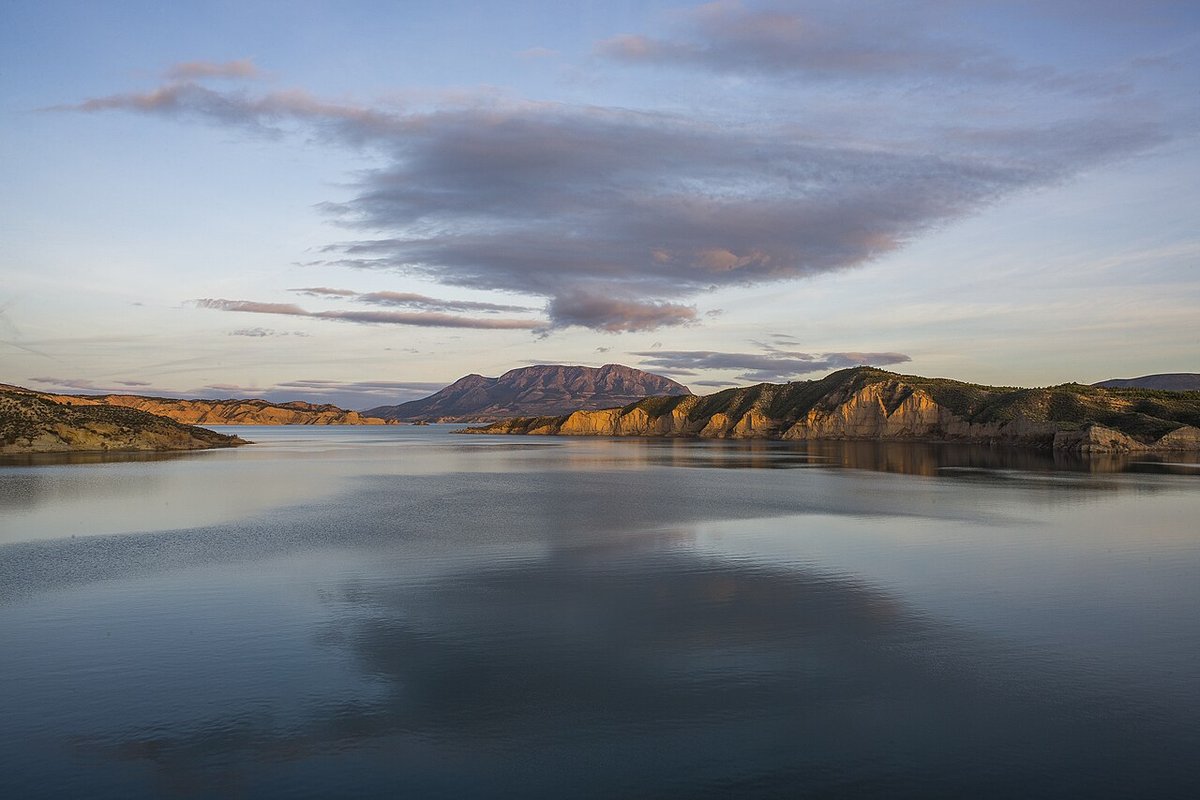
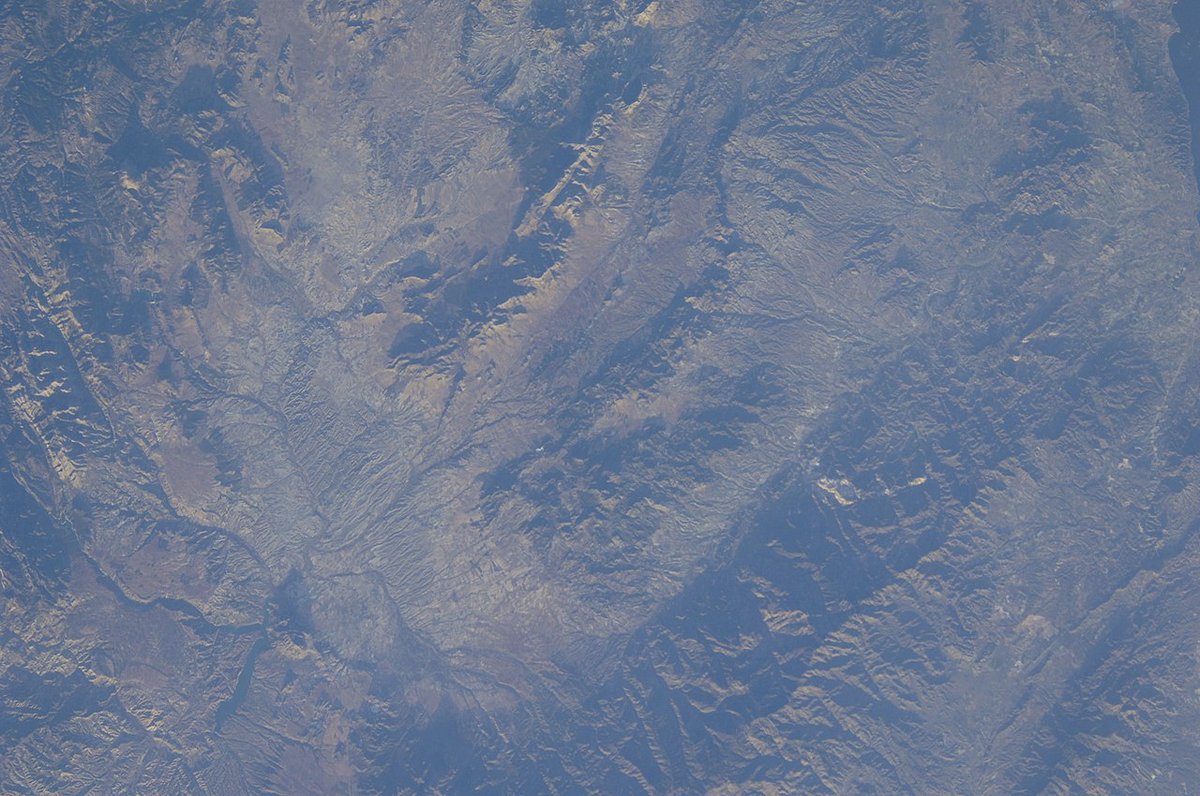
On the shores of the Negratín reservoir; it has an inland beach and remains of an Arab fortress.
Hide article Read full article
A stop that turns into a stay
Some places are planned, others happen almost by accident. Freila often falls into the second group. It might appear simply because it lies on your route, or because the map suggests something nearby. Yet once there, it has a way of holding attention longer than expected.
Tourism in Freila is quiet in that sense. It does not announce itself loudly or compete for attention. Instead, it reveals itself slowly: whitewashed houses, the soft sound of the River Baza close by, and a wide horizon of farmland that seems to stretch without end.
With fewer than a thousand residents, Freila sits on a gentle rise in the Baza region, around 800 metres above sea level. Life here still follows the rhythms of agriculture. That influence is visible in how the day unfolds, in how streets and squares are used, and in the general pace of things. It is not a place that has reshaped itself for visitors. More often, it feels as though anyone arriving is simply stepping into the everyday life of the village.
Walking through the heart of Freila
At the centre stands the parish church of the Inmaculada Concepción. Its tower is simple, the kind you spot from the road as you approach and use to orient yourself. Parts of the building are older, probably dating back to the 16th century, alongside later alterations. It is not grand or imposing, yet it fits the scale and character of the village.
The urban layout is compact. Streets are narrow and occasionally twist more than expected, creating small turns and corners that invite slow wandering. Many houses keep their traditional form: white walls, black iron grilles, and rather low doorways. Walking without hurry brings small details into focus, old wooden gates, quiet courtyards hidden behind high walls.
One of the more curious features is found beneath some of these homes. There are bodegas or caves dug into the ground, historically used for storing food or escaping the summer heat. They are not marked or signposted. In fact, many go unnoticed unless you spot a metal door or a discreet entrance set into a façade.
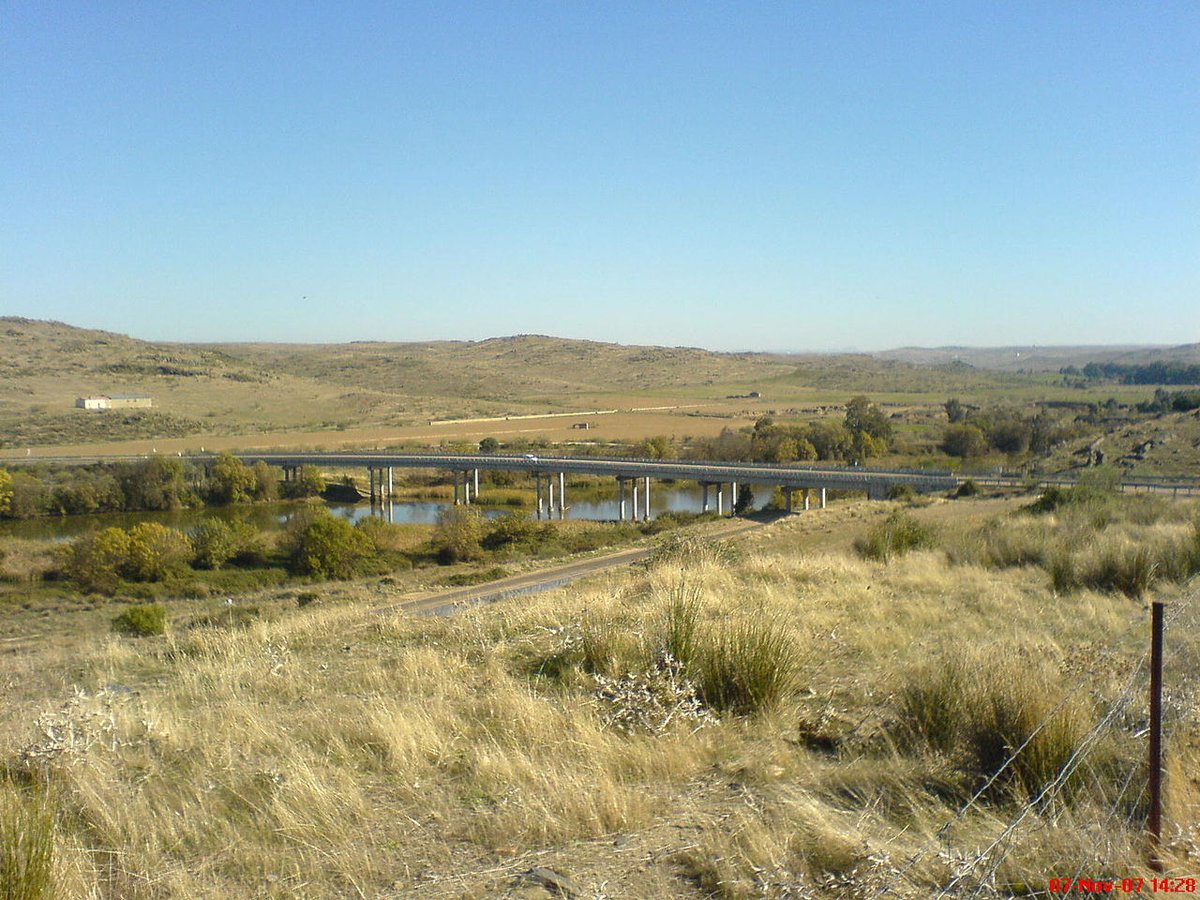
From certain points in the village, the view opens out across the plateau. On clear days, the mountains of the Baza area appear in the distance. The surrounding landscape is largely agricultural, with cereal crops, almond trees and olive groves spread across low, rolling hills. There are no housing developments or large modern structures competing for space. The land still defines the setting.
Easy paths across the countryside
For those who enjoy walking without too much effort, the area around Freila offers plenty of simple rural tracks. These are the same routes farmers have long used to reach their fields. Rather than steep mountain trails, expect wide paths and dirt tracks where walking feels unhurried and straightforward.
The landscape changes with the seasons. In spring, when the cereal fields turn green, the surroundings feel softer and more inviting. These months are particularly good for walking. By summer, the colours shift to ochre and the heat becomes more intense. It is also the time when the effort behind agricultural work is most apparent.
Local food reflects this connection to the land. Dishes are simple and filling, shaped by what is available at different times of year. Migas, a traditional dish made from breadcrumbs, often comes up in conversation with residents, usually accompanied by whatever ingredients are at hand depending on the season. Olive oil produced in the area is also a regular part of everyday cooking.
For anyone interested in photography, timing matters. Early morning or late afternoon offers the best light. At midday, the sun falls directly onto the white walls, making it harder to capture texture and depth. In softer light, the village takes on a different quality.
Traditions rooted in local life
Freila’s main celebrations are closely tied to local religious traditions. At the beginning of December, festivities are held in honour of the Inmaculada Concepción. Activities tend to centre around the church and the coming together of residents.
During Semana Santa, the week leading up to Easter, there are also processions. These are modest in scale and feel very close to the community. They do not have the spectacle seen in larger Andalusian cities. Instead, they move through narrow streets with small religious floats, carried and organised by local people.
In summer, there are sometimes romerías, traditional gatherings that often involve music and shared activities, along with other celebrations linked to the agricultural calendar. These events are usually organised by local associations. They are not designed as large attractions but rather as occasions for people to meet and spend time together.
Freila does not depend on tourism, and there is no sense of urgency to change that. For visitors arriving with curiosity and a bit of time, that is part of the appeal. It is less about ticking off sights and more about understanding how a small village on the Baza plateau continues to function much as it has for years.