Full Article
about Andújar
Monumental town on the Guadalquivir and gateway to the Sierra de Andújar Natural Park; sanctuary of the Iberian lynx
Hide article Read full article
A place people pass… and miss
Tourism in Andújar has a slightly odd trait: plenty of people come close, then carry on. Locals are used to it. Someone stops at a petrol station and asks, “Is this Jaén or Córdoba?” The reply comes quickly: “Jaén, but closer to Córdoba.” That is often as far as it goes, for both the visitor and the town.
Andújar rarely appears on the typical postcards of Andalucía. It does not try very hard to. Yet beneath that low profile sits more history than first impressions suggest, layered quietly rather than put on display.
Streets that lean towards the river
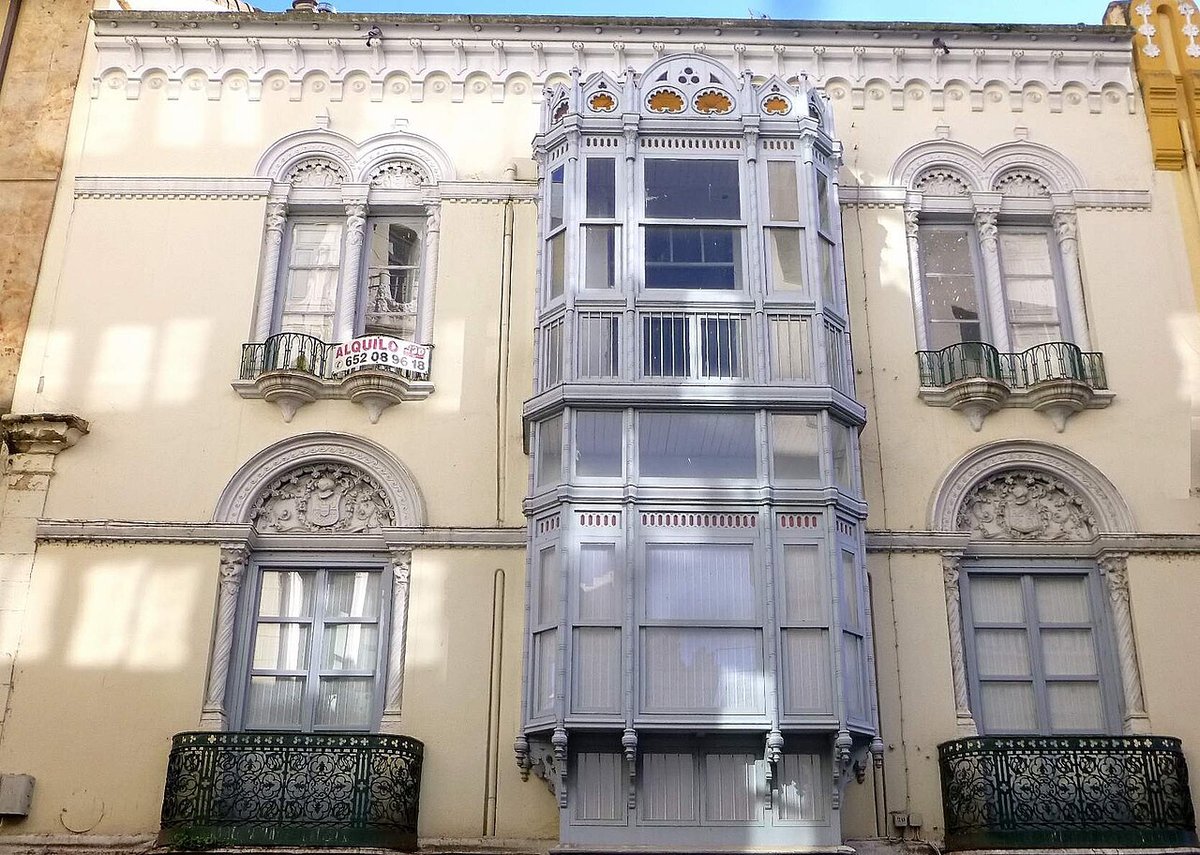
Walking through the older part of Andújar feels a bit like stepping into a family home and realising it is larger than expected. The streets are narrow, but not arranged for show. This is a lived-in place. Laundry hangs overhead, neighbours chat from balcony to balcony, and cars edge into whatever space they can find.
The Guadalquivir runs right alongside the town, and its presence shapes everything. Some streets suddenly open out, and there it is, broader than you might expect in a place like this. The historic centre seems to settle itself around that edge of water, as if it grew with the river in mind.
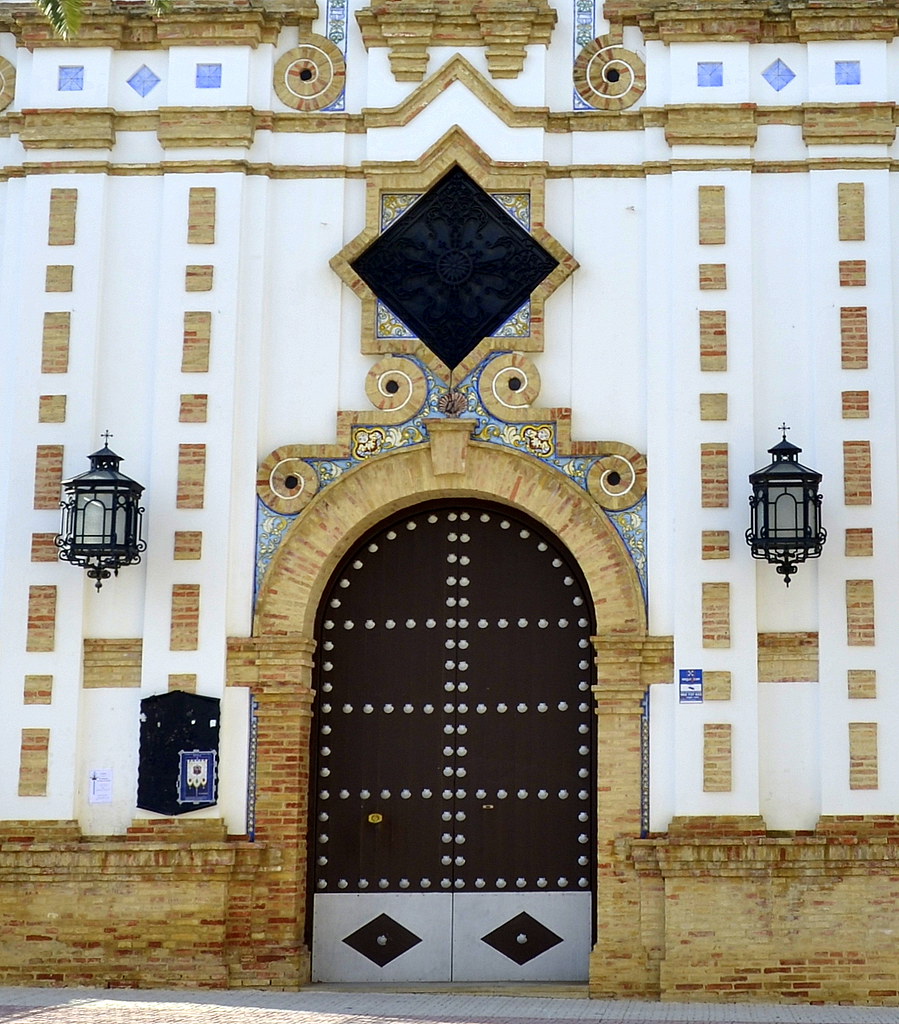
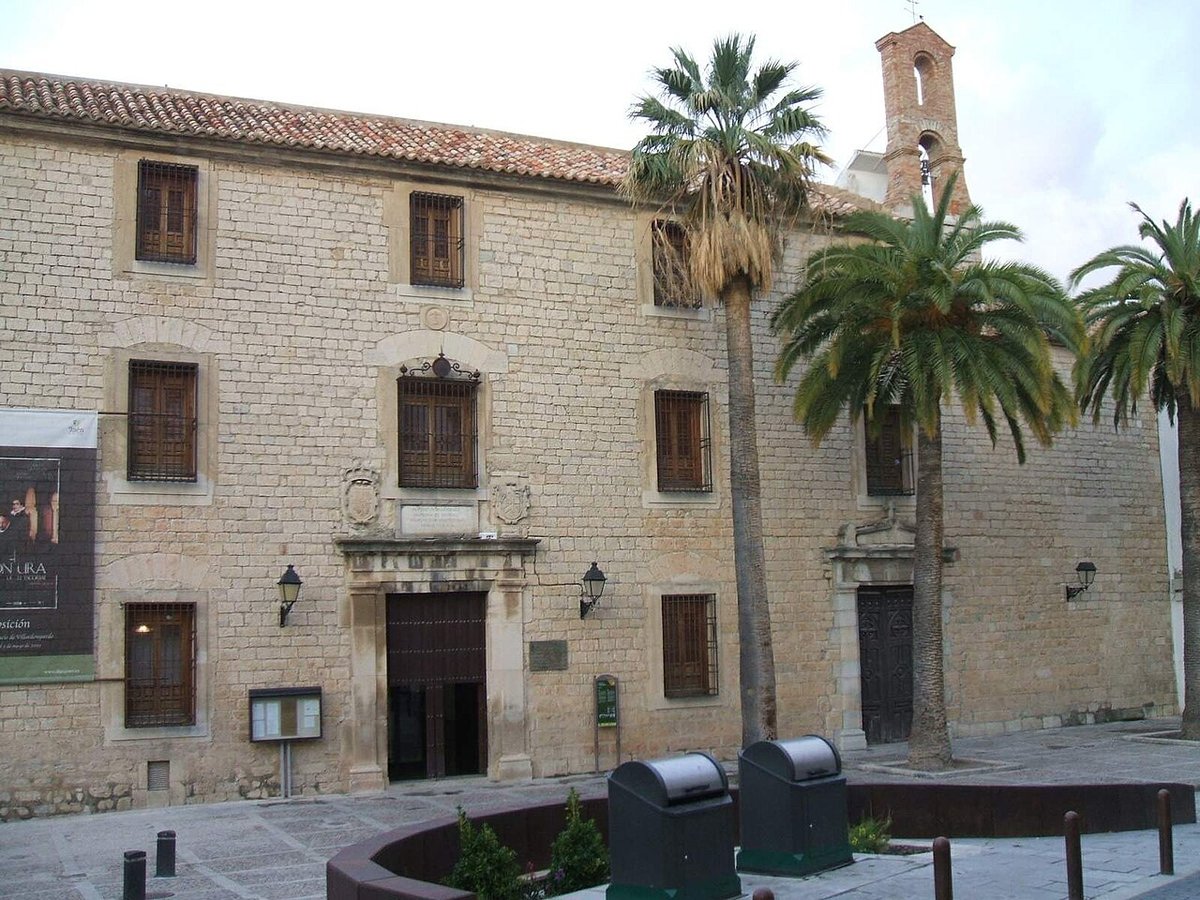
Its designation as a historic complex is not about one or two standout monuments. The town has built itself up in layers over centuries. Early settlements came first, followed by the Roman period, then the Andalusí era with its defensive structures, and later Christian expansions. These traces are not always presented as grand sights. More often they appear in small details: old walls, heavy doorways, arcades now used for parking rather than their original purpose.
When the town heads for the hills
There is one moment each year when Andújar changes completely: the Romería de la Virgen de la Cabeza. During that weekend, it can feel as though half the province is on the move towards the mountains.
The destination is the Cerro del Cabezo, within the Sierra de Andújar, where the sanctuary dedicated to the Virgin stands. The tradition stretches back centuries, and that long history is clear in how people approach it. Families travel together, social groups set up improvised camps, and cars arrive packed with food, blankets and whatever else is needed for a few days outdoors.
From the outside, it can look like a mix between a pilgrimage and a mass camping trip. From within, it is simpler. People go up into the hills with their relatives and friends, honour the Virgin, and return home on Sunday a little hoarse and with dust still clinging to the car.
Food that keeps things simple and filling
Light cuisine is not really the point here.
One of the clearest examples is andrajos, a hearty stew that reflects the area well. Pieces of dough are cooked together with meat, traditionally small game or rabbit, in a rich broth that almost demands bread alongside it. It is the sort of dish that settles you for the rest of the day.
Then there are ochíos, small bread rolls flavoured with anise and paprika. Across much of Jaén they are linked to particular times of year, especially spring celebrations and Semana Santa, the week leading up to Easter. They do not stay soft for long, which tends to lead to a straightforward solution: eat them quickly.
And olive oil… this is Jaén, after all. Here, olive oil is not a finishing touch. It forms the base of much of the cooking. On many tables, bread ends up serving more as a vehicle for dipping than as a side.
Beyond the town: tracks and open space
Step outside the urban area and a different Andújar begins, one shaped by the surrounding countryside.
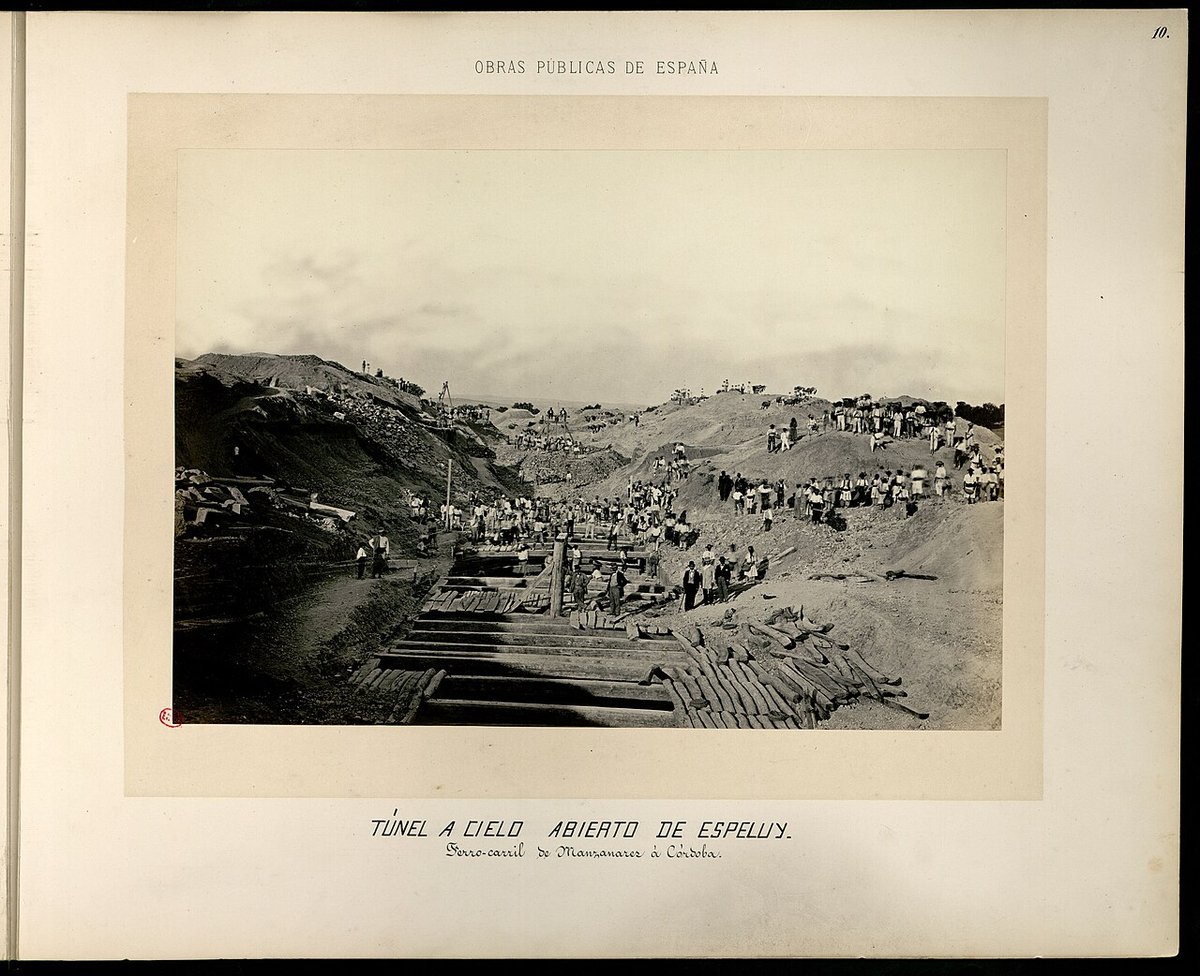
Part of the Vía Verde del Aceite runs through this area. It follows a former railway line that has been converted into a route for cycling and walking. The path cuts through olive groves for kilometres, passing tunnels and old stations that hint at its earlier life when trains ran along this corridor.
Then there is the Parque Natural de la Sierra de Andújar, which operates on a completely different scale. This is a landscape of dehesas, Mediterranean woodland and long forest tracks where it is possible to spend hours without encountering many people. One of the most important remaining populations of the Iberian lynx lives here. Seeing one is not common, that still depends on luck, but knowing they are present changes the way the landscape feels.
There are also traditional paths leading up to the sanctuary from different points in the sierra. Some are used during the romería, filled with people making their way upwards together. At other times of year, those same routes can be walked in near silence.
The reality of it
Andújar is not without its rough edges. Summer heat can be intense, some buildings in the centre are waiting for renewal, and anyone expecting a postcard-perfect white village will instead find a working town of just over thirty thousand people.
That is part of its character. It does not present a version of Andalucía designed around visitors. Daily life carries on as usual: shopping at the market, complaints about traffic along the main avenue, weekends spent going out for tapas without much thought about who might be visiting.
Spring tends to suit the place well. After a period of rain, the olive groves around the town shift in colour, the sierra turns green, and the stronger summer heat has not yet arrived.