Full Article
about Arjonilla
A countryside town tied to the legend of the troubadour Macías’s love affair; noted for its traditional pottery.
Hide article Read full article
First things first: arriving in Arjonilla
Tourism in Arjonilla begins with a simple decision: where to leave the car. The square by the Town Hall usually offers a bit of space and a bit of shade, which is often enough. From there, everything quickly narrows. The historic centre is made up of tight streets, and driving into them with a large vehicle demands attention. Getting out tends to require even more.
This small practical detail sets the tone. Arjonilla does not present itself as a place organised around visitors. It feels like a working town that you step into, rather than one that has rearranged itself for tourism.
A castle with a story to tell
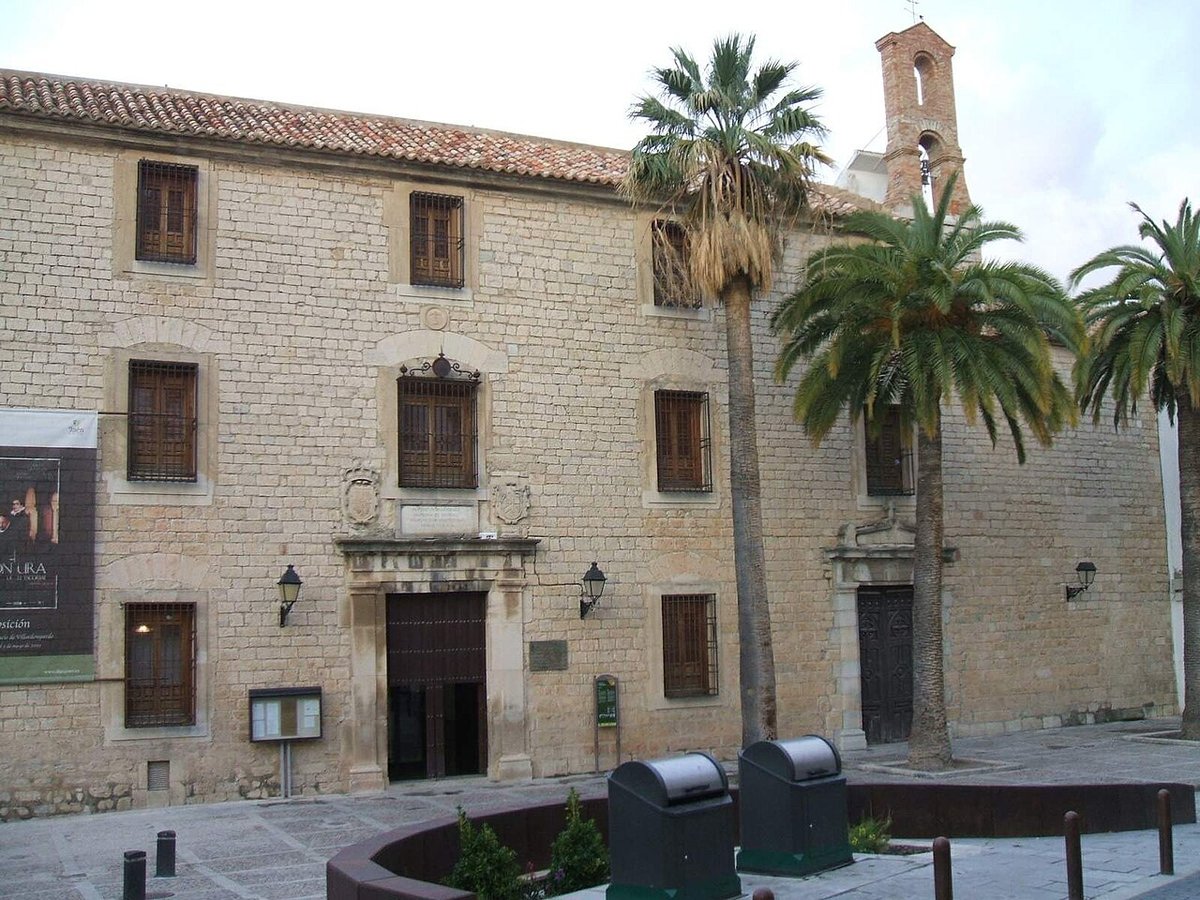
The Castillo de Macías is only a short walk away. It is modest in scale. There are no vast walls to wander along or large interior spaces open to the public. Even so, it holds a story that is well known locally.
The site is linked to Macías el Enamorado, a 15th-century Galician troubadour. According to tradition, he was imprisoned here because of an impossible love affair with the wife of a nobleman. Over time, the tale moved beyond local storytelling and into literature. Lope de Vega wrote about him, and other authors returned to the figure in later centuries. There is even a story, often repeated, that a book about Macías appeared in a much more recent episode connected to the Spanish monarchy. That part leans more towards anecdote than documented local history, but it still circulates.
The castle does not operate with a fixed visiting schedule. It sometimes opens during cultural events or local celebrations, when the town organises activities around it. If it happens to be closed, it is still possible to walk around the exterior and take a look at the tower, which remains the most visible feature.
Food that belongs to the kitchen
Cooking in Arjonilla still follows habits rooted in the home. Migas remain a typical Sunday dish in many households. They are made with stale bread, garlic, paprika and a generous amount of olive oil. In local bars, they also appear on menus, sometimes accompanied by grapes or a little cured meat.
In August, during the fiestas of San Roque, a specific dish takes centre stage: a pot of beans with aubergines. This custom is tied to an old promise made by the town in connection with an epidemic. The recipe itself is straightforward, based on white beans, aubergine, bay leaf and little else. It is simple food that fills you up and does exactly what it needs to do.
Salmorejo also has a place here. This cold tomato-based dish, thicker than gazpacho, benefits from the quality of local produce. Tomatoes grown in this part of Jaén tend to have more flavour than those commonly found in supermarkets, which shapes the final result without the need for extra complexity.
Walking without a plan
The centre of Arjonilla can be covered quickly. Streets are short, houses are whitewashed, and small squares appear here and there. When the heat drops, people gather in these spaces and sit outside, turning them into informal meeting points.
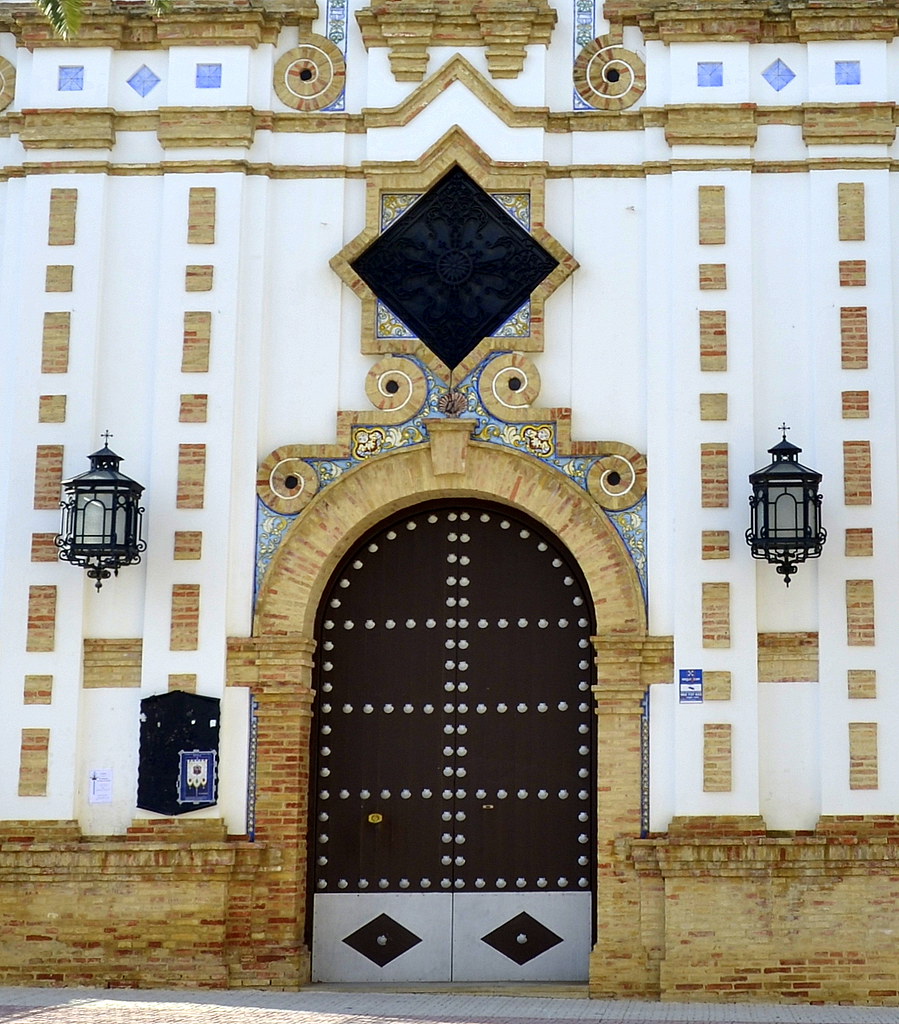
One of the clearest walks in the town is the climb towards the ermita de San Roque. The building dates back to the 18th century. From its position, there are open views over the town and the surrounding countryside, much of it given over to olive groves.
At certain times of year, especially in summer or during festive periods, guided routes through the historic centre are organised. There may also be activities linked to the castle. These do not run continuously, so it makes sense to check locally, either at the town hall or by seeing if any cultural events coincide with a visit.
Fitting Arjonilla into a journey
Spring and autumn tend to suit this landscape best. Summer brings intense heat, and by midday the streets often empty out as daily life shifts indoors.
Arjonilla sits close enough to Andújar for the two to be combined in a single day by car, which is how many people approach it. Jaén city is further away, though still within reach for a longer outing.
The town itself does not depend on tourism, and that is noticeable. It remains agricultural in character, surrounded by olive groves and shaped by a slower, rural rhythm. A visit here does not demand much planning. Walk through the centre, head up to the castle, take in the views, and then continue on through the countryside. A morning is usually enough to get a sense of the place.