Full Article
about Escañuela
Small town in the olive-growing countryside; known for its quiet atmosphere and local festivals.
Hide article Read full article
Escañuela: el pueblo que no te esperas en Jaén
Escañuela es como ese desvío que tomas por equivocación y al final te alegras. No es un pueblo al que llegas, haces la foto de rigor y sigues. Aquí pasas, sí, pero te quedas con la sensación de haber visto cómo funciona de verdad un trozo de la Campiña de Jaén. Sin decorados.
Está a unos 316 metros, rodeado de olivos hasta donde alcanza la vista. Viven unas 900 personas y, como te imaginarás, aquí todo gira en torno a la aceituna. El año se mide por el calendario del campo, no por el turístico.
No vengas buscando monumentos espectaculares o calles preparadas para el visitante. El interés está en otra parte: en caminar sin prisa y ver cómo un pueblo agrícola sigue con sus cosas, ajeno a si alguien lo mira o no.
El centro: calles blancas y la iglesia de San Sebastián
Te lo recorres en diez minutos. Un par de calles principales, alguna cuesta suave y las típicas casas encaladas que se repiten por toda la campiña jiennense.
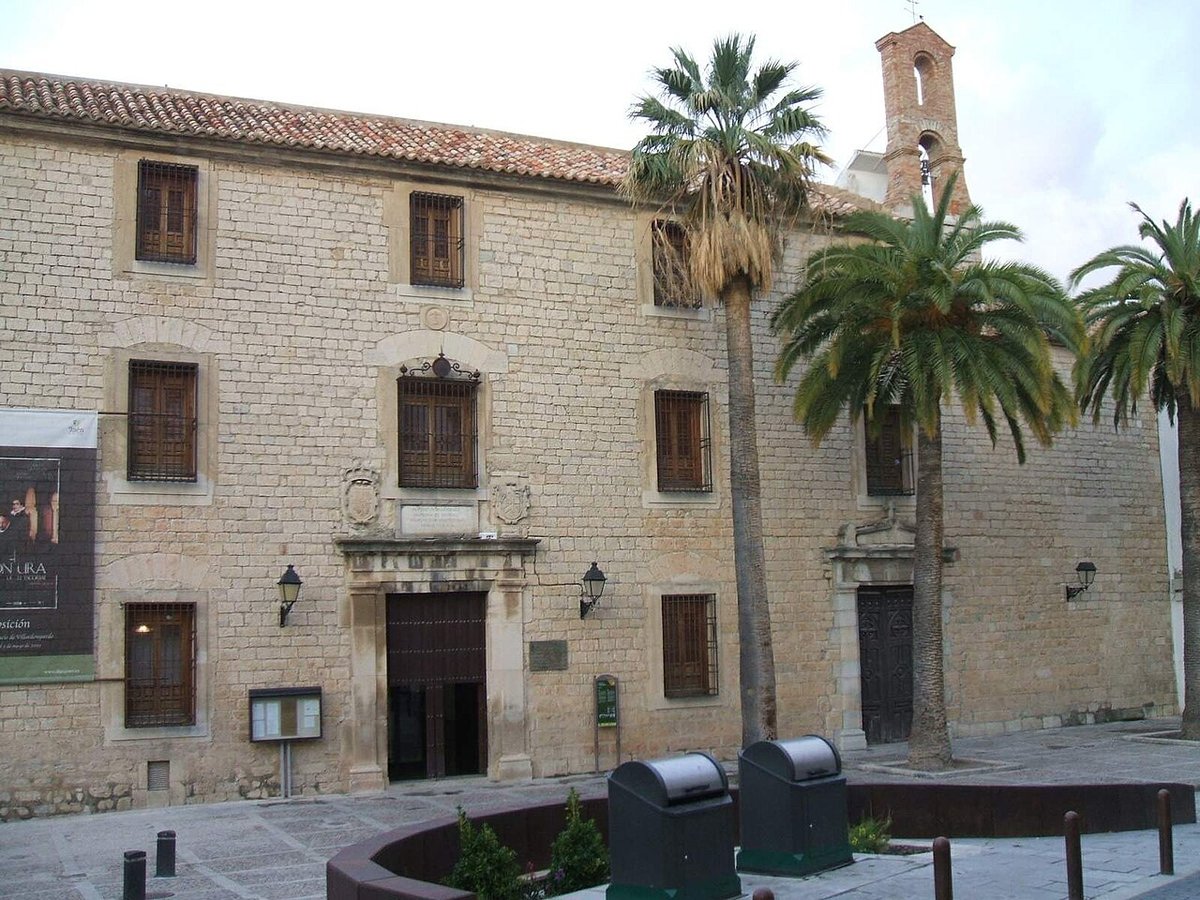
En medio está la Iglesia Parroquial de San Sebastián. Del siglo XVI, con reformas posteriores. Es como muchas iglesias rurales: funcional por fuera, sin demasiadas florituras. Dentro, los retablos e imágenes son más bien modestos, hechos más para rezar que para impresionar.
Alrededor, las plazuelas y callejones son el escenario cotidiano. A ciertas horas se juntan grupos de vecinos a hablar del tiempo, de la cosecha o del último rumor. No es una postal; es lo que hay.
Un paisaje que es puro olivo
Lo que define a Escañuela está fuera del pueblo. Todas las carreteras acaban metiéndote entre olivares.
Desde varios puntos se ve esa extensión continua de árboles alineados que caracteriza esta zona. No es un paisaje dramático, pero tiene algo hipnótico. Las hileras de olivos se pierden hacia unas lomas lejanas que se difuminan en el horizonte.
Los caminos que salen del pueblo son vías de trabajo, no rutas señalizadas. Los usan los locales para llegar a sus tierras, así que no esperes carteles ni senderos preparados. Pero si paseas o circulas por ellos, entiendes al momento cómo se organiza esto: pueblo y campo son lo mismo.
Cuando llega la recogida de la aceituna
El ambiente cambia completamente entre finales de otoño y gran parte del invierno. Es la campaña.
Aparecen cuadrillas en las fincas con vibradores mecánicos, grandes mantos extendidos bajo los árboles y remolques que se llenan de aceitunas. Se empieza temprano y se sigue a un ritmo constante todo el día.
En estos meses, las conversaciones giran siempre alrededor de lo mismo: cómo va la cosecha, si el tiempo ha acompañado y cómo se porta la variedad picual. También es cuando el aceite nuevo empieza a circular por las casas y se nota en el ambiente.
Comida contundente y un ritmo distinto
La cocina local sigue pegada a lo que siempre se ha comido aquí: platos para aguantar jornadas largas en el campo.
Las migas aparecen mucho cuando refresca. El gazpacho y el salmorejo toman el relevo con el calor. Y en casi todo, el aceite de oliva virgen extra no es un producto gourmet; es lo normal, lo de siempre.
La vida aquí va marcada por el trabajo agrícola y las rutinas familiares. No hay prisa. Las calles estrechas y las plazas abiertas sirven como puntos de encuentro casuales, donde la gente se cruza y las conversaciones se alargan sin planificación.
Fiestas: lo justo y necesario
En agosto celebran las fiestas patronales de San Sebastián. Durante unos días el ritmo se acelera un poco: hay procesión por las calles principales, música por las noches y vecinos sacando sillas a la calle para charlar mientras pasa todo alrededor.
La Semana Santa también se vive, con una tradición muy local. No es un evento pensado para atraer turismo; es algo que sigue porque las familias lo mantienen generación tras generación.
Un sitio para mirar con calma
Escañuela no es un destino con una lista interminable de cosas que ver. Es ese tipo de lugar que se entiende mejor después de dar un paseo, mirar alrededor y dedicar un rato a observar cómo encajan el pueblo, los campos y la gente.
Si vienes con curiosidad en vezde con urgencia,sale una imagen sencilla pero muy clara dela Campiña jiennense:pueblos pequeños,milesde olivosy una forma devidaque todavía giraen tornoal campo.Yaquí sigue,pasan los añosy todo eso continúa igual