Full Article
about Espeluy
Town split into two districts beside the Guadalquivir; its medieval castle stands out.
Ocultar artículo Leer artículo completo
The train slows, but most carriages speed past Espeluy-Santa Ana halt. Only the regional service bothers to stop. From the platform, it's a three-kilometre walk to the village proper—no taxi rank, no bus, just olive trees shimmering like pewter in the morning light. This is your first lesson in Espeluy: nothing arrives unless it's meant to.
A Village That Measures Time by Harvests
Espeluy sits at 282 metres above sea level in Jaén's Campiña, a region where the horizon is stitched together by 1.5 million olive trees. With 604 residents, human beings are comfortably outnumbered by tractors. The village moves to the rhythm of the olive calendar: pruning in February, flowering in May, harvest from November until the frosts. Visit during picking season and you'll share the roads with trailers piled high, their fruit heading to the cooperative mill on the outskirts of Mengíbar.
The centre is cross-hatched by three streets—Calle Real, Calle Nueva and Calle Ancha—white-washed, uneven and barely wide enough for a SEAT Ibiza. Houses have iron grilles and wooden doors that open onto patios where washing flaps like prayer flags. There's no historic quarter to tick off; an 1884 earthquake levelled most of the medieval fabric, so what you see is late-19th and early-20th-century vernacular: simple, solid, unshowy.
What Passes for Sights
The parish church of Nuestra Señora de la Anunciación squats at the top of a short flight of steps; its bell tower doubles as the village clock. Inside, the air smells of wax and incense, the walls are painted the colour of new cream, and the only splash of exuberance is a gilded baroque altarpiece rescued from an earlier building. Mass is at 11:00 on Sunday; turn up ten minutes early and you'll catch widows in black swapping crop forecasts.
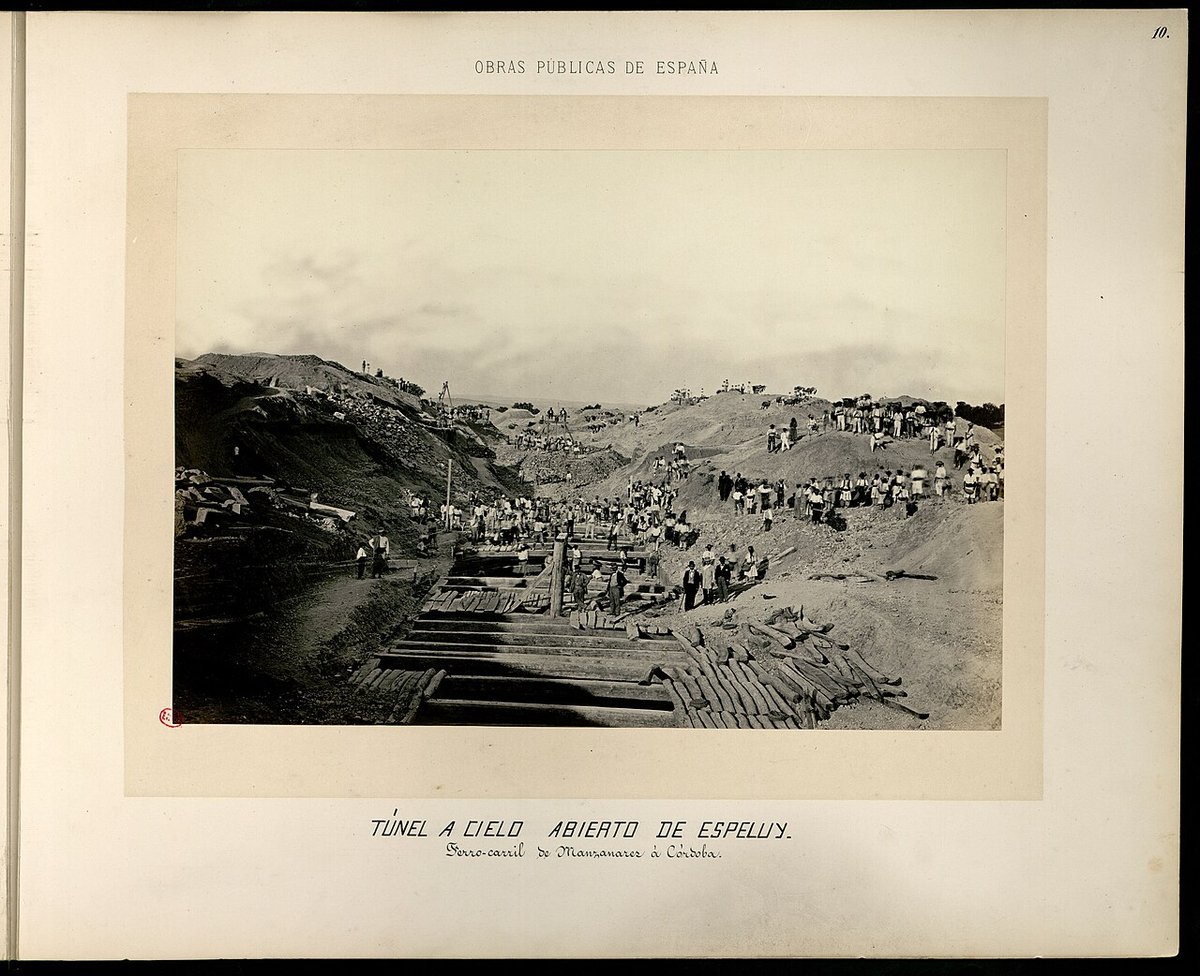
Beyond the church, the pleasure is in the peripheral. Walk east along the old Mengíbar road and you reach the railway cutting—now a green corridor where bee-eaters nest in the embankment. Continue for twenty minutes and the tarmac gives way to a camino rural, graded but unsurfaced, that loops through fincas called Las Carolinas and El Vicario. In April the verges are studded with poppies; by July everything has the brittle texture of parchment. There are no signposts, no mileage markers, just the occasional painted stone indicating which hunting syndicate owns the rights. Take water; the only bar is back in the village and it shuts on Mondays.
Oil, Bread and the Menú del Día
Espeluy's gastronomy is farmland basic, but that is precisely its virtue. Breakfast at Bar California (the only option mid-week) means tostada de mollete—soft local bread rubbed with tomato, drizzled with picual olive oil and sprinkled with salt. The oil is sharp enough to make the back of your throat tingle; ask for the cooperative brand, Valle de Arbuniel, and they'll sell you a litre in an old water bottle for €5.
Lunch arrives at 14:00 sharp. The menú del día costs €10 and rarely strays from grilled pork fillet, chips and a salad of iceberg lettuce dressed with more olive oil. Pudding is flan or a slice of yoghurt cake baked by the owner's sister. House red comes from Montilla-Moriles, nutty and dry; Brits who find Rioja too oaky tend to like it. Vegetarians should request the pipirrana salad—cucumber, pepper and tomato chopped so finely it almost becomes a drink.
When to Come, When to Stay Away
Spring, from late March to mid-May, is the sweet spot. Daytime temperatures hover around 22 °C, nights are cool enough for a jumper, and the olive canopy is that impossible shade of silver-green. September and October are equally kind, though harvest traffic can clog the single-track lanes. Summer is fiercely hot—38 °C is routine—and the village empties as families flee to the coast. If you must come in July, walk at dawn and siesta through the afternoon like everyone else. Winter brings mist that pools in the Guadalquivir valley; days can be T-shirt mild, but the moment the sun drops the mercury follows. A few rural roads turn to ochre glue after rain; a hire car with decent tread is advisable.
Beds, Bills and Practical Grit
There is no cash machine in Espeluy. The nearest ATM is in Mengíbar, ten minutes by car, so fill your wallet before arrival. Shops observe the classic siesta—open 09:00-14:00, closed until 17:30, then shut for good at 20:30. If you arrive on a Sunday evening with nothing but a packet of crisps, expect to drive to the 24-hour petrol station on the A-4.
Accommodation is limited. Complejo Turístico El Cotillo sits two kilometres south-west, a cluster of white cottages around a pool that opens May-September. British couples like it for the spotless rooms and the honesty bar—leave €2 in the tin and help yourself to a beer. In the village itself, Casa Rural La Palma sleeps four and has roof terrace views across to the Sierra Morena; book early because Friday-Sunday is popular with Cordobans seeking silence. If you need English-speaking reception, the four-star Palacio de Mengíbar is a ten-minute drive and occasionally appears in Telegraph travel deals.
Mobile coverage is patchy. Vodafone and Movistar work in the streets; step indoors and EE drops to 3G. The library on Calle Real has free Wi-Fi—password "biblioteca1920"—but it closes at 14:00.
The Parting Shot
Espeluy will never feature on a glossy "Andalucía must-see" spread. It offers no cathedrals, no boutique craft shops, no Instagram moments—unless you count sunrise over an ocean of olives. What it does give is a calibration of scale: how small a community can be and still function, how much landscape a person can absorb when nothing interrupts the view. Come for 24 hours and you might wonder why you bothered. Stay for three, and the world beyond the groves starts to feel unnecessarily loud.