Vista aérea de Higuera de Calatrava
Instituto Geográfico Nacional · CC-BY 4.0 scne.es
Andalucía · Passion & Soul

Higuera de Calatrava

Long before you reach Higuera de Calatrava, its parish bell tower appears on the horizon like a thin white needle dropped into an ocean of olive tr...

590 inhabitants · INE 2025
374m Altitude

Why Visit

Church of the Immaculate Conception Visit the castle ruins

Best Time to Visit

summer

San Roque Festival (August) agosto

Things to See & Do
in Higuera de Calatrava

Heritage

  • Church of the Immaculate Conception
  • Homage Tower
  • Town Hall Square

Activities

  • Visit the castle ruins
  • Walks through the countryside
  • Small-game hunting

Festivals
& & Traditions

Fecha agosto

Fiestas de San Roque (agosto), San Isidro (mayo)

Las fiestas locales son el momento perfecto para vivir la autenticidad de Higuera de Calatrava.

Full Article
about Higuera de Calatrava

Small farming village with ties to the Order of Calatrava

Ocultar artículo Leer artículo completo

The Bell Tower You Can See for Miles

Long before you reach Higuera de Calatrava, its parish bell tower appears on the horizon like a thin white needle dropped into an ocean of olive trees. At 374 metres above sea level, the village sits just high enough to survey the surrounding Campiña de Jaén – 360 degrees of tidy groves that shift from bottle-green in spring to silvery-grey come July. The tower is your first sign that anyone actually lives out here; the second is the smell of woodsmoke drifting from chimneys on winter mornings.

Inside the village, life moves to a rhythm most Brits last experienced in 1950s postcards. The single grocery shuts from 14:00-17:00 and all day Sunday. The plaza, shaded by a few plane trees and edged with whitewashed houses, still functions as the default living room. Old men in flat caps play cards at metal tables; women swap harvest gossip while walking small dogs. You will hear more tractors than cars, and conversations pause when a foreign number plate rolls past – not hostile, simply curious.

What Passes for Sightseeing

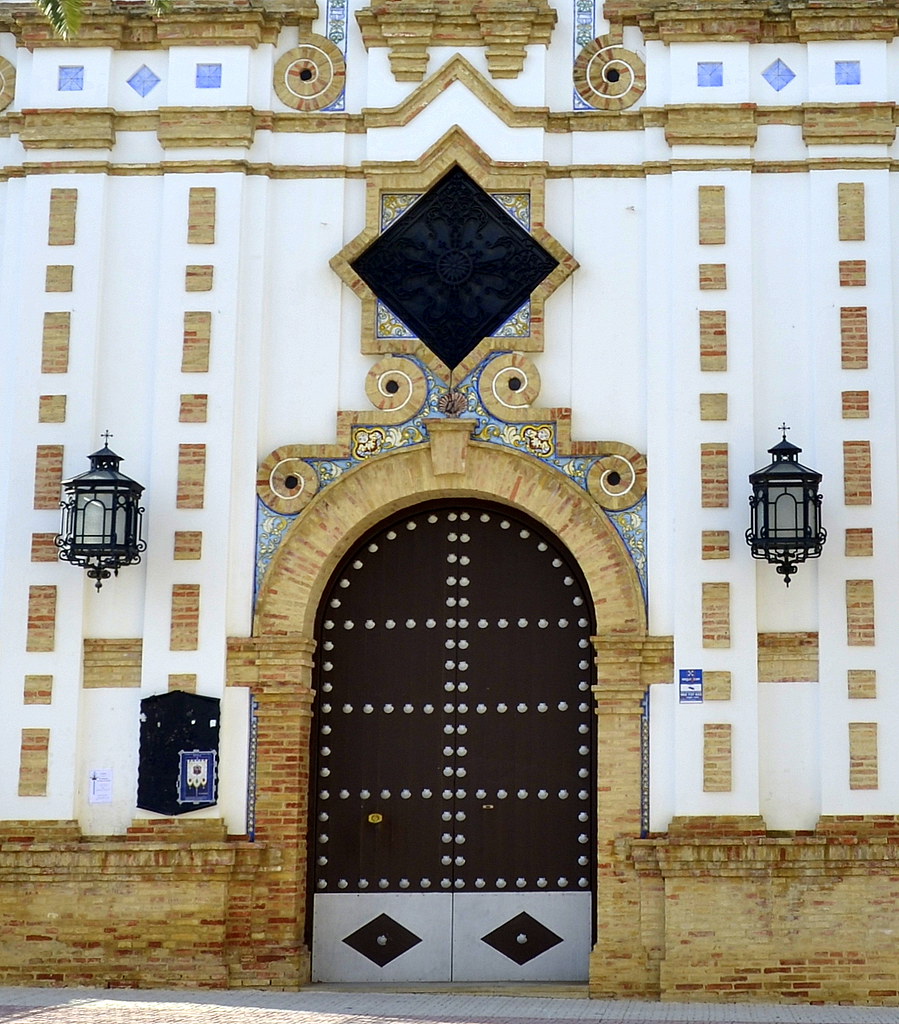
There is no ticket office, no audio guide, no gift shop. The 18th-century church is usually open; push the heavy door and you'll find cool darkness, the faint wax scent of last week's candles, and a retablo painted in reds and ochres that would make a National Trust curator weep with envy.climb the tower on Fridays by asking at the ayuntamiento – the view stretches to the Sierra Morena on clear days, though the metal staircase is not for vertigo sufferers.

The rest of the "heritage" is the village itself: stone doorways carved with Calatrava crosses, iron balconies geranium-heavy, the occasional bricked-up arch where a Moorish house once stood. Allow twenty minutes to circle the historic core; linger longer if you enjoy spotting details like the 1906 date etched into the school wall or the way every roof terrace seems to grow its own lemon tree in an old olive-oil tin.

Below the houses, a web of agricultural lanes leads into the groves. These are working tracks, not sign-posted trails, so bring a phone with offline maps. A thirty-minute stroll south brings you to the Ermita del Santo Cristo, a tiny chapel that doubles as a shelter for harvest workers at lunchtime. Keep walking and you'll reach El Caño, an abandoned stone water-mill where swallows nest in the rafters and the only sound is the Guadalbullón river sliding over slate. Return via the ridge path at sunset – the olives turn almost black against orange soil, and you'll understand why locals call it the "sea of ink".

Eating (or Not) Like a Local

Higuera has two bars. The social club, next to the town hall, opens at 20:00 and serves flamenquín – bread-crumbed rolls of pork and Serrano ham – plus cold Cruzcampo beer at €1.80 a caña. They will not offer a menu; simply ask what María has cooked today. If the answer is "guisillo de chícharros" (a thick stew of broad beans and chorizo) say yes, even if you have no idea what a chícharo is.

The second option is the petrol-station bar on the JV-3402, ten minutes away in Porcuna. It looks unpromising, yet the chicken skewers are properly charred and the tortilla arrives in door-stop wedges. This is also the nearest place with a cash machine, petrol pump and small supermarket – stock up before you drive back up the hill.

Vegetarians should lower expectations. Salads appear only when tomatoes are in season; otherwise you get migas – fried breadcrumbs with garlic and grapes – which is tastier than it sounds. Vegans face a choice: drive to Jaén for hummus, or embrace the picnic. Buy bread from the village bakery (opens 07:00-11:00) and a bottle of local extra-virgin from the cooperative at the edge of town – €7 for half a litre, grassy enough to make you rethink supermarket oil forever.

Calendar of Olives, Fiestas and Closed Roads

Visit in late October and you'll share the lanes with tractors hauling trailers of purple-black fruit to the mill. Traffic jams mean two tractors meeting at a bend; everyone knows everyone, so drivers lean out to compare yield figures and rainfall gossip. The cooperative runs open days: hair-nets provided, free tiny glasses of just-pressed oil sharp enough to catch your throat.

March brings almond blossom and the first gazpacho of the year – served thick and chilled, not the watery stuff British restaurants ladle out. Temperatures hover around 18 °C; nights are still cool enough for the woodstoves to puff away, scenting the streets with olive wood.

August is fiesta time. The population triples as descendants return from Barcelona and Madrid. Brass bands march at midnight, fireworks echo off white walls, and the plaza hosts a public paella for 600 people. Accommodation within the village does not exist; nearest hotels are in Porcuna or Jaén capital. Book early, bring earplugs, and do not expect sleep before 04:00.

Winter is quiet, occasionally dramatic. When the Cierzo wind sweeps down from the plateau, temperatures can drop to -5 °C and the single road from Porcuna ices over. Locals swap cars for 4×4 vans; visitors without snow experience should wait for midday thaw.

Getting There, Staying Sane

Fly to Granada (55 minutes' drive) or Málaga (1 hour 45). From either airport the last stretch is country road: the JV-3402 twists past cortijos and scattered sheep, signed only in Spanish. A sat-nav helps, but keep an eye on the tower – it is the best landmark for the final turn.

There is no public transport. None. Rental car is mandatory; choose the smallest that handles hills, because Calle Ancha narrows to single-file between ochre walls. Park on the edge of the village; driving into the centre invites wing-mirror diplomacy with delivery vans.

Phone signal is patchy inside stone houses; most bars have Wi-Fi passwords taped to the coffee machine. Download offline maps and a Spanish phrasebook – outside August you will meet few English speakers. That, of course, is the point. Higuera de Calatrava does not do bilingual menus or souvenir fridge magnets. It offers instead the small revelation that somewhere in Europe, the olive still rules and the plaza clock keeps time that no one rushes.

Key Facts

Region
Andalucía
District
Campiña de Jaén
INE Code
23041
Coast
No
Mountain
No
Season
summer

Livability & Services

Key data for living or remote work

2024
ConnectivityFiber + 5G
HealthcareHospital 29 km away
EducationElementary school
Housing~5€/m² rent · Affordable
Sources: INE, CNMC, Ministry of Health, AEMET

Official Data

Institutional records and open data (when available).

  • Castillo Torrealcázar
    bic Castillo/Fortaleza ~6.4 km

Planning Your Visit?

Discover more villages in the Campiña de Jaén.

View full region →

More villages in Campiña de Jaén

Traveler Reviews