Full Article
about Lahiguera
Hill-town overlooking the Guadalquivir valley; formerly Higuera de Arjona
Hide article Read full article
An Olive Landscape in the Campiña de Jaén
In the Campiña de Jaén, the map is defined by olive groves. Lahiguera makes sense from that starting point. The village sits in the middle of a continuous agricultural plain at around 220 metres above sea level, surrounded on all sides by rows of olive trees. Today it is home to about 1,560 people, and local life still revolves around the olive harvest and the production of olive oil.
The origins of the municipality are linked to the reorganisation of territory following the Castilian conquest of Jaén in the 13th century. Over the centuries that followed, small agricultural settlements emerged across this fertile plain. Lahiguera appears in later documentation, when the countryside began to take shape around cortijos, traditional rural farmsteads, and cultivated land. Agriculture has shaped the village ever since, influencing both its layout and its economy.
The urban plan is straightforward: short streets, whitewashed two-storey houses and interior courtyards designed for practical living. There are no major monumental complexes. Instead, the town centre offers a clear picture of how generations connected to the land have lived and worked.
The Church and the Heart of the Village
At the centre of Lahiguera stands the Iglesia de Nuestra Señora de la Encarnación. The current building largely reflects alterations carried out in the early modern period, something common across the towns of the Campiña. As populations grew and resources allowed, parish churches were expanded or rebuilt to meet local needs.
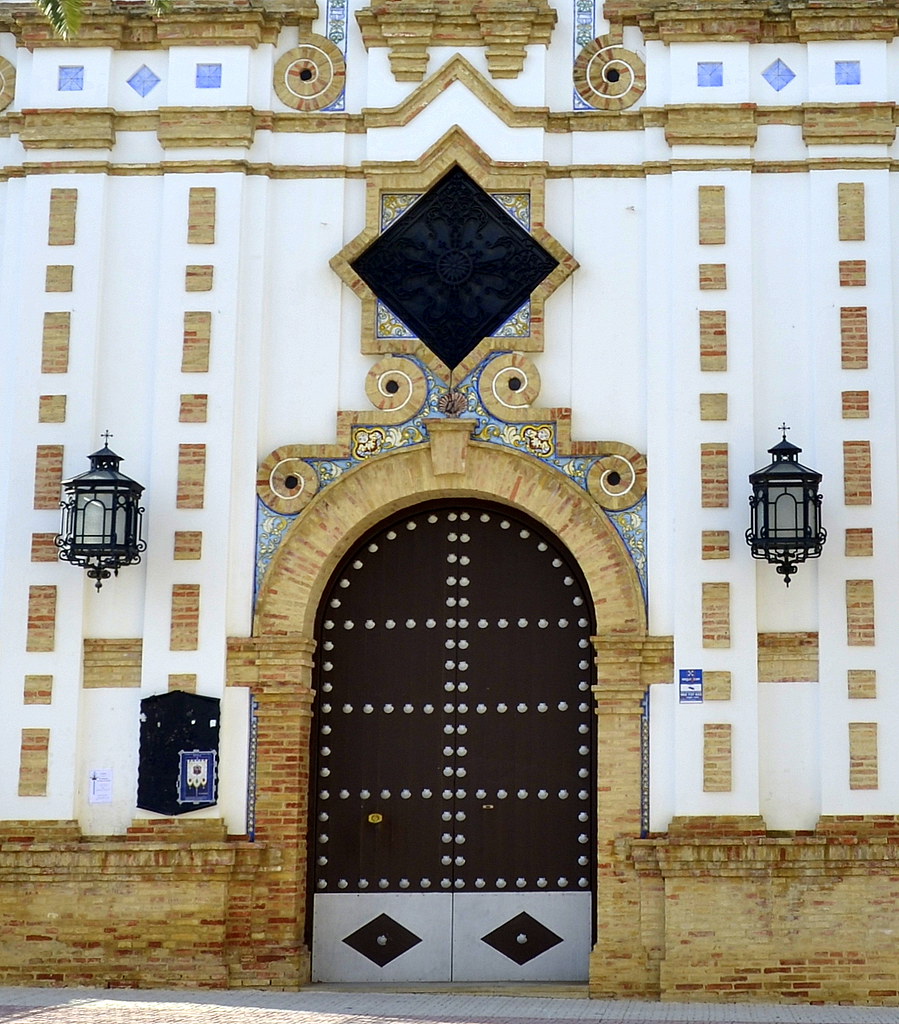
The façade is sober and unadorned. Inside, elements from different phases of construction can be seen, added gradually over time. Rather than standing out as a singular artistic landmark, the church functions as a reference point for the community. The square and surrounding streets have organised daily life for centuries, serving as the natural meeting place for neighbours.
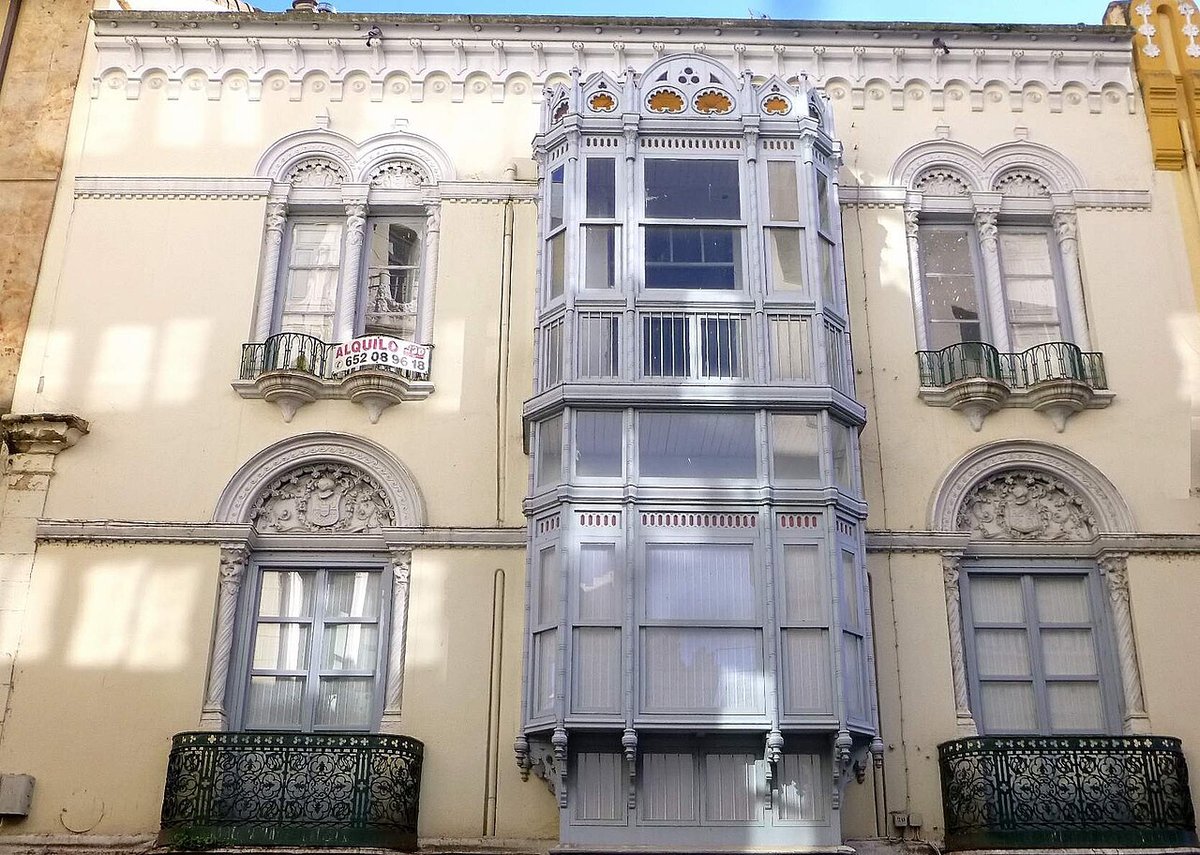
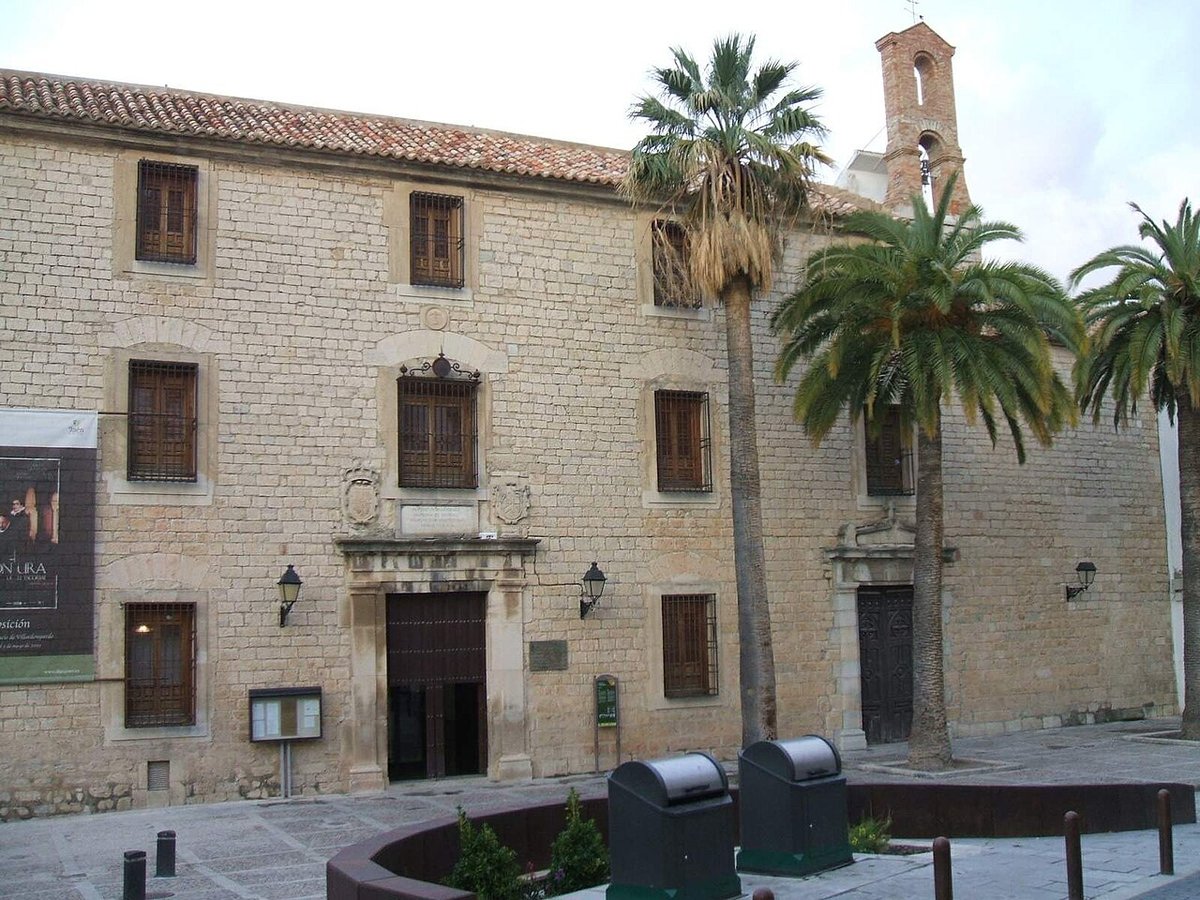
Around this central area, traditional houses remain. Some preserve simple stone doorways and wrought-iron balconies. These are modest details, yet they hint at periods when agriculture provided a degree of economic stability. The architecture reflects practicality rather than display, shaped by the rhythms of farming life.
A Sea of Olive Trees
The municipality is almost entirely covered by olive groves. Here the Campiña is open and gently undulating, and the neat lines of olive trees follow the soft curves of the land. The landscape is agricultural in the purest sense, with little interruption between one plantation and the next.
Many of the trees are decades old. Some appear far older, though it is difficult to date them precisely. They form part of a farming system passed down from generation to generation. The annual harvest continues to define the local calendar and the pace of work.
Winter is the busiest period. Tractors and trailers move steadily along rural tracks, and teams of workers head out to the groves. The activity is constant while the olives are gathered and taken for milling. Outside the harvest season, the countryside becomes markedly quieter. The same fields remain, but the movement subsides and the plain regains a slower rhythm.
For visitors unfamiliar with the scale of olive cultivation in Jaén province, the effect can be striking. The olive tree is not simply a crop here. It structures the territory, the economy and the daily routines of the people who live among it.
Rural Paths and Everyday Cooking
A network of rural tracks connects Lahiguera to the surrounding farms. Many began as working routes leading to cortijos and plots of land. Today they are still used for agricultural purposes, but they also offer an easy way to explore the area on foot and to understand how the territory is organised.
These are gentle routes, as the Campiña has few steep inclines. The interest lies less in dramatic scenery and more in observing the agricultural landscape up close: the spacing of the trees, the low stone boundaries, the steady repetition of cultivated ground. Walking here provides context for the village itself, which depends so directly on what grows beyond its streets.
Local cooking is closely tied to olive oil. In many households, simple dishes linked to farm work are still prepared. Migas, typically made from breadcrumbs and served as a hearty meal, appear at certain times of year. Stews and seasonal gazpachos also form part of the repertoire, adapted to what is available and to the needs of those working outdoors. The emphasis is on sustenance and tradition rather than elaboration.
During the milling campaign, some almazaras, olive oil mills, usually receive visits. This is when freshly harvested olives enter the press and are transformed into new oil. The process connects field and table in a direct way, and it marks one of the most significant moments of the agricultural year.
Festivities Rooted in Tradition
The festive calendar in Lahiguera remains closely linked to rural customs. In January, the village celebrates San Antón. As in many towns across the province of Jaén, the blessing of animals and agricultural products keeps alive a longstanding tradition associated with protection and prosperity in the countryside.
Semana Santa, Holy Week, has a local and participatory character. The cofradías, religious brotherhoods responsible for organising processions and events, bring together families who have been involved for years. The emphasis is on community continuity rather than spectacle.
In summer, the patron saint festivities are held in honour of the Virgen de la Encarnación. These are days of reunion, when neighbours gather and people who have moved to other cities return to the village. The celebrations reinforce ties to place and to shared history, particularly in a small community where many families have longstanding roots.
Approaching Lahiguera
Lahiguera lies in the central area of the Campiña de Jaén, surrounded by uninterrupted expanses of olive groves. It can be reached by road from the city of Jaén in a relatively short journey.
Once there, the village is easy to explore on foot. Its scale quickly becomes clear, as does its relationship with the surrounding fields. A short walk through the centre reveals the church, the main square and the traditional houses that define its character.
To understand what truly sustains life here, it is worth stepping beyond the urban streets and onto the rural tracks that encircle the town. From there, the connection between Lahiguera and the olive groves is unmistakable. The landscape is not a backdrop. It is the foundation on which the village stands.