Full Article
about Villanueva de la Reina
A countryside town by the river, noted for its church and stately façades.
Hide article Read full article
At seven in the morning, in the middle of the olive harvest, the air inside the cooperative smells of freshly cut grass and crushed fruit. The first drops of oil emerge thick and almost opaque green, sliding slowly through the mill’s channels. In Villanueva de la Reina, autumn begins like this: tractors moving in and out of the village, olive groves stretching in every direction, and the Guadalquivir crossing the countryside at an unhurried pace.
This is a place shaped by agriculture and by the river. Daily life follows the rhythm of the fields, especially when the olive campaign is at its height and the village seems to revolve around the almazara, the olive mill.
The River That Changed Everything
From the bridge over the Guadalquivir at the entrance to the village, the layout of Villanueva de la Reina becomes clear. Built at the beginning of the 20th century, when concrete structures were starting to take hold, the bridge marks the threshold between open countryside and whitewashed houses. The homes climb the hillside without much order, as if they had appeared gradually along the main road. Below, the river curves broadly before continuing south.
This stretch of the Guadalquivir valley has a long history. Some studies place an ancient Roman settlement here called Ipra, linked to the Via Augusta, the road that once ran through the valley. There is no visible archaeological site today, yet along streams and rural tracks it is still possible to see very worn cobblestones. Locals often associate them with that Roman past, even if little remains above ground.
Early in the morning, when mist rises slowly from the fertile plain beside the river, fishermen can still be seen placing their rods in the same clearings along the bank that have been used for generations. They are not usually after large catches, but barbel or the occasional carp. The routine matters as much as the fish. The quiet is broken when trailers loaded with olives begin to pass on their way to the mill. One of the olive mills stands out from a distance, its silhouette unusual for agricultural architecture in the area.
The river is present in small, everyday ways. It shapes the landscape and sets the tone for the surrounding farmland, where the olive trees follow its course across the campiña.
Where Napoleon Lost the Game
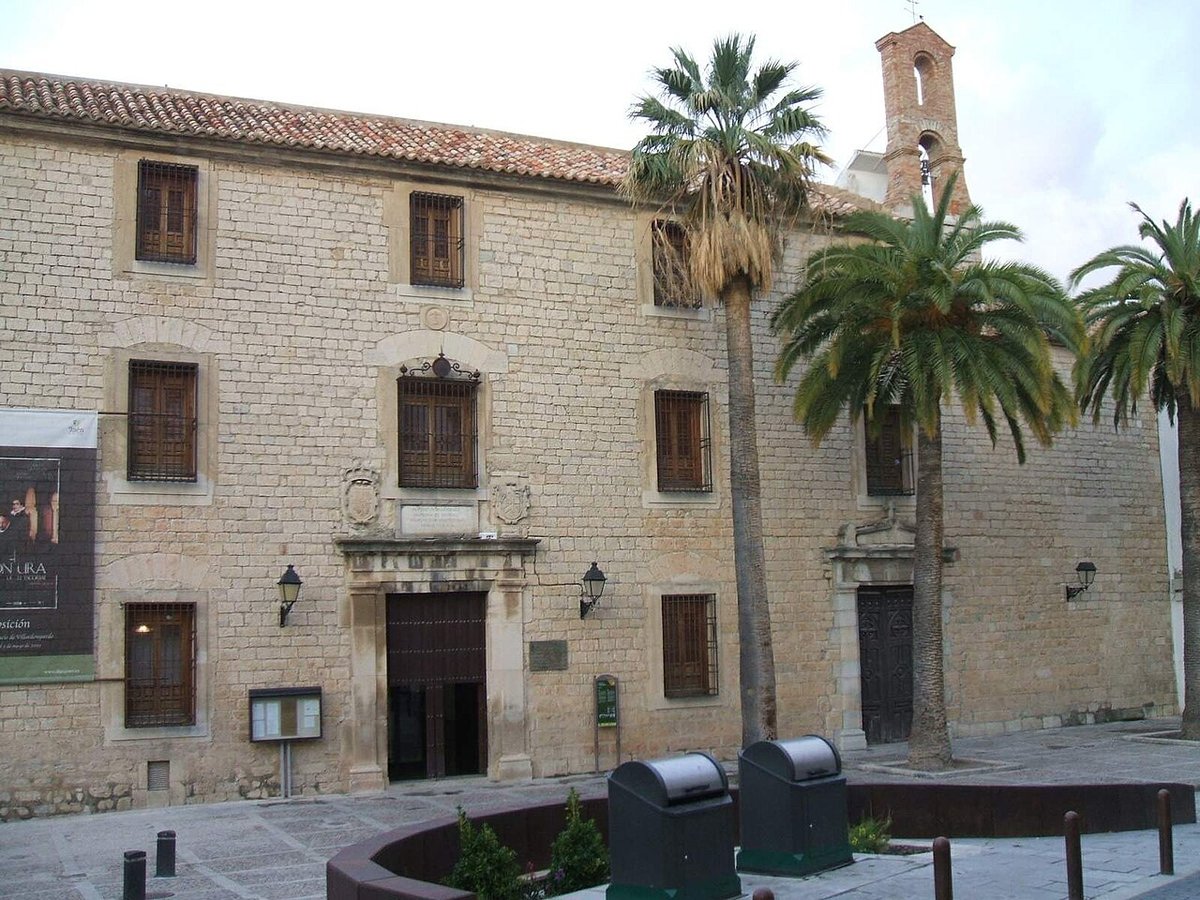
Villanueva de la Reina is often mentioned in accounts of the Battle of Bailén. After the French defeat in July 1808, General Dupont signed the capitulation in a former coaching inn in the village. The building still stands. Its Renaissance-style doorway looks slightly out of place in the narrow street where it sits, a reminder of a moment that linked this small settlement to a major episode of the Peninsular War.
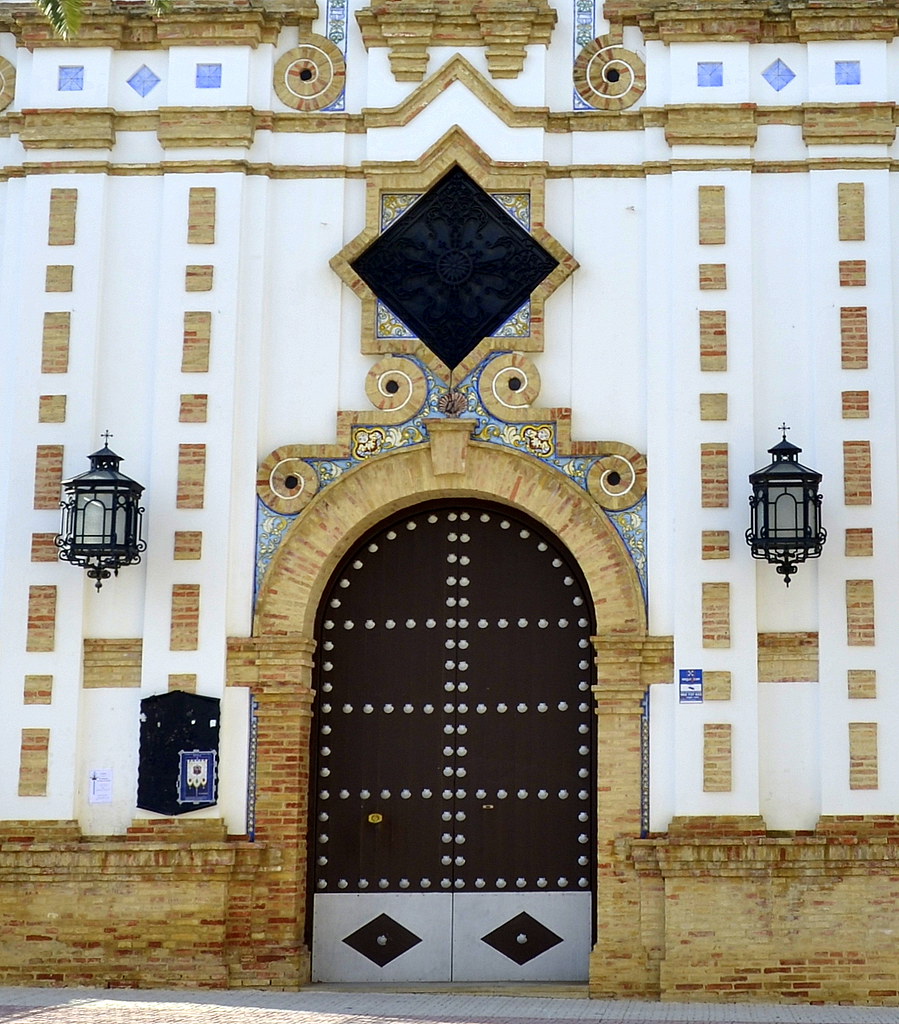
At the centre of the old town stands the church of the Inmaculada Concepción. Its origins are usually dated to the early 17th century. The brick tower is visible from almost anywhere in the village and acts as a reference point among the white façades. Inside is the image of Santa Potenciana, associated with Villanueva for centuries and central to local religious life.
On the first Sunday of May, a romería, or pilgrimage, is held to her hermitage on the outskirts of the village. That morning, groups set out on foot from the centre. Some go with decorated carts, others carrying cool boxes and bags of food. Resol is always present, a coffee liqueur that many families still make at home. So are trays of tirabuzones, ring-shaped pastries that appear at almost every celebration. The atmosphere is communal and relaxed, with people gathering in small groups along the route and around the hermitage.
The Season of Migas
When the colder months arrive and the most demanding phase of the olive harvest fills the days, another smell drifts through the streets: migas. Here they are made with bread from the previous day, dampened and worked in a frying pan until it loosens again into small grains. Each household serves them differently, often accompanied by chorizo, panceta or fried peppers.
Chickpea stew with spinach and cod is also common, especially on Fridays. It is the kind of slow cooking that begins in the morning and is left to rest before lunch. These dishes reflect the agricultural calendar, providing warmth and energy during long days in the groves.
Around midday, in the central bars with green shutters and televisions switched on, it is easy to find shared tables and card games that stretch on for hours. Conversation tends to circle around the harvest, the rain or the price of olive oil. The tone is steady and familiar, shaped by work that depends on both weather and market.
Food here is not presented as spectacle. It is practical, tied to the season and to what the land provides.
When the Countryside Dresses for a Fiesta
The patron saint festivities usually take place in August, during the first half of the month. At night, the streets fill with lanterns and music. During the day, the pace remains calm: shade, conversation and the occasional short walk. The heat encourages people to gather after sunset, when the village feels more animated.
Holy Week is more restrained. Processions follow short routes and pass very close to the houses. On the evening of Good Friday, as the sun drops over the olive groves, reddish light filters through the streets and accompanies the religious images. Many residents dress in dark clothing even if temperatures remain high. The scale is modest, which makes the ceremonies feel close to everyday life rather than distant spectacle.
Paths Between Olive Groves and River
The surrounding area is crossed by several agricultural tracks suitable for walking or cycling. One of the best known follows the route that connects Villanueva de la Reina with Andújar through the olive groves. It is a little over eight kilometres between farms and scattered cortijos, or rural estates.
Closer to the village lies the Vega Baja area beside the Guadalquivir. The terrain here is flat, and parts of the path run parallel to the water. Early in the day, herons stand motionless among the reeds. On calm days, a quick movement at the edge of the bank can reveal the presence of otters.
In winter it is wise to check the condition of the track before setting out. When the river rises, some sections become flooded and large puddles appear, forcing walkers or cyclists to turn back.
Villanueva de la Reina does not present itself with grand monuments or dramatic landmarks. Its character lies in the curve of the Guadalquivir, the steady pattern of olive trees and the routines that return each year with the harvest. The village unfolds through small details: a brick tower above white houses, a Renaissance doorway in a narrow street, the scent of migas on a cold morning.